Pentagon efforts to curb political speech have led many service members to delete posts, remove identifying information and avoid online debate out of fear of administrative consequences. Officials say the actions aim to depoliticize the military, but lawyers and former JAGs warn the scrutiny may exceed established legal limits and is producing a chilling effect. More than 120 service members have reportedly been investigated following a high-profile killing that triggered intense online reactions, and critics say administrative sanctions can damage careers even when criminal charges are unlikely.
Pentagon Crackdown Prompts Troops To Scrub Social Media and Self‑Censor

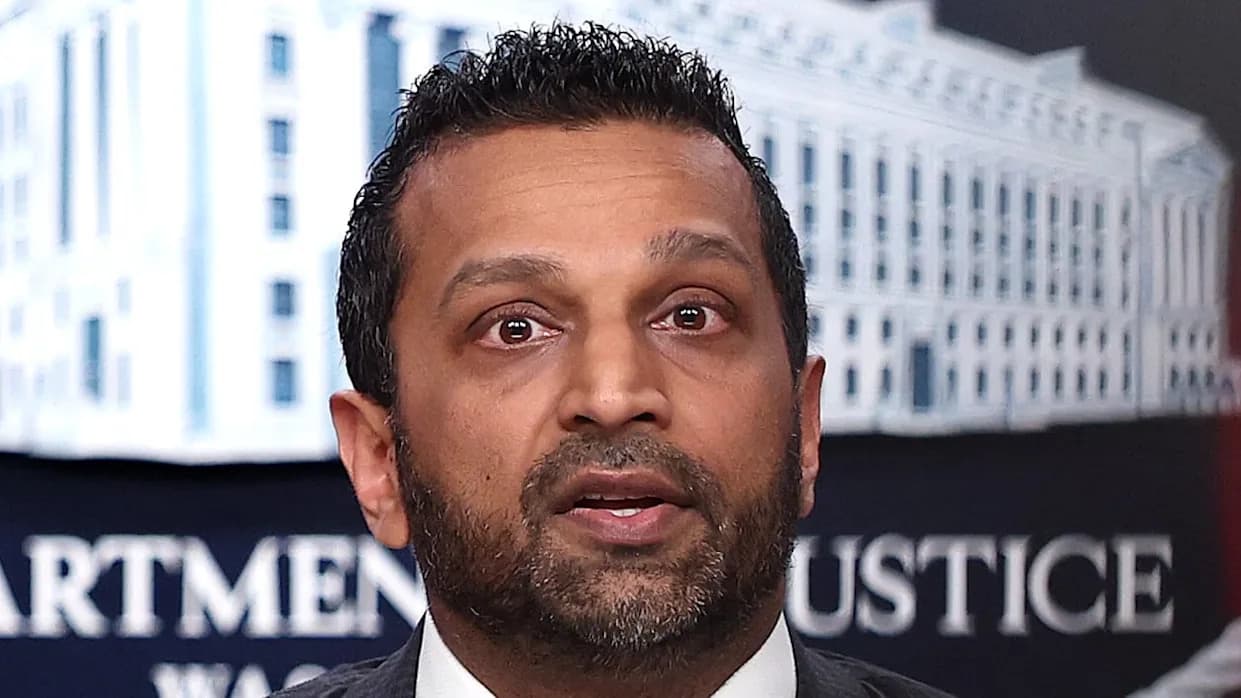
The Pentagon's hunt for speech crimes by US troops is suppressing political comments they have the right to make, military law experts say.Philip Fong/AFP via Getty Images
Members of the U.S. armed forces are increasingly deleting posts, altering profiles and withdrawing from online discussions after Pentagon leaders stepped up scrutiny of political speech, service members and legal advisers told Business Insider. What many describe as a new intensity of monitoring has prompted personnel across ranks to change long-standing online habits to avoid administrative penalties that can derail careers outside of a court-martial.
Examples of Self-Censorship
Several troops described concrete steps they took to avoid scrutiny: a Marine sergeant said she removed pronouns from her LinkedIn profile and deleted references to LGBTQ causes after a mentor warned such content might attract attention; another service member removed a post criticizing recent U.S. strikes on vessels in the Caribbean after someone in his command saw it; and a field-grade officer deactivated her Facebook account and avoids replying to news links in group chats for fear of being drawn into political criticism.

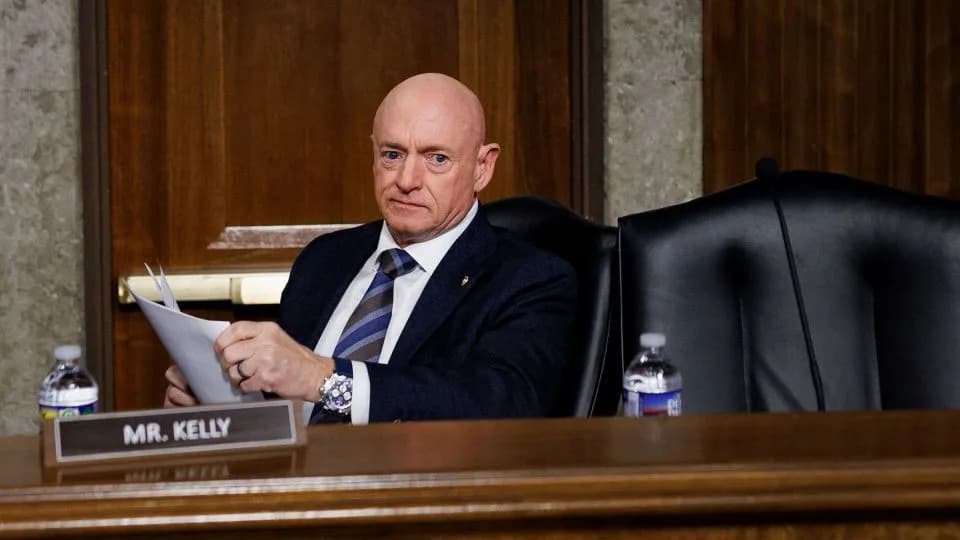
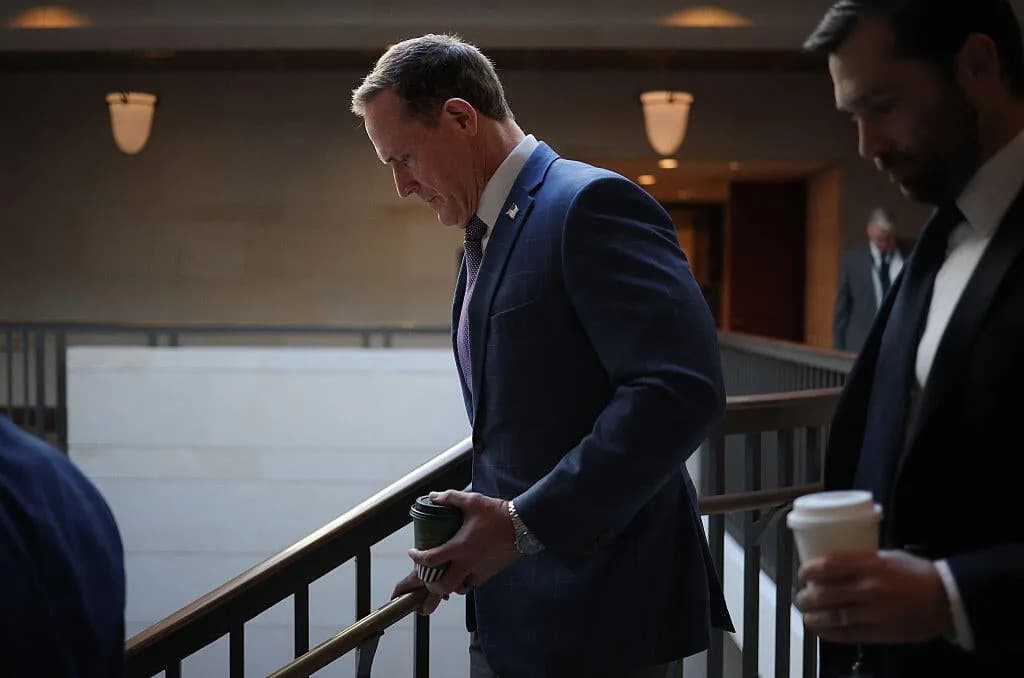
The Defense Department is investigating Sen. Mark Kelly for a video he made with fellow Democratic lawmakers. Kelly has said troops have the right to disobey an unlawful order.Bill Clark/CQ-Roll Call, Inc via Getty Images
Why This Is Happening
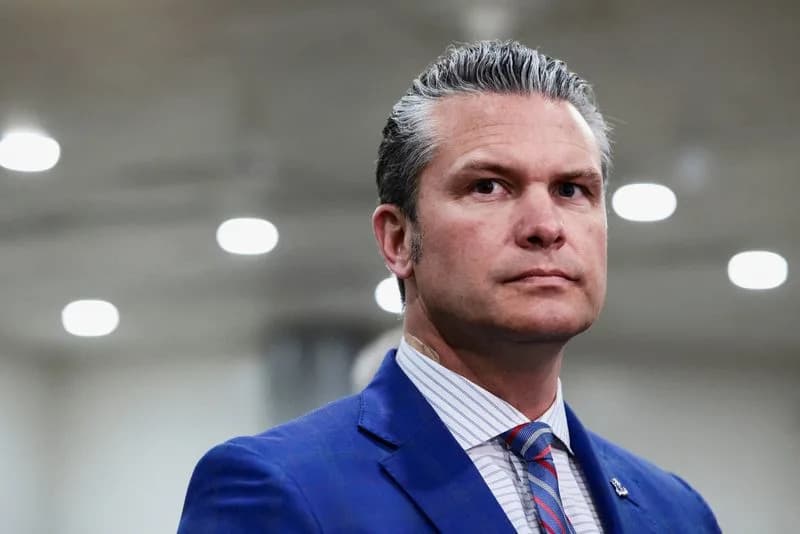
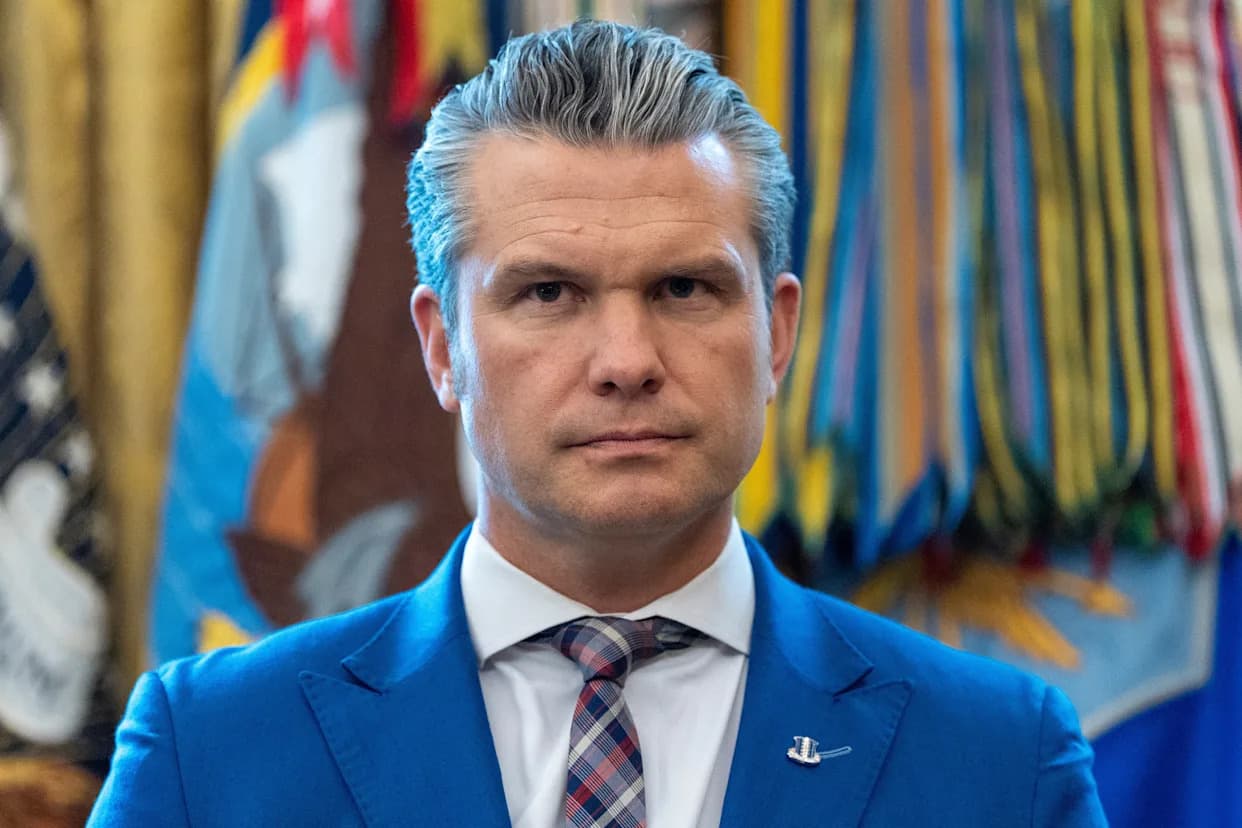
Defense officials say the measures aim to depoliticize the military. Defense Secretary Pete Hegseth has characterized recent policies as an effort to "rip out the politics" from the services. But military-law experts and former JAG attorneys warn that the crackdown has expanded beyond clearly unlawful or order‑undermining speech and is producing a chilling effect on speech that remains protected under long-standing First Amendment and military-law precedents.
"What we're seeing now is abuse of speech restrictions," said Rachel VanLandingham, a Southwestern Law School professor and retired Air Force JAG. "Our service members understand that their rights are more restricted within the military. Now they're being chilled into giving up the rights they actually do have. It's unprecedented."
Administrative Pressure and Legal Questions
Most reported actions are unfolding through the military's administrative system rather than in courts. Administrative processes can lead to relief from command, poor performance evaluations, reprimands or loss of rank—outcomes that can end careers without a court-martial. Several military-law scholars told Business Insider that many proposed punishments likely would not meet the legal standards for UCMJ speech crimes, which typically require elements such as "contemptuous" words toward an elected leader or speech made in a way that undermines discipline.

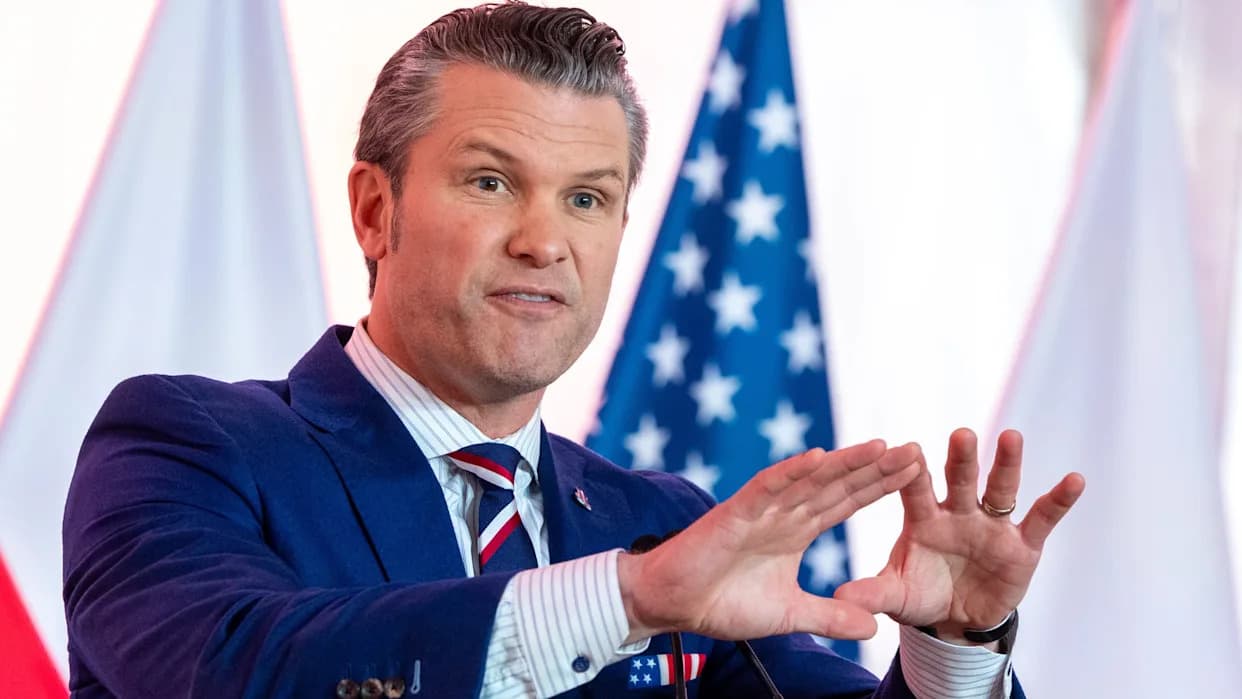
Defense Secretary Pete Hegseth recently accused Sen. Mark Kelly of "potentially unlawful comments" in a letter directing a review. The investigation and statements sent a strong message to troops, legal experts told Business Insider.Tomohiro Ohsumi/Getty Images
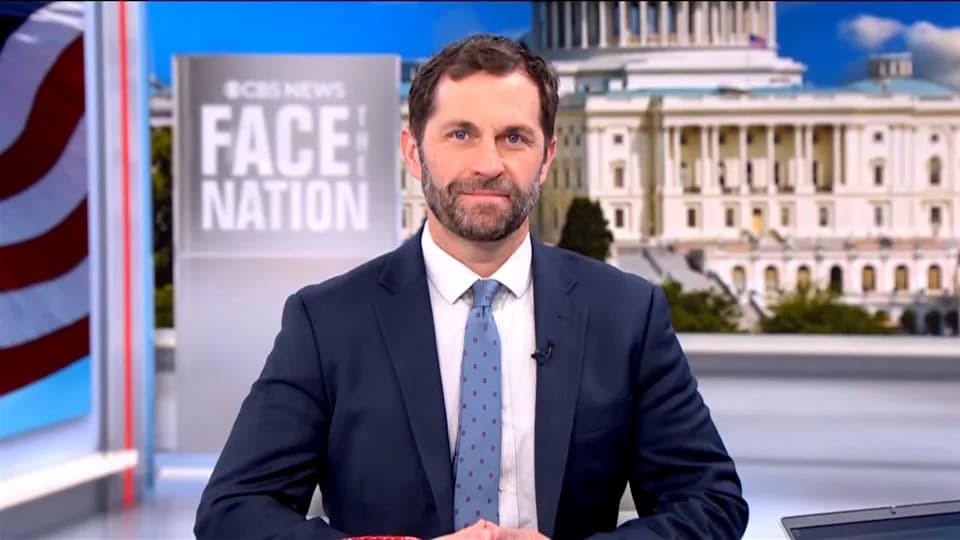
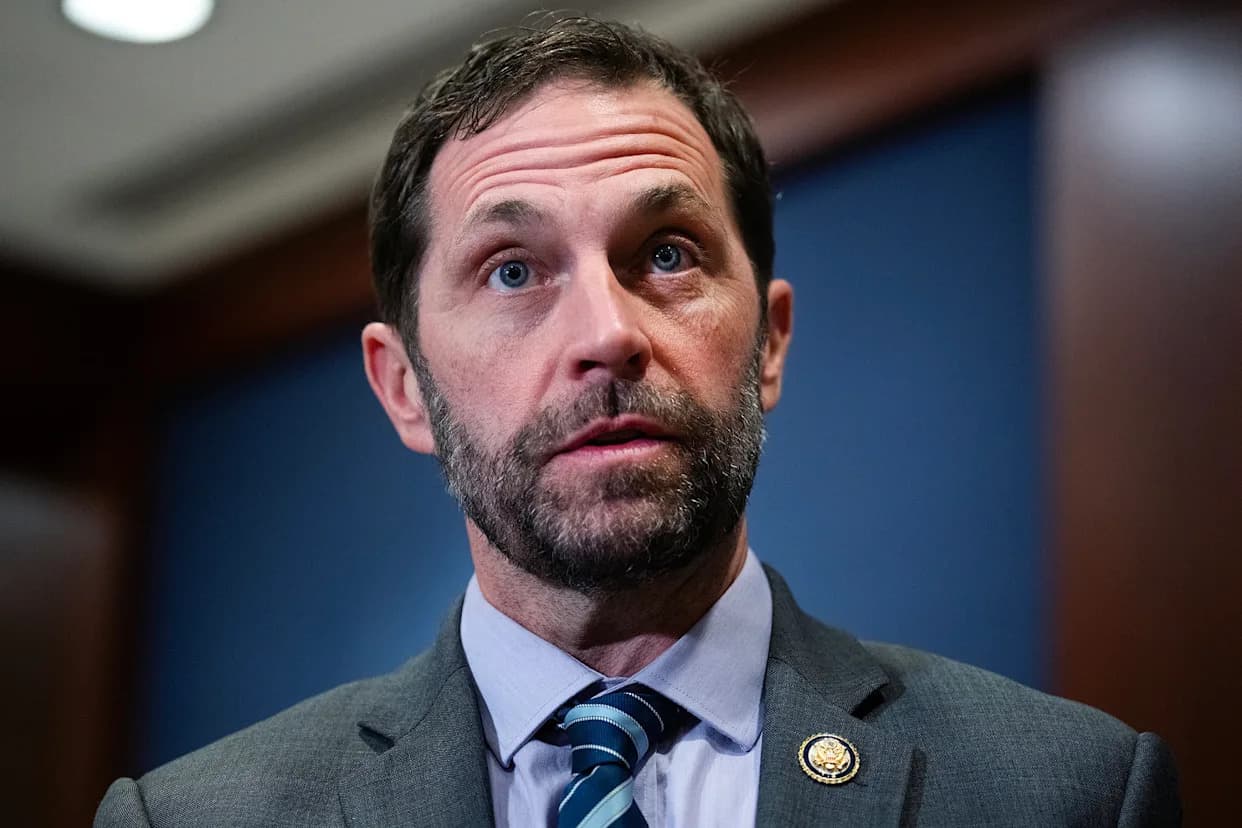
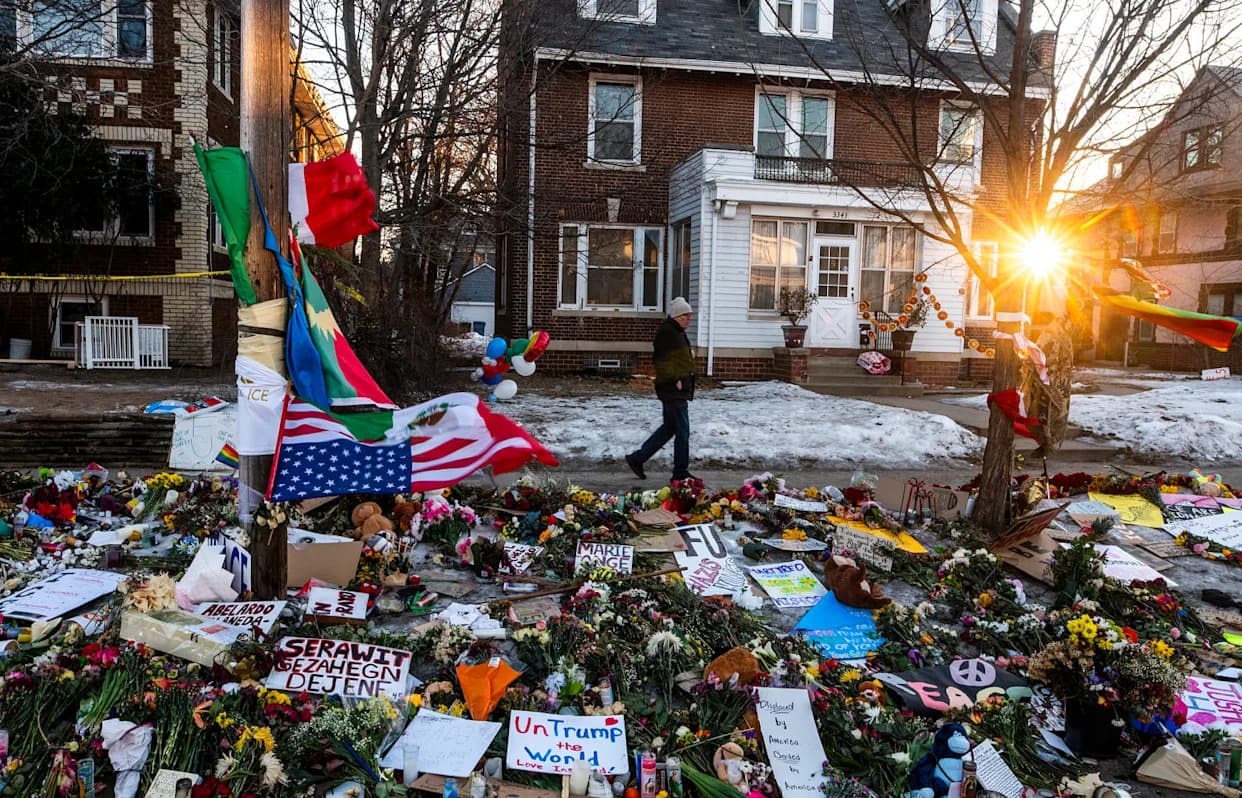
Reportedly, more than 120 service members have been investigated for political comments in the weeks after a widely publicized killing of a conservative activist that prompted intense online debate, according to a tally reported by The Washington Post. The Defense Department also announced a command investigation into Sen. Mark Kelly after a preliminary review of a video in which he urged troops to refuse unlawful orders—an episode that demonstrates how high-profile figures and events are intersecting with internal military discipline.
Broader Implications
Observers warn this trend risks pulling the military into broader cultural and political fights. "The military is becoming combatants in the culture wars," said Peter Feaver, a Duke University professor, who cautioned that the institution must avoid appearing partisan even as individuals exercise some political rights. Other commentators argue that monitoring for professionalism is legitimate, but they differ sharply on where to draw the line between permissible discipline and impermissible overreach.

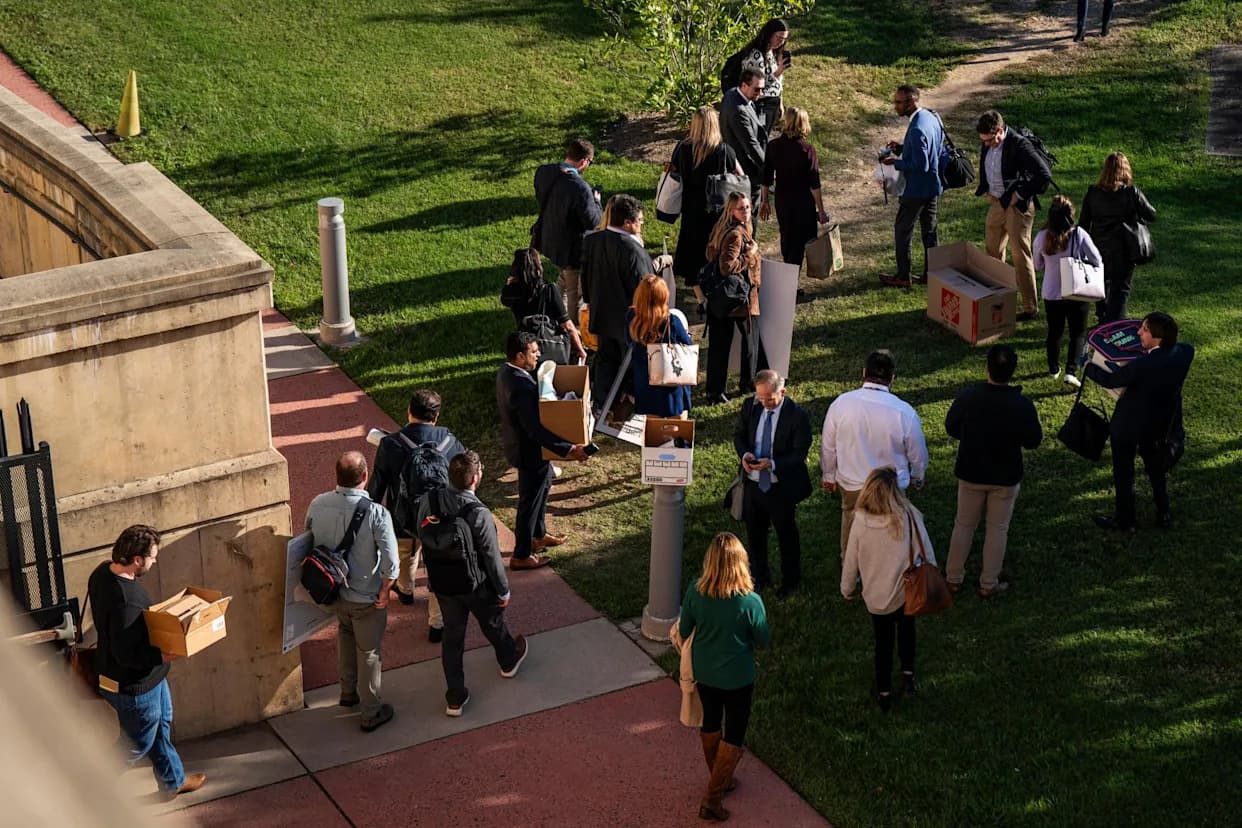
The allegations against rank-and-file troops are unfolding in the military's administrative system, rather than in public court proceedings.Staff Sgt. Oscar Gollaz/National Guard
Fact-Check Note: The original reporting that inspired this summary included a reference naming a specific individual in connection with a killing. Public records indicate that naming may have been incorrect. To avoid repeating a likely error, this version refers to the broader, widely publicized killing that sparked the investigations and public debate. Readers should consult primary reporting from Business Insider and The Washington Post for original sourcing and updates.
Sources: Business Insider reporting, contributions from legal experts and a Washington Post tally cited in original coverage.
Help us improve.