Last week an anonymous Polymarket trader won more than $400,000 by betting Nicolás Maduro would be ousted — with most wagers placed hours before President Trump announced a raid that led to Maduro’s capture. The timing and anonymity of the trades have intensified calls for scrutiny of prediction markets, platforms that sell "event contracts" priced between $0 and $1 to represent probability. While supporters say these markets can surface useful signals, critics raise concerns about insider trading, consumer harm and a regulatory loophole that lets event contracts avoid many state gambling rules.
Anonymous $400K Win After Maduro’s Capture Puts Prediction Markets Under Scrutiny
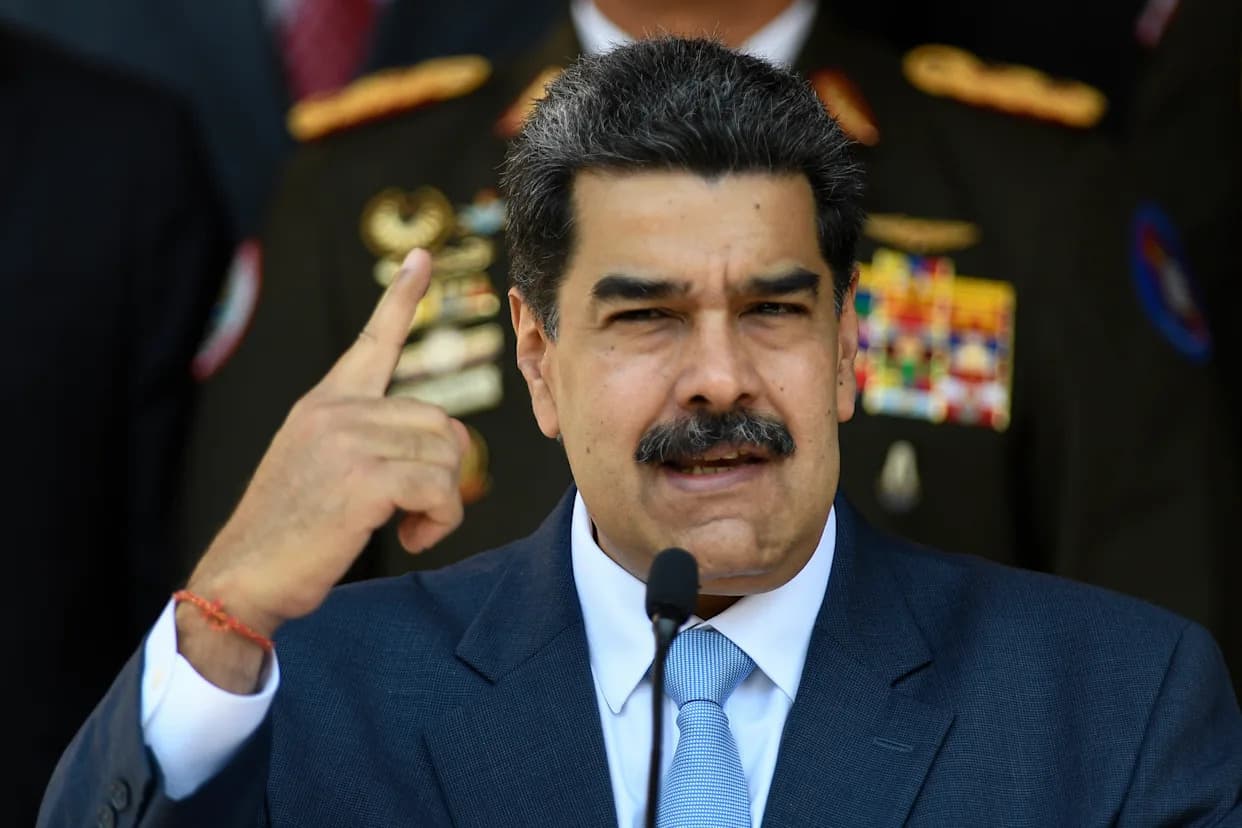
FILE - In this March 12, 2020, file photo, Venezuelan President Nicolas Maduro gives a press conference at the Miraflores presidential palace in Caracas, Venezuela. (AP Photo/Matias Delacroix, File)
An anonymous trader collected more than $400,000 on Polymarket after wagering that Venezuelan leader Nicolás Maduro would be removed from office — a series of bets placed hours before President Donald Trump publicly announced a nighttime raid that reportedly led to Maduro’s capture. The timing and concentration of those wagers have intensified scrutiny of prediction markets, online platforms where users buy and sell "event contracts" that reflect market-implied probabilities for future outcomes.
How Prediction Markets Work
Prediction markets let people stake money on outcomes ranging from sports scores and elections to geopolitical events and pop-culture moments. Trades are typically framed as "yes" or "no" contracts priced between $0 and $1; the price approximates the market's collective estimate of an event's probability. Traders can buy, sell or cash out early to lock in gains or limit losses as prices move.
Proponents say the financial incentive concentrates attention and information and can produce useful signals. As Wake Forest economics professor Koleman Strumpf observed, these markets have sometimes tracked election outcomes accurately — but he cautions they are far from infallible.
Who Trades — And How Anonymous Is It?
Platforms typically verify identity and payment details, but many users operate under pseudonyms, obscuring who profits from high-profile contracts. That opacity fuels concerns about fairness and potential abuse: some bettors may legitimately have private information, while others may simply be speculating.
Major Players
Polymarket is widely regarded as the largest prediction market, accepting funding via crypto, cards and bank transfers. Kalshi, its main U.S. rival, received court approval to offer certain event contracts nationwide and has expanded into sports-related markets. Traditional gambling and brokerage platforms are also entering the space: DraftKings and FanDuel recently launched prediction platforms, Robinhood has been expanding similar offerings, and Truth Social has promised an in-platform market through a partnership with Crypto.com. Donald Trump Jr. reportedly holds advisory roles at Polymarket and Kalshi.
Regulatory Gaps and Concerns
By classifying these products as event contracts, many platforms fall under Commodity Futures Trading Commission (CFTC) oversight rather than state gambling authorities — a distinction critics call a loophole. That federal classification allows platforms to sidestep a patchwork of state gambling laws, creating tension with states and tribes that have sued to block some contracts.
Federal law forbids event contracts tied to gaming outcomes, war, terrorism and assassinations, and questions remain about how strictly the CFTC will enforce those boundaries. The agency has faced staffing cuts and leadership turnover and did not respond to requests for comment for this story. Polymarket declined to comment as well.
Concerns About Insider Trading and Consumer Harm
The recent Polymarket trade prompted calls for more oversight. Critics argue that real-world insider information could be used to profit on these platforms, while vulnerable users may be exposed to rapid financial losses in always-on markets. In response, Democratic Rep. Ritchie Torres introduced legislation to restrict government employees from participating in politically related event contracts.
What Comes Next
Prediction markets are growing and drawing mainstream entrants, making the questions of transparency, enforcement and consumer protection more urgent. Regulators, lawmakers and platform operators now face pressure to clarify rules, tighten guardrails and consider how to balance the informational value of markets against the risks of abuse and financial harm.
"The train has left the station on these event contracts; they're not going away," said Melinda Roth, visiting associate professor at Washington and Lee University’s School of Law, underscoring the urgency of rulemaking and oversight.
Help us improve.