
Researchers at King’s College London found that higher blood levels of theobromine — a compound found in dark chocolate — are associated with a lower biological age, measured via DNA changes and telomere length. The analysis used two European cohorts of about 1,600 people and identified theobromine as the cocoa compound most strongly linked to age markers. Scientists are investigating interactions with polyphenols and the epigenome, but warn that chocolate’s sugar, fat and calories mean more evidence is needed before recommending increased consumption.
Dark Chocolate Compound Tied to Slower Biological Aging — But Don’t Start Snacking More Yet

A new study finds a promising link between a compound found in cocoa and anti-aging properties.
Scientists at King’s College London report that higher circulating levels of theobromine — an alkaloid abundant in dark chocolate — are associated with biological markers of slower ageing, according to a new analysis published in the journal Aging.
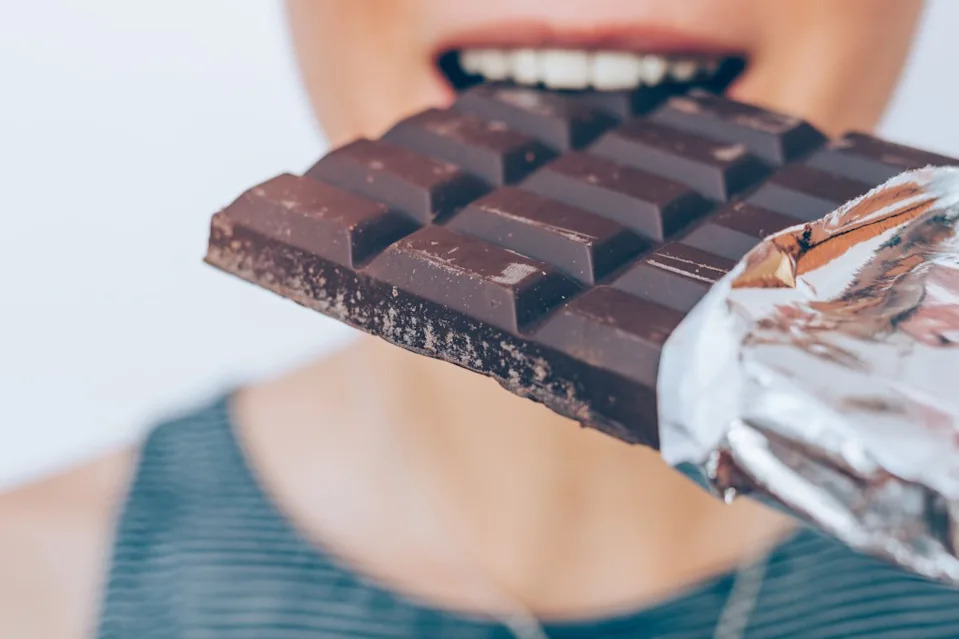
Theobromine, a naturally occurring chemical found in cocoa, may have anti-aging properties. progressman – stock.adobe.com
What the Study Measured
The research pooled data from two European cohorts totaling roughly 1,600 participants. Investigators estimated biological age using chemical changes to DNA and telomere length, the protective caps on chromosome ends that shorten with age and are linked to age-related conditions such as cancer, Type 2 diabetes and heart disease.

Unlike chronological age, which is the number of years we’ve been alive, biological aging measures the age of our cells and organs. sebra – stock.adobe.com
Key Findings
Participants with higher circulating theobromine levels tended to have a lower biological age compared with their peers. Of the various cocoa-derived compounds the team tested, theobromine showed the strongest association with ageing markers. Researchers are now exploring whether theobromine acts alone or in combination with other compounds in cocoa, such as polyphenols, which are powerful antioxidants that reduce inflammation and protect cells from free-radical damage.
Our study finds links between a key component of dark chocolate and staying younger for longer — Jordana Bell, senior author.
What This Does — And Doesn’t — Mean
While the findings are promising, experts caution that this is not a green light to increase dark chocolate consumption. Chocolate also contains sugar, fat and calories, and the study shows association rather than definitive causation. The authors emphasize that more research is needed to understand the biological mechanisms and to determine whether dietary recommendations are warranted.
This is an exciting finding; the next questions are what drives this association and how dietary metabolites interact with the epigenome — Dr. Ramy Saad, lead researcher.
Bottom line: Theobromine is a compelling candidate for further study in aging biology, but dietary advice should await stronger evidence that balances potential benefits against the well-known drawbacks of high-sugar, high-fat foods.


