Overview: Vladimir Putin will hold his annual, often hours-long, press conference after recent battlefield advances in Ukraine and amid active diplomacy aimed at ending the nearly four-year war. He has warned Moscow may seize remaining eastern Ukrainian territory by force if negotiations falter. Many Russians want to know when the fighting and economic hardships will end, while European leaders fear a rushed settlement could hand Moscow undue concessions.
Putin Holds Annual Press Conference After Recent Battlefield Gains, Signals Tough Stance on Ukraine

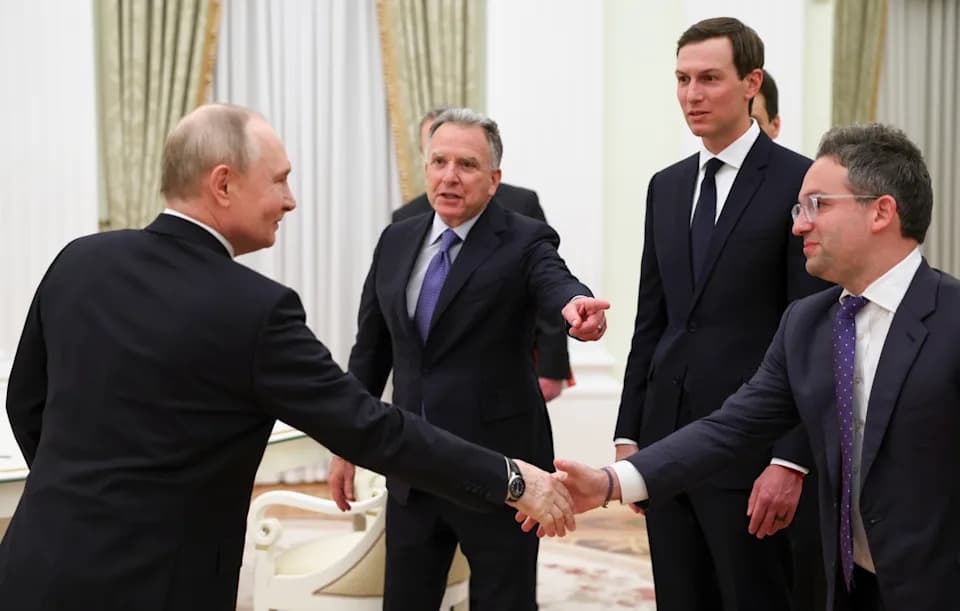
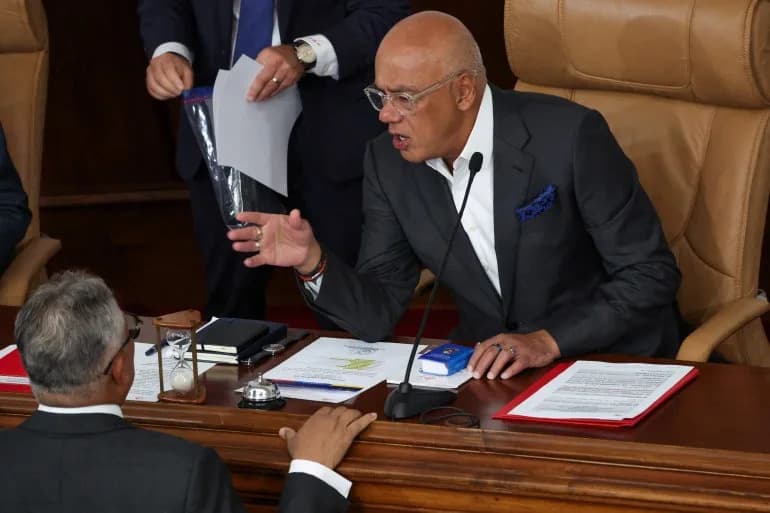
Russian leader Vladimir Putin will hold his annual end-of-year press conference as diplomacy to end the Ukraine war intensifies (Alexander KAZAKOV)(Alexander KAZAKOV/POOL/AFP)
Russia's President Vladimir Putin will hold his long-running annual press conference on Friday, entering the event buoyed by recent battlefield gains in Ukraine and an active diplomatic push aimed at ending the nearly four-year conflict.
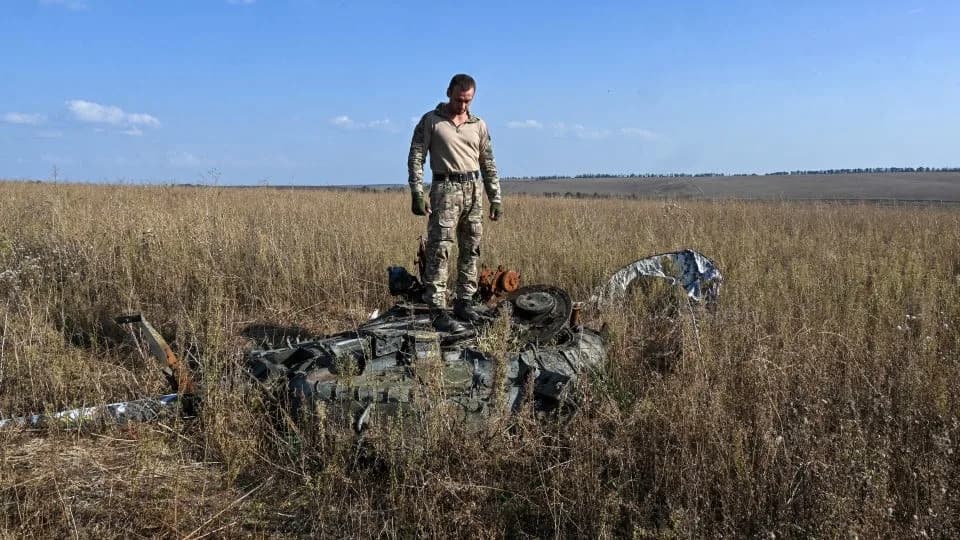
As Russia's campaign moves into another winter, Putin has repeatedly warned that Moscow will seize the remainder of eastern Ukraine by force if talks fail. He has used increasingly bellicose language toward European leaders and reiterated the Kremlin's demand that Kyiv cede territory as a precondition for a settlement.
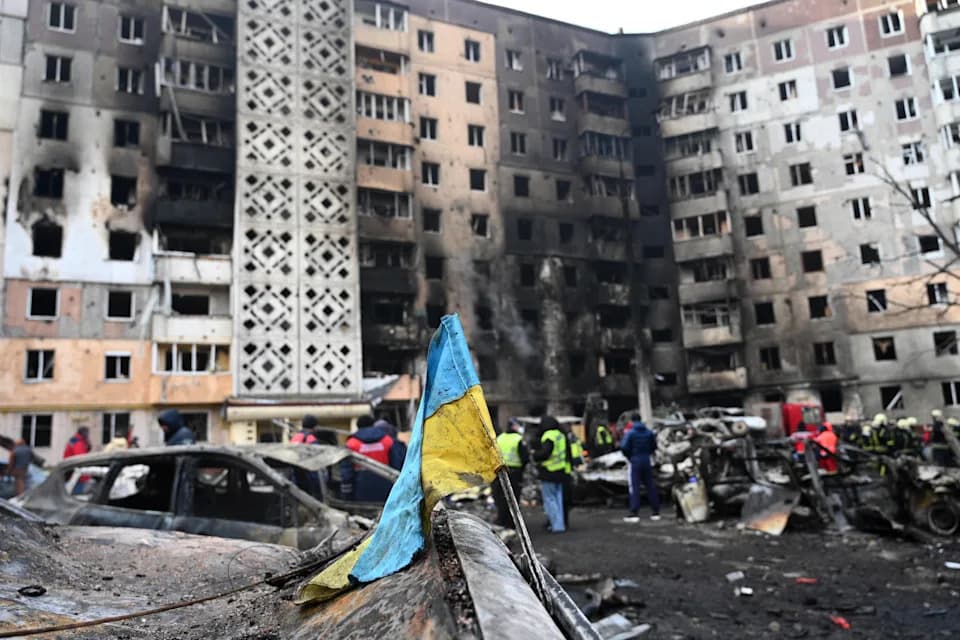
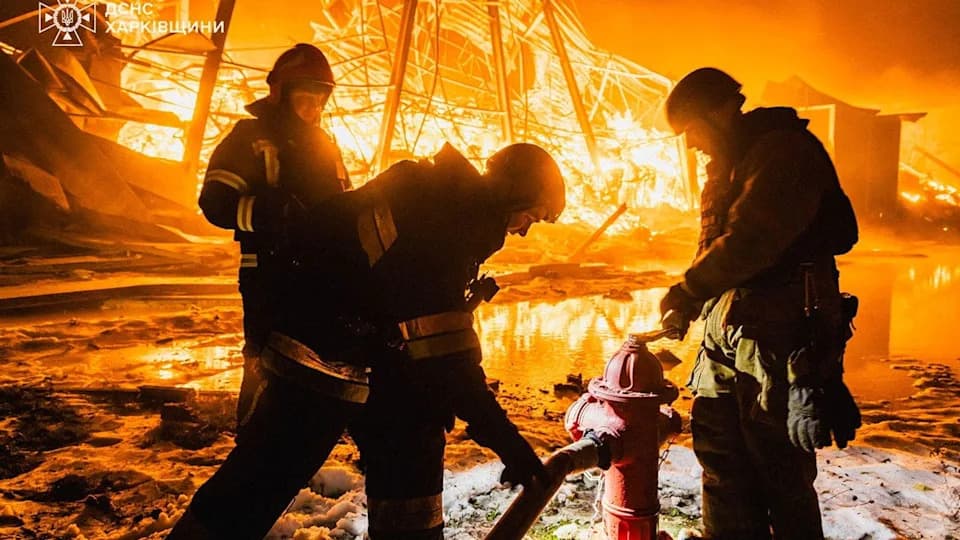
Putin launched the full-scale invasion of Ukraine in February 2022, in what has become the deadliest conflict in Europe since World War II, costing thousands of lives on both sides. Since then, Russia has faced sweeping Western sanctions and an internal crackdown on dissent that many analysts describe as unprecedented in the post-Soviet era.
Diplomatic Context
Putin speaks as the European Union attempts to help Kyiv resist a U.S.-backed proposal some view as effectively capitulating to Russian demands, and as the Kremlin seeks to limit European influence in any settlement talks. This week, Putin publicly derided EU officials and stressed that "the goals of the special military operation will certainly be achieved," using the Kremlin's preferred term for the offensive.
What to Expect From the Press Conference
Traditionally held in December, Putin's press conference can stretch for hours. Broadcast in a tightly controlled television format, the event features journalists' questions and calls from citizens across Russia's 11 time zones. Topics are expected to range from the war and diplomacy to domestic issues such as the economy and living standards.
On the streets of Moscow, many people said their main question for Putin was when the fighting would end. "When will peace come for everyone?" asked Anna, a 65-year-old pensioner who voiced support for Putin's position. Others, like Lilya Reshetnyak, 55, said they worry about loved ones fighting in Donbas and do not want to give up positions there.
Battlefield and Political Developments
Since summer, Russian forces have advanced rapidly in several areas, including parts of the southern Zaporizhzhia region, increasing Moscow's leverage in talks. At the same time, the United States has continued separate negotiations with both sides; former U.S. President Donald Trump recently suggested Russia holds a stronger negotiating position and hinted Kyiv might consider territorial concessions, a prospect that has alarmed many European leaders.
Economic and Social Toll
Beyond the battlefield, Putin is expected to face questions about an economy that has operated on a war footing for nearly four years, prioritizing defense spending amid broad sanctions and persistent inflation. Independent outlets such as The Bell have warned that "the true costs of the war are now impossible to ignore." Polling by the independent Levada Centre — designated a "foreign agent" by Russian authorities — found 16 percent of respondents want Putin to address when living conditions will improve.
Visitors from regions outside Moscow express frustration at growing disparities. "We love Russia... we collect money for the special military operation and we give our soul in the same way," said 65-year-old pensioner Nadezhda, criticizing the limited return she sees for those sacrifices.
Repression and Political Opposition
Open criticism of the Ukraine campaign is banned in Russia; authorities have fined or imprisoned thousands for public dissent. Almost all prominent political opponents of Putin now live in exile, are incarcerated, or are dead, underscoring the domestic constraints on debate ahead of the annual event.
Background
Putin, a former KGB officer, first became acting president when Boris Yeltsin stepped down in December 1999 and has dominated Russian politics for a quarter-century.
Help us improve.