Cara Lupino, Chief of Forensic Science at the Rhode Island Department of Health, predicts that by 2050 forensic work will be reshaped by AI and automation—especially in DNA analysis. Automation and whole-genome sequencing could cut some DNA processes from days to hours and expand the use of genetic genealogy. Lupino also warns of AI-driven risks and calls for robust guardrails and continued human oversight.
How Forensics in Rhode Island Could Look by 2050: Faster DNA, More AI—and Stronger Guardrails

Cara Lupino, chief of forensic science, Rhode Island Department of Health
As Rhode Island moves into the middle decades of the 21st century, forensic science is poised for significant change. Cara Lupino, Chief of Forensic Science at the Rhode Island Department of Health, draws on more than 25 years in the state crime lab to describe how automation, artificial intelligence and advances in DNA technology could reshape investigations by 2050—while underscoring the need for continued human oversight and legal safeguards.
AI and Automation Will Accelerate DNA Work
Lupino expects artificial intelligence to drive many of the biggest changes, especially in DNA analysis. Tasks that today require highly trained specialists and can take days may be largely automated and performed by computer systems in a matter of hours.
"It's definitely going to be different," Lupino says. "I started here in 1999... to imagine another 25 is crazy."
Whole-Genome Sequencing and Genetic Genealogy
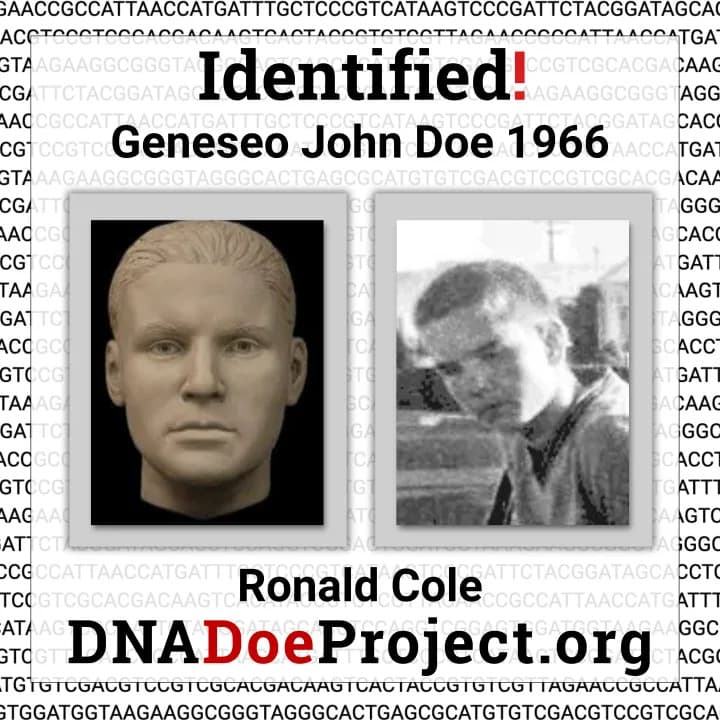
Major progress in whole-genome sequencing will expand investigators' ability to compare crime-scene DNA with DNA information in public and commercial databases. Lupino cites recent cases where genetic genealogy helped connect remains to suspects—a technique likely to become more common and useful in complex investigations.
Faster Roadside Testing
Beyond DNA, Lupino anticipates quicker and more deployable tests for intoxication and drug impairment. Advances in saliva-based testing could allow reliable roadside screening for alcohol and certain drugs, reducing delays caused by lab backlogs.
Risks: AI-Generated Evidence and the Need for Guardrails
Despite the benefits, Lupino warns of serious risks from misuse of AI. Deepfakes and other synthetic outputs could be difficult to distinguish from authentic evidence. She stresses that the justice system must build strong "guardrails"—technical standards, transparent validation, and continued human review—to prevent wrongful outcomes.
Team and Practical Context
Lupino leads a team of 21 scientists working primarily in DNA, drug chemistry and toxicology. While technology will change workflows and increase speed, she emphasizes that sound legal judgment and human intervention must remain central to forensic practice.
Bottom line: By 2050, Rhode Island’s crime lab may operate faster and with far more automated DNA tools, but the profession will need clear standards, oversight, and ethical controls to ensure justice and reliability.
Help us improve.