Filippo Grandi, outgoing UN High Commissioner for Refugees, warns that geopolitical fragmentation is worsening conflicts and increasing hostility toward refugees. He deplores a "race to the bottom" as countries tighten asylum rules and says major donor cuts forced UNHCR to shrink and reduce services. Grandi highlights both public generosity and horrific rights violations that drive mass displacement and urges renewed international cooperation as he hands over to Barham Salih.
UN Refugee Chief Warns Geopolitical Fragmentation Is Fueling Global Crises
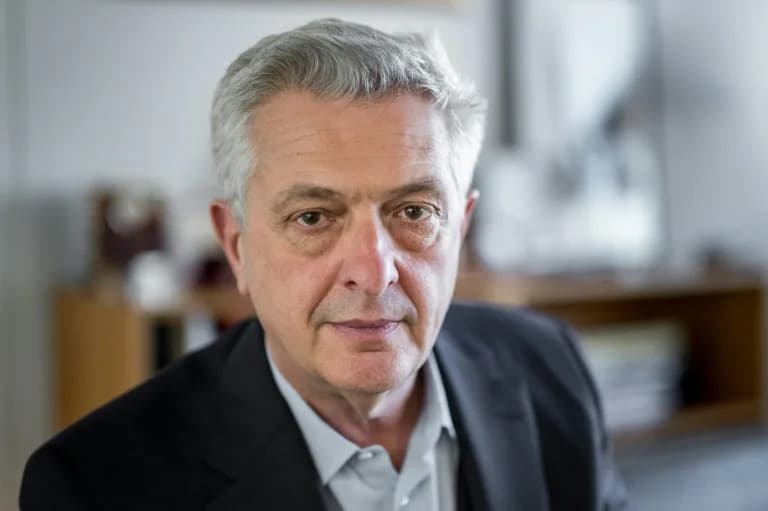
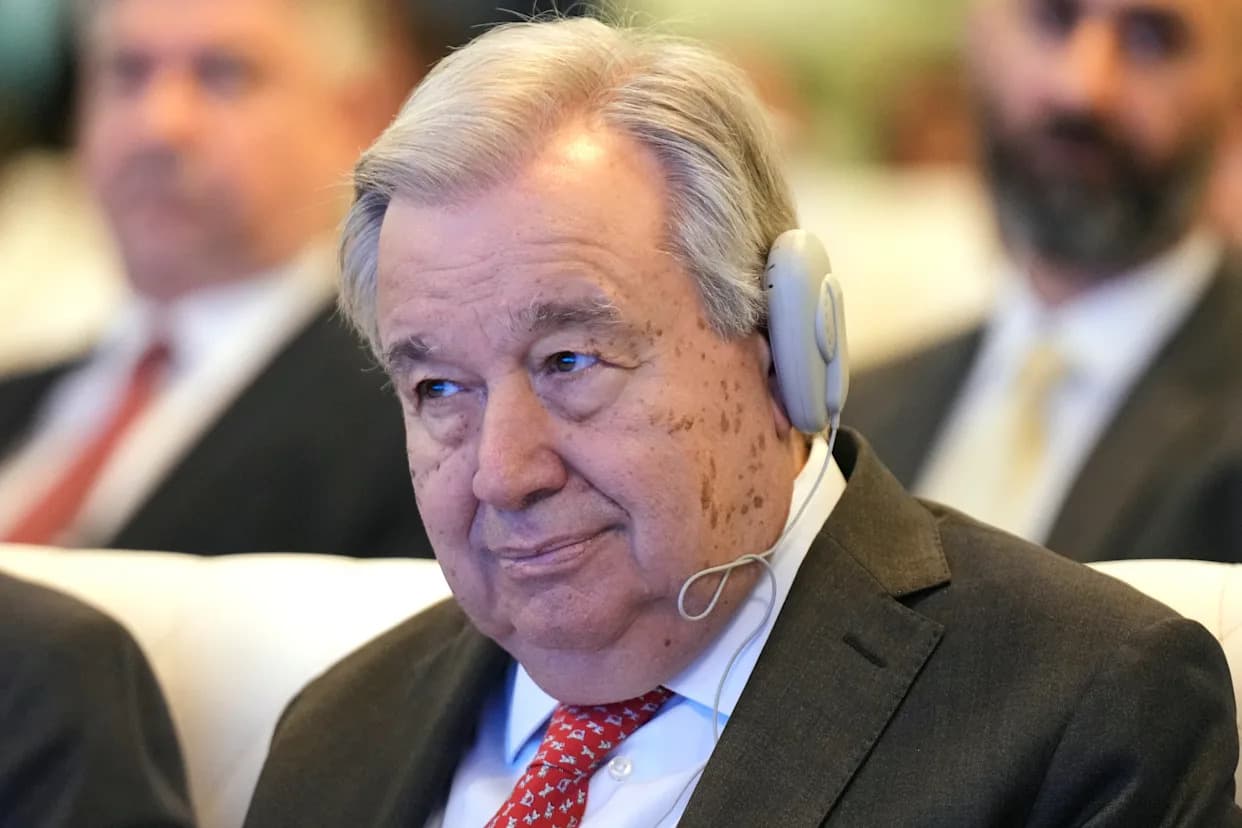
Filippo Grandi is leaving his post after 10 years as the United Nations High Commissioner for Refugees (Fabrice COFFRINI)(Fabrice COFFRINI/AFP/AFP)
Filippo Grandi, the outgoing United Nations High Commissioner for Refugees, warns that an increasingly fragmented global order is aggravating conflicts and stoking hostility toward people fleeing violence and persecution.
Fragmentation, Politics and Refugees
Reflecting on a decade leading UNHCR, Grandi told AFP that one of the most alarming trends has been the world's growing inability to resolve conflicts and an unwillingness to address their human consequences. "This fragmentation of geopolitics that has caused the emergence of so many crises is perhaps the most worrying thing," he said in his final interview as head of the agency. "This world is unable to make peace; has become totally unable to make peace."
He also warned of a "race to the bottom" as countries tighten laws and practices to keep asylum seekers and refugees out, and noted a rise in hostile rhetoric from populist politicians who scapegoat people on the move.
Moments of Hope and Deep Distress
Speaking at UNHCR's Geneva headquarters a day before the end of his tenure, Grandi said he has been heartened by countless acts of kindness from ordinary people offering hospitality to displaced families. "In spite of all the politics... there is still a deeply entrenched sense that if somebody flees from danger, one has the responsibility to help," he said.
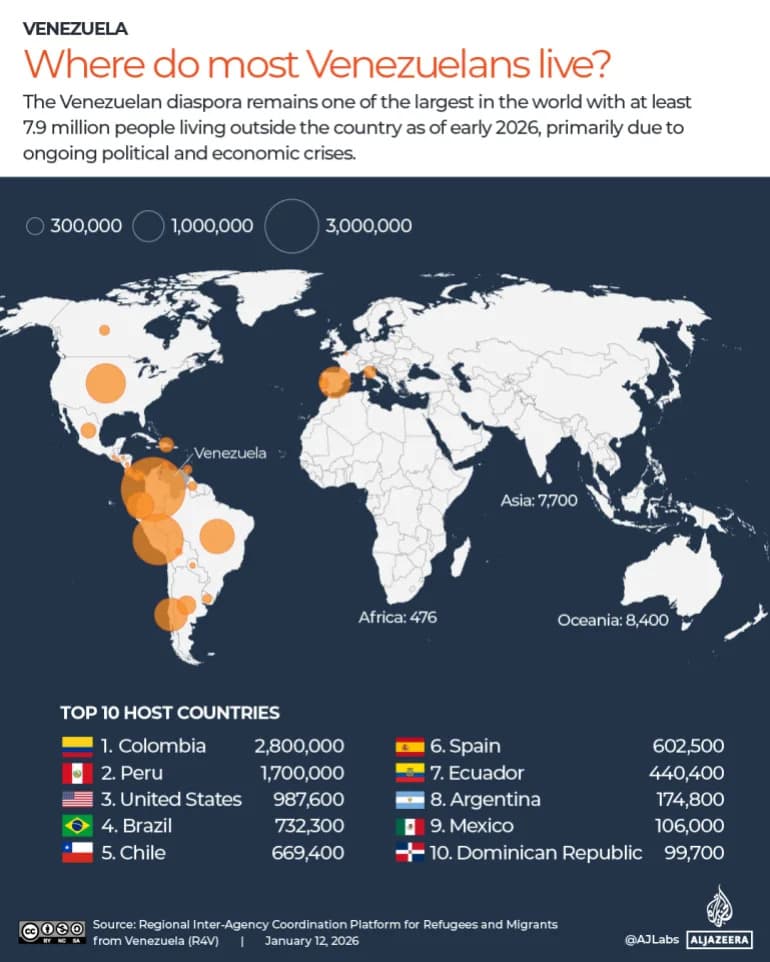
He recalled positive milestones — notably in 2021 when former Colombian president Iván Duque granted legal status to 1.7 million Venezuelans — and recent visits to the Lebanon–Syria border where some people chose to return home weeks after the fall of the Assad regime.
Those uplifting moments, however, are shadowed by "anger and profound sadness" when displacement is driven by "the most horrifying violations of human rights," with crises in places such as Myanmar and Sudan cited as examples.
Funding Cuts and Operational Strain
Grandi acknowledged it is "very painful" to leave while UNHCR faces deep financial and operational pressures. Since January, with the return of U.S. President Donald Trump to office and reductions from several other major donors, the agency has been hit by substantial aid cuts. Those cuts forced UNHCR to shrink staff by about one third and scale back vital services at a time when global displacement is surging.
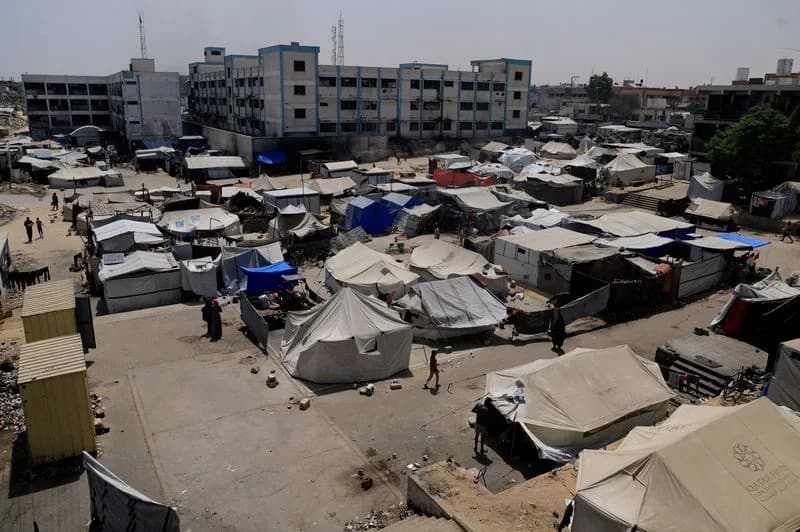
In June, UNHCR estimated more than 117 million people have been forced from their homes — a figure that has nearly doubled over the past decade. Grandi said the agency had to reduce what it delivers to refugees, displaced and stateless people "significantly."
Reform, Multilateralism and a Global Warning
While acknowledging that some reforms could be constructive, Grandi cautioned that much of the current criticism of multilateralism and the United Nations "focuses on the wrong target." He argued that states need institutions that enable cooperation and warned that the "my country first" slogan, now used globally, weakens collective responses to problems that cross borders. "No country can do any of this alone, not even the United States," he said. "The challenges will hit us all... We need to work together."
On Thursday, Grandi, 68, will hand over leadership of UNHCR to Barham Salih, 65, Iraq's president from 2018 to 2022 and once a refugee himself. "He will be an excellent leader for this organisation," Grandi said, while adding the candid warning: "It will be tough."
Key Facts: UNHCR staff reduced by roughly one third; global displacement estimated at 117+ million; major donors have cut funding, forcing reduced services amid rising need.
Help us improve.