The article follows Ukrainian combat medics who attended a 10-day RePower retreat in the Carpathians more than 1,000 km from the front to recover from the psychological toll of war. Participants, including 37-year-old Roma Zukh and 20-year-old Dmytro Kunytskyi, described persistent sensory flashbacks and the difficulty of forming attachments after repeated losses. Psychologists prioritized stabilisation and practical emotion-regulation techniques rather than deep trauma exposure because medics will return to active duty. Shared activities and quiet moments helped build bonds, but anxiety about returning to combat remains.
Loss and Laughter: War Medics Find Brief Refuge in Ukraine’s Carpathians
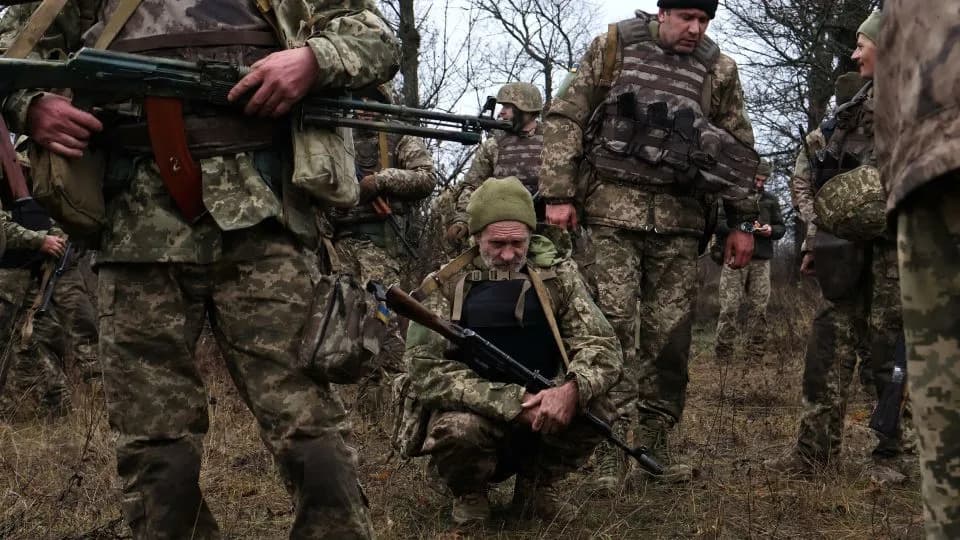
The gruesome toll of the war with Russia is a daily realty for Ukraine's hundreds of combat medics (Roman PILIPEY)(Roman PILIPEY/AFP/AFP)
Roma Zukh, a 37-year-old former truck driver turned combat medic, has learned a bitter rule since Russia’s full-scale invasion in February 2022: don’t grow too close to colleagues, because they can be killed at any moment. With light-blue eyes and a ginger beard, Zukh describes keeping his distance to protect himself from the repeated grief of losing comrades.
A Mountain Retreat Far From the Front
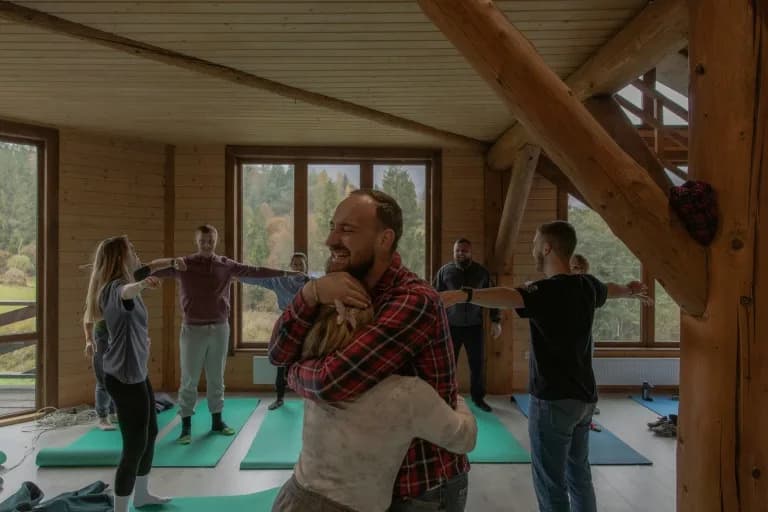
More than 1,000 kilometres (620 miles) from the front lines, a 10-day RePower retreat in wooden chalets in the Carpathian Mountains offered Ukrainian combat medics a rare respite. The programme combined gentle activities—pottery, hikes, sushi-making and “sound-healing” sessions—with group therapy and practical tools to manage stress.
Trauma That Lingers
For medics such as 20-year-old Dmytro Kunytskyi, relief arrived the moment the mountain air filled the car: “We opened the windows and the air filled with the smell of pine. We were just very happy, like little kids,” he recalled. But the front line stayed close. Kunytskyi, who helps recover and examine the bodies of comrades, described flashbacks and sensory memories: “Times when the smell of blood is so sweet that you feel poisoned—and with every breath you take, you smell blood.”
Helping While the Fighting Continues
Psychologists at the retreat faced a distinct challenge: many participants would return to active duty soon after. As Dr. Andrii Anpleiev explained, “To delve into trauma, we need time to stabilise people. This is something new—working with trauma while traumatic conditions are still ongoing.” Rather than deep exposure therapy, the programme emphasised short-term stabilisation, emotion-regulation techniques and signposting to ongoing care.
Moments of Lightness and New Bonds
The retreat’s quieter moments mattered. In a sound-healing session, medics lay on yoga mats listening to waves and birdsong until Zukh’s snores briefly interrupted the calm and provoked laughter—a small, human release after months of strain. Evening group sessions, shared meals and even a game of Alias revealed how frontline experience shaped their everyday vocabulary—“Blood!” was shouted during one round—and helped participants form tight friendships.
Return to the Front
By the end of the retreat, medics had formed a WhatsApp group to stay connected once they returned to duty. Zukh vowed to keep in touch despite his guarded approach: “How could I not worry about them? Of course I worry, but they’ll be fine. I hope.” The programme offered short-term relief and practical coping skills, but the deeper wounds of war remain unresolved while fighting continues.
Key takeaway: Short, targeted retreats can give frontline medics moments of recovery, peer support and concrete coping skills, but long-term trauma care is constrained when participants must return to active combat.
Help us improve.