Ukrainian forces around Huliaipole in Zaporizhzhia are under intense pressure as numerically superior Russian brigades seize ground across open countryside. Observers describe Huliaipole as a contested "grey zone," with Ukrainian territorial brigades suffering heavy losses and limited rotation for rest. Drones help in open terrain, but built-up areas and manpower shortages have left some towns effectively at risk despite late reinforcements.
Southern Front Under Strain: Huliaipole Faces 'Intense' Pressure as Ukrainian Manpower Runs Short
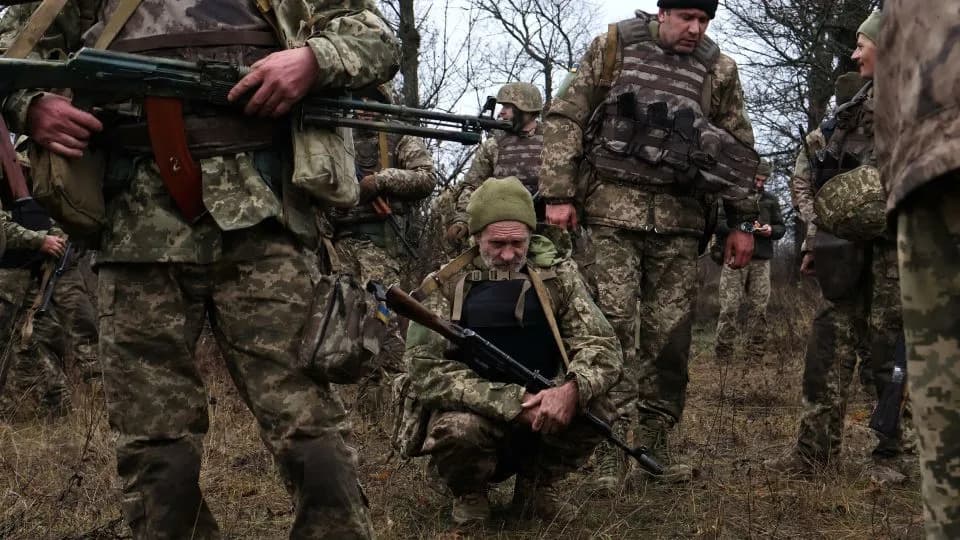
Service members with Ukraine's 65th Separate Mechanized Brigade rest during their first military drill as recruits near the front line in Zaporizhzhia region, Ukraine, on December 12, 2025. - Andriy Andriyenko/Press Service of the 65th Separate Mechanized Brigade of the Ukrainian Armed Forces/Reuters
Ukrainian forces in the south are facing increasing pressure as Russian brigades push across open countryside in Zaporizhzhia, seizing hundreds of square kilometres in recent weeks. Lightly equipped territorial units tasked with holding thinly manned sectors have been particularly hard hit around the town of Huliaipole, roughly 80 km east of the regional capital Zaporizhzhia.
Situation on the Ground
A security service (SBU) officer using the call sign 'Bankir' described conditions to CNN as "intense," saying Russian forces are attempting to strengthen their negotiating position by capturing more territory. Russian units have used small infantry detachments to probe weaknesses and push toward poorly defended positions.
"The enemy is trying to strengthen its negotiating position by attempting to capture more territory," said the officer.
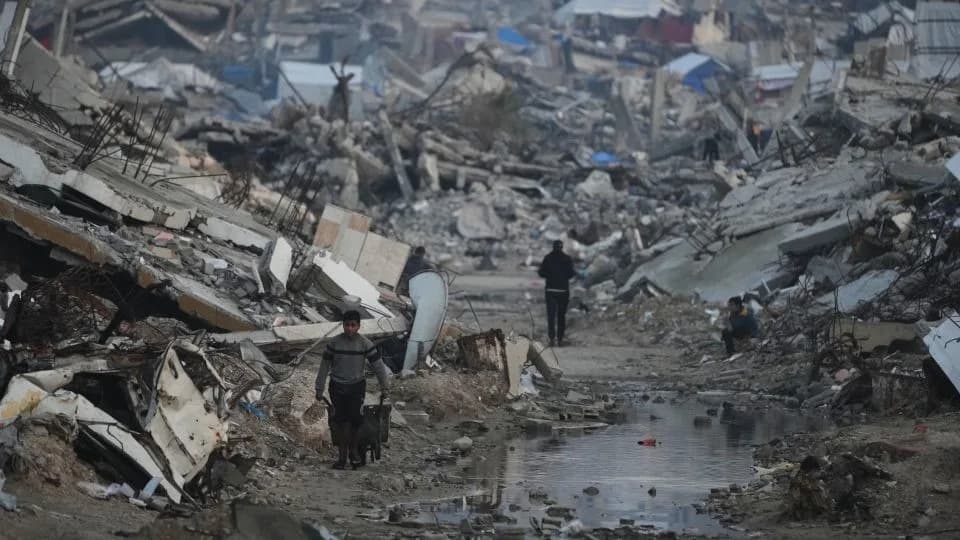
Much of the fighting has centred on Huliaipole, a low-lying town whose terrain and built-up areas — abandoned buildings and basements — provide cover for advancing troops but complicate Ukrainian reinforcement. Open countryside favors Ukrainian drone operations, which are effective at disrupting Russian platoons where infantry is thin, but urban and semi-urban areas blunt that advantage.
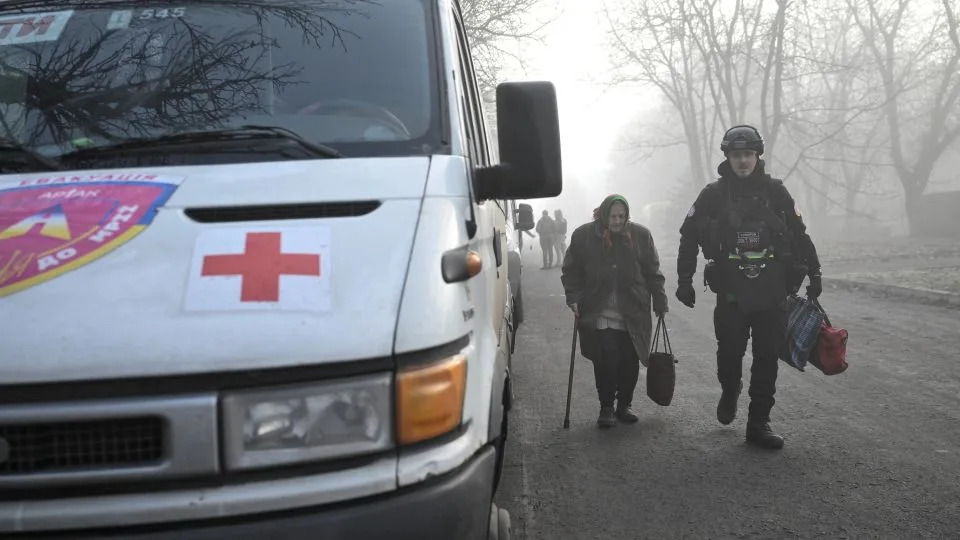
A police officer assists a woman after evacuating from the frontline town of Huliaipole, amid Russia's attack on Ukraine, in Zaporizhzhia region, Ukraine November 14, 2025. - Stringer/Reuters
Claims, Local Reporting and Losses
At a recent meeting attended by President Vladimir Putin, Russian regional commander Col. Gen. Andrei Ivanaev claimed the town had been captured and said his forces had taken more than 210 square kilometres in the Dnipropetrovsk and Zaporizhzhia regions since early December. Moscow frames such gains as steps toward occupying multiple eastern and southern regions.
Independent Ukrainian monitors report a more contested picture. The conflict mapper DeepState described Huliaipole as a "grey zone" where Russian personnel outnumber Ukrainians "many times over," and noted the town's low-lying terrain makes reinforcement difficult. The Conflict Intelligence Team (CIT) warned that Ukrainian troops may now be limited to the town's western part and cautioned that defenders had suffered heavy losses without rotation for rest and reconstitution.
Command Posts, Intelligence Losses and Official Response
Last week a video showed Russian troops inside a Ukrainian command post in Huliaipole examining laptops and documents left behind. Ukraine's commander-in-chief, Oleksandr Syrskyi, acknowledged the loss of that post "due to weak defenses," saying a territorial brigade could not withstand enemy pressure and gradually retreated while criticising the unit for leaving confidential material.
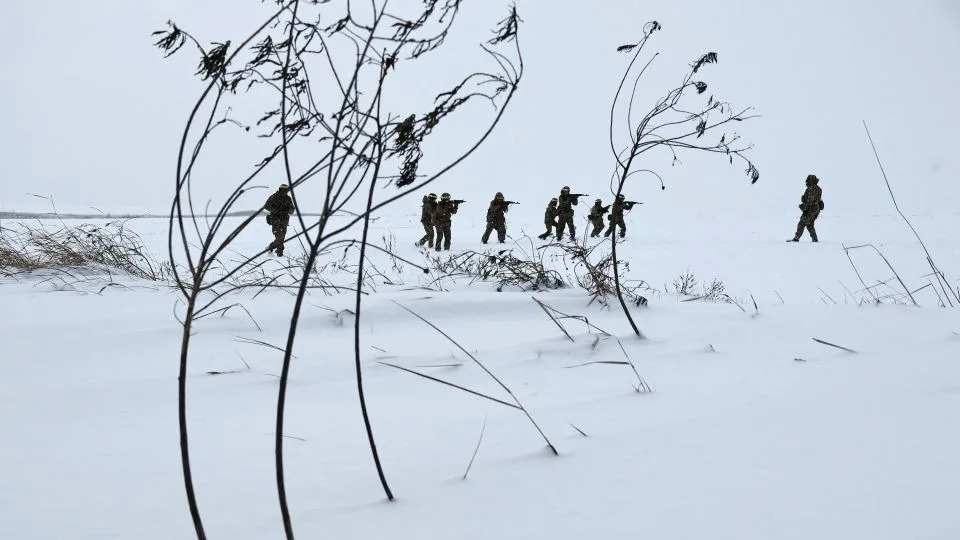
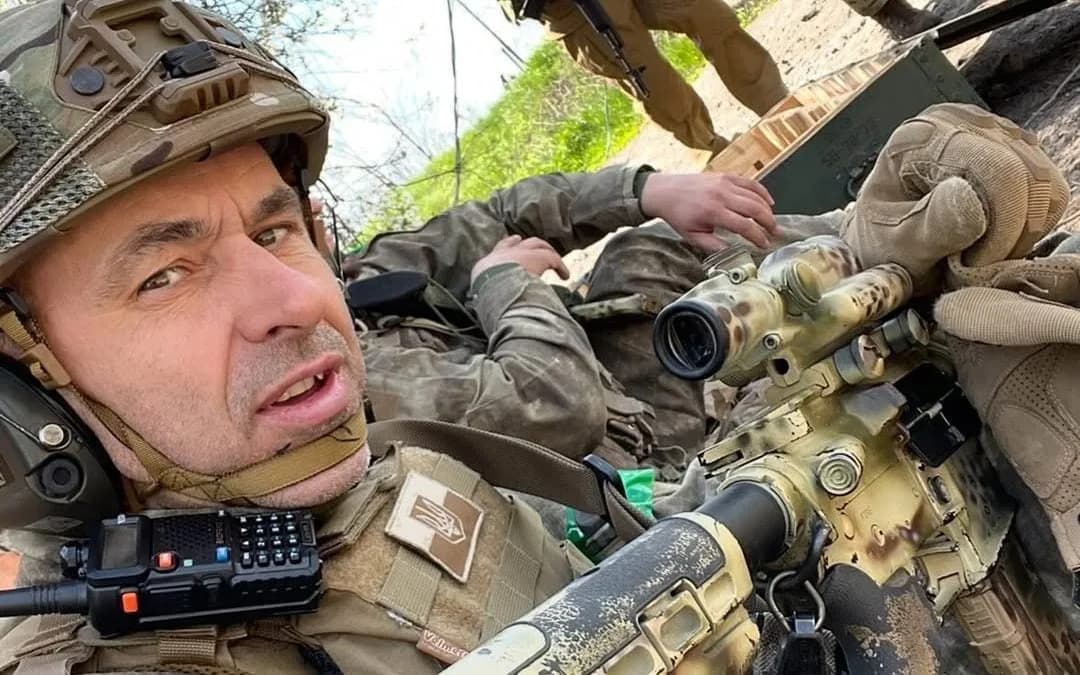
Recruits with Ukraine's 65th Separate Mechanized Brigade take part in military training near the front line in Zaporizhzhia region, Ukraine, on December 29, 2025. - Andriy Andriyenko/Press Service of the 65th Separate Mechanized Brigade of the Ukrainian Armed Forces/Reuters
"A territorial brigade could not withstand the enemy's pressure during the fighting," Syrskyi said, noting the retreat and the security lapse.
Broader Military Implications
The fighting in Huliaipole illustrates a wider dilemma for Kyiv. Across stretches of the roughly 1,000-kilometre front line, Ukrainian forces are sometimes heavily outnumbered and struggle to mobilise replacements to compensate for battlefield losses. Analysts say commanders are forced to make hard choices about where to concentrate scarce troops and resources.
Analyst David Axe noted that a few territorial battalions cannot be expected to hold off a Russian motor-rifle brigade without robust support from adjacent artillery and drone units. Observers also point to problems with unified command and prioritisation in the south; Kyiv diverted several elite units to Huliaipole in mid-December, but observers say those reinforcements were too little, too late to stabilise the town.
As the situation develops, the combination of manpower shortages, command and prioritisation challenges, and the limits of drone warfare in built-up areas could leave additional towns at risk unless reserves, rotations and defensive depth are restored.
Help us improve.