A 9th-century Viking-Age burial in Trøndelag County, Norway, has baffled archaeologists after two scallop shells were found placed over a woman’s mouth. The grave contained typical 800s costume items, including oval brooches and a ring buckle, and bird bones that may be symbolic. Researchers plan DNA analysis, conservation, and radiocarbon dating to learn more and to test for kinship with an earlier nearby burial.
Mysterious Viking-Age Grave in Norway: Scallop Shells Found Over Woman’s Mouth

Strange Viking Age burial with shells covering woman’s mouth leaves archaeologists perplexed
A metal detectorist in Trøndelag County, Norway, has uncovered an unusual Viking-Age grave in which two scallop shells were placed over the mouth of a woman’s skeleton. The rare arrangement, dated to the 9th century, has puzzled archaeologists and sparked fresh interest in Viking burial rites.
Discovery and Context
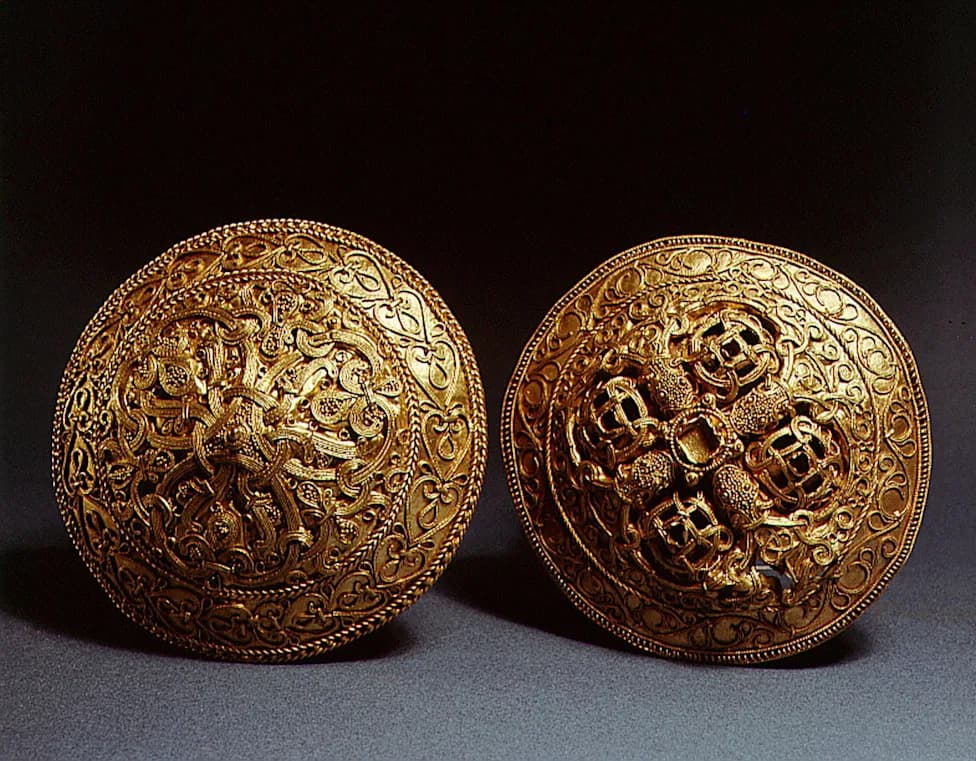
The burial was located after metal detectorist Roy Søreng reported an oval brooch to researchers. Excavation revealed a female skeleton accompanied by a typical Viking-Age costume and jewellery set from the 800s, including two oval brooches used to fasten the straps of a suspender dress and a small ring buckle that closed the neck opening of a petticoat.
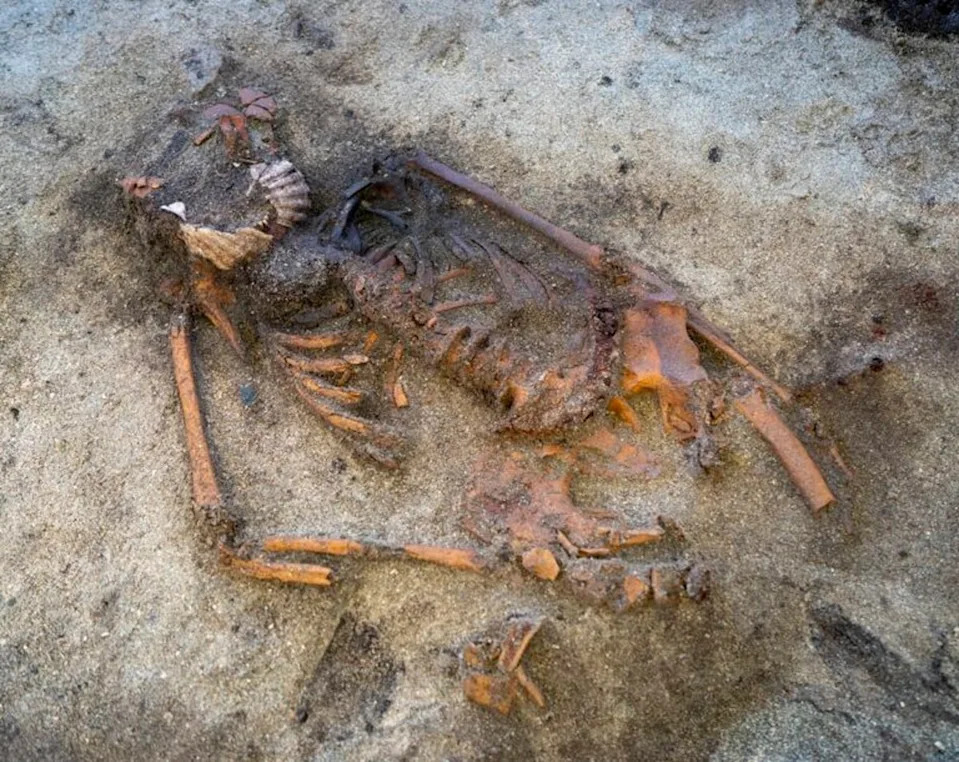
Strange burial of 'married woman' who lived in Bjugn (NTNU University Museum)
The Scallop Shells
Most remarkable were two scallop shells positioned with their curved sides facing outward so that they partially covered the deceased woman’s mouth. Placing shells over a mouth has not previously been documented in any pre-Christian graves in Norway, and researchers say its meaning is currently unknown.
Other Finds And Interpretations
Excavators also recovered bird bones, likely wing fragments, which along with the jewellery may have carried symbolic messages for those who attended the burial. Based on the costume and grave goods, archaeologists believe the woman was a free and probably married individual, possibly the mistress of the farm where the grave was located.
Next Steps
The team plans DNA analysis, conservation of the objects, and additional sampling for radiocarbon dating. A previous excavation nearby uncovered another skeleton estimated to be two to three generations older; researchers hope genetic and dating work will clarify whether the two burials were related and what the scallop shells might signify in a pre-Christian context.
Raymond Sauvage, of the Norwegian University of Science and Technology, said the find is unusual and that more laboratory work is needed before firm conclusions can be drawn.
Help us improve.