Israeli forces demolished a four-storey residential building in Silwan, east Jerusalem, early Monday, displacing about 100 Palestinians who lived in roughly a dozen apartments. Residents said doors were forced open overnight and they were given only minutes to collect essentials. Local NGOs called it the largest demolition in 2025 and accused authorities of a policy that hinders Palestinian building permits and facilitates displacement. The Jerusalem municipality cited a 2014 court order and zoning restrictions; critics say reclassification and permit barriers enable settler expansion.
Bulldozers Demolish Four-Storey Building In Silwan, Displacing Around 100 Palestinians

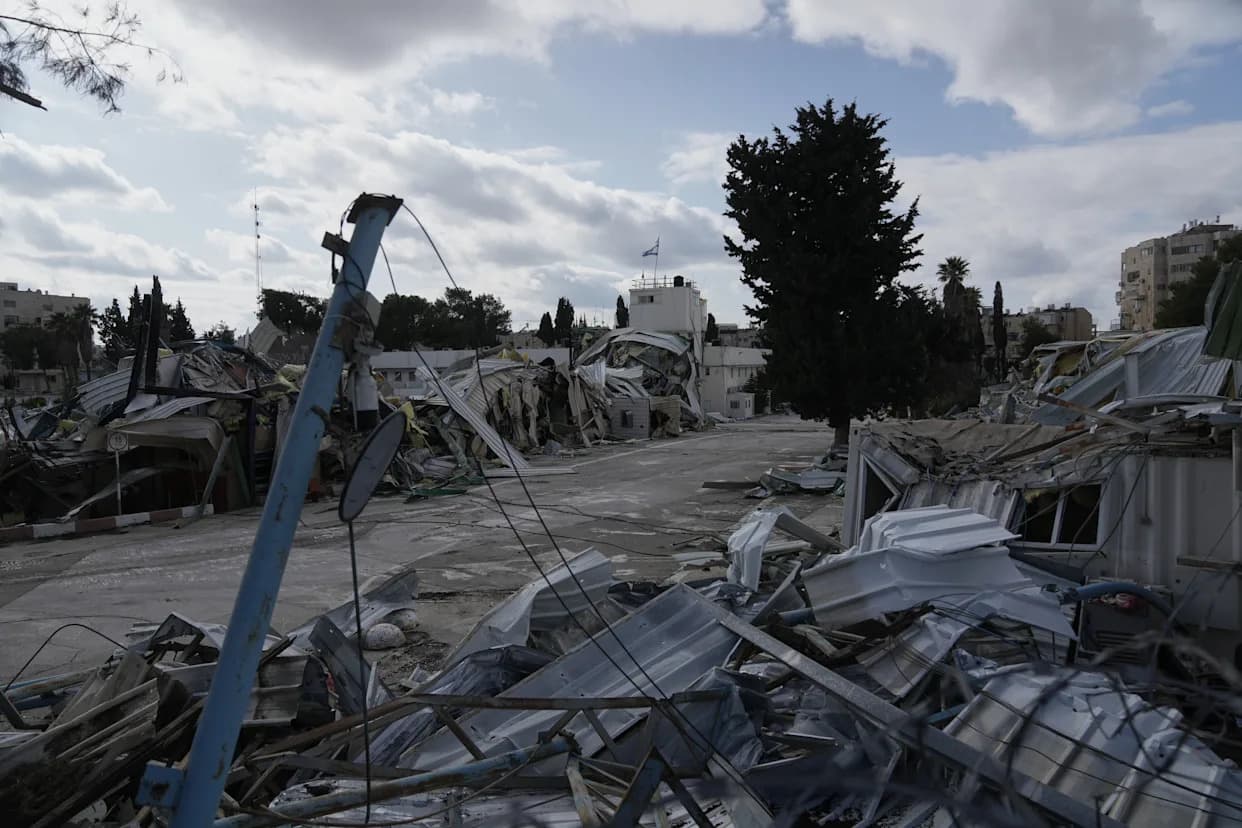
A residential building is demolished in east Jerusalem, where Israeli officials say they are targeting what they describe as unauthorised construction (AHMAD GHARABLI)(AHMAD GHARABLI/AFP/AFP)
Israeli authorities demolished a four-storey residential building in the Silwan neighbourhood of east Jerusalem early on Monday, leaving about 100 Palestinian residents suddenly homeless, witnesses and activists said.
The structure contained roughly a dozen apartments housing many women, children and elderly people. Residents described waking to the sound of doors being forced open and said they were given only minutes to take essential documents and a change of clothes before the eviction.
"They broke down the door while we were asleep and told us we could only change our clothes and take essential papers and documents," Eid Shawar, a father of five who lived in one of the apartments, told AFP.
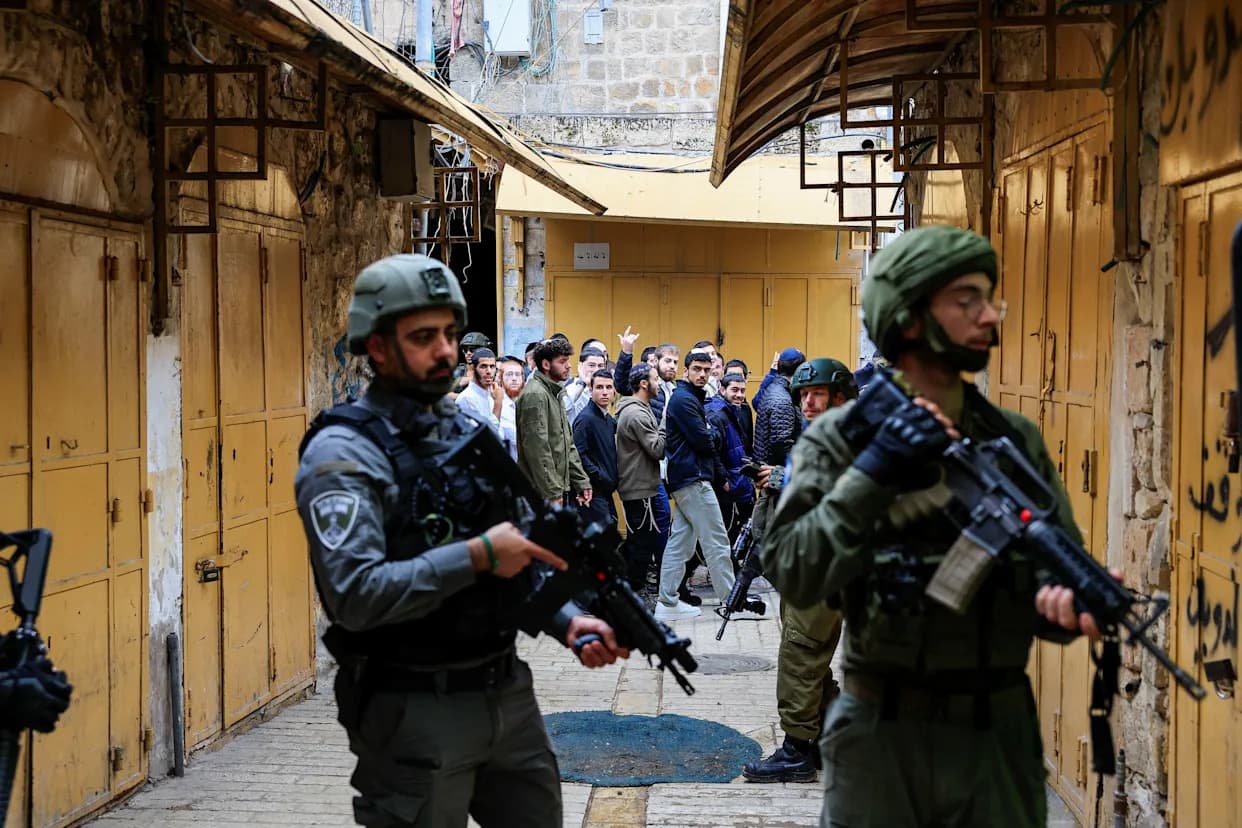
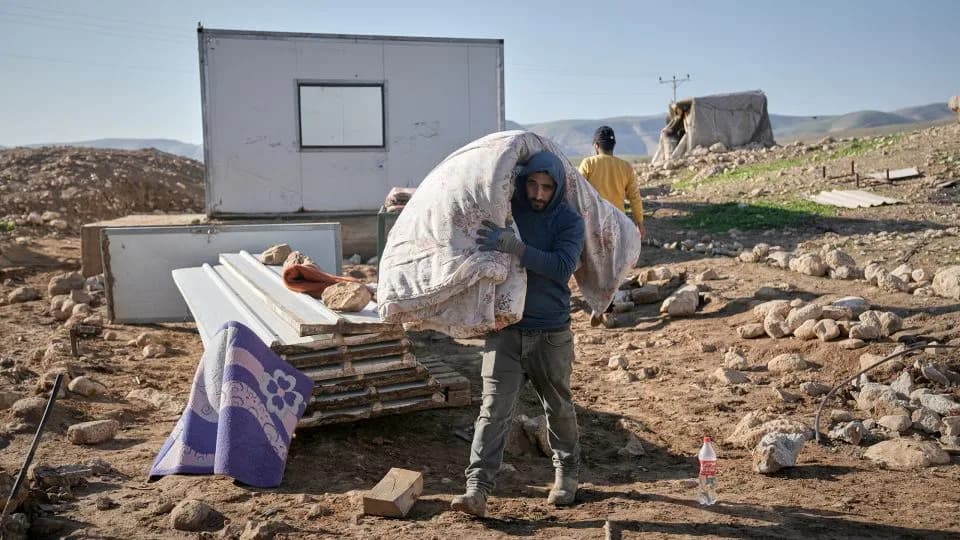
Three bulldozers razed much of the building before midday as police blocked surrounding roads and security forces positioned on nearby rooftops, an AFP reporter at the scene said. Personal belongings were left scattered on nearby streets; some displaced residents said they had nowhere to go and expected to sleep in vehicles.
Local activist groups Ir Amin and Bimkom called the Silwan demolition the largest carried out so far in 2025, saying that around 100 east Jerusalem families have lost their homes. The Jerusalem governorate, aligned with the Palestinian Authority, condemned the action as part of what it described as a systematic policy aimed at displacing Palestinian residents.
The Jerusalem municipality defended the demolition, telling AFP it was based on a 2014 court order and noting that the land was zoned for leisure and sports uses rather than residential development. "For a long period, the residents were granted extensions for the execution of the order and were offered various options in order to find a solution, but they declined to do so," the municipality said.
Activists and Palestinian officials argue that Palestinians face significant obstacles to obtaining building permits under Israeli planning policies, and frequently accuse authorities of reclassifying areas as parks or open space to facilitate settler expansion. Ir Amin and Bimkom said the demolition took place without prior notice, despite a meeting having been scheduled to discuss possible steps toward legalising the structure.
"You had children and even sick people like my brother, who is a cancer patient, living in the building. All this is very painful," Ashraf Sqafi, who watched the demolition, told AFP.
The demolition comes days after Israel approved the establishment of 19 new settlements in the occupied West Bank — a move critics say is part of a rapid expansion considered illegal under international law. The status of east Jerusalem remains one of the most contentious issues in the Israeli-Palestinian conflict: Israel regards the area as part of its capital, while Palestinians seek it as the capital of a future state. The UN does not recognise Israel's annexation of east Jerusalem.
Reports indicate tensions in the city have been heightened since the October 7, 2023 attack by Hamas and the subsequent war in Gaza, and demolitions in Palestinian neighbourhoods remain a flashpoint for local and international concern.
Help us improve.