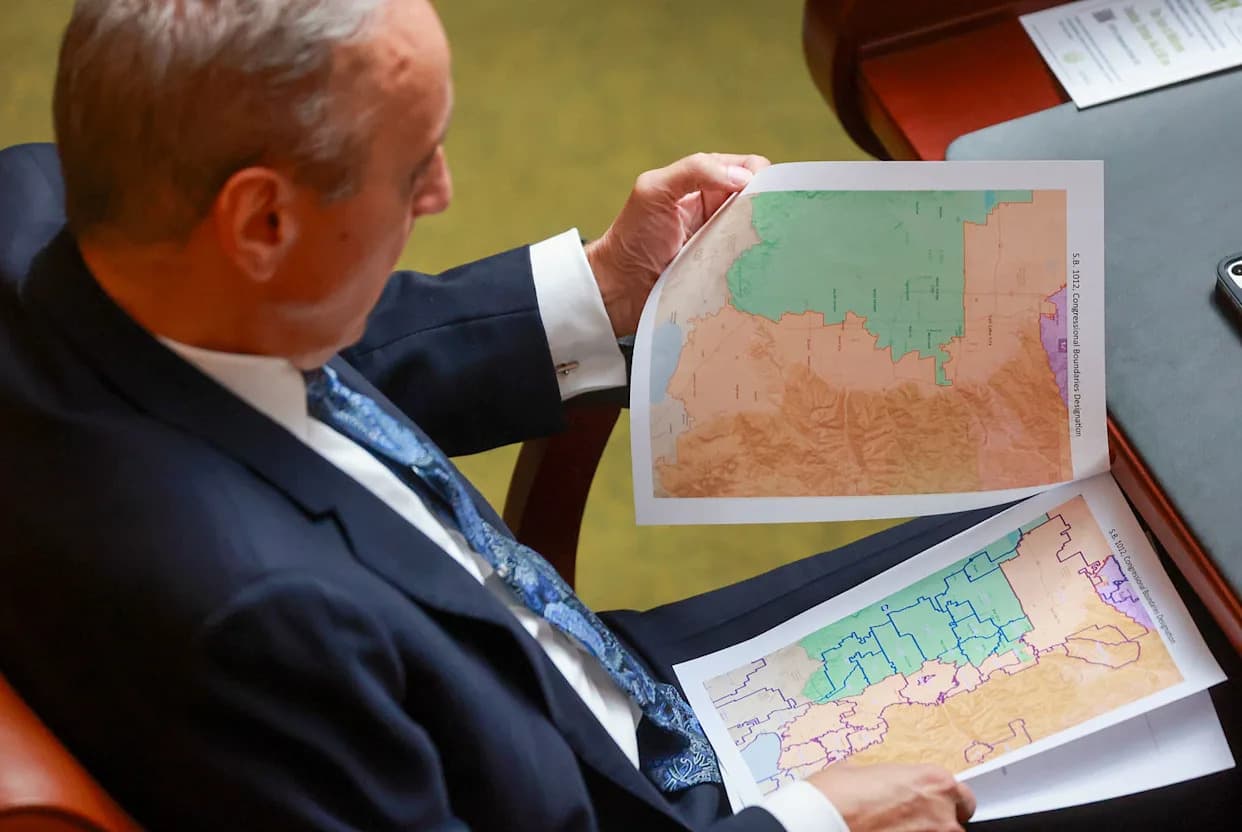
The fate of Missouri’s new congressional map for the 2026 elections is before a court after an ACLU-backed lawsuit seeks to suspend the map while officials verify a referendum petition with more than 300,000 signatures. Attorney General Catherine Hanaway says the map remains in effect until the secretary of state certifies the signatures. Local officials must finish verification by July 28; Missouri’s candidate filing period is Feb. 24–Mar. 31 and the primary is Aug. 4. The dispute ties into a larger, contested mid‑decade redistricting effort that could shift several U.S. House seats.
Missouri Voters Sue to Halt New Congressional Map Pending Signature Review — Court to Decide Impact on 2026 Races

The fate of Missouri's newly drawn congressional map for the 2026 elections is now before a court after voters filed a lawsuit seeking to suspend the map while a referendum petition is reviewed.
What the Lawsuit Says
A lawsuit filed Tuesday by the American Civil Liberties Union on behalf of two Kansas City–area voters argues the map backed by former President Donald Trump should have been automatically suspended when opponents turned in more than 300,000 petition signatures seeking a statewide referendum.
The State’s Position
Republican Attorney General Catherine Hanaway counters that the new districts already took effect and will remain in place for candidate filings unless and until Republican Secretary of State Denny Hoskins verifies the signatures are sufficient and formally certifies the petition. Hanaway’s office warned that treating a petition’s mere submission as an immediate suspension would allow parties to freeze laws by dropping off unverified signature batches.
Key Deadlines And Process
Under Missouri’s constitution, citizens can seek a referendum to overturn a law by submitting roughly 110,000 valid signatures that meet minimum thresholds in at least two-thirds of the state’s congressional districts. If that threshold is met, the law is placed on hold until the next November election.
Local election officials have until July 28 to complete signature verification, and Secretary of State Hoskins could make a final determination after that date. Missouri’s candidate filing period runs from Feb. 24 to March 31, and the state’s primary is scheduled for Aug. 4.
Broader Stakes
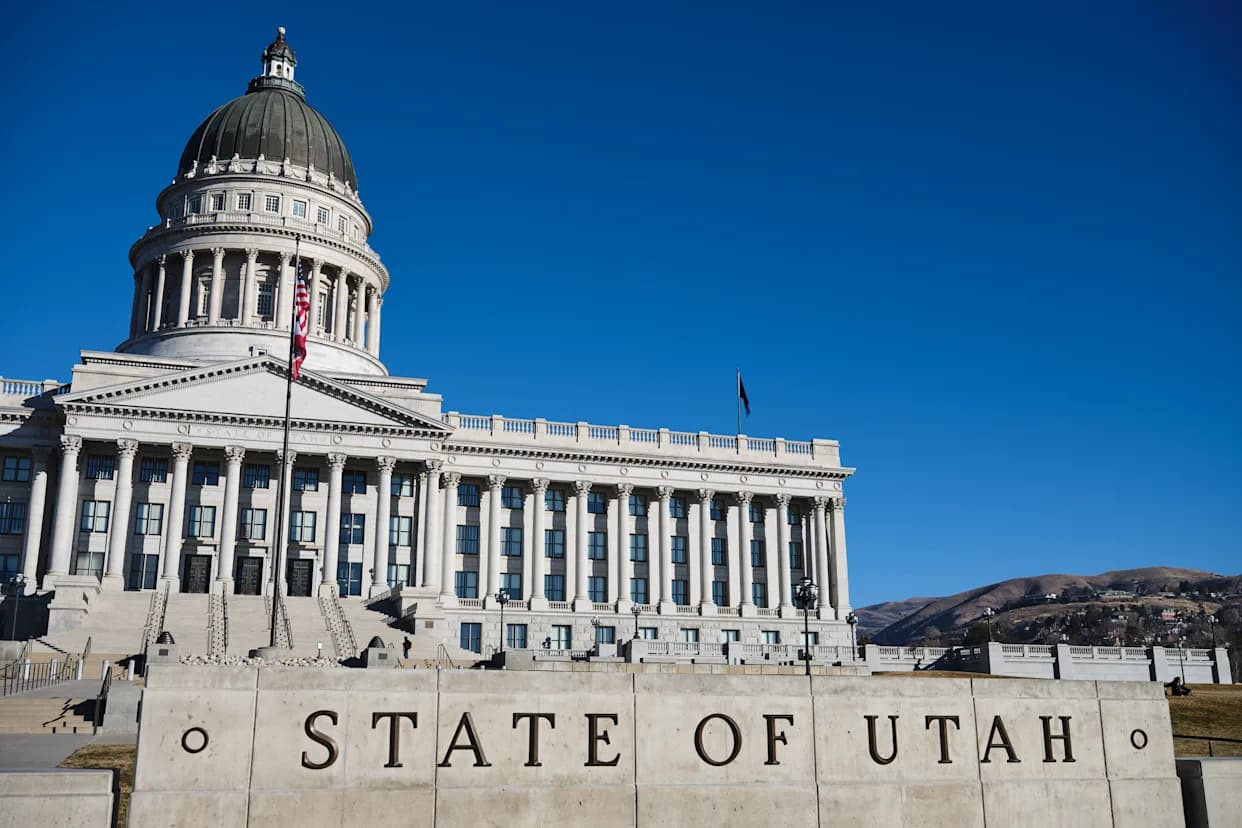
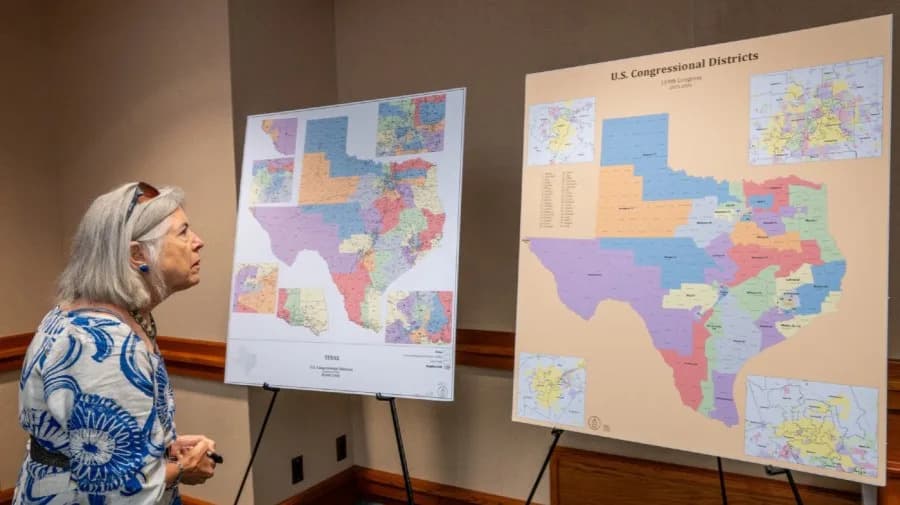
The dispute is part of a wider, unusual wave of mid‑decade redistricting in Republican-led states. So far, the changes have produced maps Republicans say give them about nine additional potentially winnable House seats across Texas, Missouri, North Carolina and Ohio, while Democrats see six potential gains in places such as California and Utah — a net projected advantage of roughly three seats for Republicans. Many of those maps are being litigated, and there are no guarantees the parties will ultimately win the projected seats even if the maps stand for 2026.
Legal Context And Ongoing Litigation
The latest filing is one of at least nine lawsuits challenging Missouri’s new congressional map. Other suits argue that mid‑decade redistricting violates the state constitution and question whether Republican Gov. Mike Kehoe lawfully called a special session to adopt the map.
“This is a transparent ploy to force the use of HB1’s new congressional map by delaying certification of the referendum’s signatures … until it is too late to change the congressional map for the 2026 midterms,” the complaint states.
The court’s decision will determine whether the map governs candidate filings for 2026 or whether the map will be paused pending a referendum decision. The case is likely to have implications for how other states handle referendum petitions and the timing of redistricting changes ahead of federal elections.
Help us improve.