Defending Education has launched a searchable database listing more than 700 K–12 districts across 33 states and Washington, D.C. that have adopted policies limiting cooperation with ICE. The registry links to resolutions and policy documents where available so parents can read the exact language. Erika Sanzi of Defending Education warned against districts declaring themselves sanctuaries, and the release arrives amid student protests and broader debates about local roles in immigration enforcement.
New Database Lists 700+ U.S. School Districts That Limit Cooperation With ICE — What Parents Should Know
New watchdog database names hundreds of school districts limiting ICE cooperation as tool for parents
A national education watchdog has published a searchable database intended to give parents clearer information about how local school districts respond to federal immigration enforcement. Compiled by Defending Education, the registry documents K–12 districts that have adopted policies described as "sanctuary," "safe haven," or otherwise immigration-related, and that limit cooperation with U.S. Immigration and Customs Enforcement (ICE).
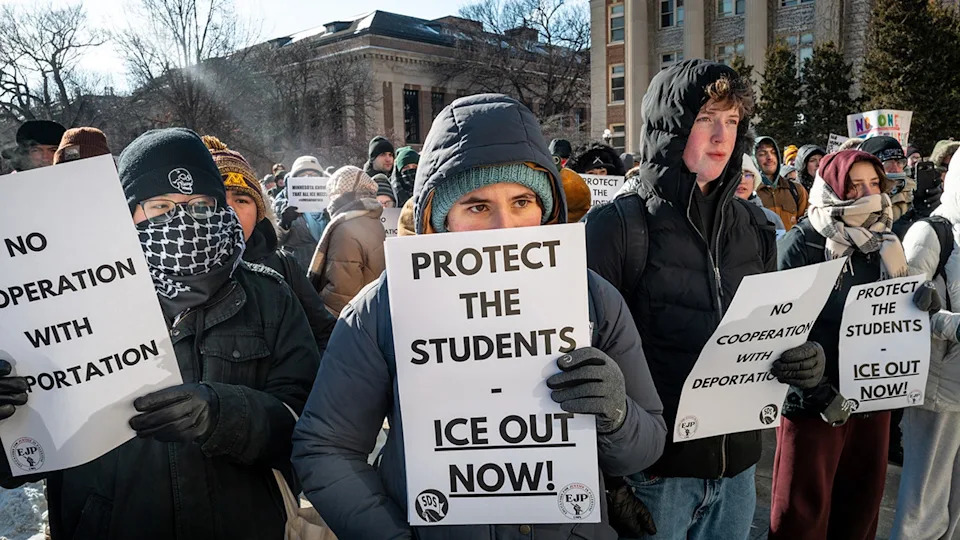
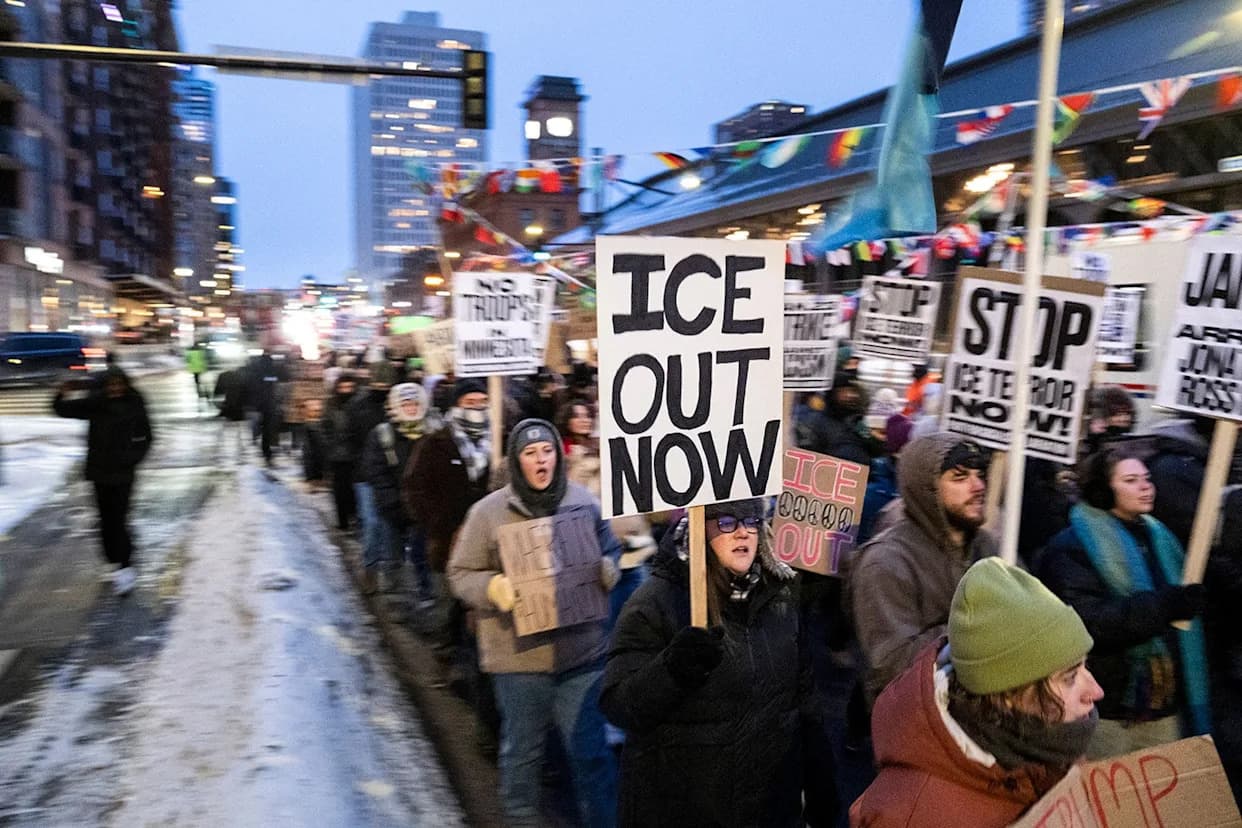
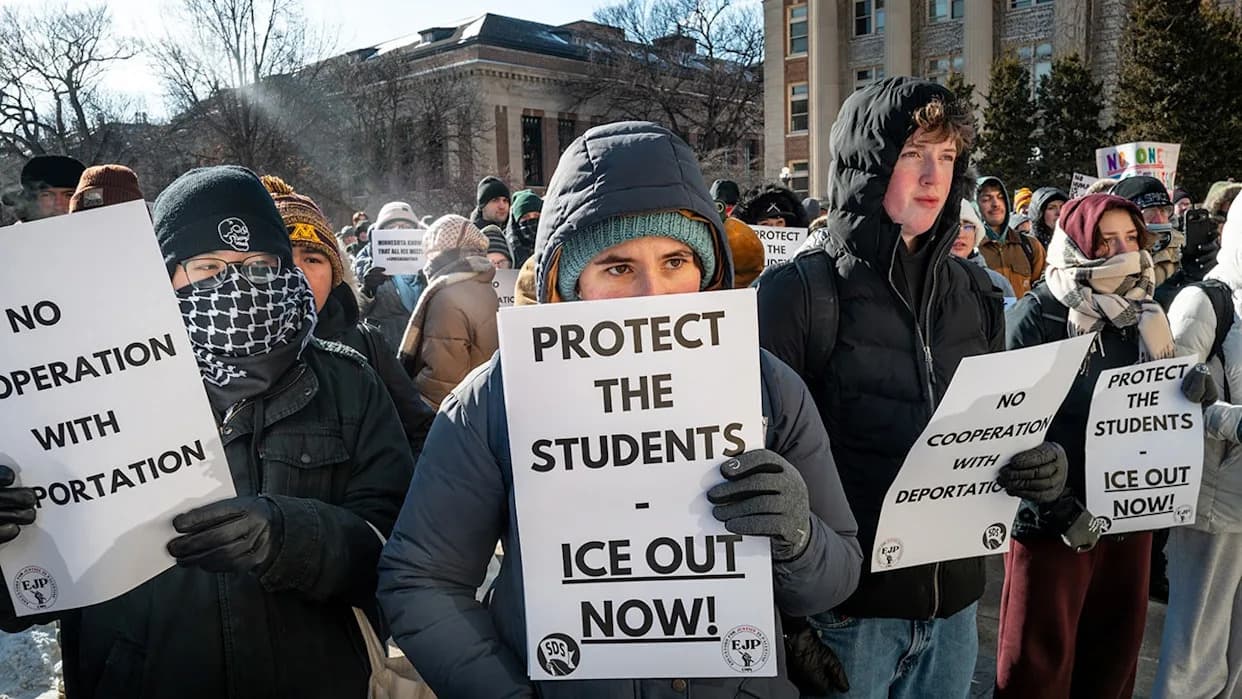
Students protest against ICE during a walkout at the University of Minnesota on Jan. 26, 2026, in Minneapolis, Minnesota.(Getty Images)
What the Database Shows
Defending Education says the list will be updated continuously and currently covers more than 700 school districts across 33 states and Washington, D.C. Entries include districts that have approved formal resolutions, issued staff guidance, or adopted written policies describing how school employees should respond if federal immigration agents seek access to campuses.

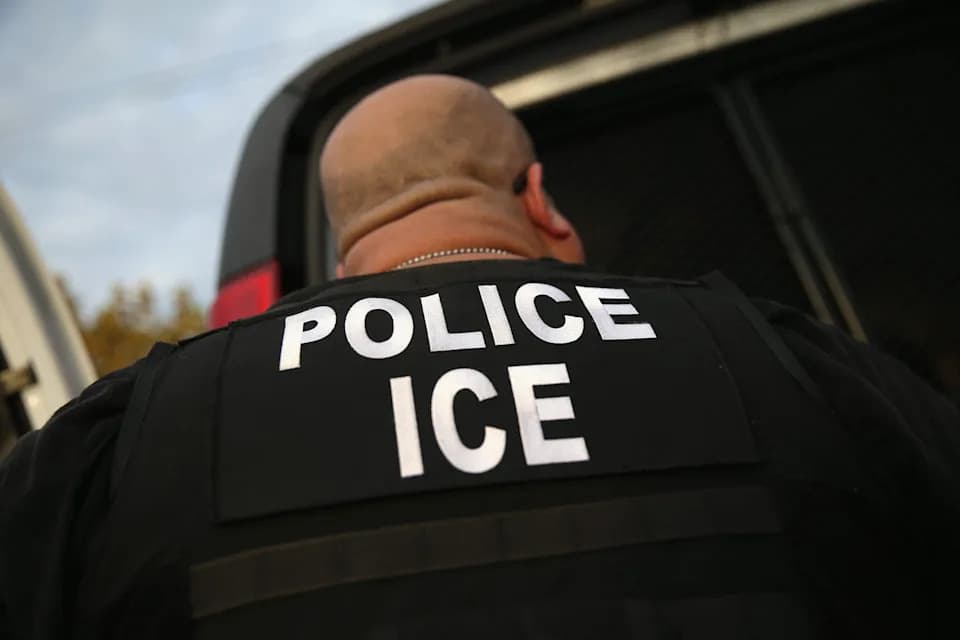
An ICE agent seen standing in front of a house in a residential area.
Why Defending Education Released the List
"When school districts choose to resist or impede federal law enforcement, they are playing a dangerous game," Erika Sanzi, senior director of communications at Defending Education, told Fox News Digital. She added that while schools face difficult choices when families fear immigration enforcement, districts should not declare themselves sanctuaries or safe havens from federal authorities—especially if such policies could, knowingly or unknowingly, shield violent relatives of students from deportation.
How Parents Can Use It
The database allows parents to search by state and by district and, where available, links directly to the underlying resolutions or policy documents so families can read the exact language rather than relying solely on district summaries or public statements. This transparency lets parents evaluate the scope and wording of each district's measures.
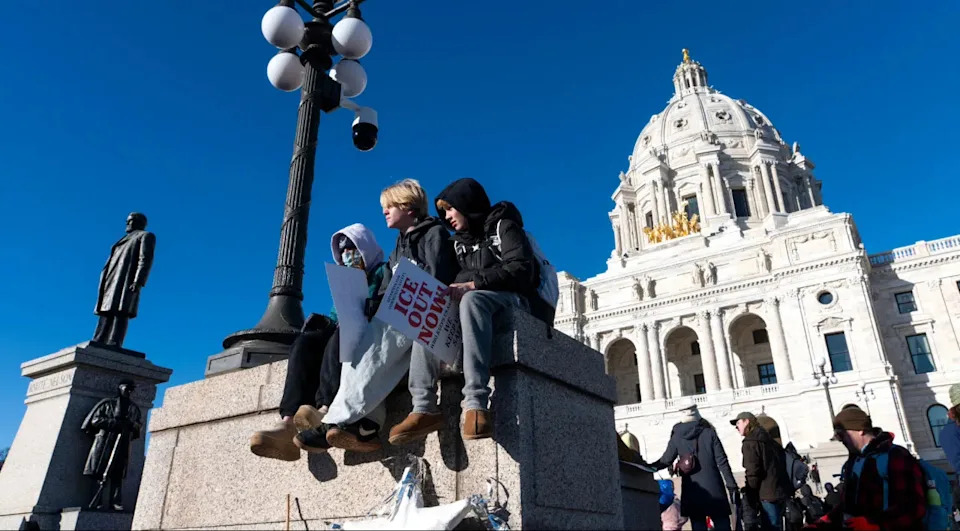
Students gather and listen to speakers during a school walkout to protest federal immigration enforcement at the State Capitol building on Jan. 14, 2026, in St. Paul, Minnesota.
Context And Reaction
Districts listed range from those in deep-blue states and cities such as California and Illinois to districts in traditionally conservative parts of Texas and Arizona. The rollout comes amid a broader national debate about immigration enforcement and the role of local institutions, with schools increasingly drawn into arguments over border security, public safety and federal authority.
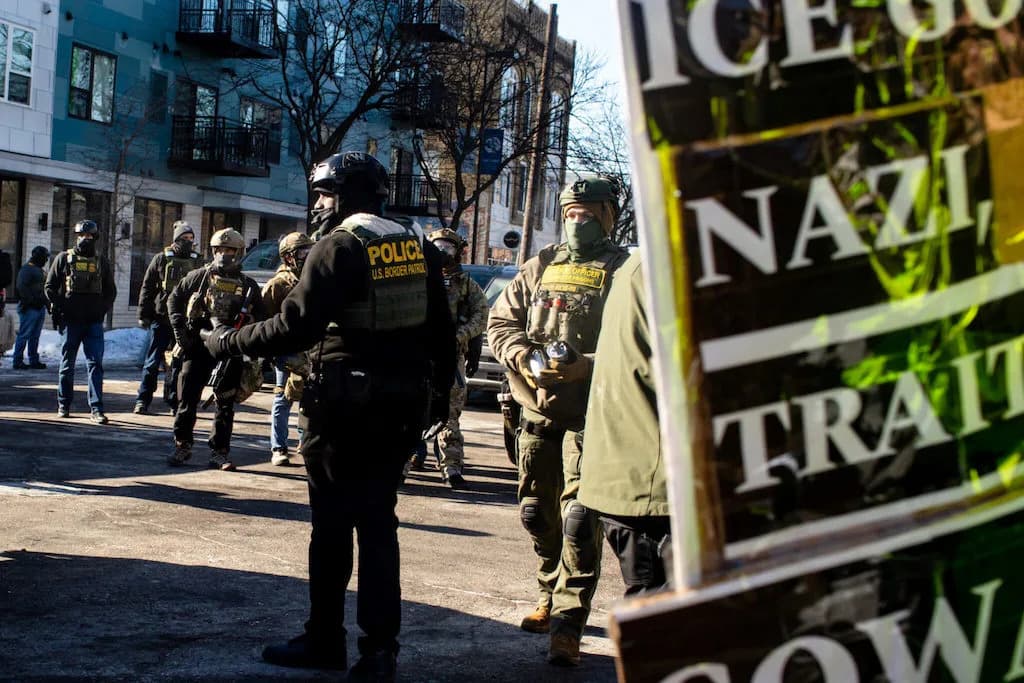
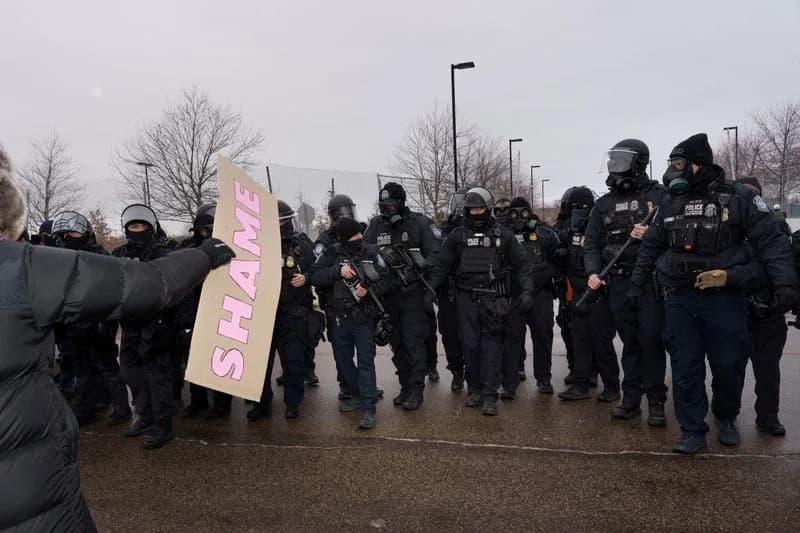
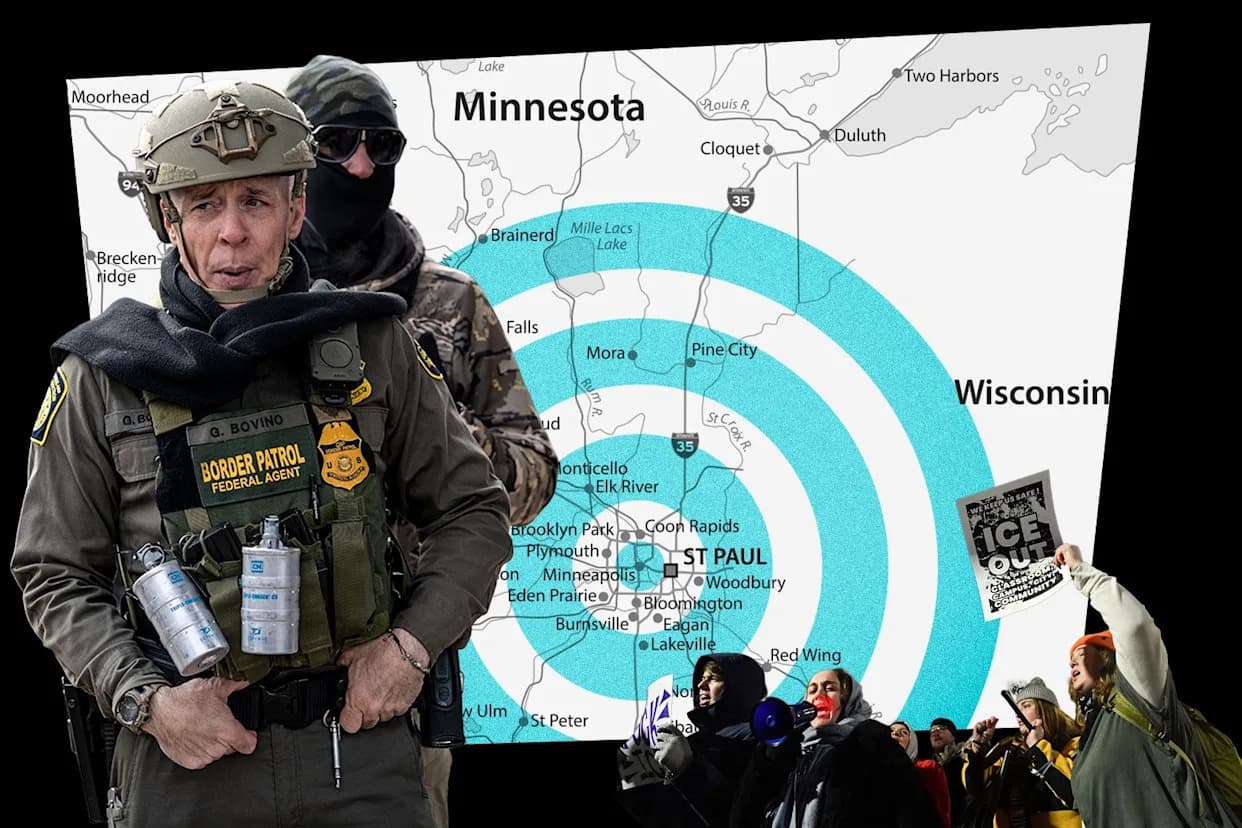
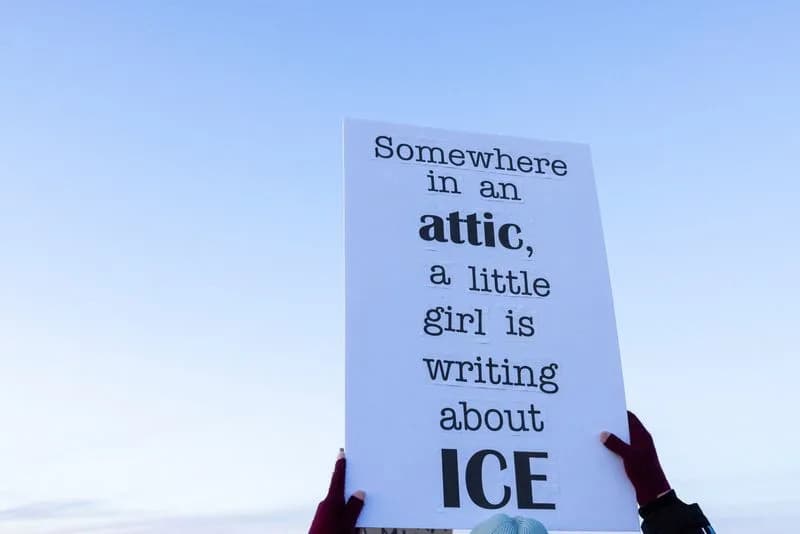
Students across the country have taken part in anti-ICE demonstrations in recent weeks. For example, hundreds of students reportedly walked out of classes in Phoenix as part of a planned protest, and protests in Minnesota have coincided with school closures cited as "safety concerns" around ICE operations.
Bottom line: Defending Education's tool aims to make district policies more accessible to families who want to understand how their local schools interact with federal immigration authorities. The registry provides primary-source links where possible and will be updated as new policies are adopted or changed.
Help us improve.