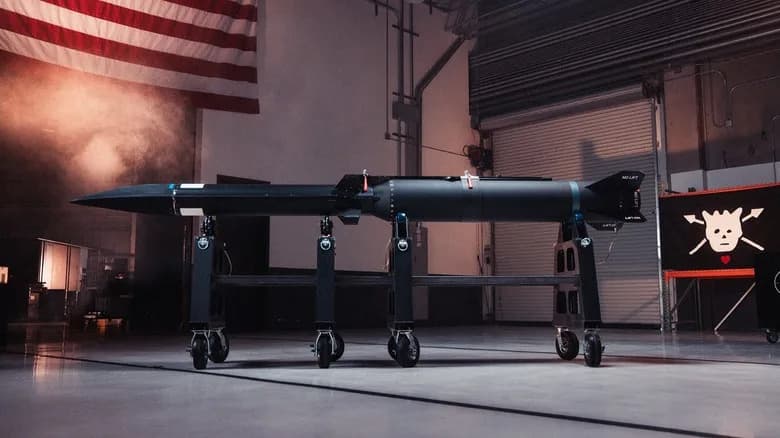
Japan has installed a 100 kW combined fiber‑laser on the JS Asuka, formed by pairing ten 10 kW modules to produce a beam capable of disabling small drones and burning metal. The unit, delivered in two 40‑foot domes, will begin sea trials after Feb. 27, 2026, to test performance in maritime conditions. Ground tests reportedly succeeded against mortar rounds and UAVs, but developers warn power, cooling and efficiency limits mean operational deployment remains years away.
Japan Tests 100 kW Shipboard Laser On JS Asuka — Can Burn Through Metal And Down Drones

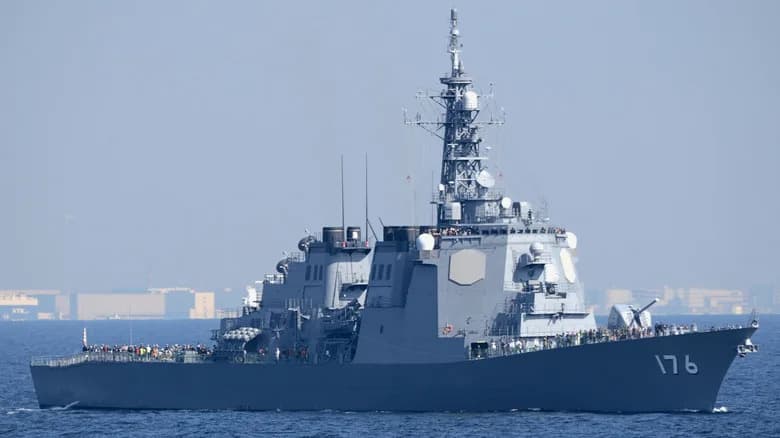
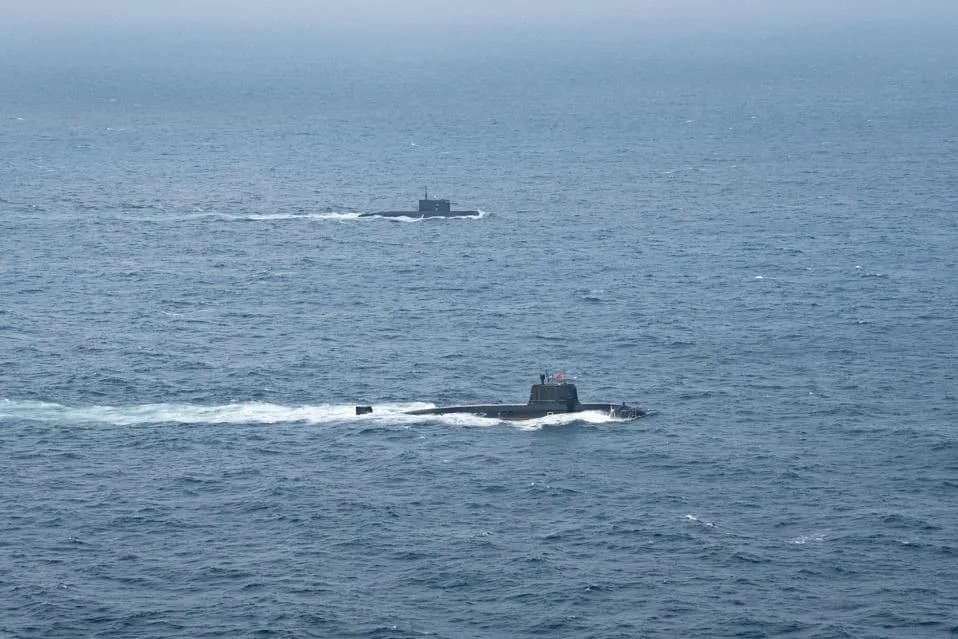
Japan now joins four other nations confirmed to be developing a directed‑energy weapon. . | Credit: Japan Ministry of Defense/Wikimedia Commons
Japan has installed a shipboard directed‑energy weapon that generates a combined 100‑kilowatt beam — powerful, officials say, enough to disable small unmanned aerial vehicles and to burn through metal surfaces. The fiber‑laser unit was fitted to the JS Asuka, a 6,200‑ton (≈6.3 million kg) test vessel, and arrived packaged in two domed 40‑foot (12 m) modules.
What Was Installed
The system merges ten 10 kW fiber‑laser modules into a single concentrated beam. As a fiber laser, it amplifies light within a solid‑state optical fiber doped with rare‑earth elements and then focuses that light to deliver a destructive, directed‑energy effect. Engineers designed the system to counter light airborne threats such as small drones and mortar rounds.
Official Timeline And Tests
Japan’s Acquisition, Technology and Logistics Agency (ATLA) confirmed on Dec. 2 that the system was installed at a Japan Marine United shipyard and will be put to sea for initial maritime trials. Monitoring accounts report those trials are scheduled to begin after Feb. 27, 2026. Kawasaki Heavy Industries delivered a prototype to ATLA in February 2023, and development of the program dates back to 2018.
ATLA: Provided sufficient electrical power, the system can engage targets repeatedly without expending conventional ammunition — its magazine is effectively unlimited, the only practical constraint is available electricity.
Technical Strengths
Ground tests earlier this year reportedly demonstrated success against mortar rounds and unmanned aerial vehicles. Developers highlight the low marginal cost per shot compared with conventional interceptors and the ability to sustain engagements as long as power and cooling are available.
Key Challenges
Despite progress, several technical and operational hurdles remain:
- High Electrical Demand: Fiber lasers typically operate at ~25–35% efficiency, so the required input power is large relative to output.
- Cooling And Recharge: Directed‑energy systems require substantial cooling and may need time between sustained firings to manage heat.
- Maritime Conditions: Sea trials must validate performance while compensating for wind, humidity, atmospheric scattering and maintaining aim on a pitching deck.
International Context And Next Steps
ATLA says operational deployment is still years away, but the sea trials will help assess whether larger lasers could eventually counter faster, higher‑energy threats such as missiles. Japan now joins the U.S., France, Germany and the U.K. among countries publicly known to be developing shipboard directed‑energy weapons; China is also suspected of testing similar systems. Separately, only Aegis‑equipped vessels are publicly scheduled to receive sea‑based lasers in Japan after 2032, and other projects such as the U.K.'s DragonFire and various microwave directed‑energy claims have been reported internationally.
These trials mark an important step in bringing practical directed‑energy systems to naval operations, but widespread operational use will depend on solving power, efficiency and environmental‑compensation challenges.
Help us improve.