Fighting in Jonglei State has forced humanitarian groups to suspend services and led the government to halt humanitarian flights, leaving medical evacuations stalled and food aid at risk. MSF says at least 23 critically ill patients urgently need evacuation, while the WFP warns nearly 60% of the state could face crisis-level hunger during the rainy season. More than 230,000 people have been displaced since December, and inflammatory military rhetoric has raised fears of mass violence as the 2018 peace deal comes under strain ahead of December's elections.
Humanitarian Alarm in Jonglei: Restricted Access and Suspended Flights Put Thousands at Risk
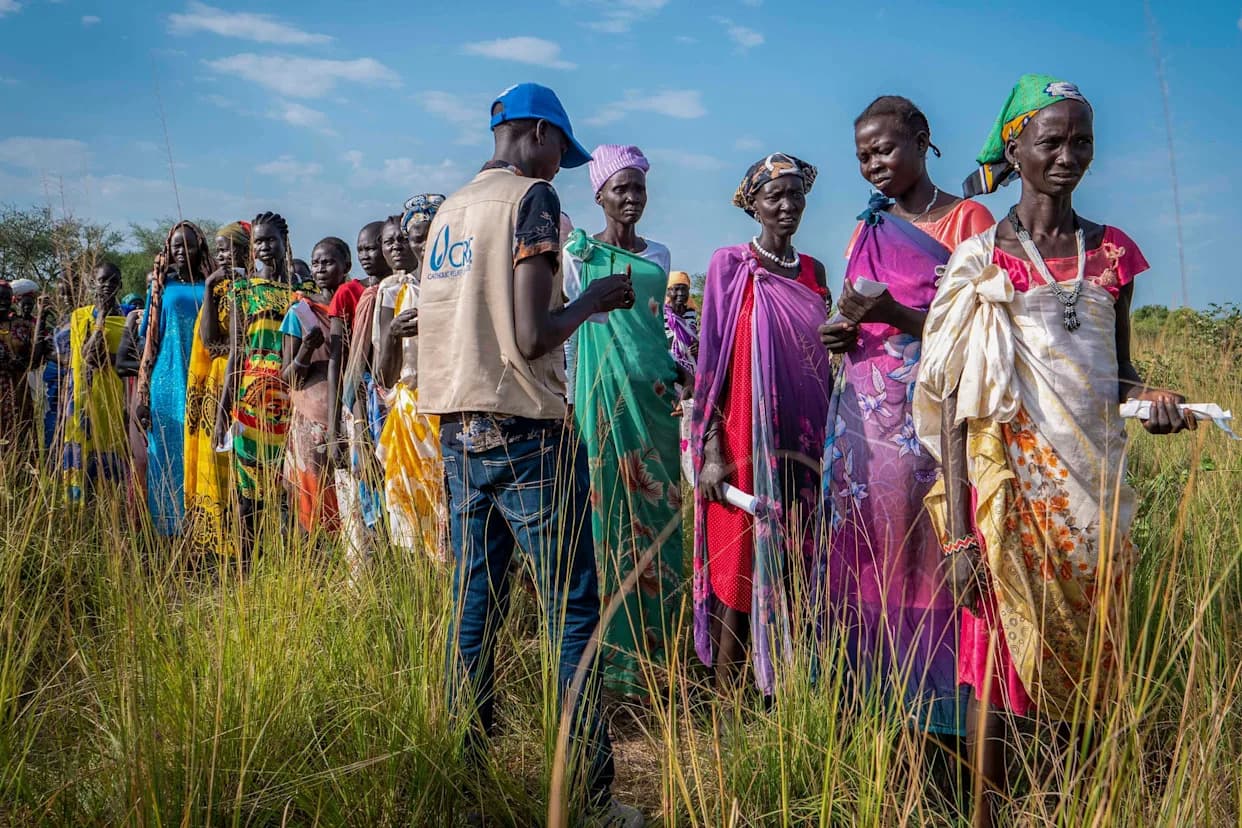
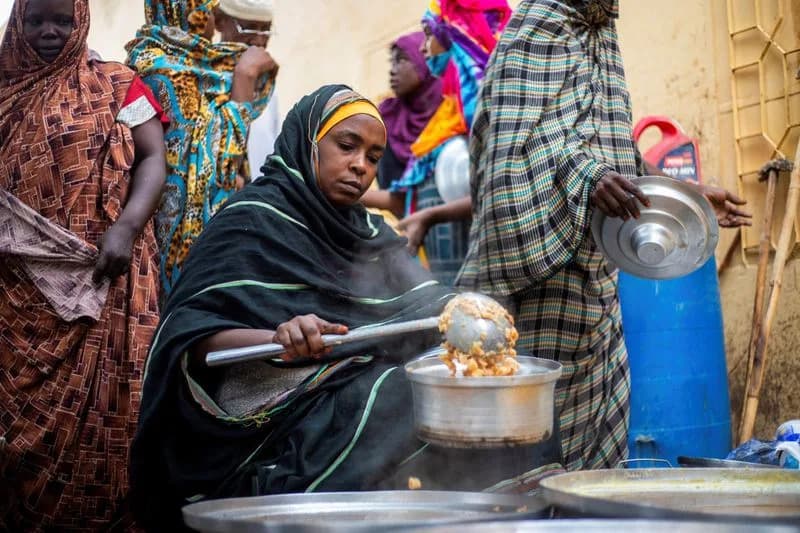
FILE - South Sudanese women line up for food rations at a World Food Programme (WFP) distribution point organized by Catholic Relief Services in Jonglei state, South Sudan, Wednesday, Nov. 13, 2024. (AP Photo/Florence Miettaux, File)(ASSOCIATED PRESS)
JUBA, South Sudan — Humanitarian organizations warn that restricted access to the conflict-hit eastern state of Jonglei has left thousands dependent on lifesaving medical care and food assistance at grave risk, as rising violence forces aid suspensions and displacements increase.
Access and Services Suspended
The International Rescue Committee's country director in South Sudan, Richard Orengo, said intensified fighting and the militarization of strategic areas have compelled aid groups to suspend services across parts of Jonglei. Medical charity Médecins Sans Frontières (MSF) reported that the government has halted all humanitarian flights, cutting off delivery of medical supplies, staff rotations and emergency evacuations. MSF says at least 23 critically ill patients — including children and pregnant women — urgently require evacuation.
Food Security Threatened
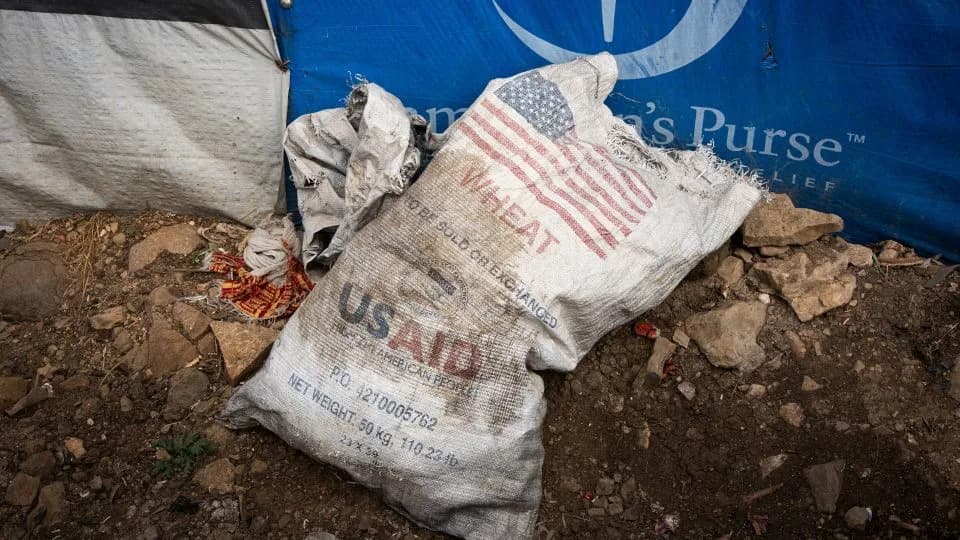
The World Food Programme (WFP) has warned that escalating violence threatens food assistance for hundreds of thousands. Nearly 60% of Jonglei's population is expected to face crisis-level hunger during the upcoming rainy season, when heavy rains normally sever roads and make late deliveries impossible. Aid groups emphasize that the inability to pre-position food before the rains could trigger a large-scale emergency.
Civilian Toll and Displacement
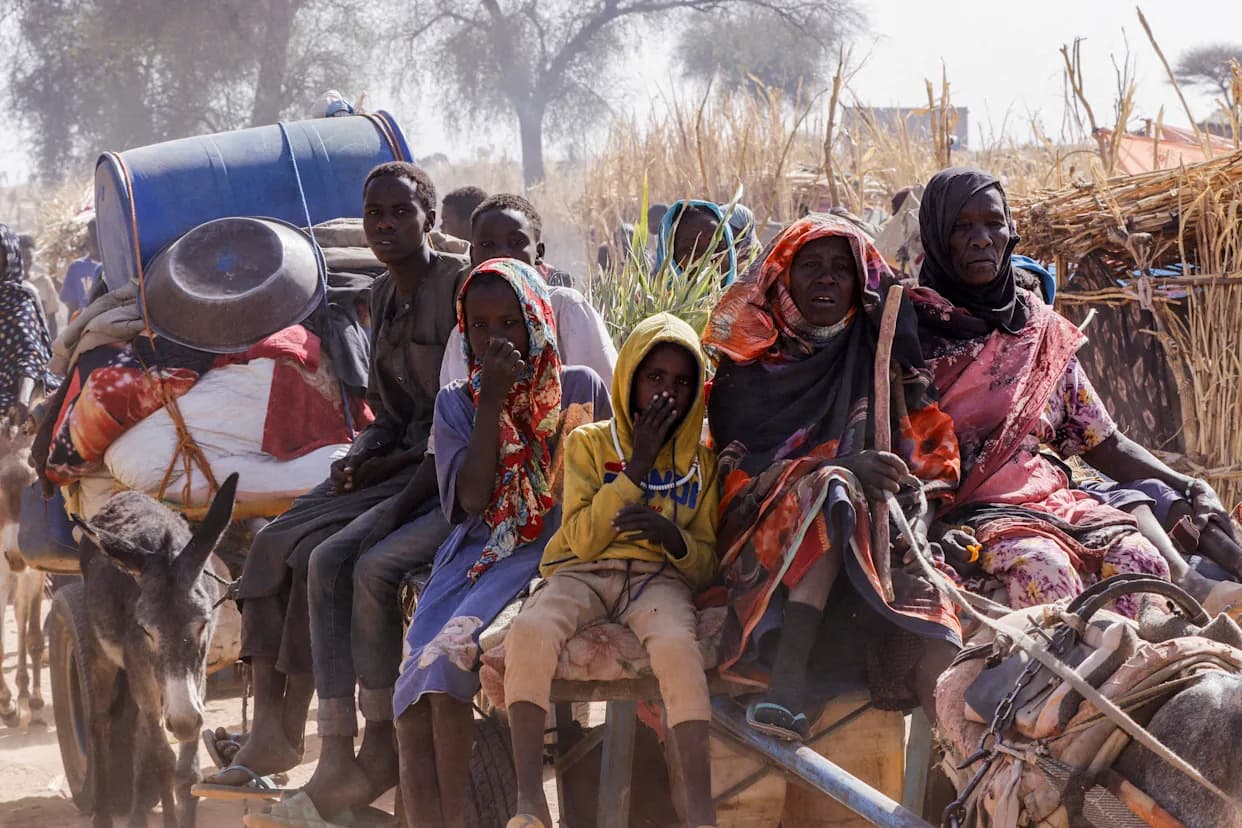
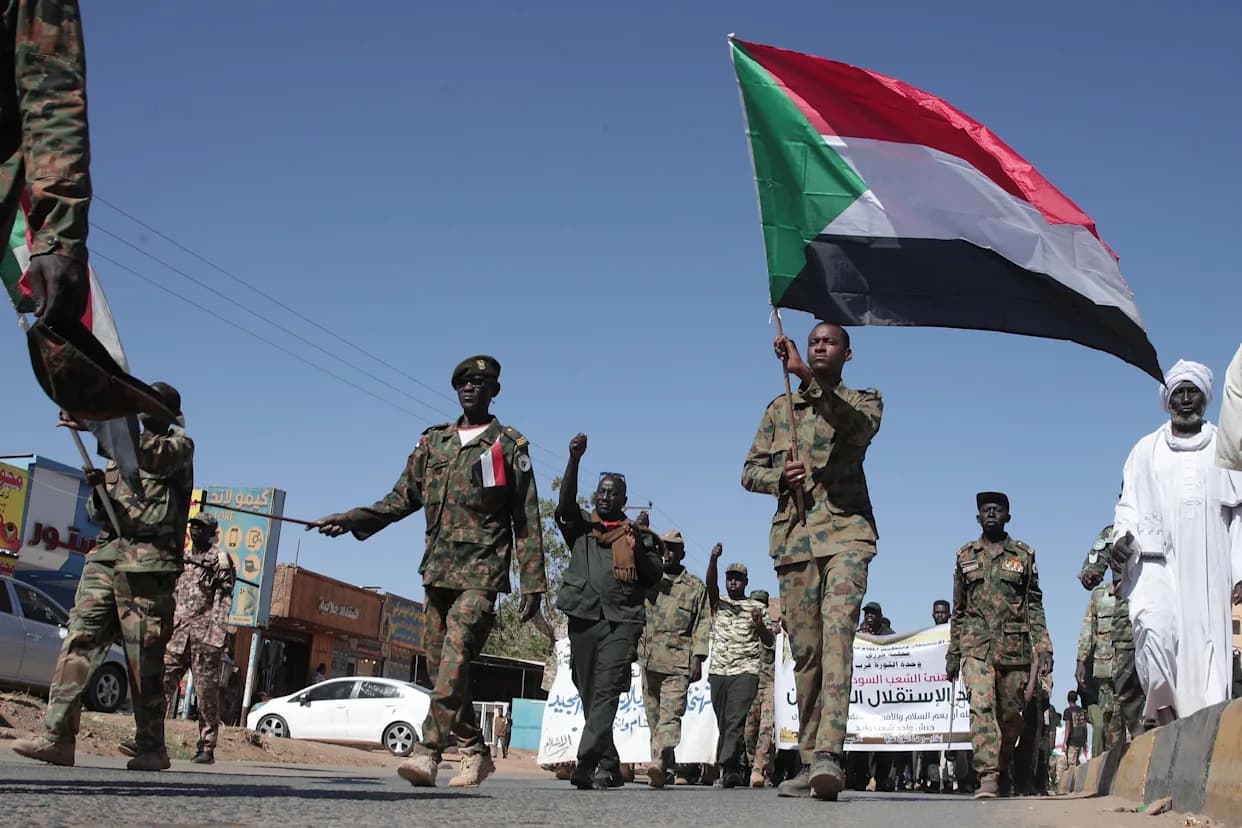
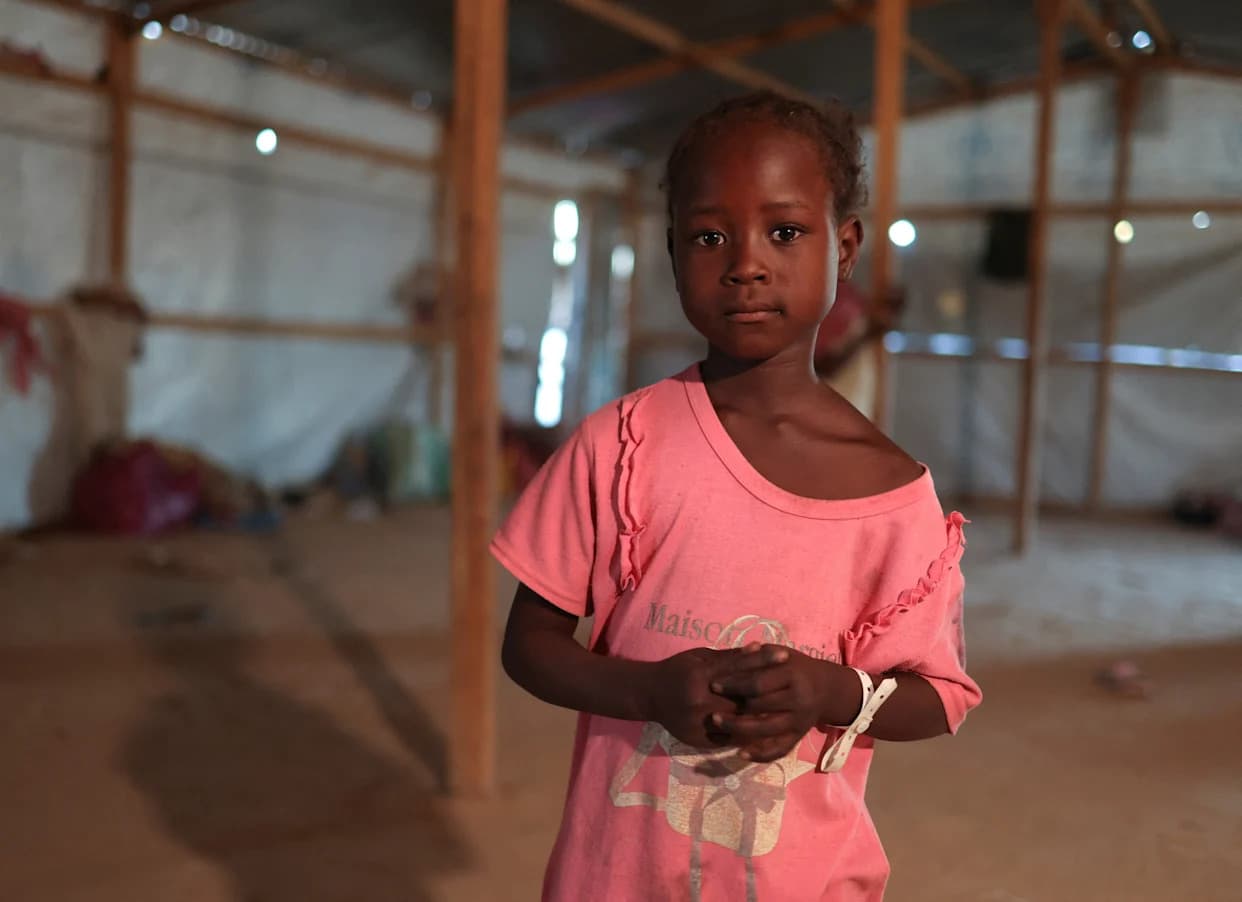
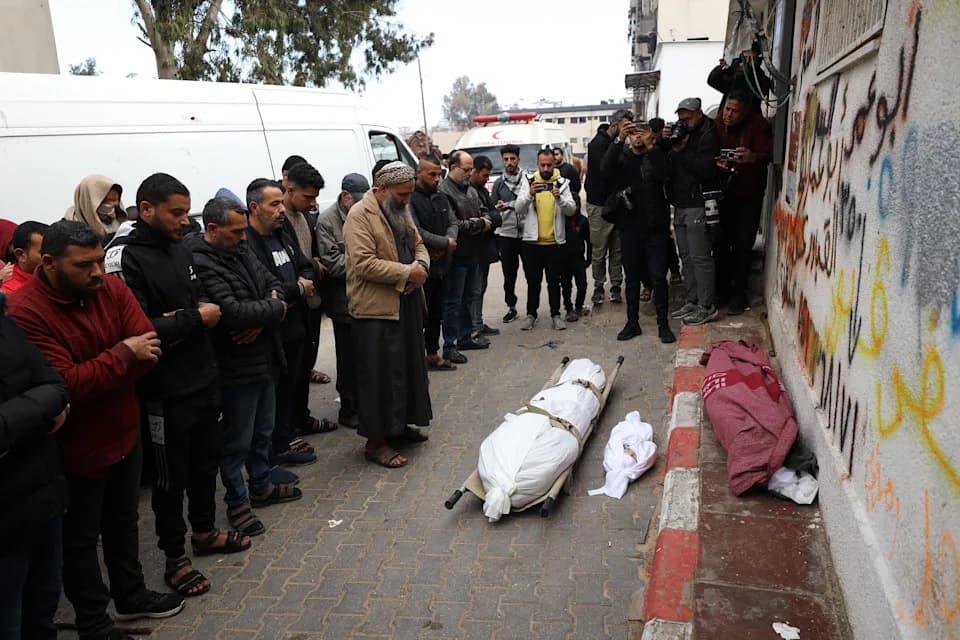
United Nations officials and aid organizations say civilians are bearing the brunt of renewed clashes between government forces and fighters loyal to the Sudan People's Liberation Army–In Opposition (SPLA-IO) and allied 'White Army' groups. Homes have been destroyed, civilians killed in crossfire, and families repeatedly forced to flee. The U.N. Office for the Coordination of Humanitarian Affairs (OCHA) reports more than 230,000 people displaced since December.
Alarm Over Military Rhetoric
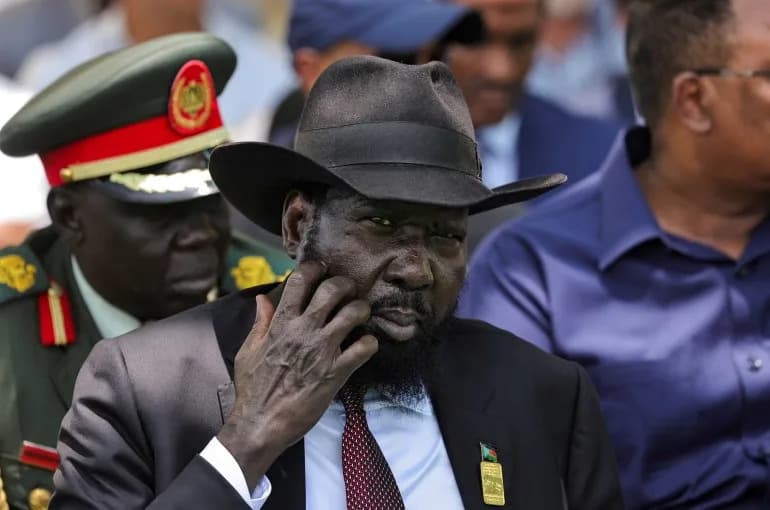
Human rights groups and the U.N. have raised alarm about inflammatory remarks by a senior army commander who reportedly urged troops advancing in Jonglei to 'spare no lives.' The U.N. Commission on Human Rights in South Sudan called the development a cause for 'grave alarm' that significantly heightens the risk of mass violence. The opposition described the comments as an 'early indicator of genocidal intent,' while a government spokesman said the words were 'uncalled for' and a 'slip of the tongue.'
Political Stakes
U.N. Secretary-General António Guterres urged all parties to halt fighting, protect civilians and ensure unhindered humanitarian access, stressing that the crisis requires a political — not military — solution. Observers warn the renewed clashes are straining the fragile 2018 peace agreement and heightening tensions ahead of South Sudan's first general election, scheduled for December.
Sources: International Rescue Committee, Médecins Sans Frontières, World Food Programme, U.N. OCHA, U.N. Secretary-General.
Help us improve.