Public acts of non-compliance with Iran's mandatory hijab — from mall dance scenes to a bareheaded marathon on Kish — have become more visible, driven largely by long-term civil disobedience rather than official reform. Authorities nonetheless insist the hijab remains legally required and have responded with arrests, closures and warnings from hardline officials. Observers warn that relaxed enforcement in some urban spaces may be temporary and point to broader signs of intensified repression, including a sharp rise in executions and detentions of prominent dissidents.
Have Iran's Authorities Backed Off the Mandatory Hijab? Everyday Defiance Meets Official Crackdowns

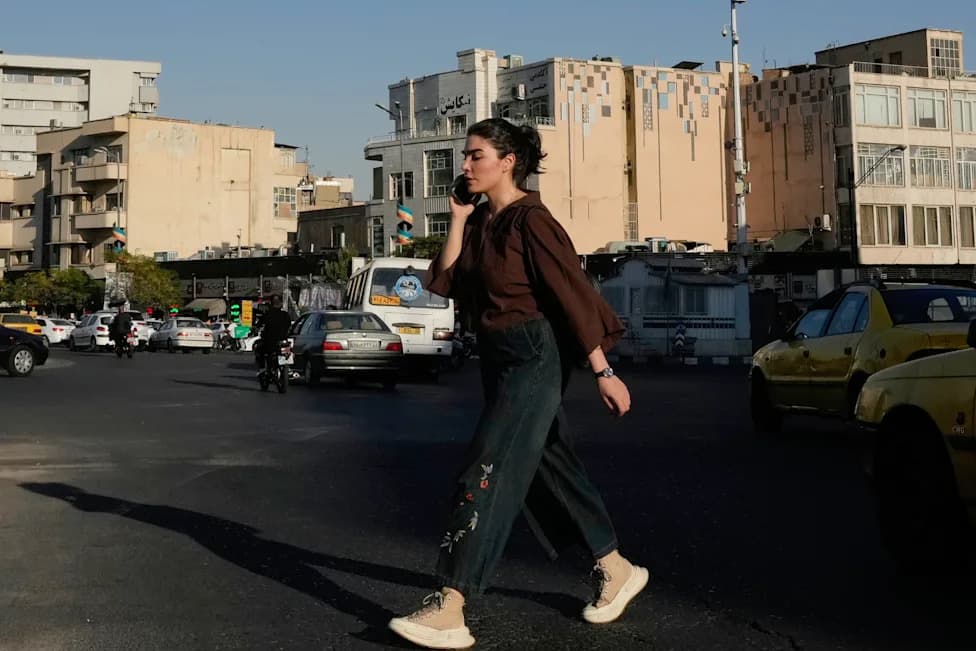
The hijab is mandatory for women in the Islamic republic (Kirill KUDRYAVTSEV)(Kirill KUDRYAVTSEV/AFP/AFP)
Scenes once unimaginable in the Islamic Republic — women dancing to a DJ, strolling through contemporary art shows without headscarves and meeting friends in cafés in fashions more commonly seen on European streets — are increasingly visible in Tehran and other major Iranian cities.
Background
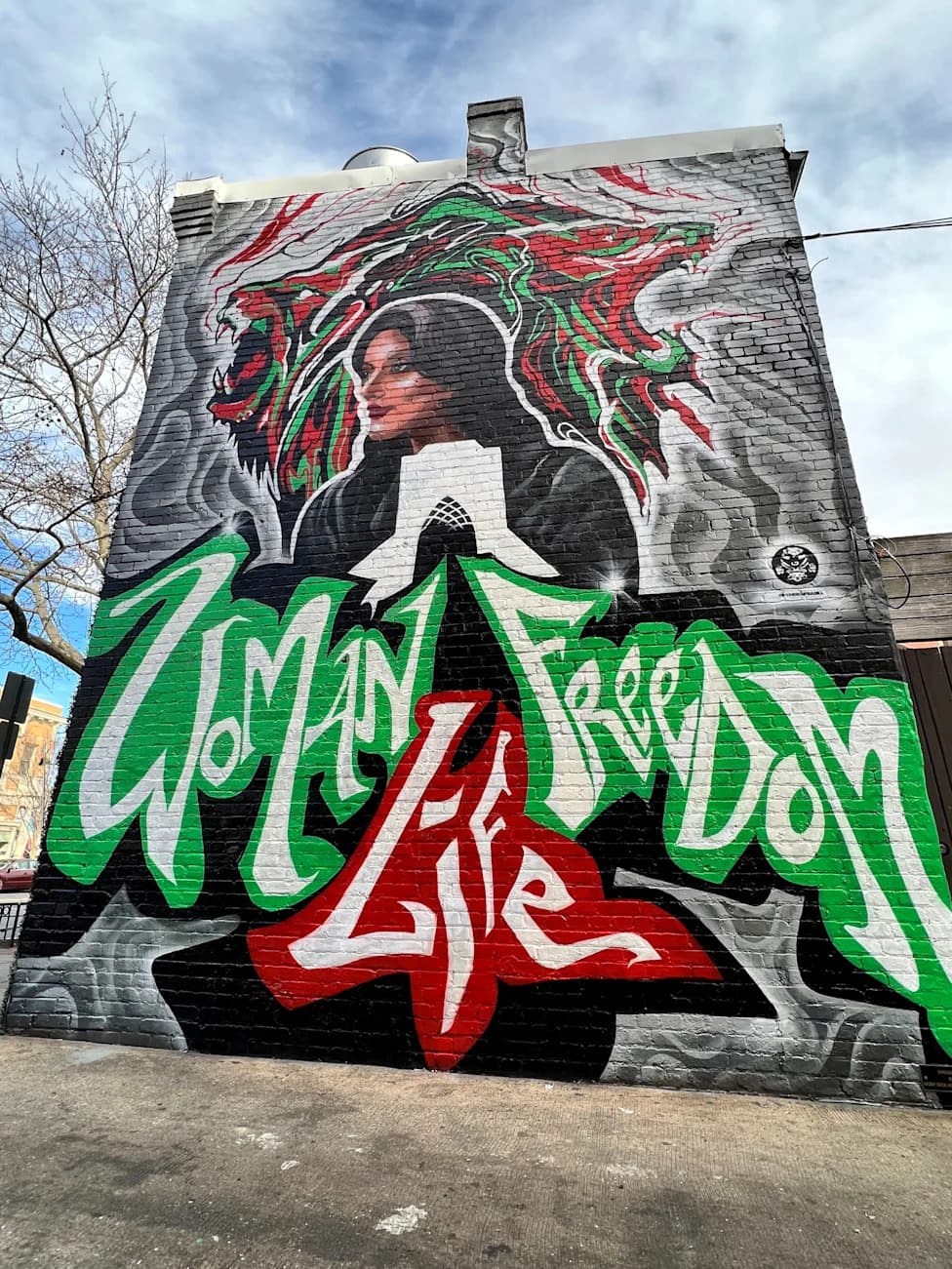
Since the 1979 revolution, Iranian law has required women to wear the hijab in public. The 2022–23 nationwide protests sparked by the custody death of Mahsa Amini after her arrest over alleged improper dress remain a fresh memory, and the question of public dress continues to inflame politics and public life.
Recent Shifts In Everyday Life
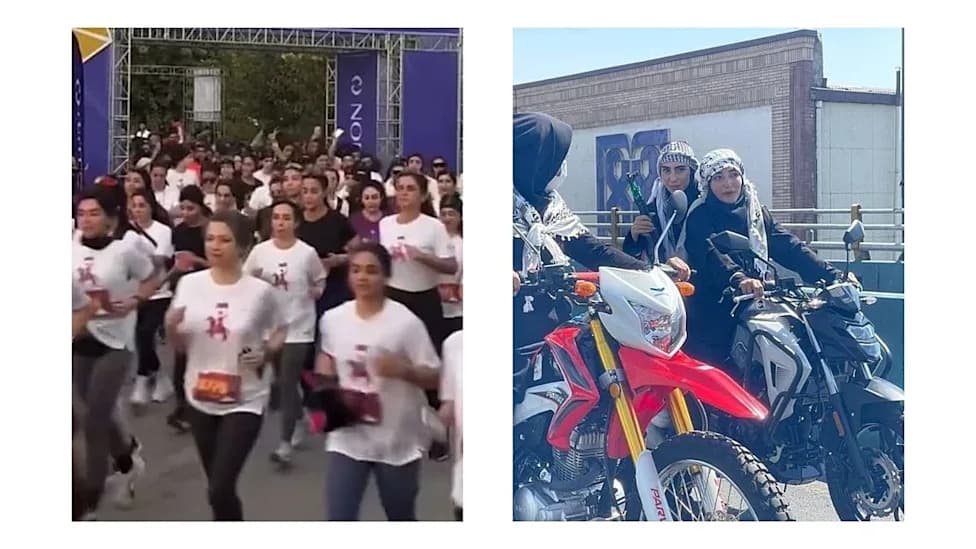
In recent months, casual non-compliance with the dress code has become more apparent. Young people have been filmed dancing at mall openings, visitors attended a Tehran University design week without headscarves until it was shut down, and viral footage showed dozens of women running bareheaded in a marathon on Kish island. Visible hairstyles such as braids, curls and even bleach-blond dye are more commonplace, and some women are choosing tighter clothing or outfits that reveal shoulders and legs.
"What we see today is unquestionably the result of years of persistent civil disobedience by Iranian women and girls," said Roya Boroumand, co-founder of the Abdorrahman Boroumand Center for Human Rights in Iran. She described recent images of bareheaded women as "heartwarming" but stressed they are driven by grassroots pressure rather than concessions from the regime.
Crackdowns And Official Warnings
Despite more visible non-compliance, Iran's leadership insists that the hijab remains a legal obligation. Authorities have continued to close businesses deemed to have flouted the code, arrest organisers of public events — including the Kish marathon organisers — and detain prominent dissidents. Hardline judiciary chief Gholamhossein Mohseni Ejei has ordered intelligence agencies to identify and report "organised currents promoting immorality and non-veiling," signaling readiness to act against perceived infractions.
Supreme Leader Ayatollah Ali Khamenei has publicly defended the hijab, saying women who observe Islamic dress "can progress more than others in all areas and play an active role both in society and in her home." Yet even this stance has provoked controversy: Khamenei's office recently drew criticism from ultraconservatives after publishing a photograph of Niloufar Ghalehvand, a pilates instructor killed during recent Israeli strikes, wearing a baseball cap rather than a hijab.
Nobel Peace Prize laureate Narges Mohammadi, who had publicly refused to wear the hijab after her medical release from prison in late 2024, was arrested on December 12 at a memorial gathering — one of several high-profile detentions in recent weeks.
Wider Repression and Human Rights Concerns
Observers warn that visible everyday relaxations coexist with intensified repression elsewhere. Campaigners point to a sharp rise in executions this year — more than 1,400 reported so far, hundreds higher than the previous year — and increased persecution of minorities such as the Baha'i community. Rights groups say the loosening of enforcement in some urban public spaces does not amount to an ideological retreat by the state.
What Comes Next?
Analysts argue the authorities appear reluctant to attempt a blanket return to harsh, ubiquitous enforcement given the depth of public resistance. As Arash Azizi, a researcher at Yale, put it: "The regime has given up on harshly enforcing mandatory hijab but it has not at all given up on it as a principle yet." The future may hinge on Iran's political trajectory and leadership succession; some moderate officials have argued women should not be compelled to wear the hijab, but hardline figures remain influential.
For now, the situation remains a dynamic tug-of-war: persistent civil disobedience and greater visibility of non-compliance on one side, and periodic crackdowns, legal enforcement and ideological commitment on the other.
Help us improve.