Republicans in battleground states are ramping up mail-in and early voting outreach for the 2026 midterms despite President Trump’s calls to ban the practice. State parties in Wisconsin, Michigan and Pennsylvania, GOP-aligned nonprofits and the RNC plan aggressive mail, digital and door-to-door campaigns to boost low-propensity Republican turnout. Legal disputes over counting late-arriving ballots continue, but operatives say they must work within current laws while supporting efforts to change them.
Republicans Embrace Mail-In Voting for 2026 Midterms Despite Trump’s Push to Ban It

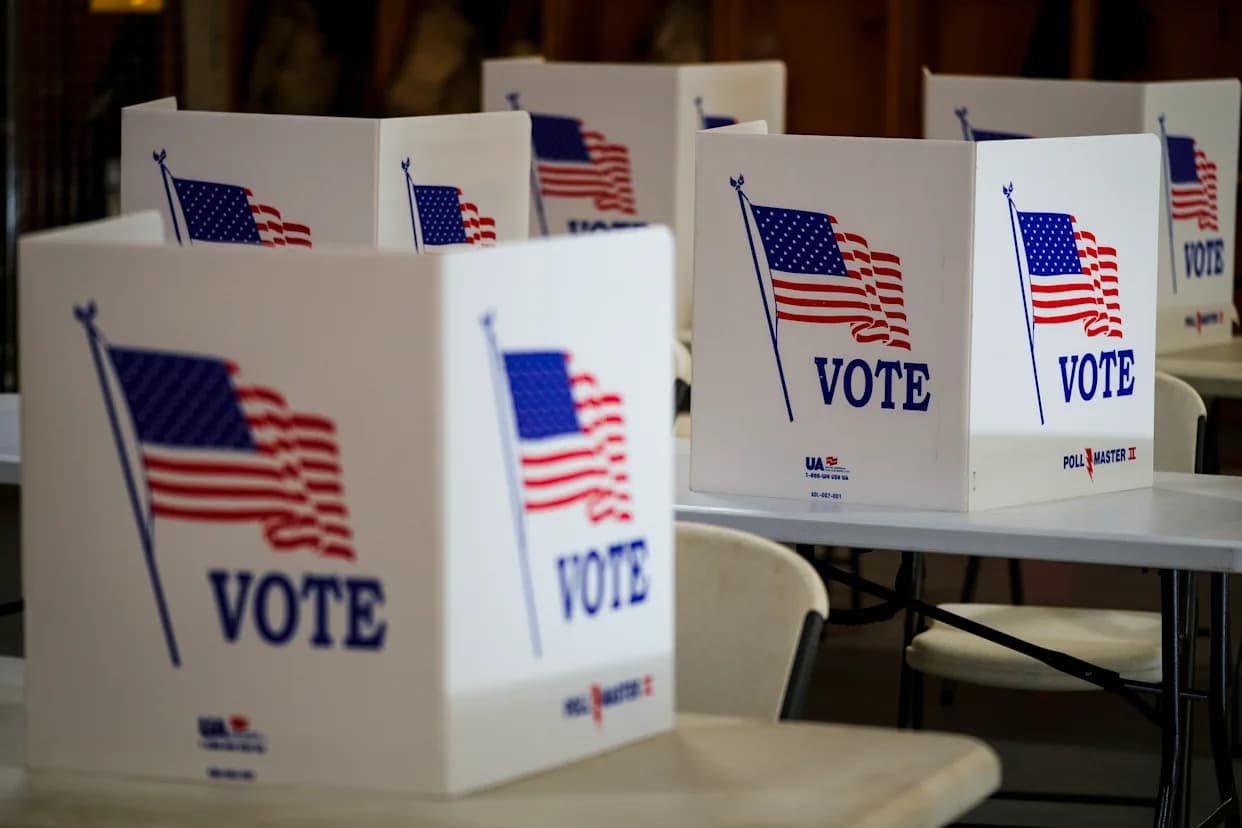
Republican operatives in key battleground states are making mail-in and early voting central to their plans for the 2026 midterms — a striking break with President Donald Trump’s repeated calls to eliminate the practice. State parties and GOP-aligned groups in Wisconsin, Michigan and Pennsylvania are mounting large outreach campaigns to increase Republican turnout by mail, while national committees plan to build on the early-vote infrastructure that helped in close 2024 races.
State-Level Campaigns Ramp Up
In Wisconsin, the state GOP is preparing an intensive outreach program — including mailers, emails, phone banks, door-to-door canvassing and digital ads — to persuade voters to sign up for mail ballots. In Michigan, the Monroe County Republican Party ran a social media push before the fall election encouraging residents to join the permanent absentee list and is planning a larger effort for 2026.
In Pennsylvania, where Republican organizations invested roughly $16 million in 2024 to increase GOP mail-ballot use, the state party chair has called mail voting “a priority” for 2026. The conservative nonprofit Citizens Alliance, which helped return Republican mail ballots in 2024, plans to knock on about 750,000 doors ahead of the midterms to reach infrequent voters.
National Strategy And Resources
The Republican National Committee intends to expand the aggressive early-mail and in-person voting operation it deployed in 2024 — after largely avoiding mail-ballot efforts in 2020 — while also supporting measures it views as enhancing election security, including efforts to prevent ballots from being counted after Election Day, according to an anonymous source briefed on internal plans.
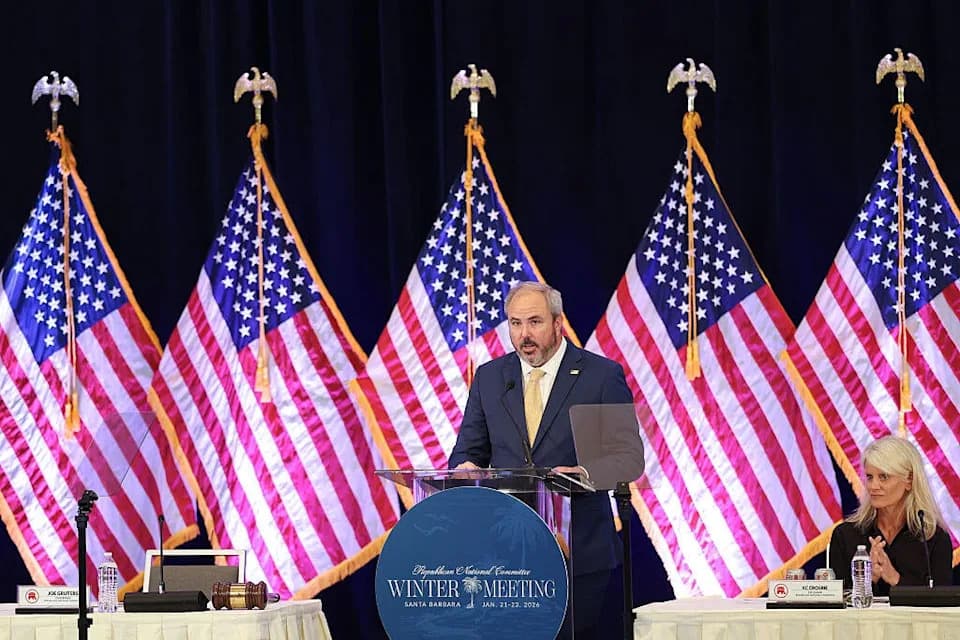
"Democrats have built a pretty massive structural advantage in early voting for a long, long time," Wisconsin GOP Chair Brian Schimming said. "Treating early voting as optional, or something Democrats do, is a losing gamble."
Trump’s Opposition
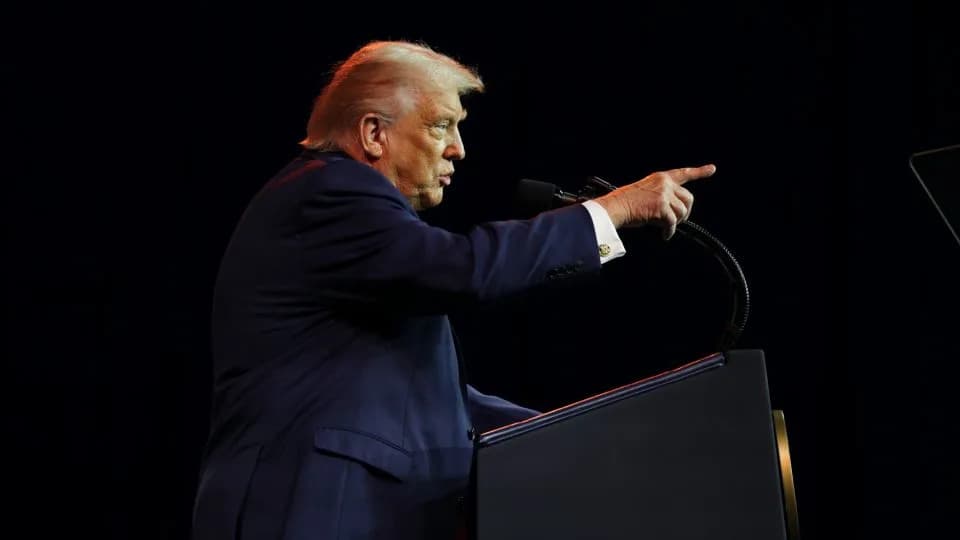
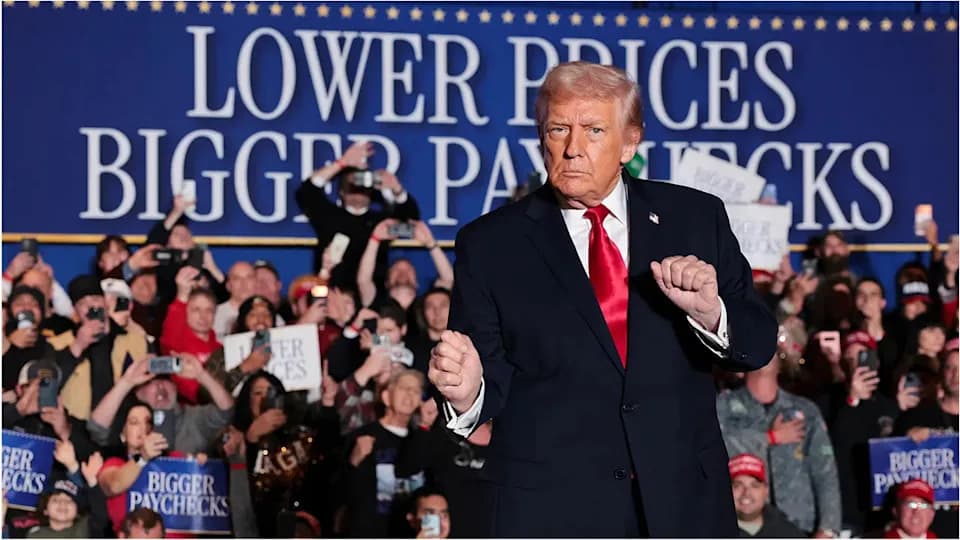
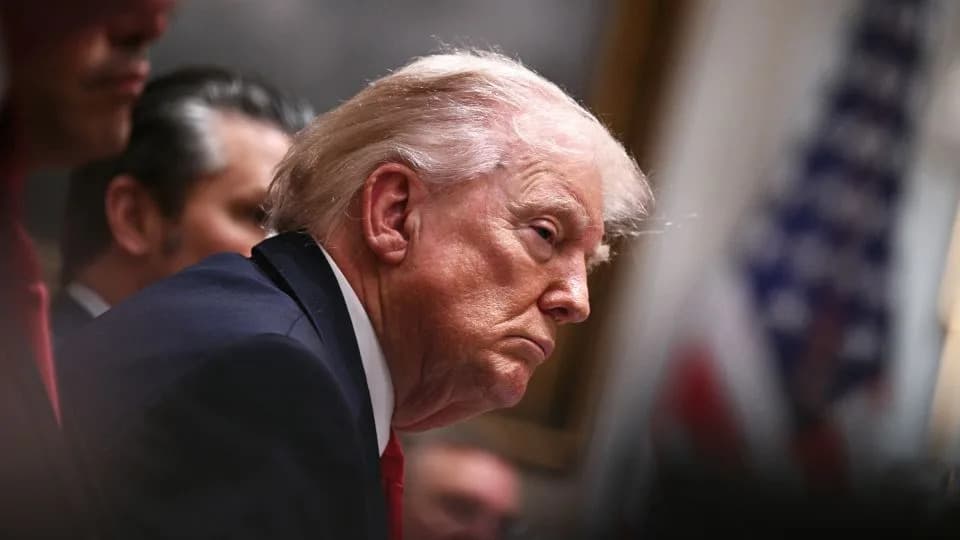
President Trump has repeatedly denounced mail voting, making baseless claims that it invites fraud. Over the summer he vowed Republicans would "do everything possible [to] get rid of mail-in ballots," and he has urged Senate Republicans to eliminate the filibuster to pass a ban. In March he signed an executive order attempting to bar states from counting ballots that arrive after Election Day, a measure largely blocked by courts.
Legal Landscape
Court challenges and state laws shape the options available to parties. State courts have upheld vote-by-mail programs expanded during the pandemic, and the U.S. Supreme Court is expected to consider whether federal law prevents states from counting late-arriving ballots that were postmarked on or before Election Day. Meanwhile, some Republican-led state legislatures are moving to restrict post-Election Day grace periods: Ohio and Kansas have passed measures to narrow or eliminate them, Utah has enacted similar legislation, and those laws face ongoing legal and executive review.
Why Republicans Are Pivoting
Party officials say the shift is tactical: narrow 2024 wins in swing states and concern about lower turnout when Trump is not on the ballot have convinced state operatives that mail and early voting are essential to reaching low-propensity Republican voters. In Pennsylvania, GOP mail-ballot share rose to 32.4% in 2024 from 23.7% in 2020, and data suggest that about 20% of Republicans who voted by mail in that state in 2024 had not participated in elections since 2020.
"Without Trump on the ballot, the low-propensity problem is an epidemic," said Cliff Maloney of Citizens Alliance. "Republicans have to adapt or die. The solution is to invest in the same tactics the left uses to reach low-propensity voters."
Internal Tension And Public Messaging
The party’s state and local leaders generally say they support the president’s efforts to change voting rules but must operate under current law. Some GOP officials acknowledge ideological discomfort with mail voting yet emphasize practical necessity. They also are trying to counter lingering distrust among Republican voters by highlighting security measures and advising options such as hand delivery of ballots.
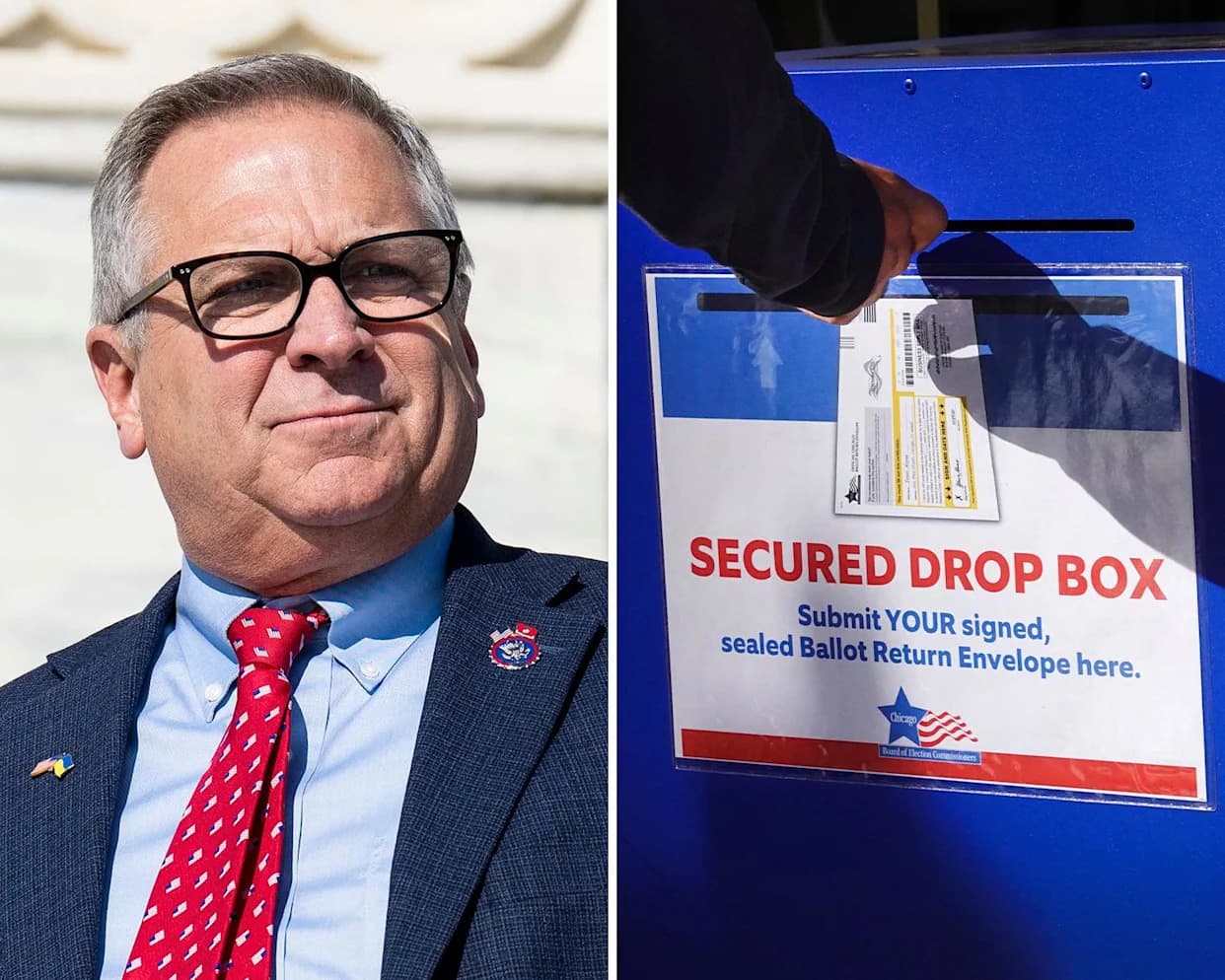
"We don’t necessarily like early voting or absentee ballots," said Monroe County GOP Chair Todd Gillman. "But those are the rules we have to play by."
Outlook
As 2026 approaches, expect intensified mail- and early-vote outreach from Republican state parties and aligned groups in competitive states, alongside continued legal fights over ballot deadlines and postmarked ballots. The competing priorities — Trump’s public campaign to ban mail ballots and operatives’ pragmatic use of the method to mobilize voters — expose divisions inside the GOP and underscore how election mechanics remain a central battlefield ahead of the next major midterm cycle.
Jessica Piper contributed to this report.
Help us improve.