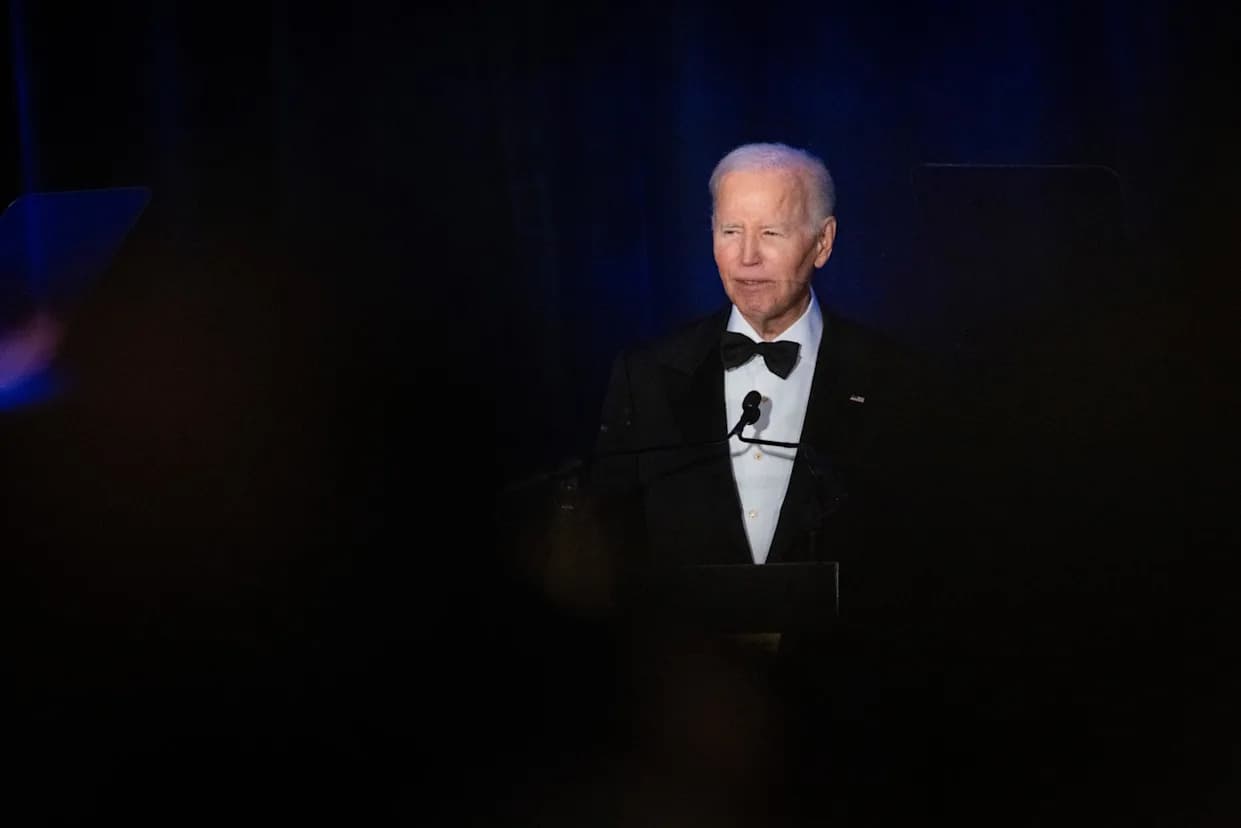
Former President Joe Biden used a Monday meet-and-greet at his presidential library to press the United States to remain the world's leading power, warning of the consequences if it does not.
If we don't lead, who leads the world? Russia? China?
Speaking to supporters, Biden added: "We have to. We owe it to our own families, we owe it to the world and we can get it done." The comments came amid a narrower public schedule since he left office in January; a spokesperson said he has been receiving treatment for prostate cancer and completed a course of radiation therapy in October.
Political Context
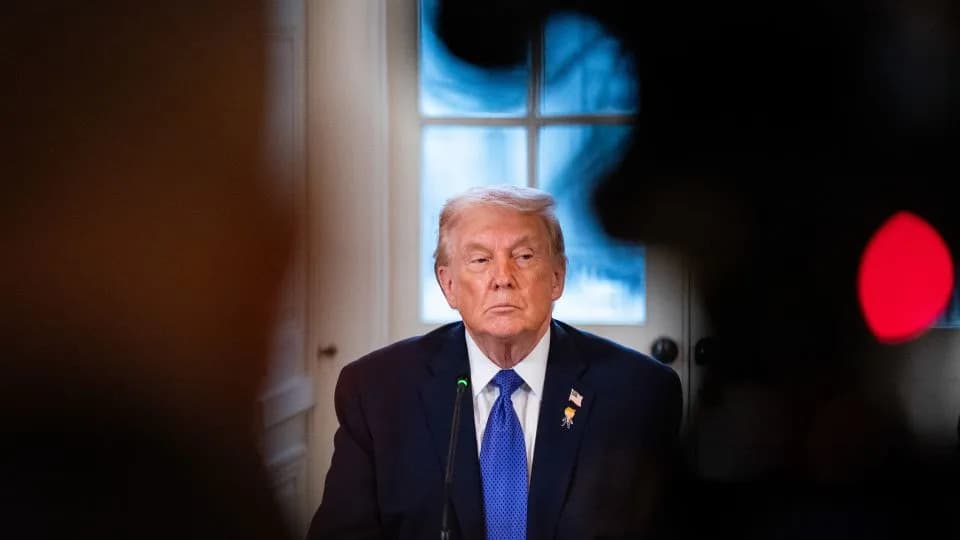
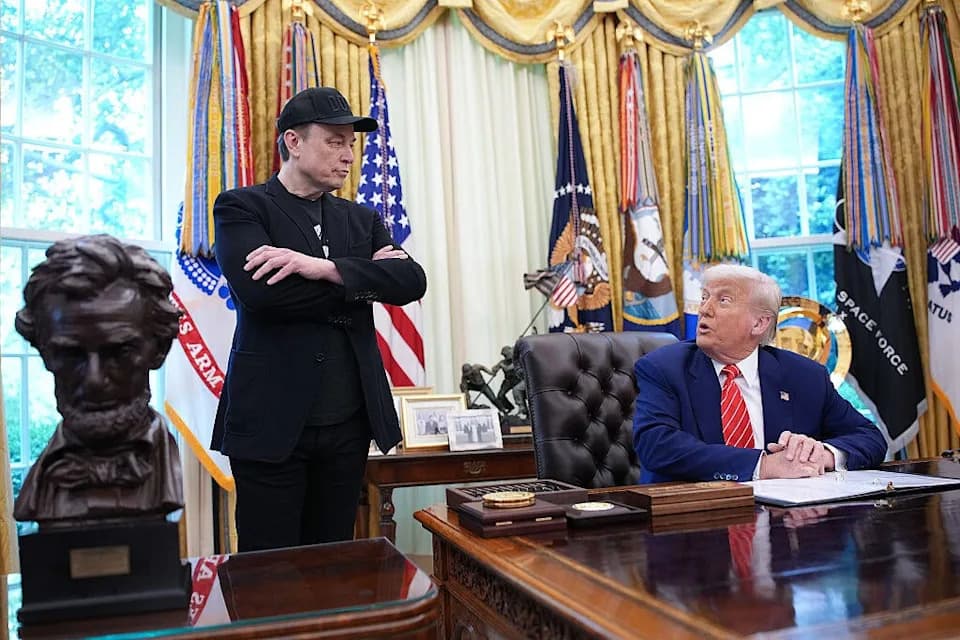
Biden framed his remarks against a backdrop of policy reversals in Washington under the Trump administration, which has rescinded or paused several Biden-era initiatives. Actions cited by critics include cancellations of clean-energy projects launched during the prior administration, the removal of Biden appointees, and legal challenges to executive orders and pardons that the 46th president signed using an autopen.
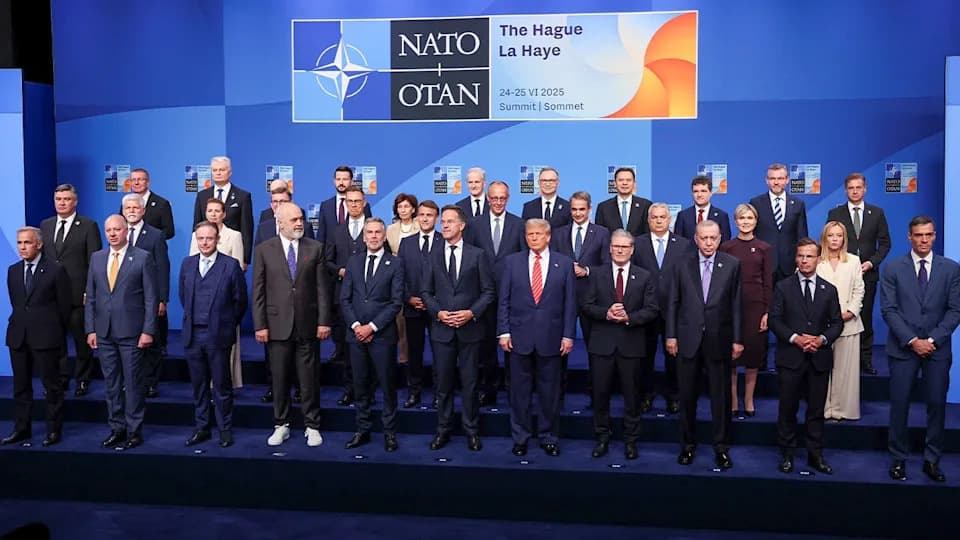
At the same time, some Republican lawmakers have pushed to reshape U.S. alliances. Rep. Thomas Massie (R-Ky.) introduced legislation to withdraw the United States from NATO; Rep. Anna Paulina Luna (R-Fla.) pledged to co-sponsor the measure, and Sen. Mike Lee (R-Utah) filed companion legislation in the Senate.
Foreign Policy Flashpoints
The administration has also authorized strikes on vessels it says were transporting illegal drugs off the coast of Venezuela and elsewhere in the Pacific, a move analysts say signals a major shift in U.S. policy toward Latin America and risks straining long-standing regional partnerships.
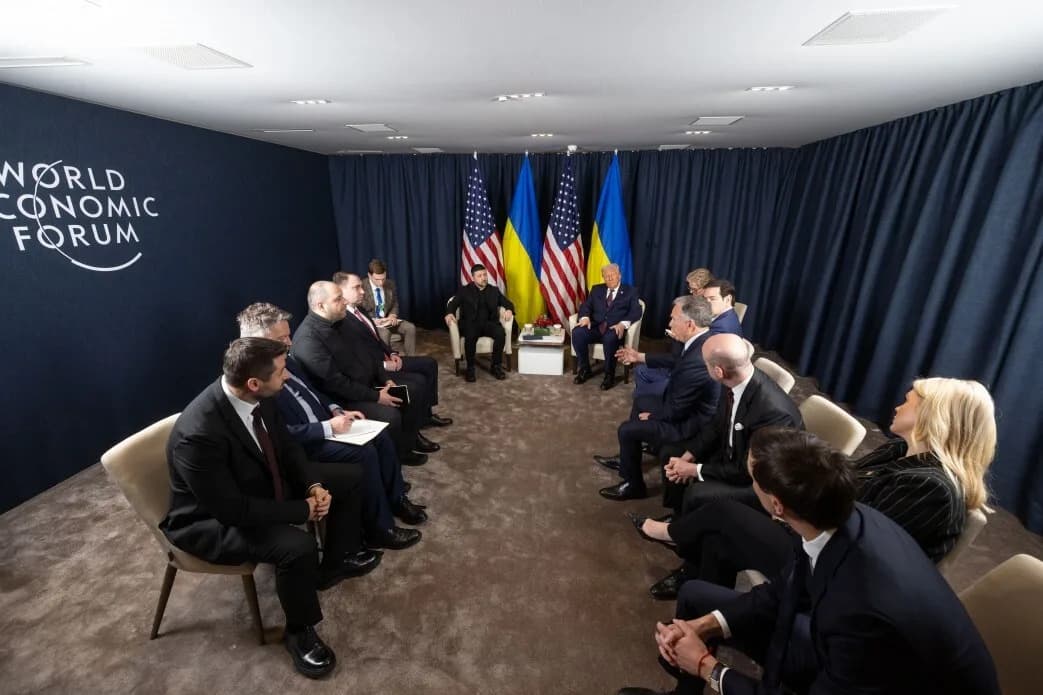
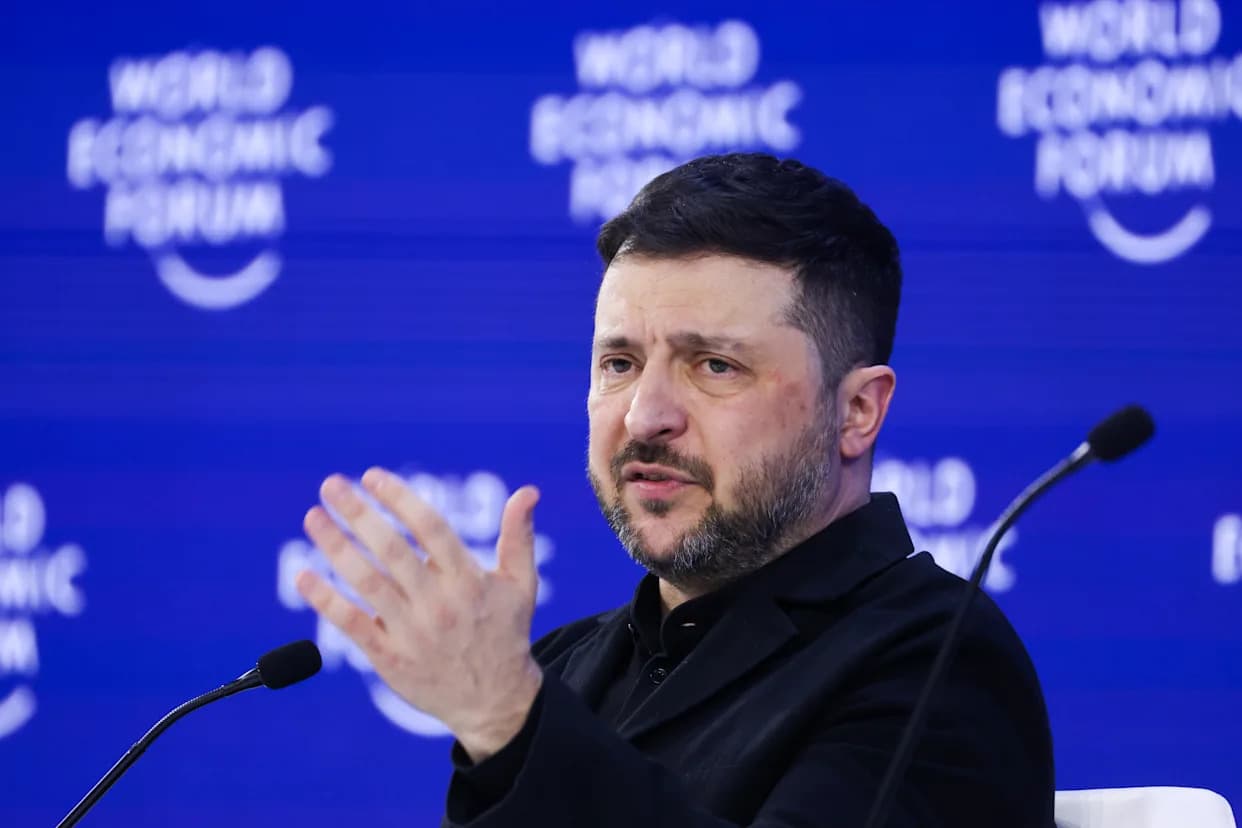
Meanwhile, European leaders have privately voiced concern that U.S. diplomacy — including potential peace talks — could produce concessions that leave Ukraine at a disadvantage as it seeks to end the nearly four-year war with Russia.
Echoes Of His Final Address As Commander In Chief
Biden's Monday remarks echoed themes from his final speech as commander in chief at Joint Base Myer–Henderson Hall in Virginia. In January he praised U.S. deployments to the Middle East and assistance to Ukraine, saying the country's actions demonstrated that "America stands up for freedom, stands with our friends" and urging continued commitment to allies and partners.
Whether discussing deployments to the Middle East or support for Ukrainian forces, Biden used the occasion to underscore his central message: U.S. leadership matters for global stability and for the security of American families.
Reporting compiled from public remarks and administration statements.