U.S. pressure on Nicolás Maduro raises the risk that his removal could create a power vacuum filled by drug cartels, guerrilla groups or regime‑aligned militias. Analysts warn that senior regime figures — including Diosdado Cabello, Jorge Rodríguez, Vladimir Padrino López, Delcy Rodríguez, Cilia Flores and Hernández Dala — are positioned to consolidate power or enable armed actors to expand. Many of these actors face U.S. or EU sanctions. Experts say Washington’s choice between escalation and negotiation will be decisive for Venezuela’s future.
Maduro’s Potential Successors: Sanctioned Loyalists, Armed Factions and the Risk of a Harder Regime

Maduro’s heirs: human rights violators, corrupt enforcers and ruthless loyalists
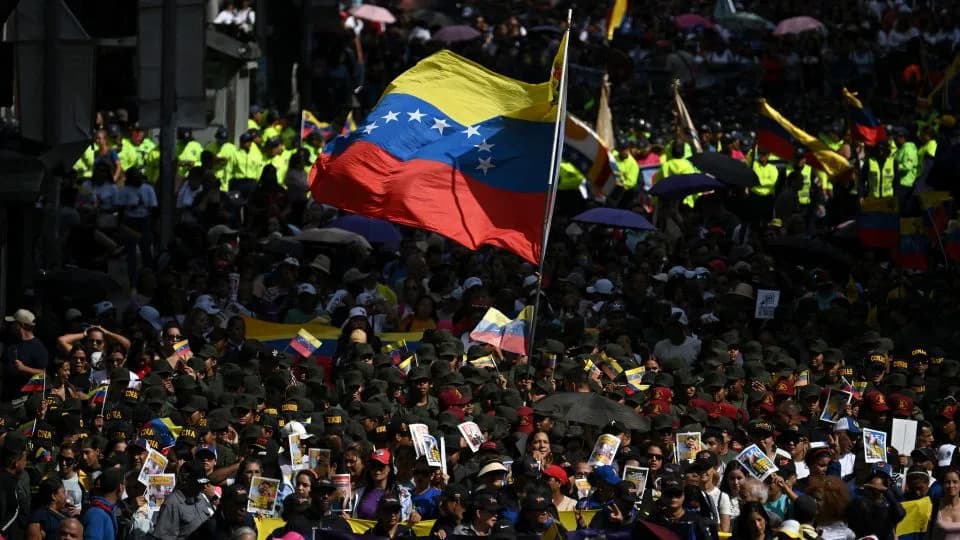
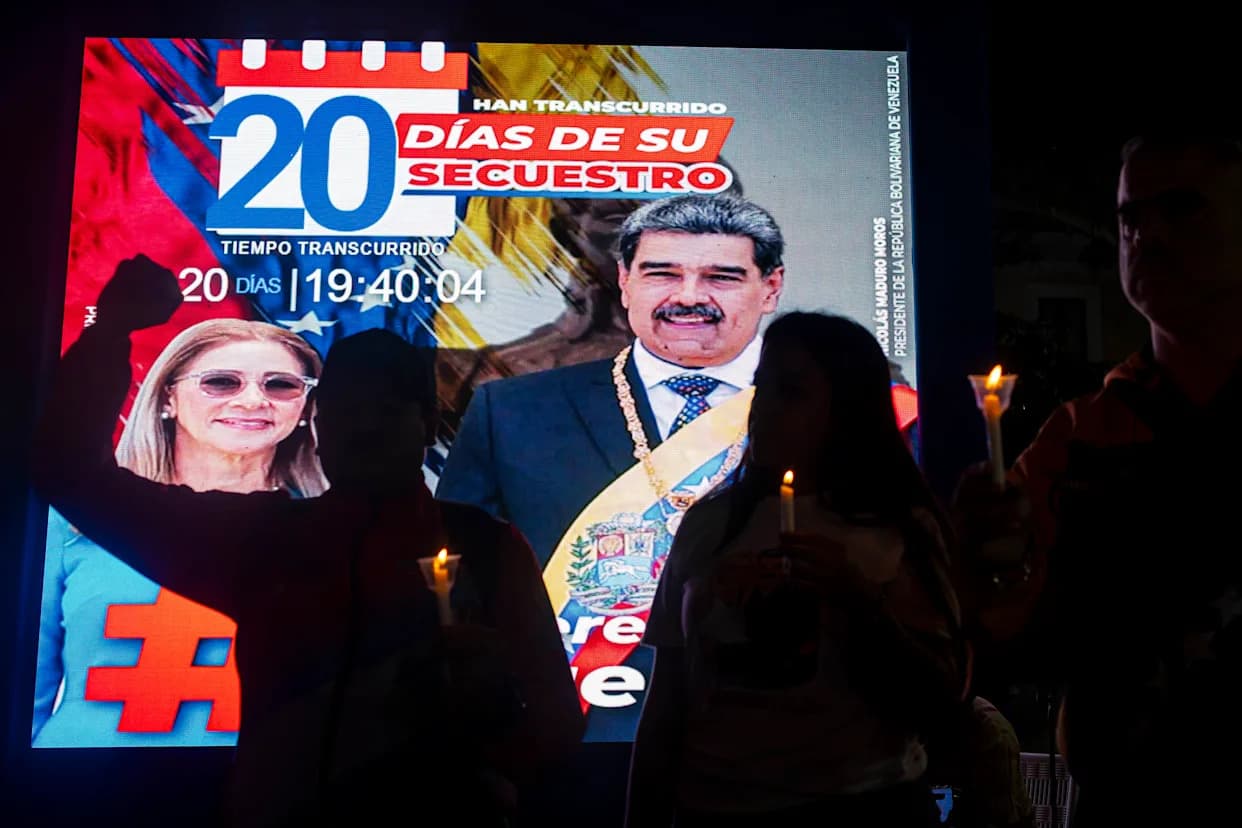
U.S. pressure on Nicolás Maduro’s government has raised a new and urgent question: if the president falls, who will fill the vacuum? Analysts warn that Venezuela has already fragmented into a mosaic of criminal fiefdoms, and a sudden collapse could empower cartel networks, guerrilla groups and regime-aligned militias to expand their control.
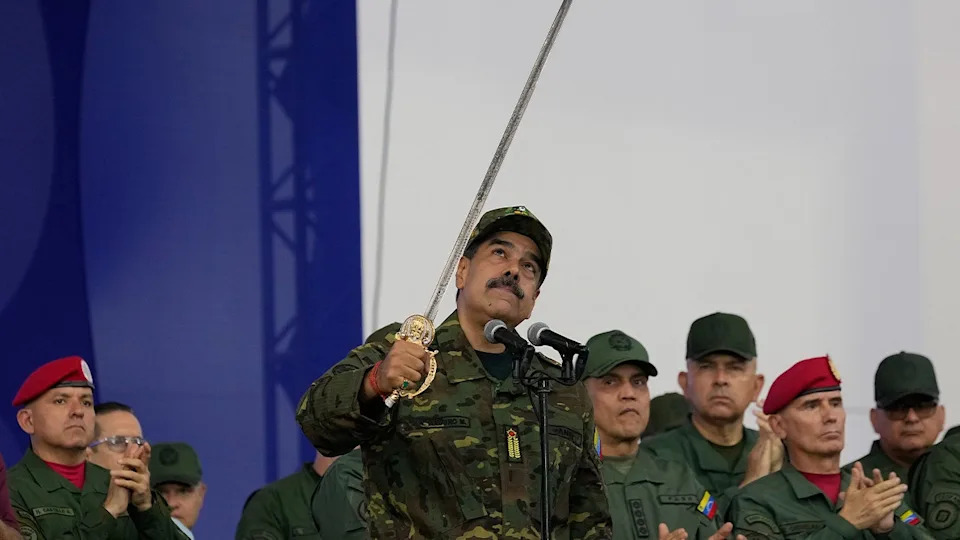
Venezuelan leader Nicolás Maduro brandishes a sword during an event at the military academy in Caracas, Venezuela, Tuesday, Nov. 25, 2025.
A Fragmented State And A Dangerous Vacuum
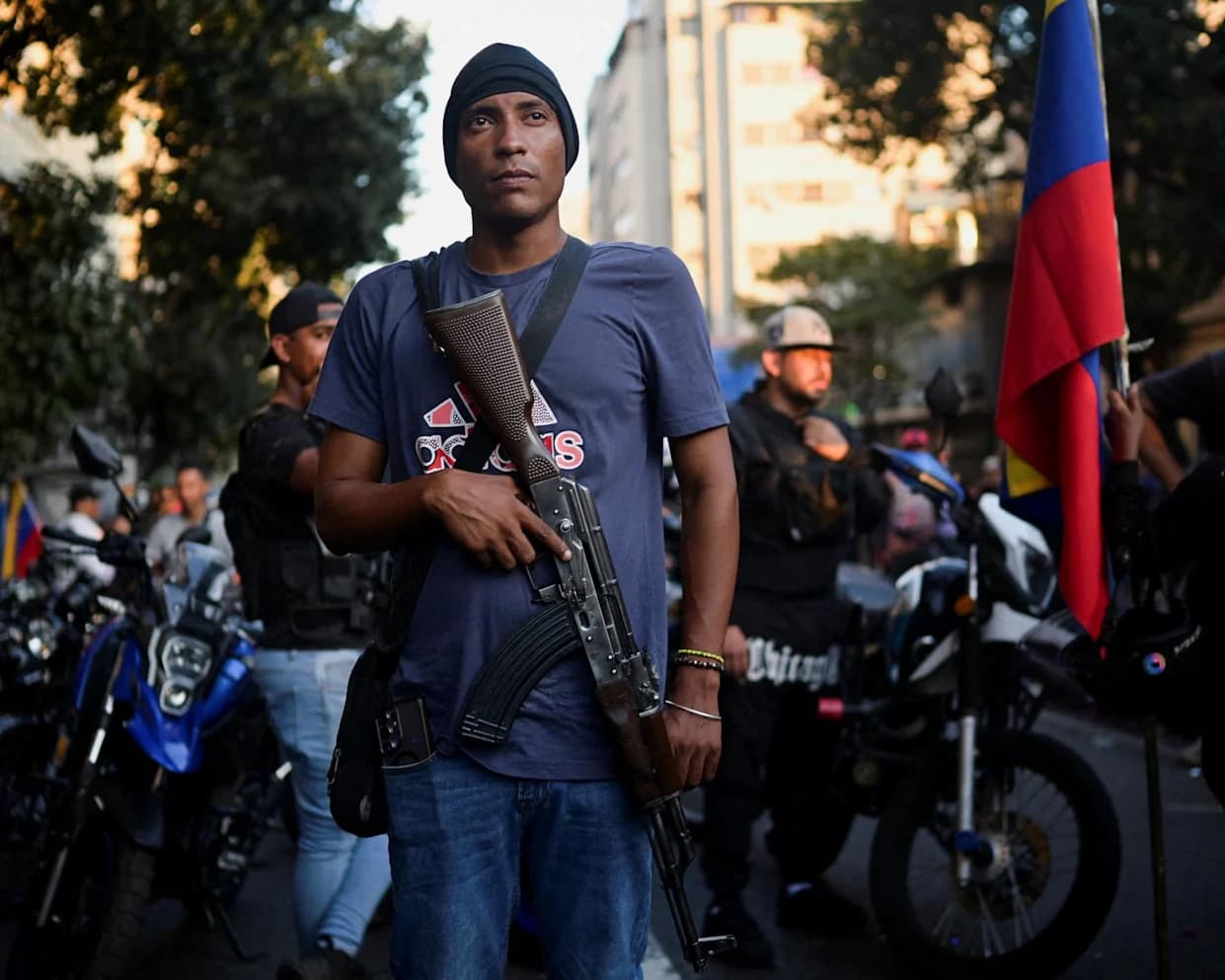
Far from a single, tightly centralized dictatorship, modern Venezuela increasingly resembles a patchwork of territories controlled by drug cartels, Colombian insurgents and armed groups aligned with the regime. Experts who spoke to Fox News Digital say U.S. policy must now contend not only with Maduro himself but with a long-standing ecosystem of non‑state actors and powerful regime figures who could influence any transition.
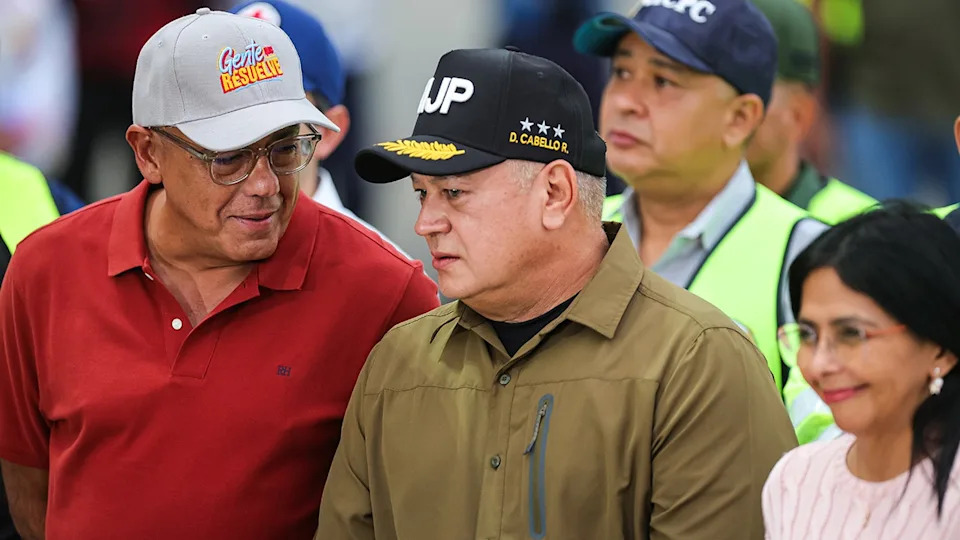
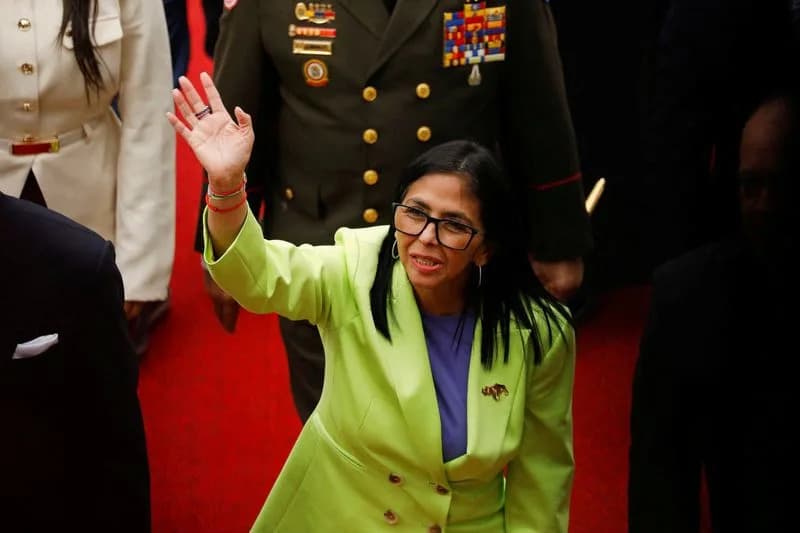
Minister of Interior and Justice Diosdado Cabello (C) talks to the President of the National Assembly, Jorge Rodríguez (L), as Vice President of the Venezuela Delcy Rodríguez (R) looks on at Simon Bolivar International Airport on July 18, 2025, in Caracas, Venezuela.
What Comes Next Depends On Policy Choices
Roxanna Vigil, a Council on Foreign Relations fellow and former U.S. national security official for Latin America, warned that the outcome is binary: the trajectory will depend on whether Washington pursues escalation or negotiation.
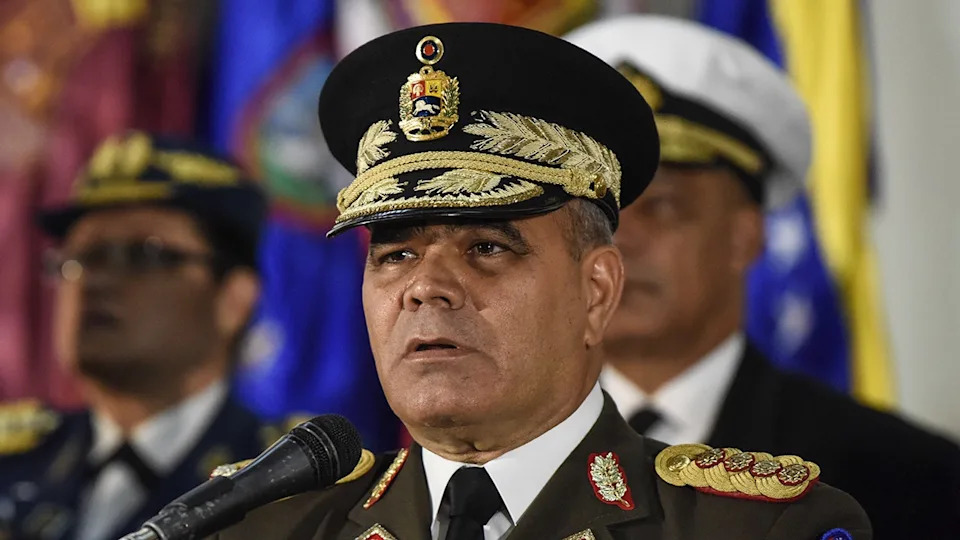
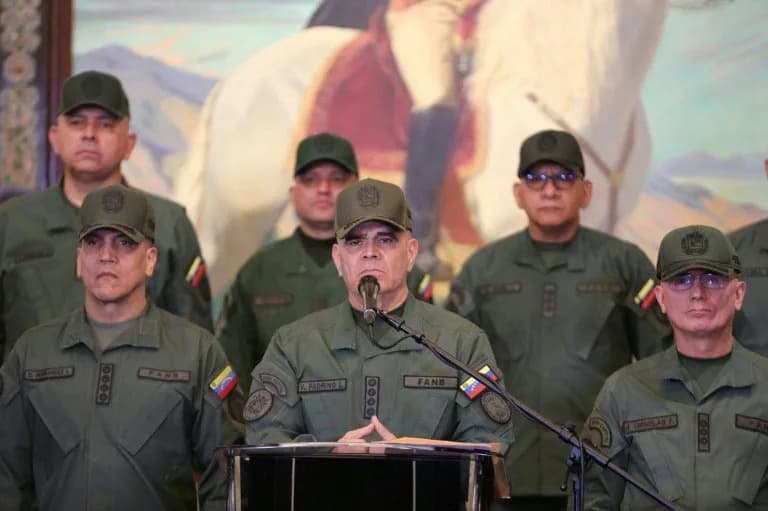
Vladimir Padrino Lopez, Venezuela's defense minister, speaks during a press conference accompanied by the military high command at the Ministry of Defense in Caracas, Venezuela, on Thursday, Jan. 24, 2019.
"The way I see it, what comes next will largely depend on what direction this U.S. pressure campaign goes in. If it goes in the direction of escalation and conflict, that means there’s going to be very little control — or even less ability to influence what comes next."
Analysts caution the danger is not merely a harder-line version of Maduro but the rise of armed actors who already control swaths of territory. "You could have someone potentially worse than Maduro," Vigil said.
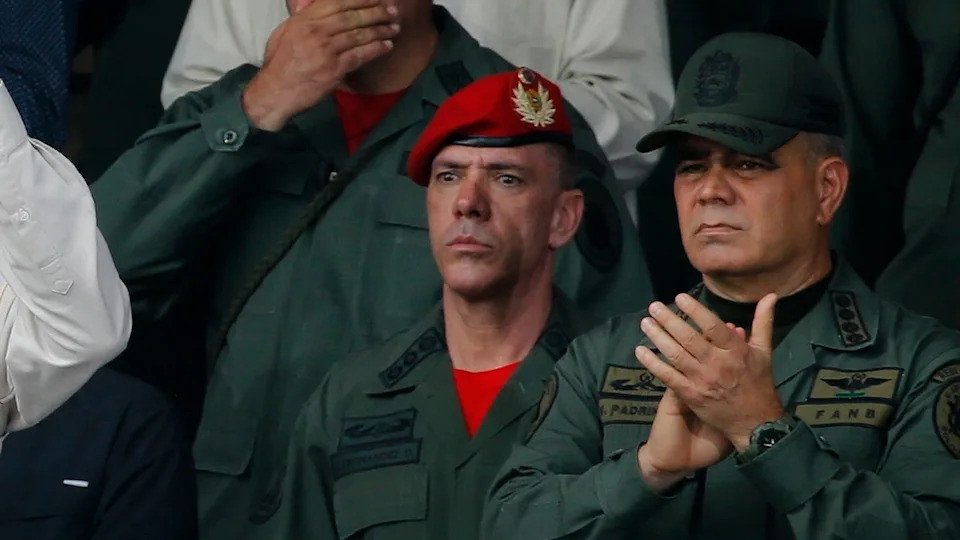
In this April 13, 2019, file photo, Gen. Ivan Hernandez Dala, (L), head of both the presidential guard and military counterintelligence, and Venezuela's Defense Minister Vladimir Padrino Lopez, (R), in Caracas, Venezuela.
Regime Figures Likely To Shape Any Succession
Observers point to a group of senior officials and power brokers who are positioned to influence or seize control in a post-Maduro scenario. All have been implicated by international reporting or targeted by sanctions:
- Diosdado Cabello — Long seen as the No. 2 of Chavismo, Cabello controls party structures and propaganda networks. The U.S. Treasury sanctioned him in 2018 for alleged corruption, money laundering and ties to drug‑trafficking networks; U.S. authorities later increased rewards for information linked to the Cartel de los Soles.
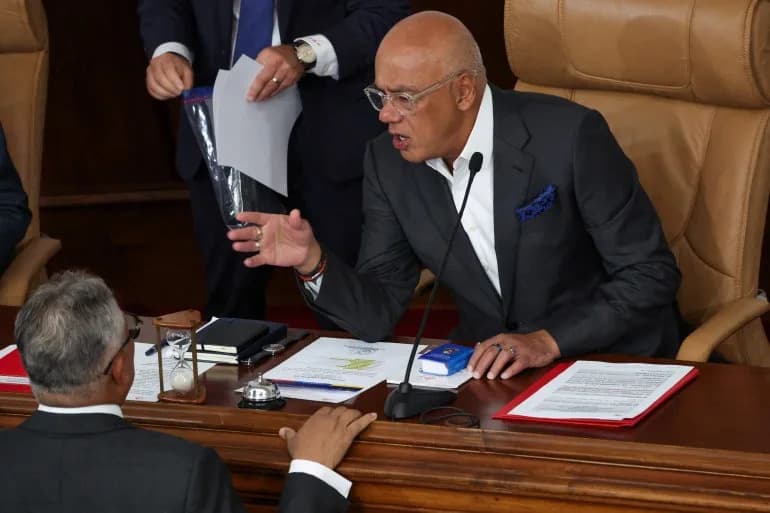
- Jorge Rodríguez — A close political operator and strategist for Maduro, Rodríguez has held senior government posts. The U.S. Treasury has sanctioned him for undermining democratic institutions; analysts say he could lead a more technocratic, but still authoritarian, transition.
- Vladimir Padrino López — The long‑serving defense minister is often portrayed as the military’s guarantor of Maduro’s survival. Sanctioned by the U.S. Treasury, Padrino López could steer Venezuela toward a more overtly militarized model if he assumed power.
- Delcy Rodríguez — The vice president and sister of Jorge Rodríguez, Delcy has expanded control over institutional and economic sectors, including parts of the oil industry. She is designated by the U.S. Treasury and the EU for actions that erode democratic governance and involve human‑rights concerns.
- Cilia Flores — The first lady and longtime party power broker, Flores has held senior positions and been sanctioned for her role in the inner circle; members of her family have faced narcotics‑related sanctions or indictments.
- Hernández Dala — Head of military counterintelligence (DGCIM) and commander of the presidential guard, Hernández Dala is widely feared for overseeing internal repression. The U.S. State Department designated him in 2019 for gross human‑rights violations attributed to DGCIM and SEBIN.
Two Broad Risks
Experts identify two main, interrelated risks: first, a succession by hardline regime figures who could centralize power further, militarize governance, and entrench corrupt revenue networks; second, the fragmentation of authority that allows criminal networks and armed groups to seize territory and resources, potentially producing a more violent, lawless landscape.
Policy Implications
Jason Marczak of the Atlantic Council emphasizes that success is not only Maduro’s departure but a credible transition to democratic forces. Analysts say U.S. strategy should weigh carefully whether pressure tactics will encourage negotiation and inclusion or trigger instability that benefits armed actors and corrupt insiders.
In short, the shape of a post‑Maduro Venezuela will be determined as much by the country’s internal power brokers and armed groups as by the international community’s approach to transition and stabilization.
Help us improve.