The Venezuelan military, the FANB, became deeply embedded in politics and state institutions under Hugo Chávez and Nicolás Maduro, expanding into law enforcement and the economy. The recent abduction of Maduro from Fuerte Tiuna exposed military vulnerabilities and increased pressure on the FANB to negotiate with interim president Delcy Rodríguez and the United States. To preserve influence, the military may need to disavow drug-trafficking links, accept U.S.-favored oil deals, reduce domestic repression, and formally back Rodríguez. Refusal to adapt risks further U.S. intervention and greater instability.
Why Venezuela’s Military Now Holds the Country’s Future: Power, Vulnerabilities and Possible Compromises

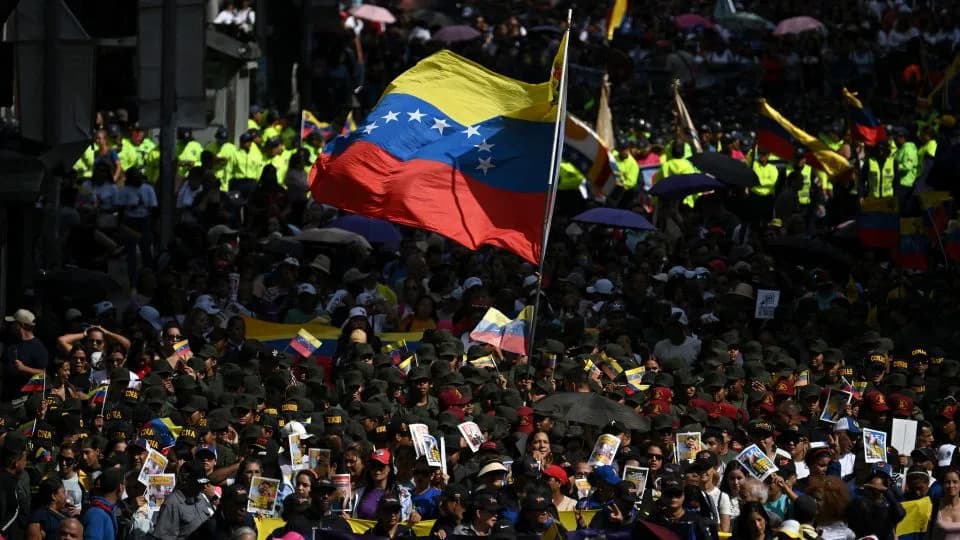
Military personnel attend the funeral of fellow soldiers killed in the US capture of Venezuelan President Nicolas Maduro and his wife in Caracas, Venezuela, Wednesday, January 7, 2026 [Ariana Cubillos/AP Photo]
For nearly 27 years the National Bolivarian Armed Forces (FANB) were a central pillar of the Chávez and Maduro administrations, helping both governments consolidate power as they moved away from Western-style liberal democracy toward increasingly authoritarian rule.
The FANB assisted in dismantling many institutions of the previous political order and in repressing high-profile opponents. In return, successive administrations expanded the military’s reach across politics and the economy: generals received ministerial posts, governorships, ambassadorships, mayoralties and control of state-owned enterprises.
The Shock of Maduro’s Abduction
The recent abduction of Nicolás Maduro by United States special forces from Fuerte Tiuna — Venezuela’s largest military complex — has damaged the military’s image as protector of the state. The operation exposed gaps in defensive systems, logistics and technology within the FANB and has intensified fears in Caracas about further external operations.
A Strategic Crossroads
Facing a stark power asymmetry with the United States, the FANB confronts two broad paths: resist and risk further foreign intervention (and a possible collapse of its privileges), or negotiate and accept a role in a political transition that could preserve much of its institutional influence.
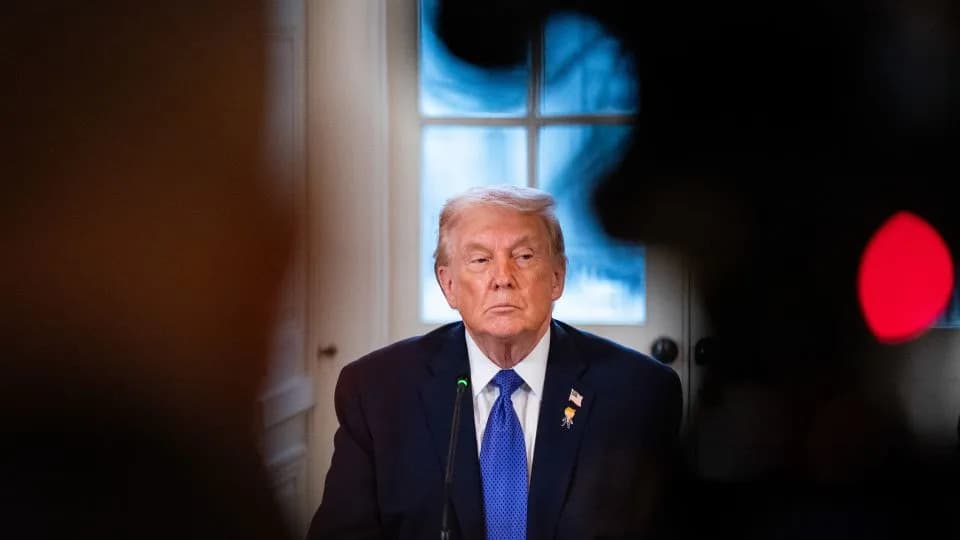
That calculus underpins the current pressure on the military to compromise with the interim administration of Delcy Rodríguez — accepted by the Trump administration as the lead for a post-Maduro transition. Rodríguez’s viability as a transition leader depends heavily on winning (or at least neutralizing) FANB support; without the military, any governing project in Venezuela would face severe obstacles.
How the FANB Became a State Within a State
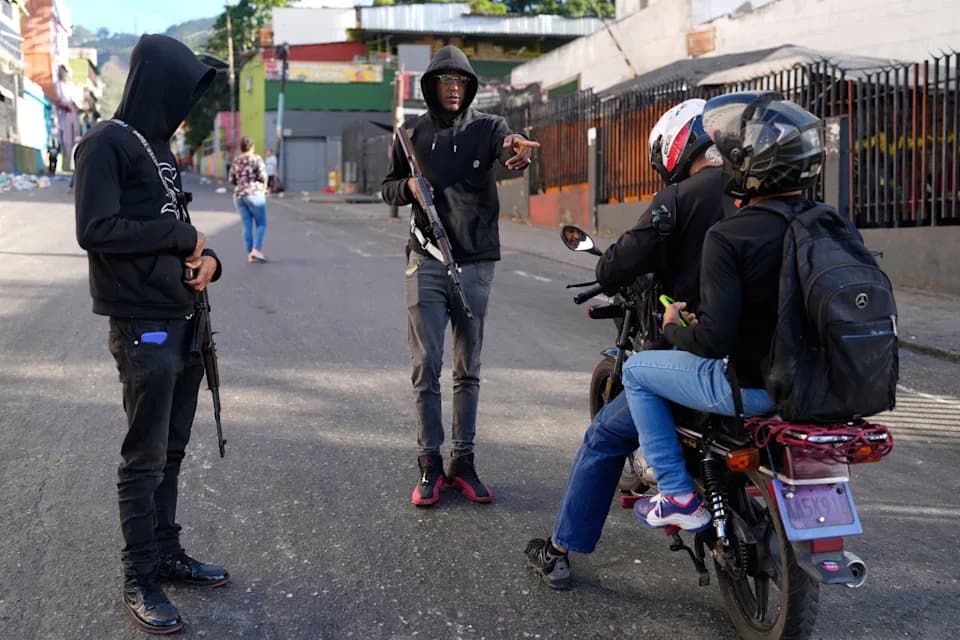
Over time the FANB expanded into law enforcement and internal security, frequently supplanting state and municipal police. After the disputed presidential election of 28 July 2024, which triggered widespread accusations of fraud, the government accelerated mass surveillance and repression. The state incorporated elements of the United Socialist Party of Venezuela (PSUV), loosely organized paramilitary “colectivos,” and political, judicial and military police into what Caracas described as a “civic-military-police union.”
What the Military May Be Asked To Do
To retain as much status and institutional protection as possible, FANB commanders may need to accept several demanding concessions that were previously unlikely in Venezuelan politics. Likely expectations include:
- Publicly distancing the senior ranks from allegations of involvement in drug trafficking, which the United States has cited to justify pressure and operations against Venezuela.
- Accepting a new oil arrangement with the United States that could grant American firms significant influence over Venezuelan crude reserves and production.
- Scaling back repressive operations against civilians and reducing the military’s domestic policing role within the so-called “civic-military-police union.”
- Aligning, at least formally, with interim president Delcy Rodríguez as the principal interlocutor with Washington to stabilize the country during a transition.
Broader Implications
If the FANB commits to these shifts, it would effectively underwrite the agreements between Rodríguez and the United States and function as the stabilizing institutional force in a post-Maduro Venezuela — a pattern Washington has followed historically with military-led authorities in other countries. But if the military refuses to adapt, it risks provoking another US operation that could further discredit the FANB and deepen political and social instability in the country.
Bottom line: The FANB retains the decisive leverage in Venezuela’s next chapter. Its choices — between compromise to preserve status or confrontation with potentially catastrophic costs — will largely determine the country’s short-to-medium-term future.
Help us improve.