Vladimir Padrino rose from an accidental Military Academy enrollee to become Venezuela's most powerful military figure and a close ally of Hugo Chávez and Nicolás Maduro. Appointed defense minister in 2014, he cultivated a culture of "absolute loyalty" within the armed forces and extended military influence into key economic sectors. After a US strike on January 3 removed Maduro, Padrino shifted support to interim president Delcy Rodríguez — whose authority depends heavily on continued military backing. Analysts warn Padrino’s support could change if international or domestic calculations shift.
Vladimir Padrino: The Military Powerbroker Keeping Venezuela Afloat
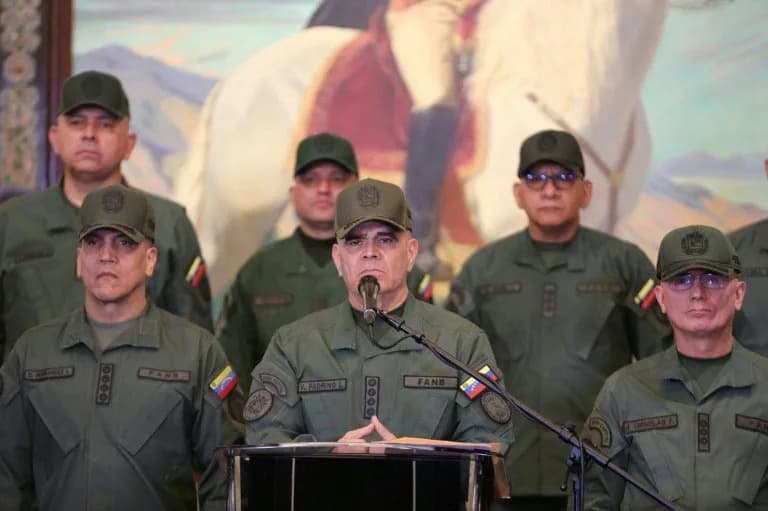
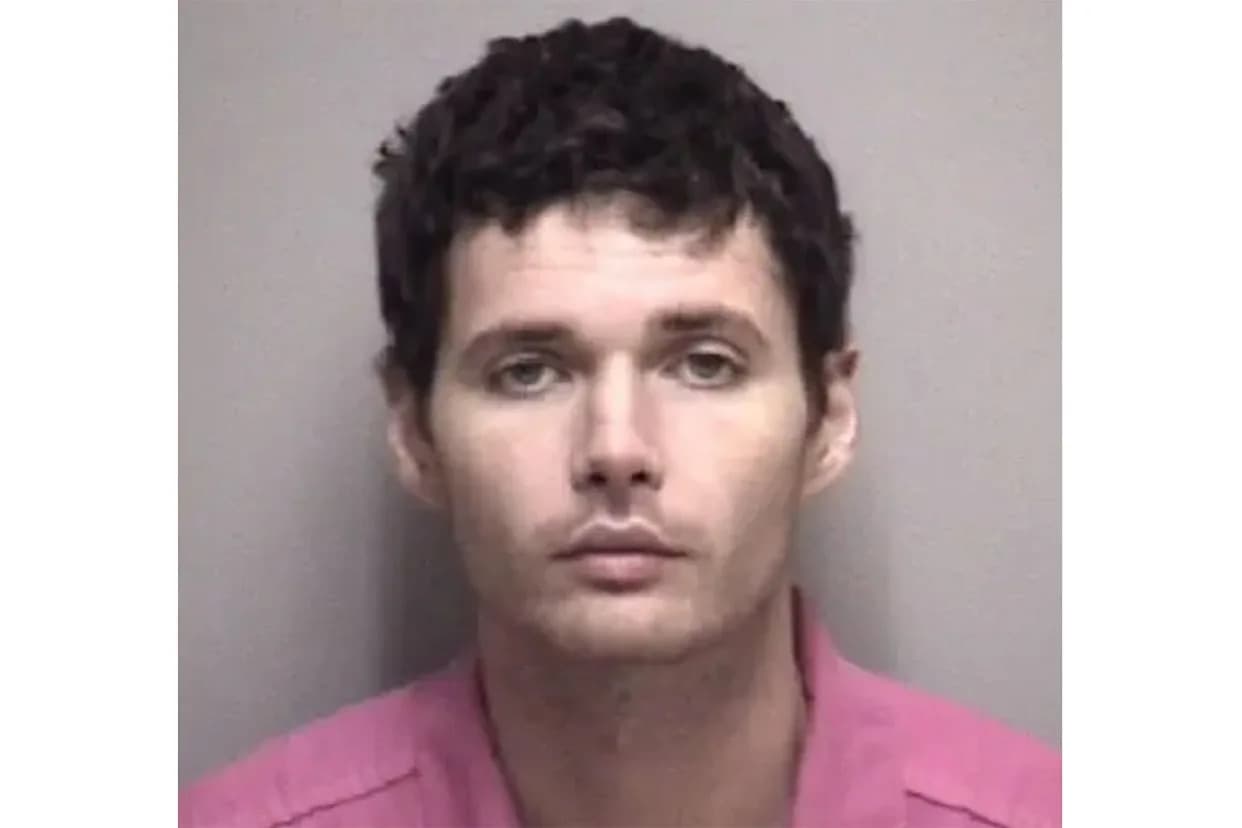
Padrino's support is critical for anyone wishing to preside over Venezuela (Handout)(Handout/Venezuela's Defense Ministry/AFP)
Vladimir Padrino, 62, rose from an accidental enrolment at Venezuela's Military Academy to become the country's most powerful military figure and a decisive political kingmaker.
Named after the Marxist revolutionary Vladimir Lenin, Padrino says he only took the military entrance exam on a friend’s suggestion. That chance decision set him on a decades-long trajectory through the Venezuelan armed forces, where he became a close protege of Hugo Chávez and later a central pillar of Nicolás Maduro’s rule.
From Cadet To Commander
As a cadet, Padrino met Lieutenant Hugo Chávez, whom he later described as "my teacher, my mentor." That relationship helped shape his political outlook and career. A pivotal moment came in 2002, when a military coup briefly ousted Chávez. Then-commander Padrino refused to join the uprising — a choice he says followed Chávez’s personal plea — and after the president was restored, Padrino moved steadily up the ranks.
Defense Minister And The Culture Of Loyalty
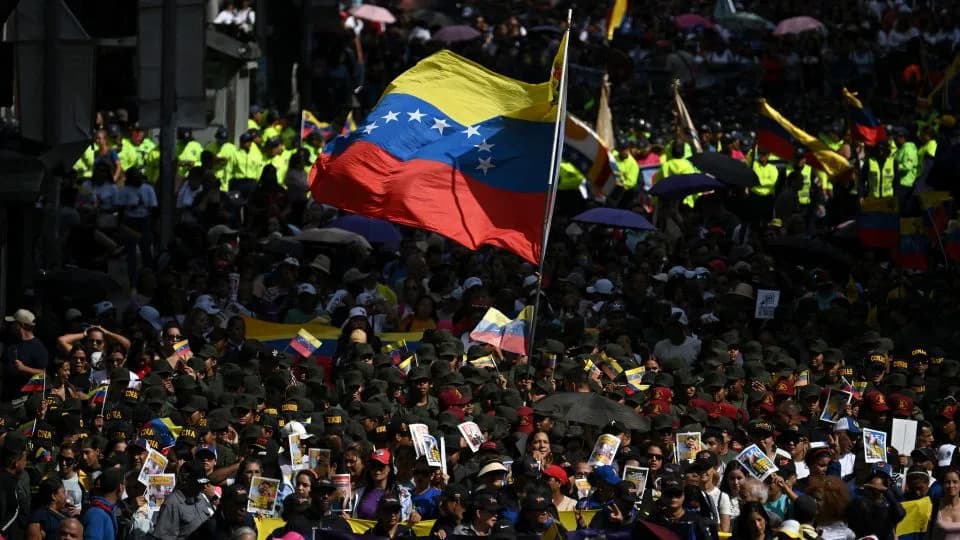
Named defense minister in 2014, Padrino consolidated his control over the armed forces and helped cultivate what critics call a culture of "absolute loyalty." The military under his influence played a central role in upholding Maduro’s contested re-election in July 2024, overseeing a security response to protests that human-rights groups say led to thousands of arrests.
"After I met Commander Chavez, the revolutionary seed took root," Padrino has said of the late president.
Power Beyond The Barracks
Padrino's reach extends into Venezuela’s political economy: the military controls key sectors including mining, oil, food distribution, customs and exerts influence over armed community groups known as "colectivos." As defense minister he has also exercised influence across other ministries, many led by current or former officers.
Aftermath Of The January Strike
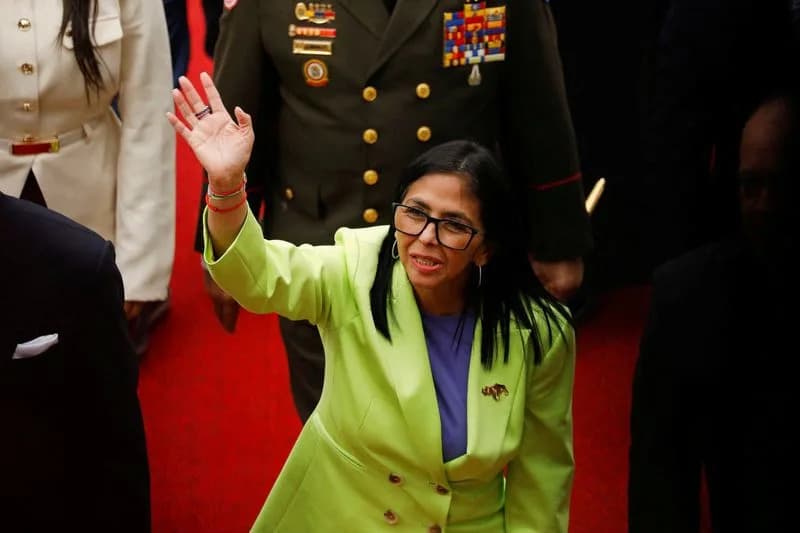
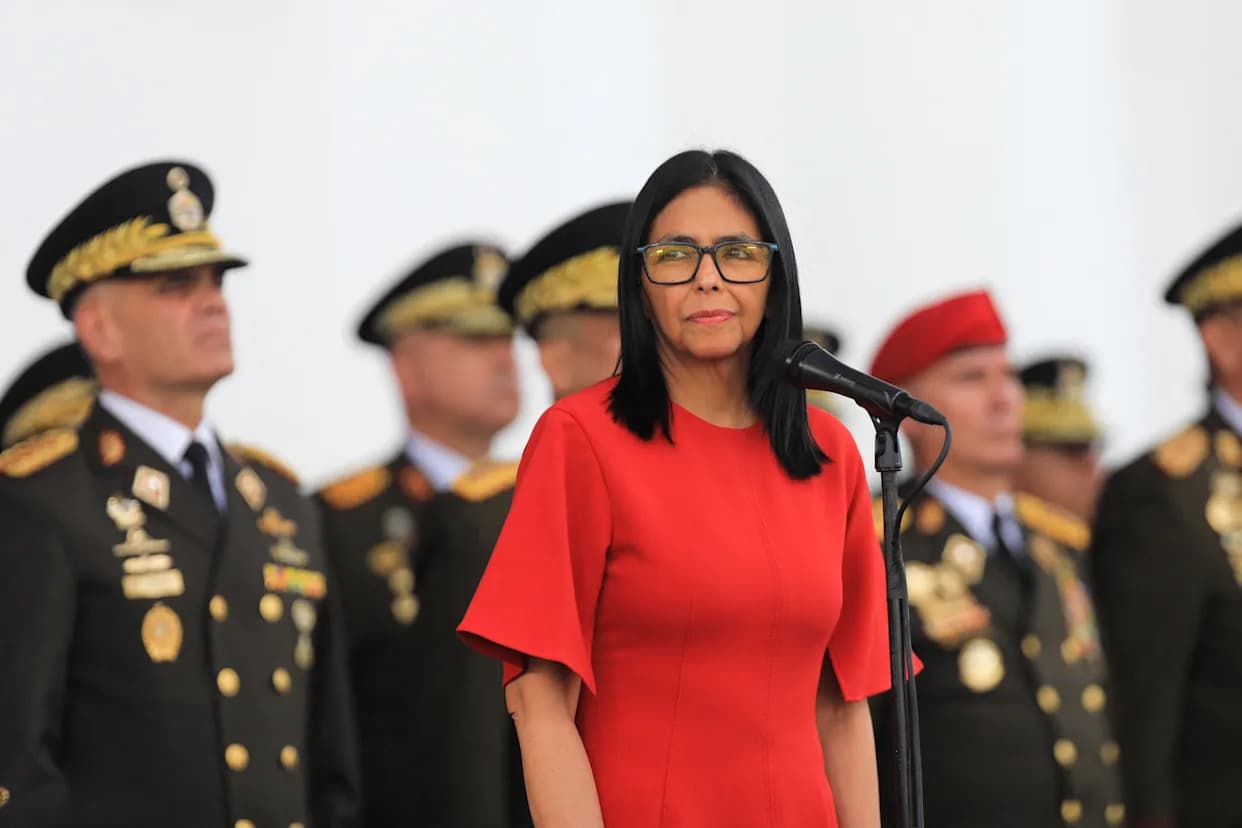
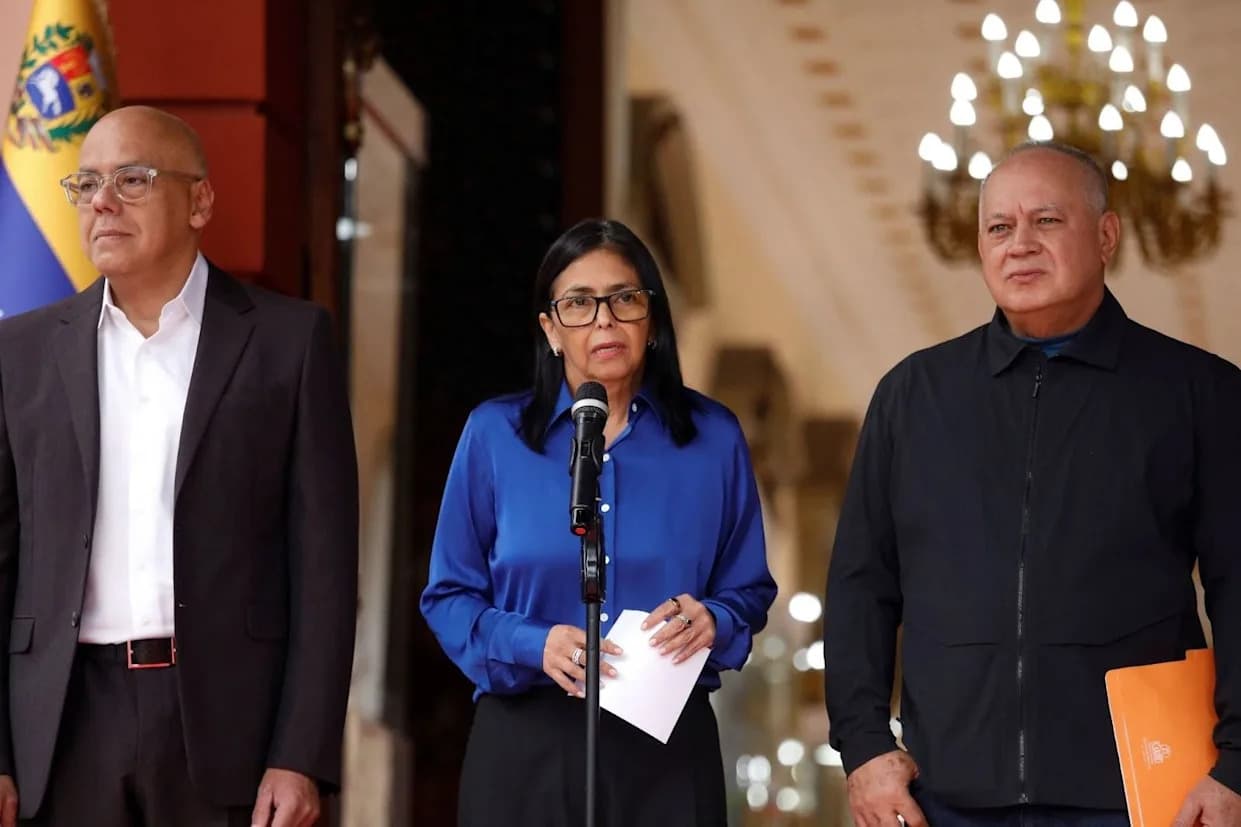
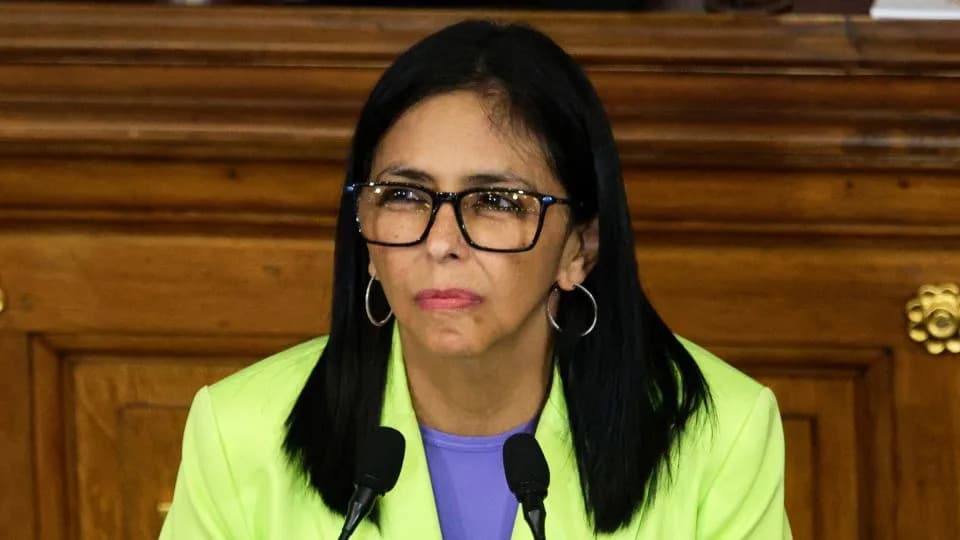
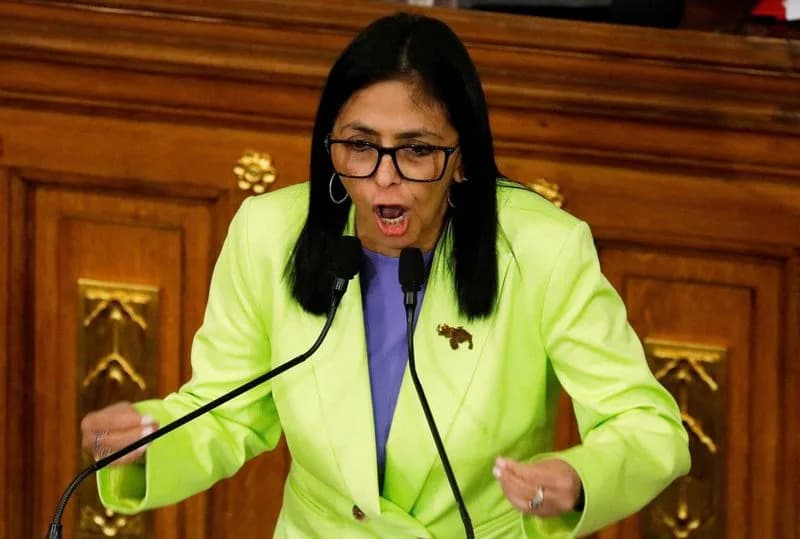
Following a US military strike on January 3 that removed Nicolás Maduro from power, Padrino shifted his allegiance to interim president Delcy Rodríguez. Rodríguez’s ability to govern hinges largely on continued military support; without it, analysts say her position would be precarious.
Rodríguez has largely preserved the senior military leadership — keeping Padrino and Strategic Operational Command chief Domingo Hernández Lárez in place — while making limited regional command changes and replacing the head of her presidential guard. Observers warn, however, that Padrino’s backing could hinge on shifting international dynamics and domestic calculations.
Controversies And Sanctions
Padrino has long been targeted by US sanctions over allegations including drug trafficking, human-rights abuses and corruption. Supporters portray him as a stabilizing force; critics argue his role has helped entrench military dominance over Venezuelan politics and the economy.
Outlook
With control of key economic levers and security forces, Padrino remains a pivotal actor in Venezuela's uncertain transition. His decisions — whether to stick with Rodríguez, negotiate with international actors or pivot again — will be among the most consequential factors shaping the country's near-term trajectory.
Help us improve.