Democrats are mounting a major state-level push ahead of the 2026 midterms: the DLCC aims to flip more than 650 legislative seats through an early investment strategy it values at $50 million. The plan targets battlegrounds like Wisconsin, Michigan and Arizona while chipping away at GOP control in several red states. Reversing a 15-year loss of roughly 800 statehouse seats would restore local influence and rebuild the pipeline for higher office, but success depends on funding, candidate recruitment and uncertain voter turnout dynamics without Donald Trump on the ballot.
Democrats' Quiet Strategy: A $50M Push To Flip More Than 650 State Legislative Seats

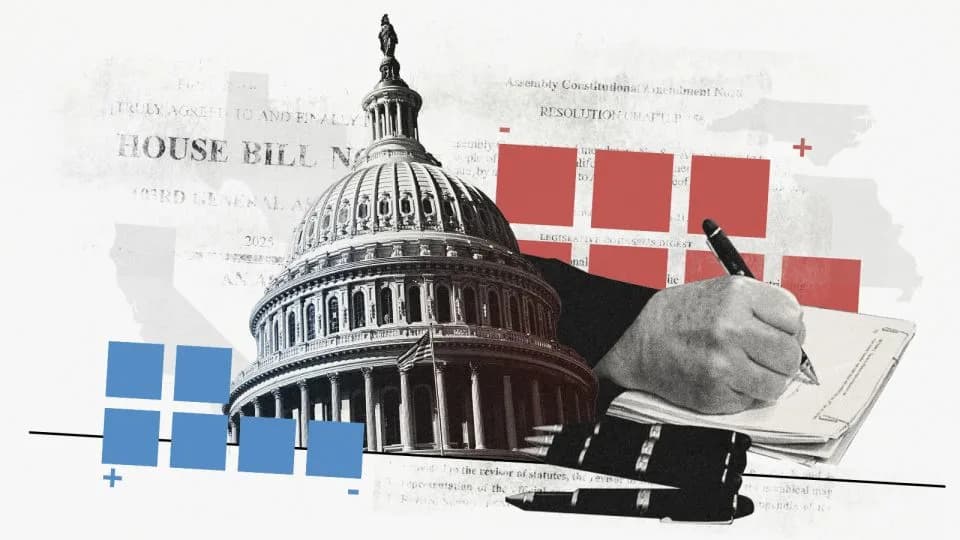
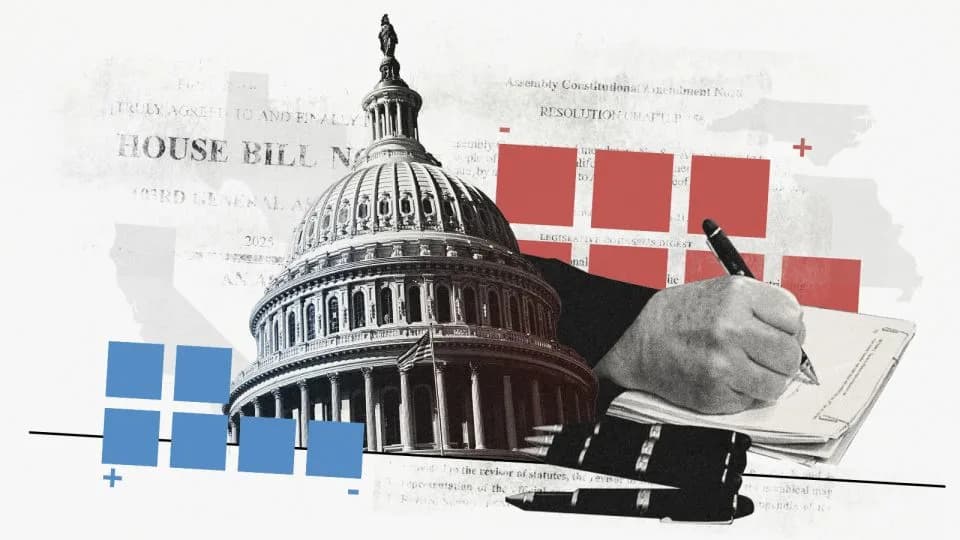
As national Democrats focus on reclaiming the U.S. House and key governorships, party strategists are also mounting a quieter—but potentially consequential—effort to rebuild power at the state level. The Democratic Legislative Campaign Committee (DLCC) has outlined an ambitious plan to "flip more than 650 state legislative seats," backed by an early investment strategy the group estimates at $50 million.
Targets and Strategy
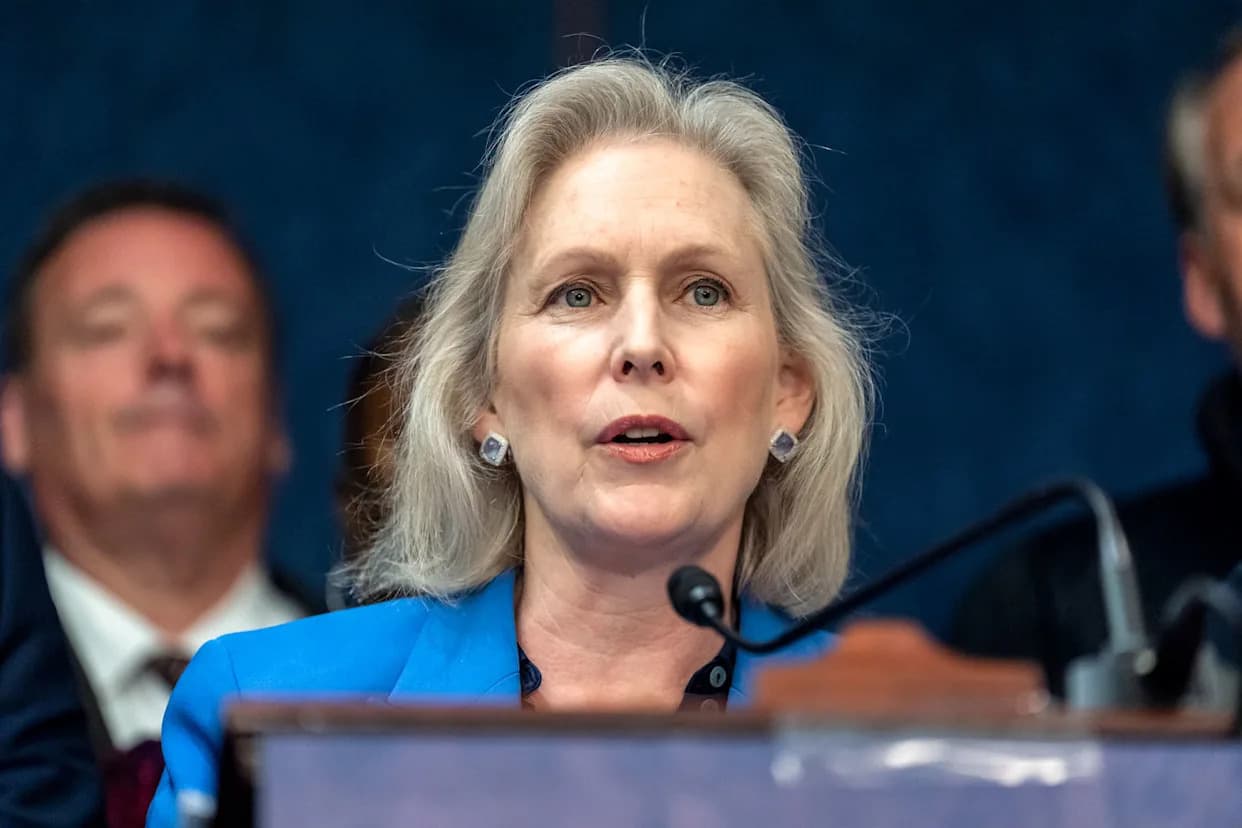
The DLCC is concentrating resources on competitive battlegrounds such as Wisconsin, Michigan and Arizona while also trying to reduce GOP dominance in states like Iowa, Kansas, Missouri and Ohio. A DLCC memo from President Heather Williams calls the moment "a favorable political environment...on a scale that only comes once in a generation," and stresses the need to fund and invest early in those battlegrounds.
Context: What Democrats Have Lost—and What They Hope To Win
Data from the National Conference of State Legislatures show Democrats have lost roughly 800 state legislative seats over the past 15 years, eroding their influence in many state capitals. That erosion has left Democratic governors in states such as Wisconsin, Arizona and North Carolina frequently contending with GOP-controlled legislatures; Democrats currently control only one chamber in Pennsylvania, Michigan and Minnesota.
Why Statehouses Matter
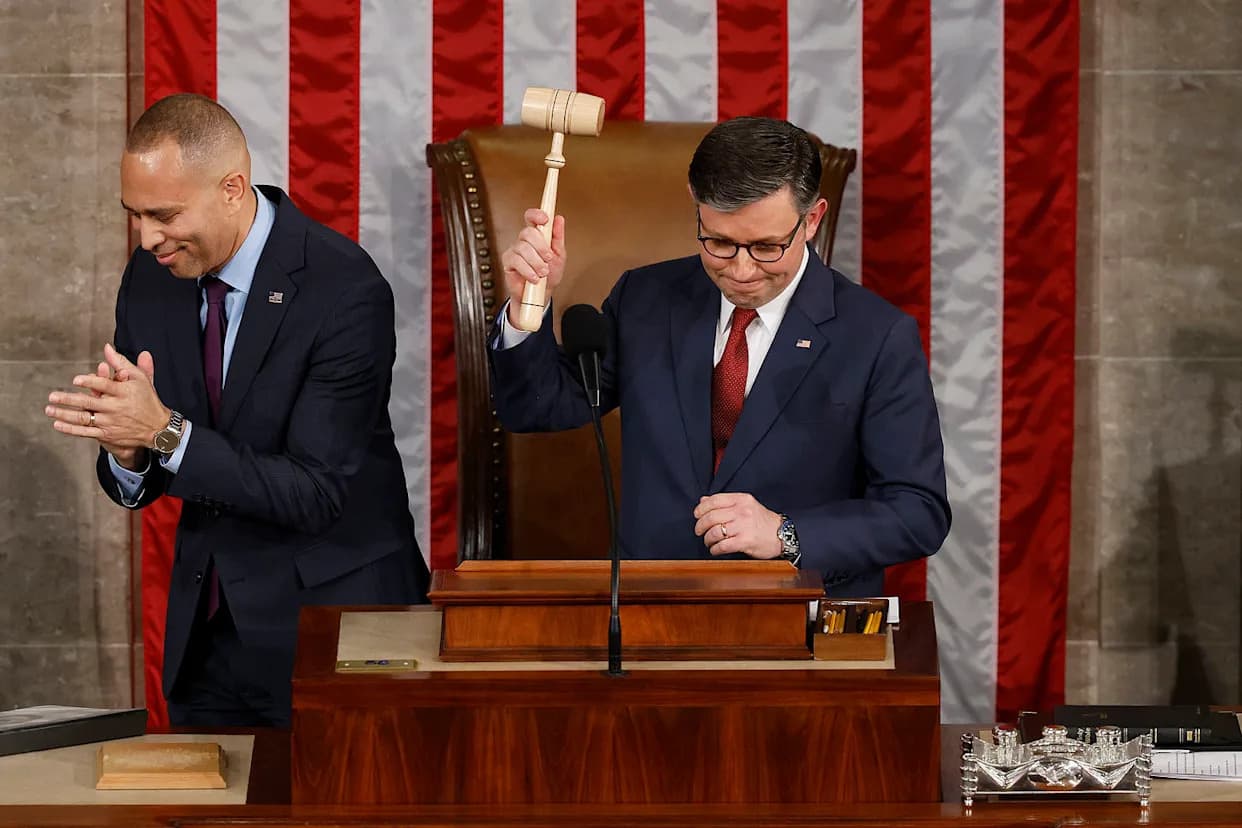
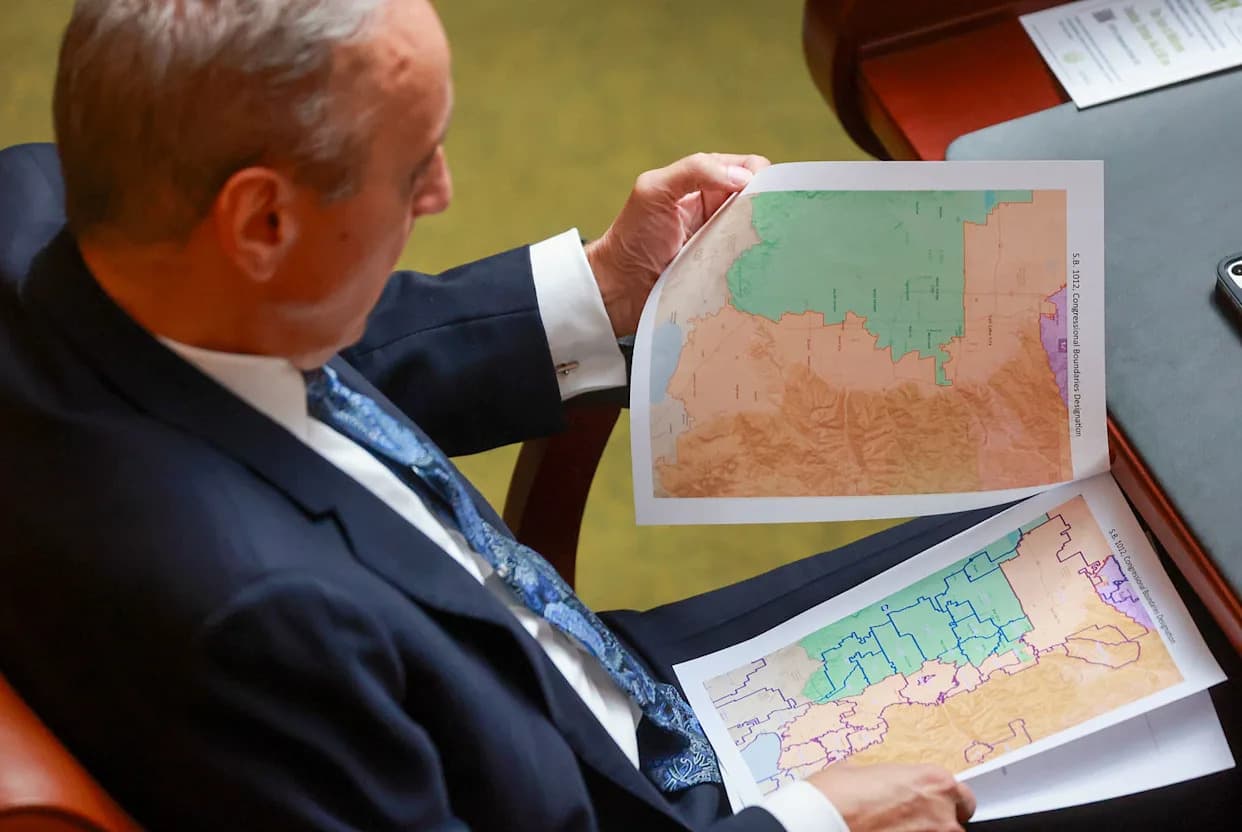
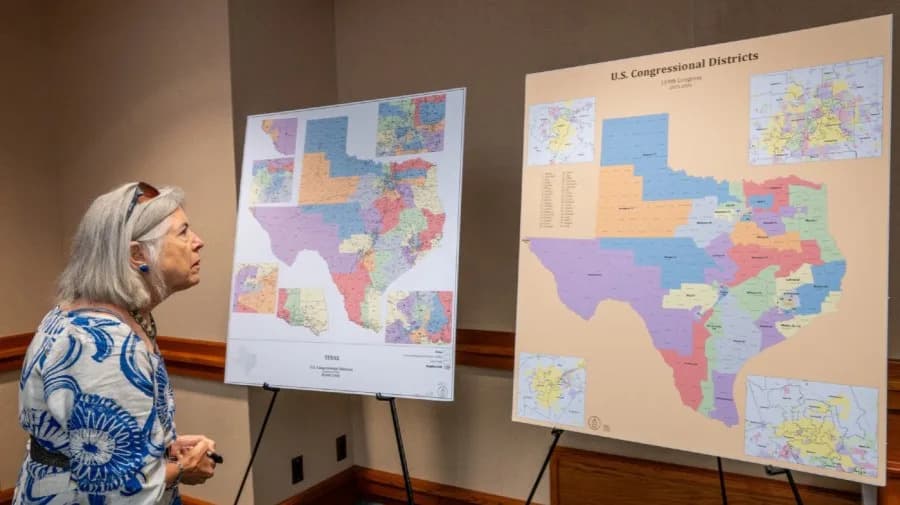
Control of state legislatures shapes policy on education, voting rules and reproductive rights—and it also affects congressional maps. In recent months, GOP-led legislatures in North Carolina, Missouri and Texas have redrawn congressional districts mid-decade in efforts to protect or expand their advantage in the U.S. House.
Candidate Pipeline And Local Strength
Party officials say investing in state legislative races also rebuilds the bench of experienced, locally rooted candidates who can run for higher office. Examples cited include Kansas Gov. Laura Kelly, Michigan Gov. Gretchen Whitmer and Pennsylvania Gov. Josh Shapiro—each of whom rose through their state legislatures before winning statewide office.
"State legislative Democrats are local elected officials who are very close to their communities and very close to voters," DLCC President Heather Williams said. "We are able to deliver an aspect of the Democratic brand and the Democratic storytelling that is better than anyone else, because it is rooted in everyday, regular conversations and needs."
Political Headwinds And Unknowns
Midterm cycles typically present challenges for the president's party, which could work in Democrats' favor in 2026. However, Republicans are pushing back on the idea Democrats hold a clear edge: RSLC President Edith Jorge-Tuñón warned that Democrats' early investments and emotional appeals may only produce short-term momentum.
Another key unknown is how much influence former President Donald Trump will exert when he is not on the ballot. Trump's performance in 2024 helped lift Republican turnout in several battlegrounds; GOP strategists must decide whether they can produce similar enthusiasm without him atop the ticket.
Potential Impact
The DLCC memo argues that flipping chambers in Arizona, Michigan and Wisconsin—and breaking Republican supermajorities in up to 10 states—is achievable if resources are deployed early and broadly. If successful, the plan could shift policy levers in multiple states and blunt GOP power over redistricting and legislation.
Still, the outcome is far from certain. Recent Democratic gains in Virginia and New Jersey provide encouragement, but both parties view the map as competitive and plan vigorous campaigns next year.
Help us improve.