Israeli forces led journalists through a major tunnel complex beneath Rafah — a city captured and largely flattened last year — as a two-month ceasefire with Hamas reaches a sensitive point. The army described the route as over 7 km long and up to 25 m deep, used for weapons storage and by senior commanders; it also said the tunnel once held the remains of a soldier returned under the ceasefire. Mediators warn the next phase of talks, covering issues such as disarming Hamas and potential Israeli withdrawal, will be significantly more complex.
Inside Rafah’s Underground: Israeli Troops Escort Journalists Through a 7 km Tunnel Network

Israeli soldiers escorted journalists into an extensive tunnel system beneath Rafah, the southern Gaza city Israeli forces captured and largely reduced to rubble last year. The visit, tightly supervised by the military, came as a fragile, two-month ceasefire with Hamas approaches a tense second phase.
A Glimpse Underground
Reporters filed through a narrow entrance, ducking under low ceilings and picking their way around broken concrete, dangling cables, crushed plastic bottles and tattered mattresses. The army described the route as one of Hamas’ most elaborate underground arteries — more than 7 kilometers (about 4 miles) long and reaching depths up to 25 meters (82 feet) — used for storing weapons and extended stays by senior commanders.
Hostage Remains and the Ceasefire
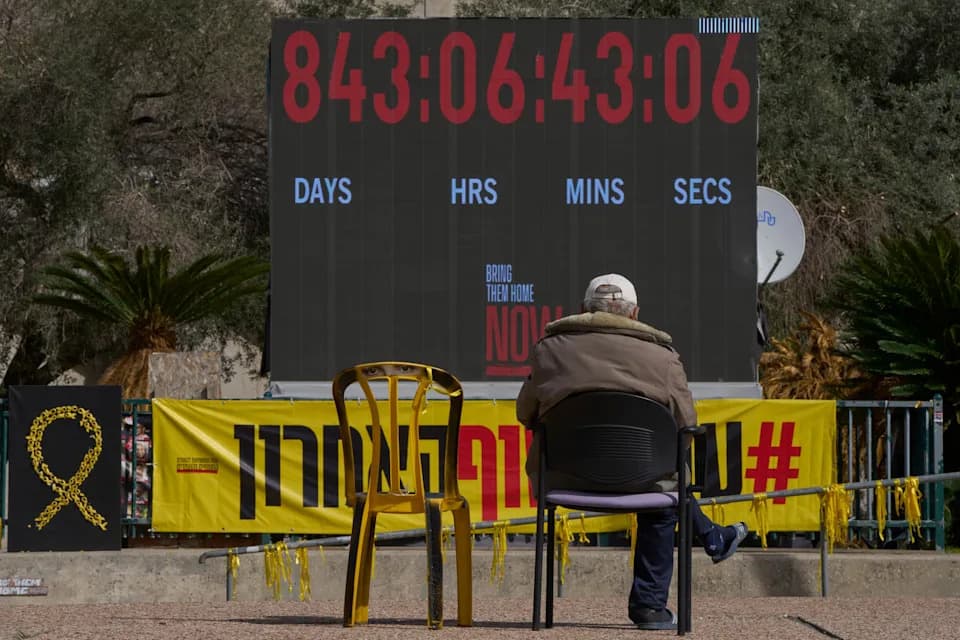
Israeli officials said the tunnel had once held the remains of soldier Hadar Goldin, 23, whose body was returned last month under a U.S.-brokered ceasefire that followed the Oct. 7, 2023 militant attack on southern Israel. The first phase of the truce required the return of all hostages, live and dead, in exchange for Palestinians held by Israel; Israeli authorities say the remains of only one hostage remain to be returned.
“What we see right here is a perfect example of what Hamas did with all the money and the equipment that was brought into Gaza throughout the years,” said Lt. Col. Nadav Shoshani. “Hamas took it and built an incredible city underground for the purposes of terror and holding bodies of hostages.”
Rafah Above Ground
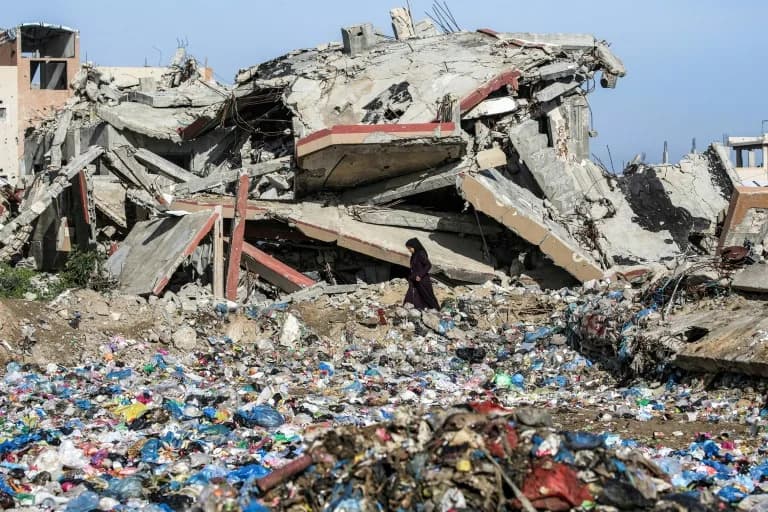
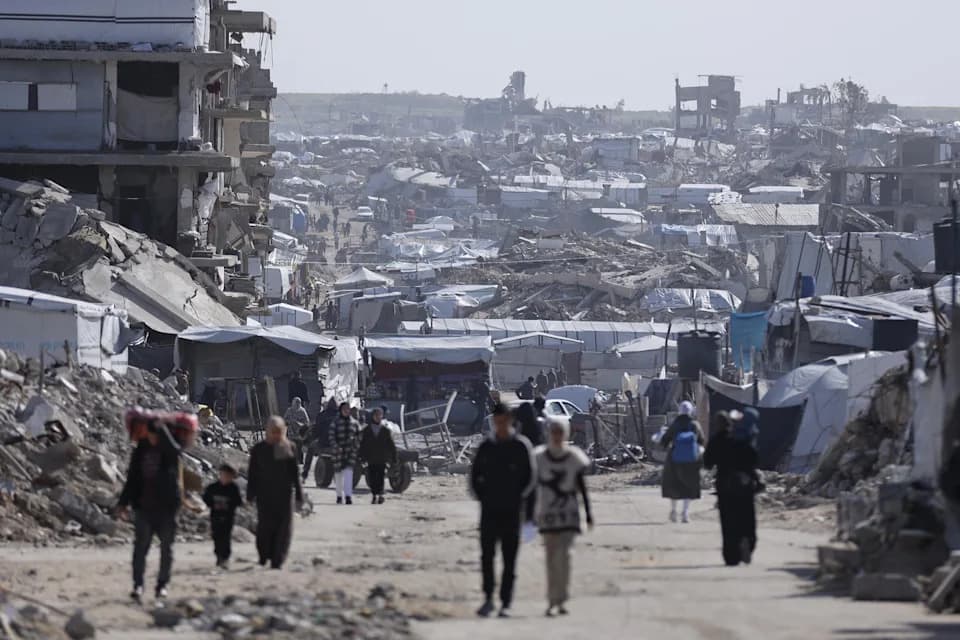
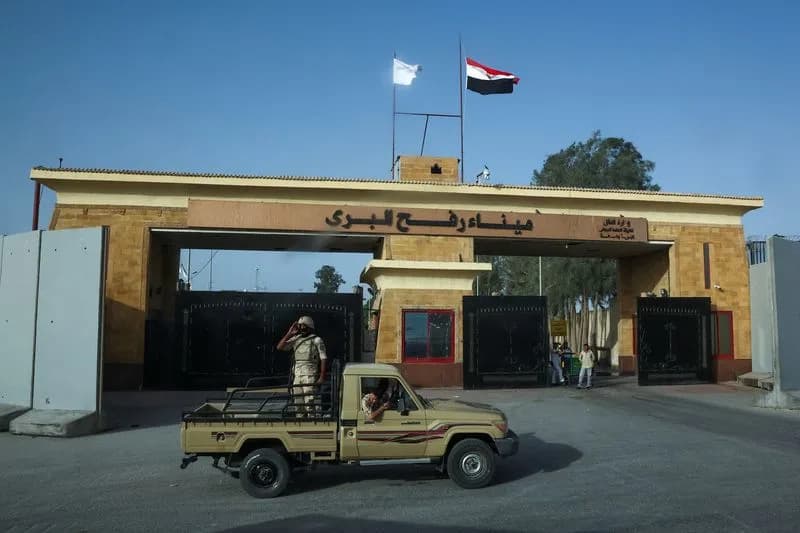
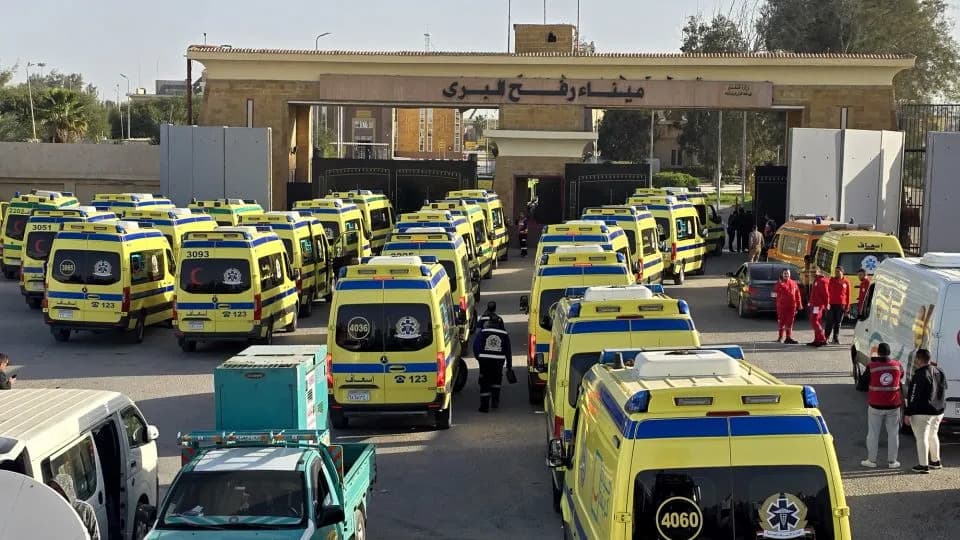
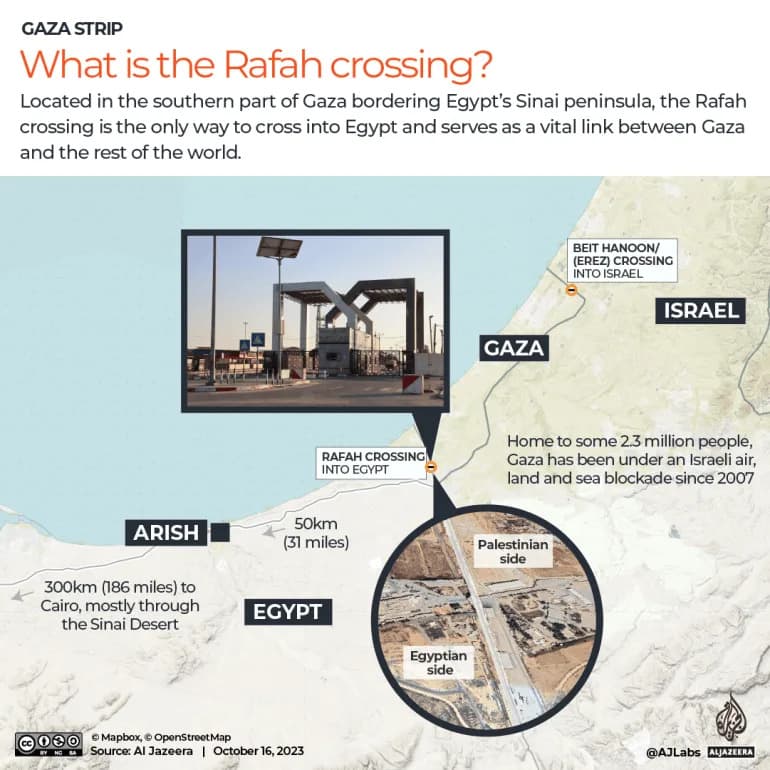
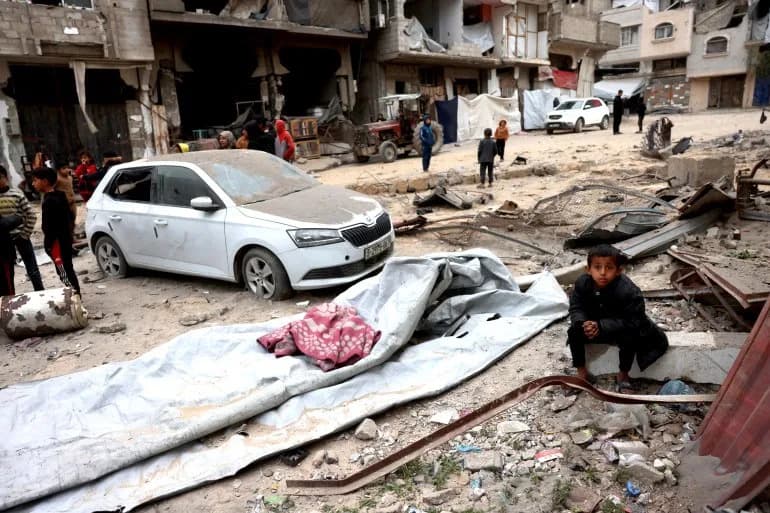
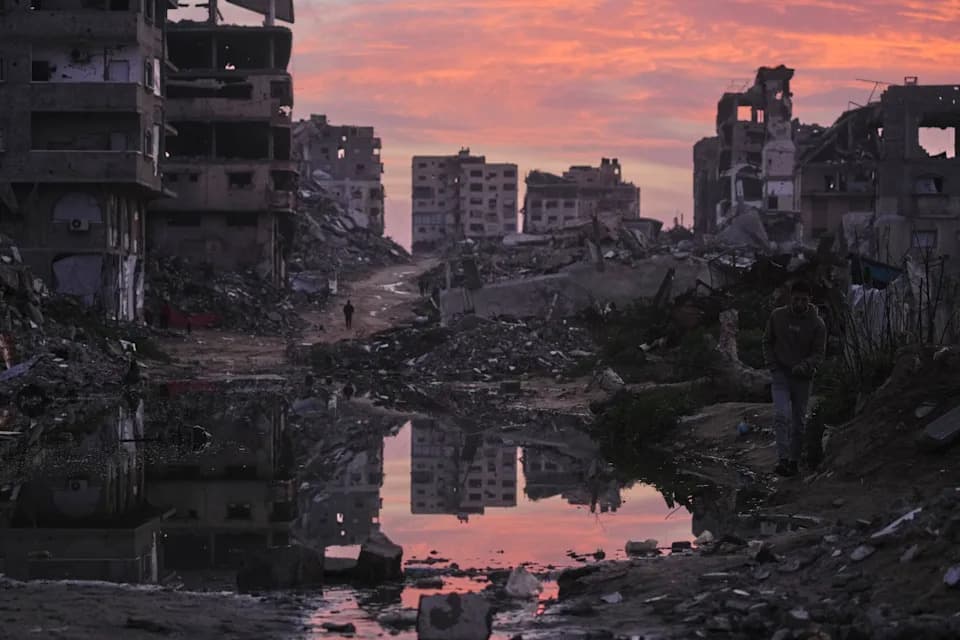
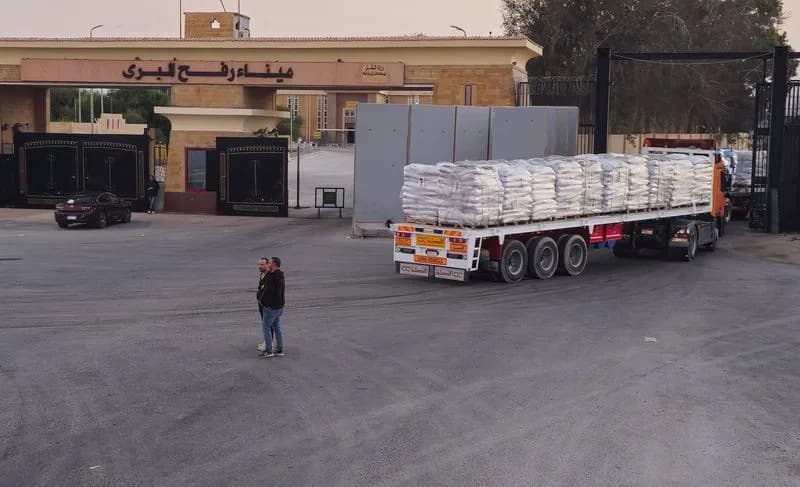
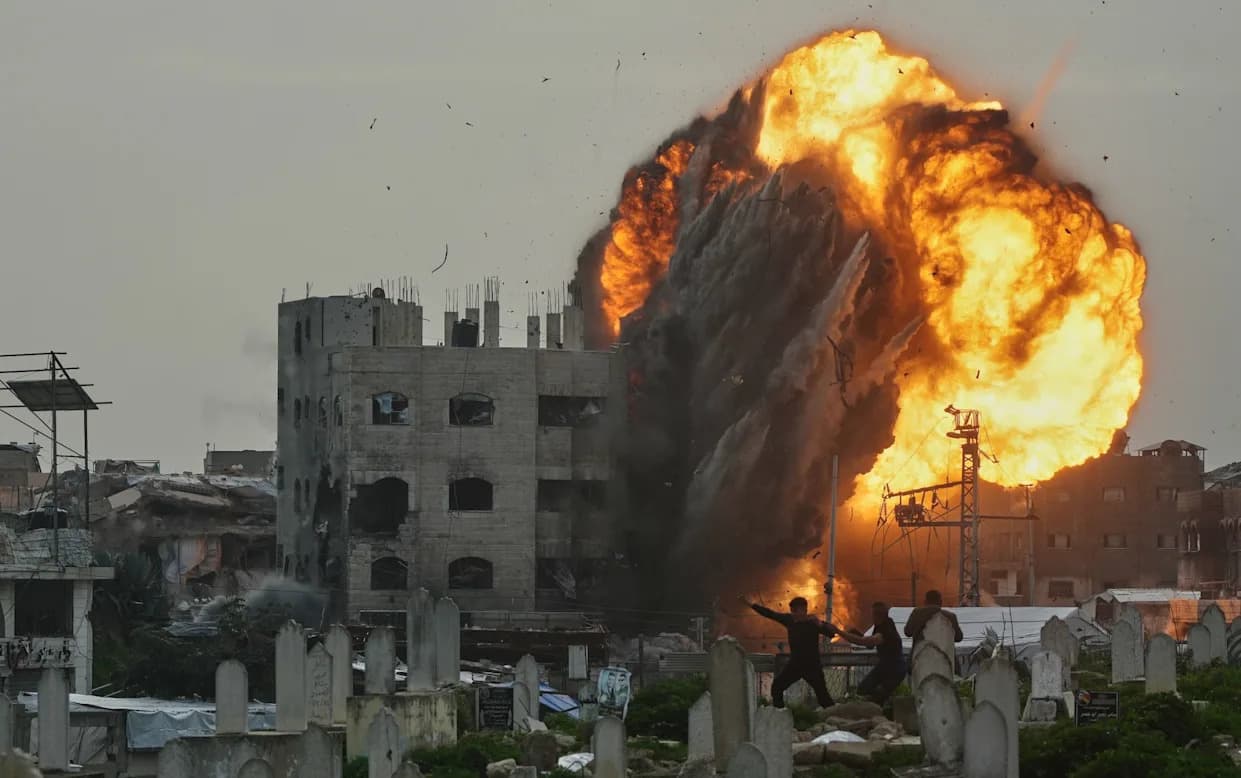
Rafah endured heavy fighting and widespread destruction after Israeli forces launched a major operation there last year. Satellite imagery and on-the-ground reporting show much of the city in ruins, with towers of mangled concrete, twisted metal and exposed rebar lining roads. Nearly one million people were displaced, and Israeli troops seized and shuttered the vital Rafah crossing — Gaza’s main gateway to the outside world that had not been under Israeli control.
What Comes Next
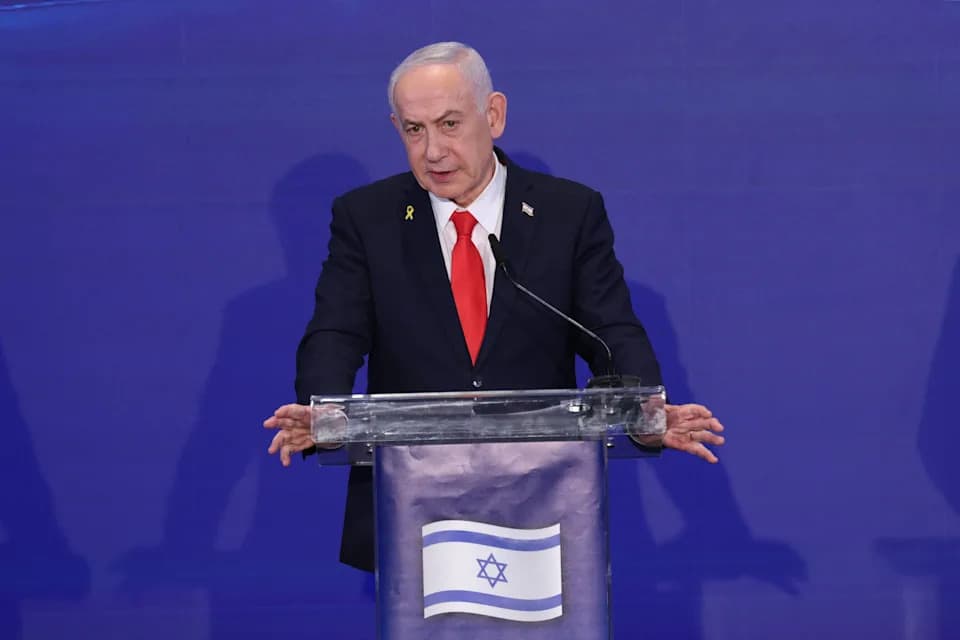
Mediators warn the second phase of ceasefire talks will be far more complicated, involving thorny issues such as disarming Hamas and an Israeli withdrawal from parts of the Gaza Strip, which Israel currently controls in large measure. Israeli Prime Minister Benjamin Netanyahu is reported to be scheduled to travel to Washington this month to discuss next steps with U.S. leaders.
The Israeli military has not decided the tunnel’s fate: options under consideration include sealing it with concrete, demolishing sections, or preserving it for intelligence exploitation. Since the ceasefire began, Israeli officials say three soldiers have been killed in clashes with about 200 militants they and Egyptian authorities believe remain underground in territory held by Israel. Palestinian health authorities report more than 370 Palestinians killed in strikes since the truce took effect; the Gaza Health Ministry — run by Hamas — reports over 70,000 deaths since the wider war began and does not distinguish civilians from fighters.
Both sides have accused the other of violating the truce during its first phase: Israel alleges delays and obstructions in returning hostages, while Palestinian officials report ongoing strikes and civilian casualties.
Editor's Note: This article was submitted for review by Israel’s military censor, which made no changes.
Help us improve.