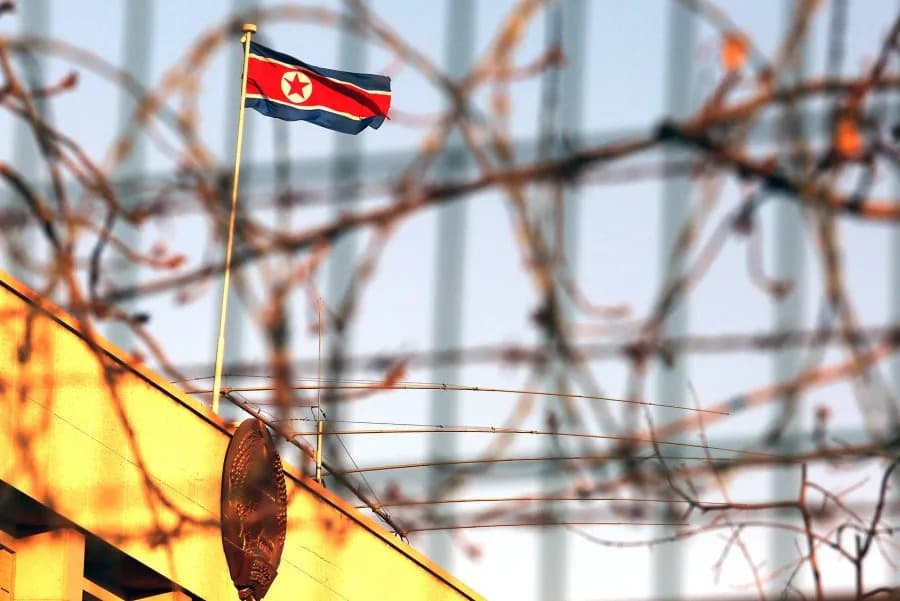
The Rafah crossing into Egypt has entered a trial phase ahead of a limited reopening that completes the first phase of a US-brokered ceasefire. COGAT said the terminal — closed since May 2024 — was prepared with EU and Egyptian involvement and will allow only residents to pass. Authorities say up to 150 people may leave daily and 50 may enter, but high fees, security checks and bureaucratic hurdles mean few can realistically travel. The reopening followed the return of the final deceased hostage, Ran Givili.
Rafah Crossing Enters Trial Phase: Limited Departures Mark Progress in US-Brokered Ceasefire
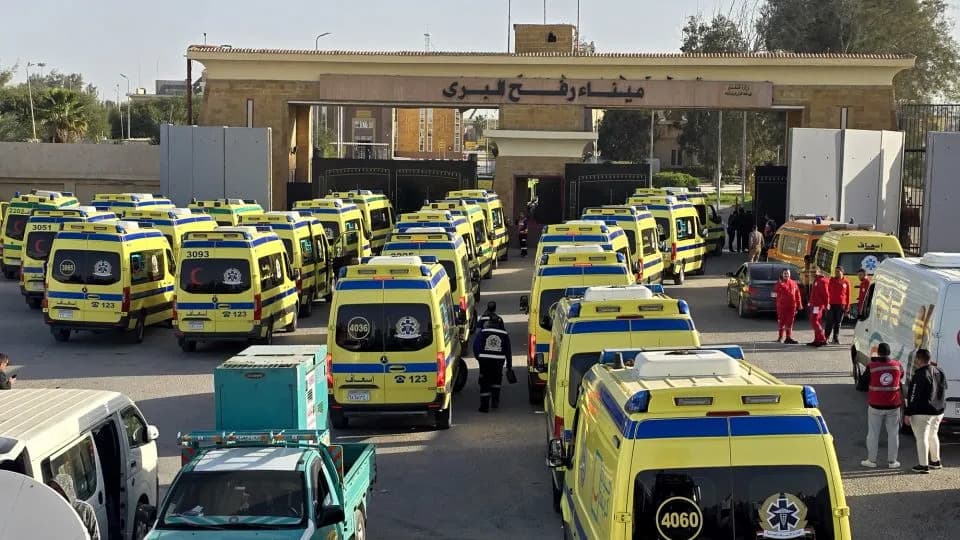
Ambulances and medical teams affiliated with the Egyptian Ministry of Health arrive at the Rafah border crossing on Sunday, standing by to enter Gaza to provide humanitarian aid and medical support if the crossing is opened. - Ahmed Sayed/Anadolu/Getty Images
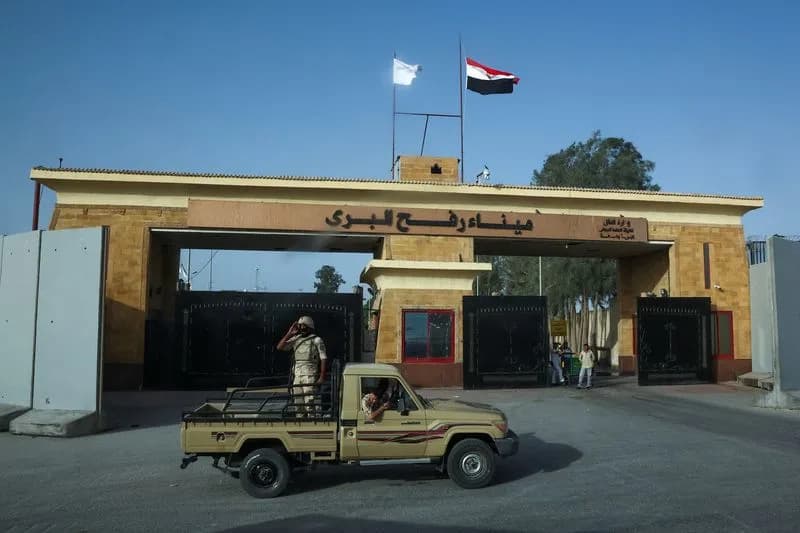
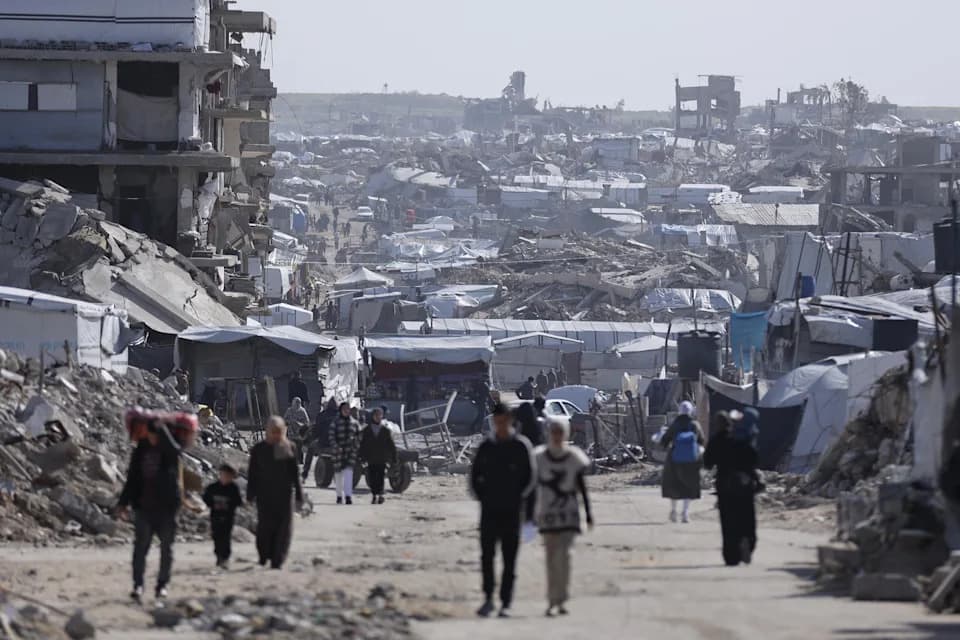
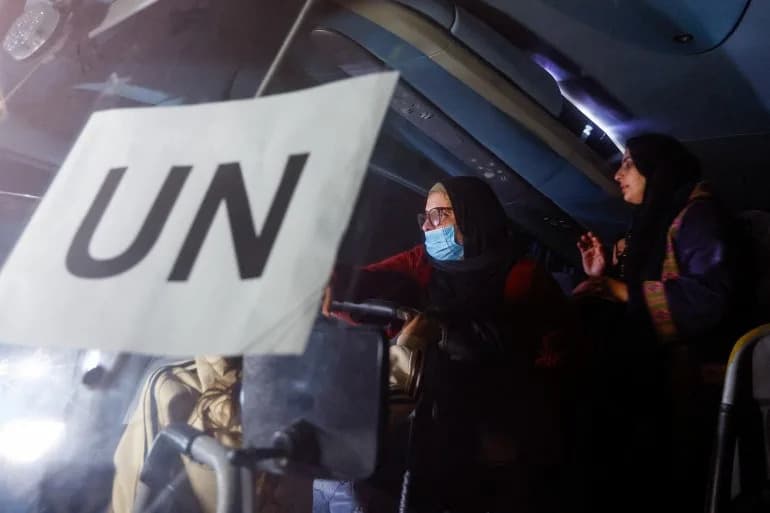
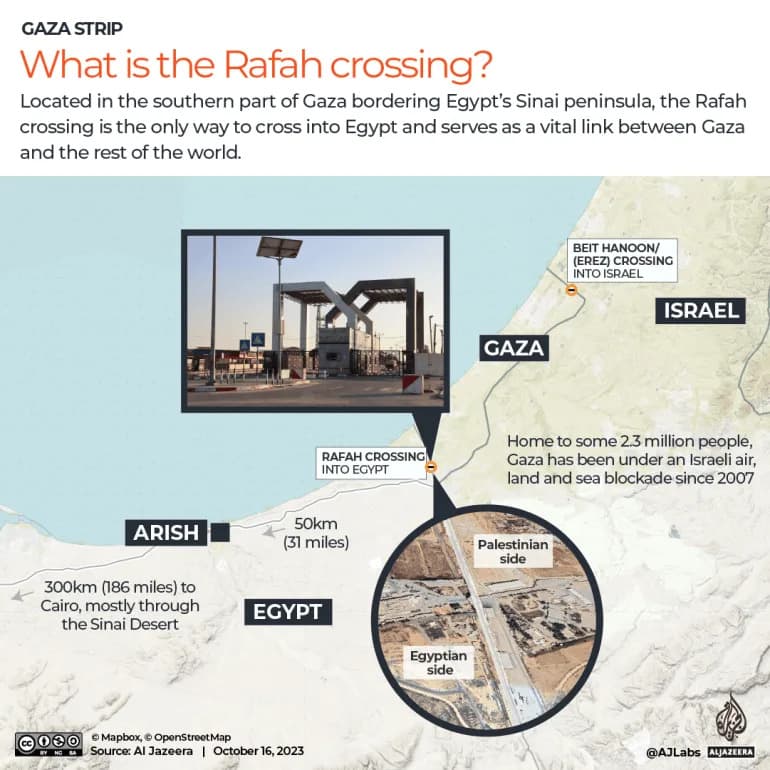
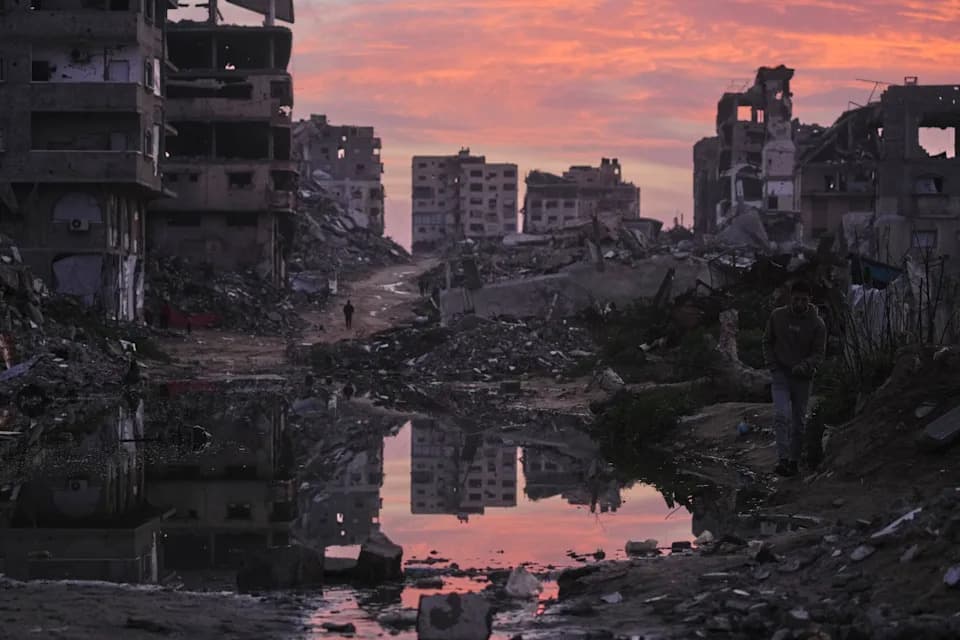
The Rafah crossing between Gaza and Egypt entered a trial phase on Sunday as authorities prepare for a tightly controlled reopening that will allow a small number of Palestinians to leave the war-torn territory. The move completes the first phase of a US-brokered ceasefire plan but falls well short of full operations at the terminal.
What’s Happening
Israel’s Coordinator for Government Activities in the Territories (COGAT) said the crossing, largely closed after Israel seized it in May 2024, has been readied with involvement from the European Union, Egypt and other parties who will help operate the terminal. COGAT emphasized the opening is limited to the "passage of residents only" and did not provide a firm date for when regular crossings will resume.
Numbers, Fees and Practical Barriers
An Israeli security official told CNN that the trial will allow up to 150 Palestinians to exit Gaza each day and about 50 to enter. However, multiple hurdles will limit who can actually cross: steep fees reported by some Palestinians — in some cases thousands of dollars — lengthy security screenings and complex bureaucratic procedures that together mean only a small fraction of those who need to travel will be able to do so.
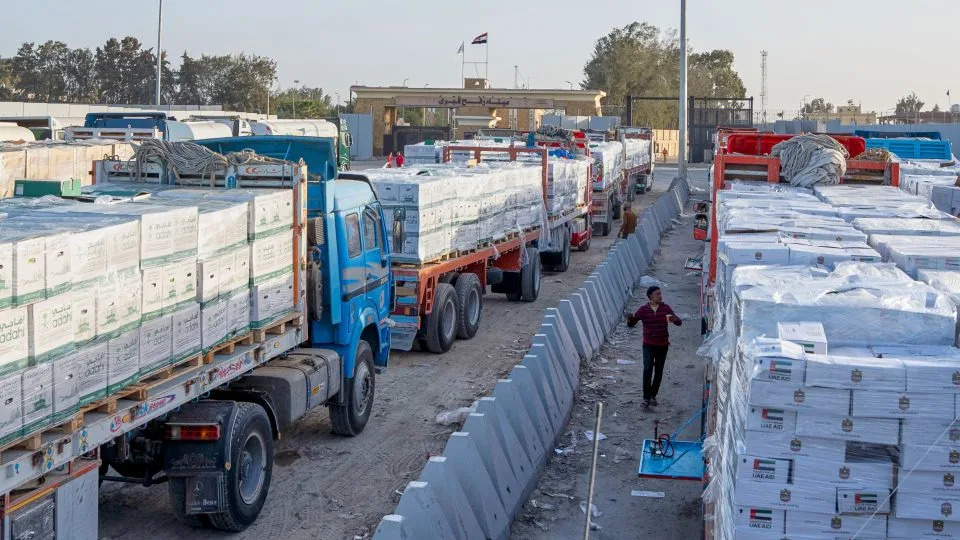
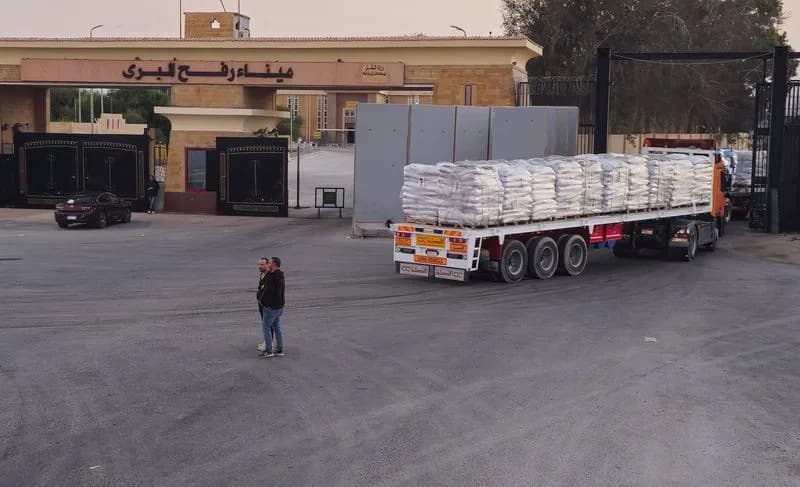
Trucks carrying humanitarian aids line up to enter the Egyptian gate of the Rafah crossing, heading for inspection by Israeli authorities before entering the Gaza Strip, in Rafah, Egypt on Sunday, February 1. - Mohammed Arafat/AP
Political Context
The partial reopening was a condition in the first phase of the 20-point ceasefire agreement that took effect in mid-October. Israel had conditioned Rafah’s reopening on the return of all living and deceased hostages; the final deceased hostage, Ran Givili, was returned to Israel last week. Palestinian technocratic committee head Ali Shaath said on social media the crossing would open in both directions on Monday.
Ali Shaath: "This signals Gaza is no longer closed to the future and to the world," he said when previewing the opening in mid-January.
What Comes Next
The United States announced the start of the second phase of the plan two weeks ago, coinciding with President Donald Trump’s launch of his "Board of Peace" in Davos. Observers say the trial phase at Rafah will be watched closely by humanitarian organizations and international partners to see whether it can be expanded to allow steady humanitarian aid flows and freer movement for civilians.
Bottom line: The trial opening of Rafah marks an important, symbolic step in the ceasefire process, but severe limits on numbers, high costs and tight security mean that most Palestinians are unlikely to benefit immediately.
Help us improve.