The Israeli military said it struck individuals who emerged from underground in Rafah overnight, killing three, while a US-brokered ceasefire remains in place. The truce entered a fragile second phase meant to advance disarmament and political arrangements, including the entry of a 15-member technocratic committee to administer Gaza. Israel permitted a limited reopening of Rafah for pedestrians amid a dire humanitarian crisis affecting more than two million people. The remains of the last hostage, Ran Gvili, were returned this week.
Israel Says Three Killed In Rafah Strikes As Fragile Ceasefire Enters Second Phase
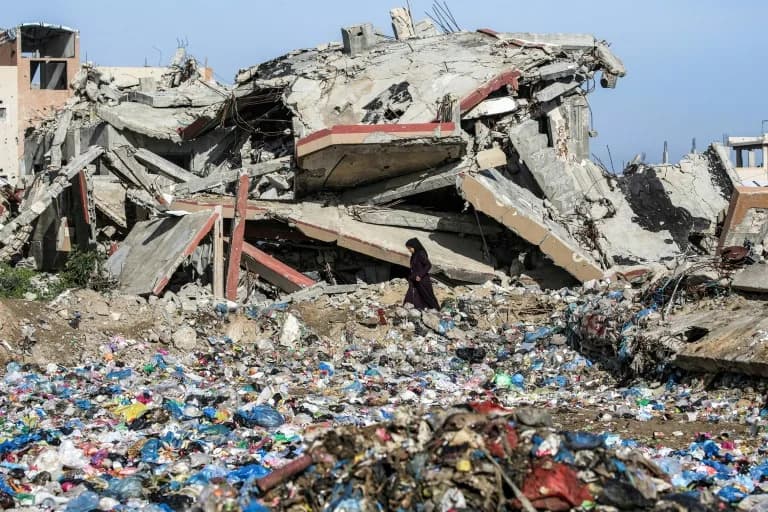
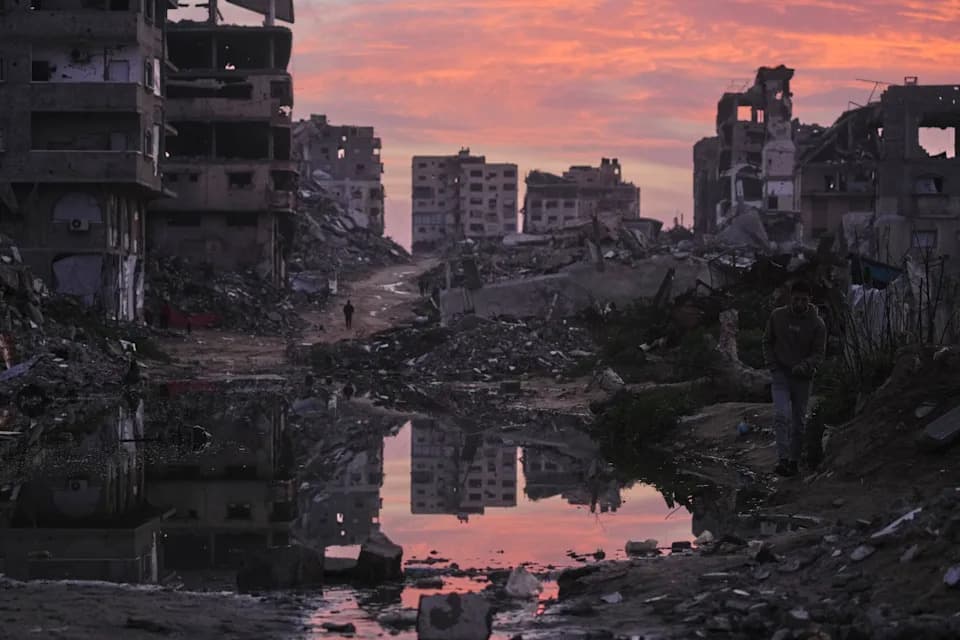
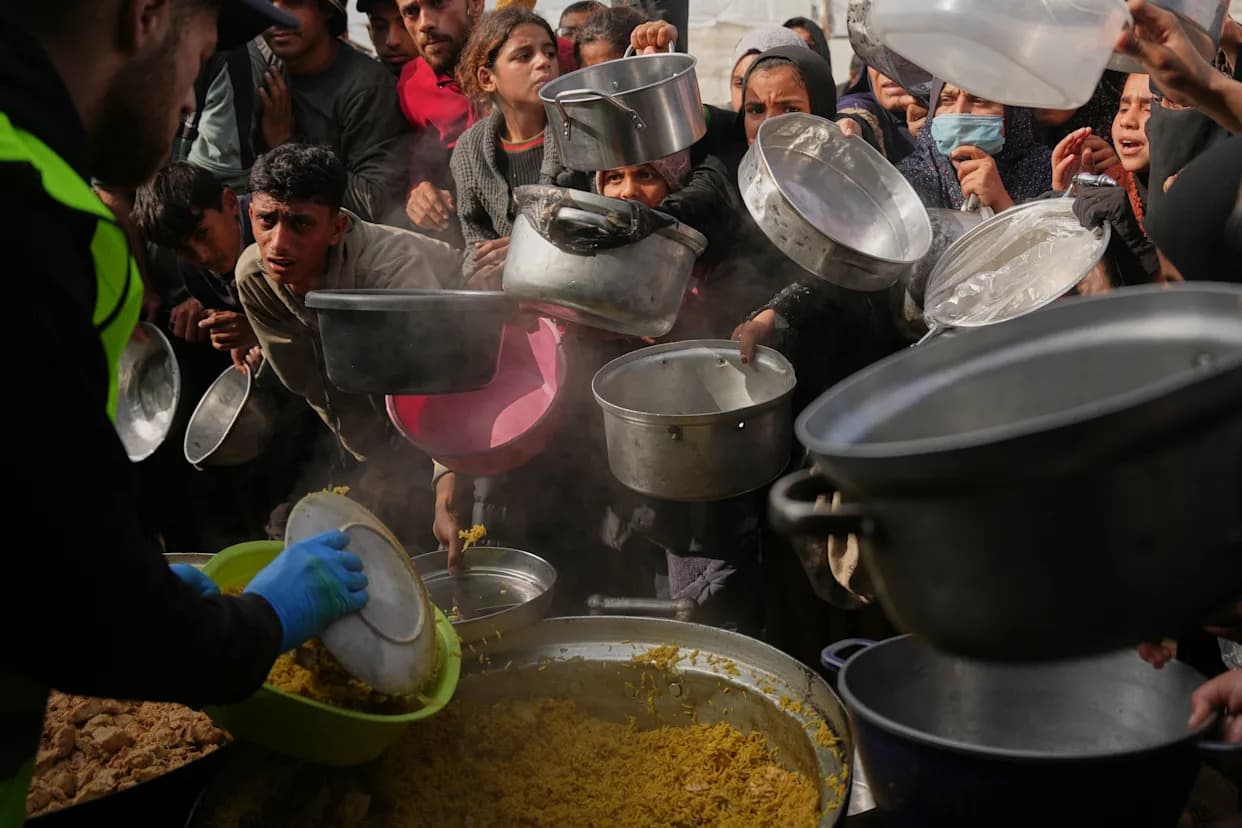
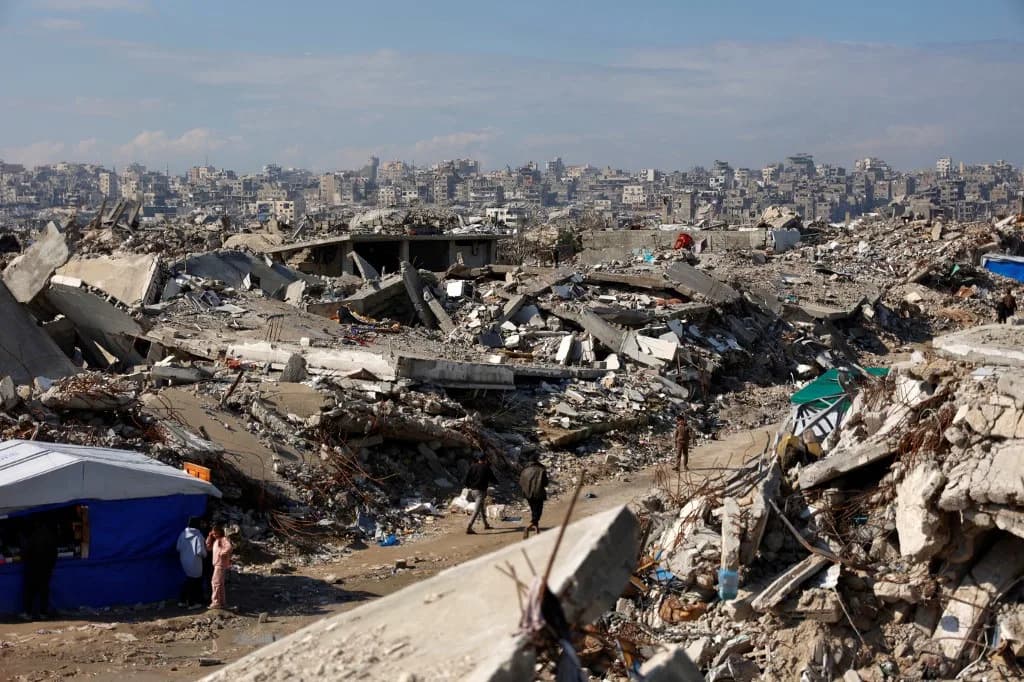
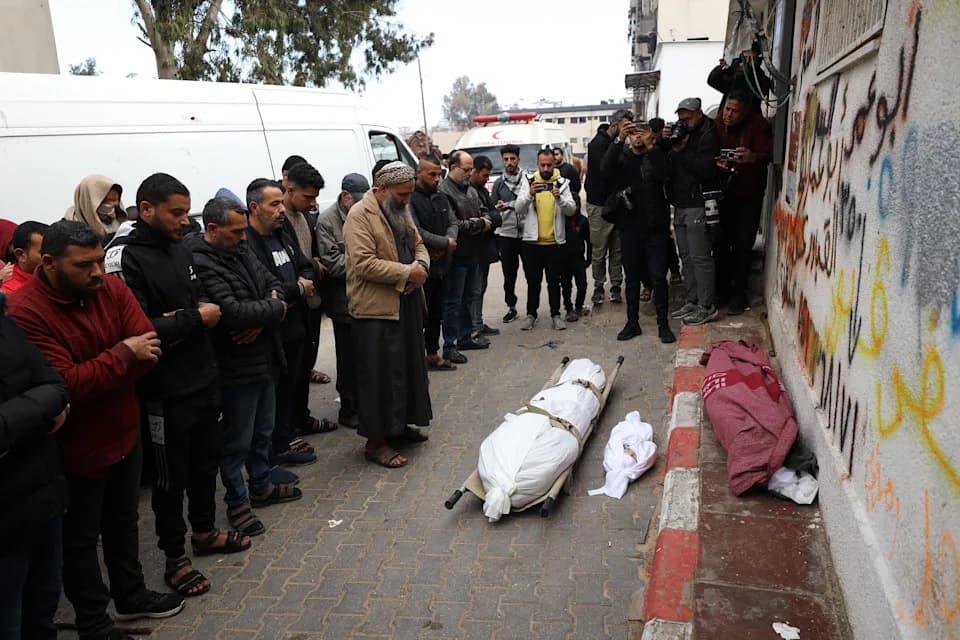
Conditions in the Gaza Strip remain dire despite a ceasefire between Israel and Hamas last October (EYAD BABA)(EYAD BABA/AFP/AFP)
The Israeli military said on Friday it carried out overnight strikes in the southern Gaza city of Rafah, targeting individuals it described as 'eight terrorists' who emerged from underground positions, and that three of those people were killed. The operation took place while a US-brokered ceasefire — now in a fragile second phase — remains in effect across Gaza.
Ceasefire Status and Recent Developments
The truce, negotiated after Hamas's October 2023 attack, has held for more than three months despite repeated mutual accusations of violations. Washington said in January the agreement had moved into a second phase intended to pave the way for a more durable end to the war, including measures aimed at disarming militant groups.
In its statement, the Israeli military said it identified 'eight terrorists' who surfaced from subterranean positions, that the air force 'struck and eliminated three of the terrorists', and that further strikes and area searches were underway to 'locate and eliminate all the terrorists.' The army added that its forces 'remain deployed in accordance with the ceasefire agreement and will continue to operate to remove any immediate threat.'
Administration And Border Access
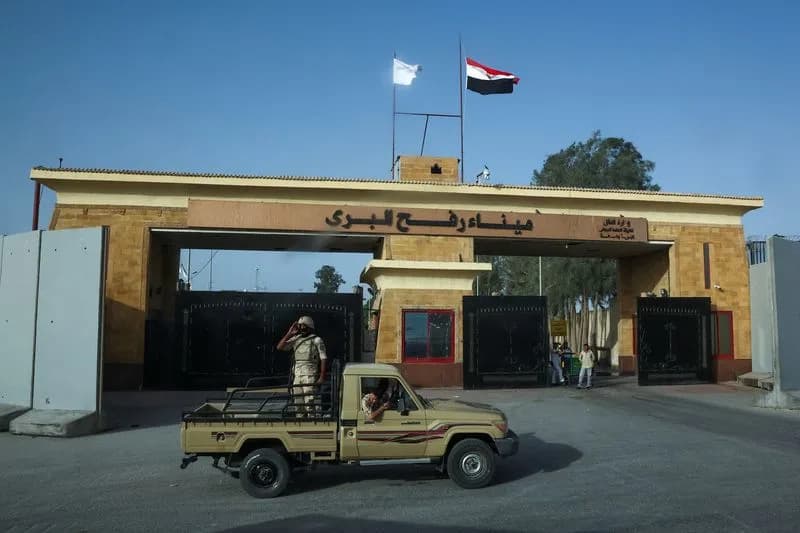
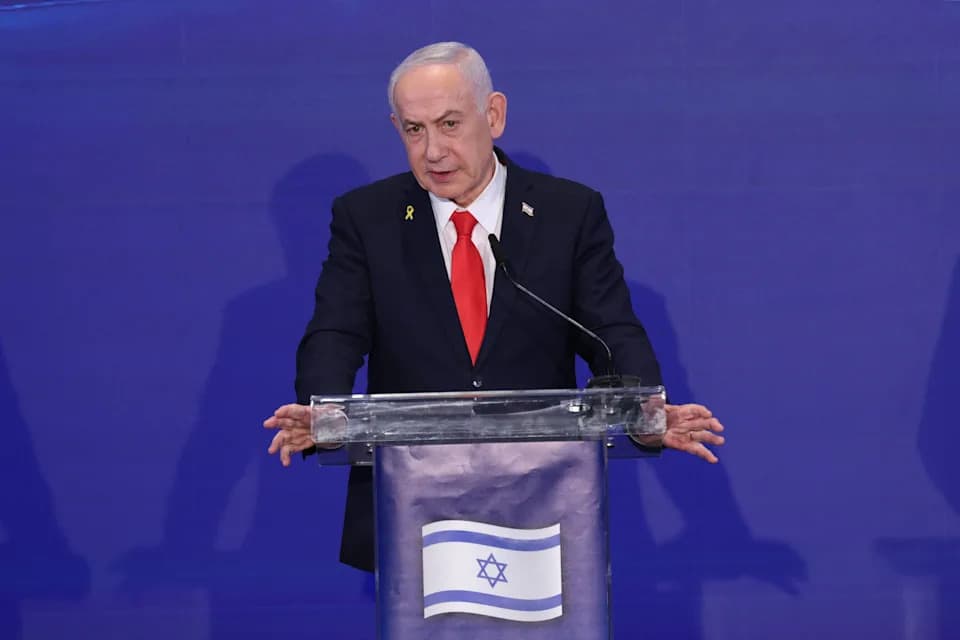
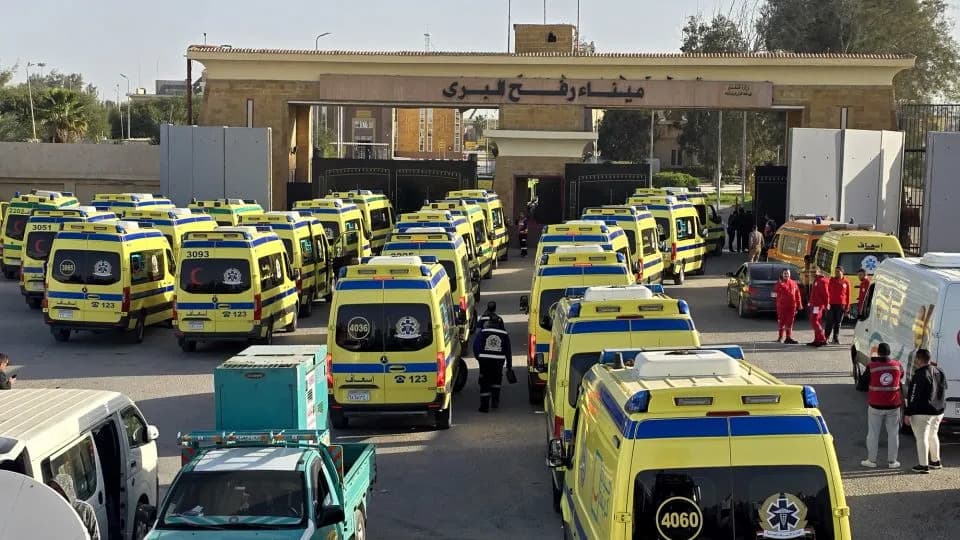
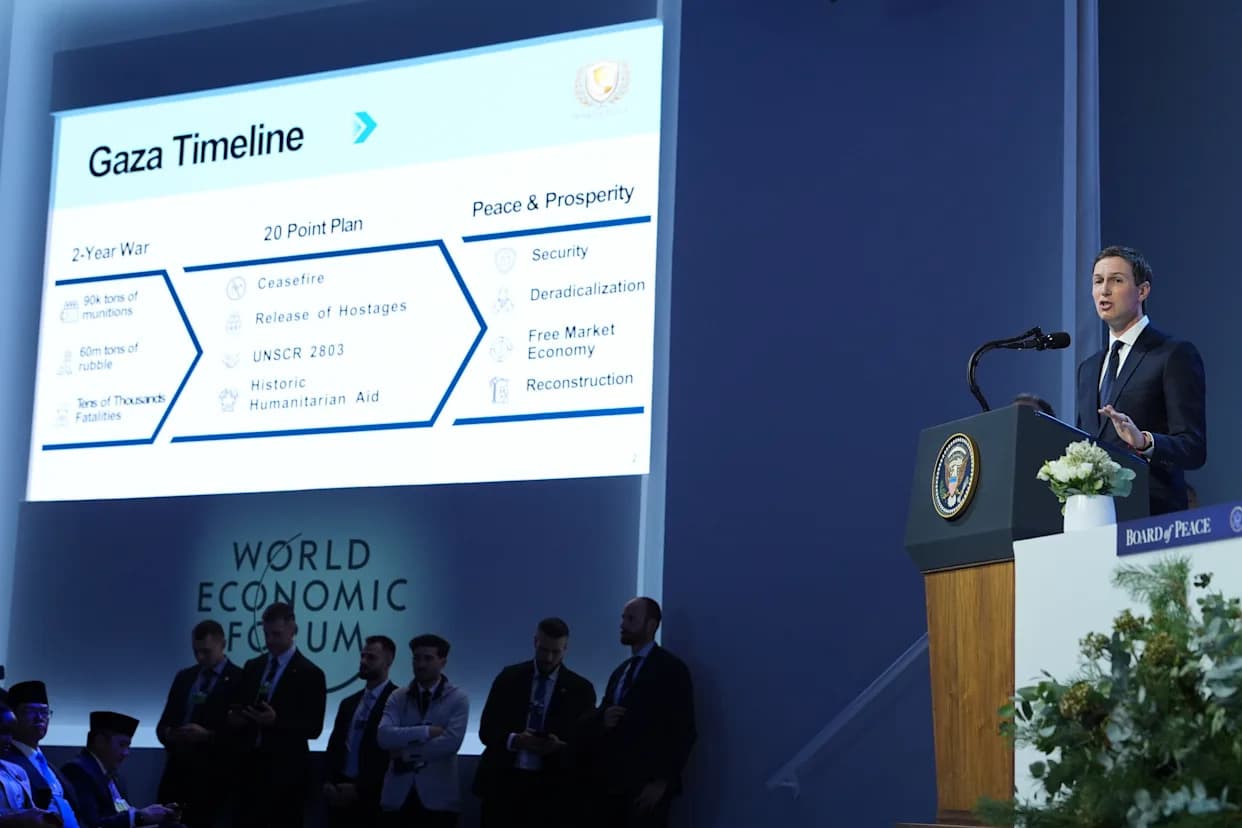
Israel announced a limited reopening of the Rafah crossing, permitting pedestrians only — a move that falls short of the broader crossings access urged by aid groups and many Gaza residents. The partial reopening is expected to allow a 15-member technocratic administrative committee, established under the ceasefire terms, to enter Gaza and begin overseeing day-to-day administration. The committee is described in official statements as answering to a U.S.-backed body referred to as the 'Board of Peace.'
Hostages, Disarmament And Military Withdrawal
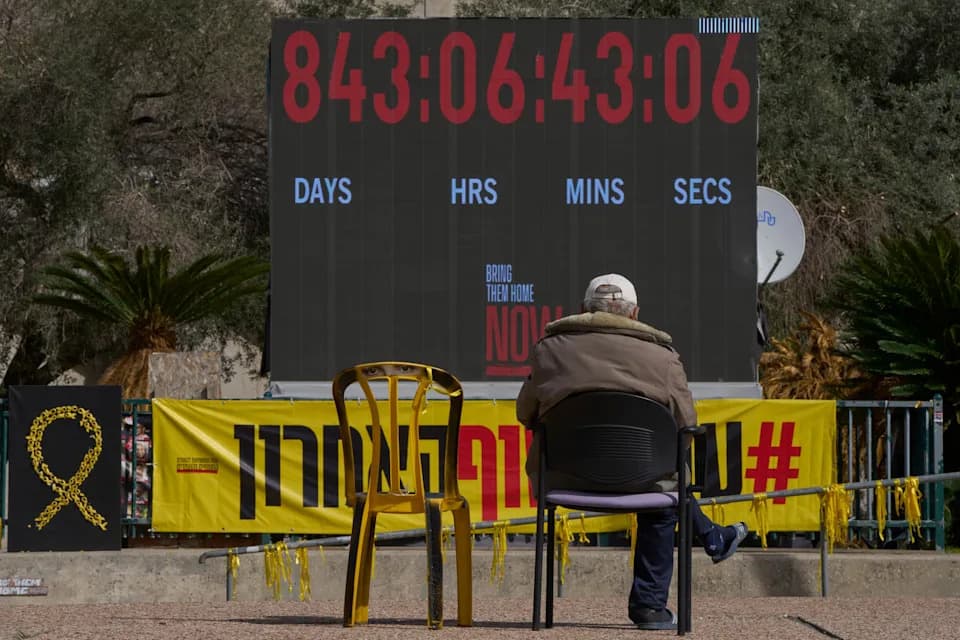
The first phase of the ceasefire largely halted active combat and included provisions for the release of surviving hostages and the return of the bodies of those killed. The remains of the final hostage, Ran Gvili, were returned earlier this week and his funeral was held on Wednesday.
A central element of the second phase is the disarmament of Hamas. Publicly, Hamas has resisted giving up its weapons, while Israeli officials say they expect measures to reduce militant capabilities. Under the phase-two framework, Israel is also meant to complete a withdrawal of its forces from much of Gaza and be replaced by an international stabilization force; Israeli forces currently control significant parts of the territory.
Humanitarian Situation
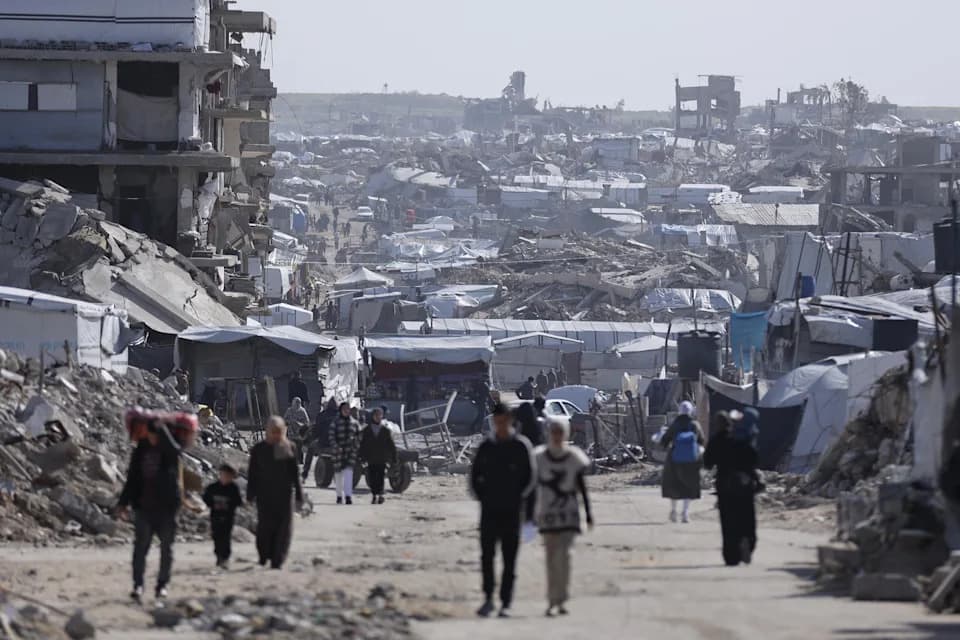
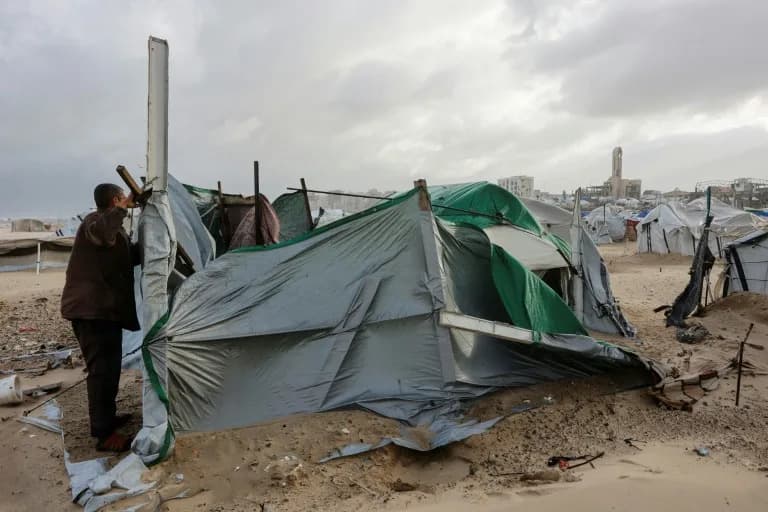
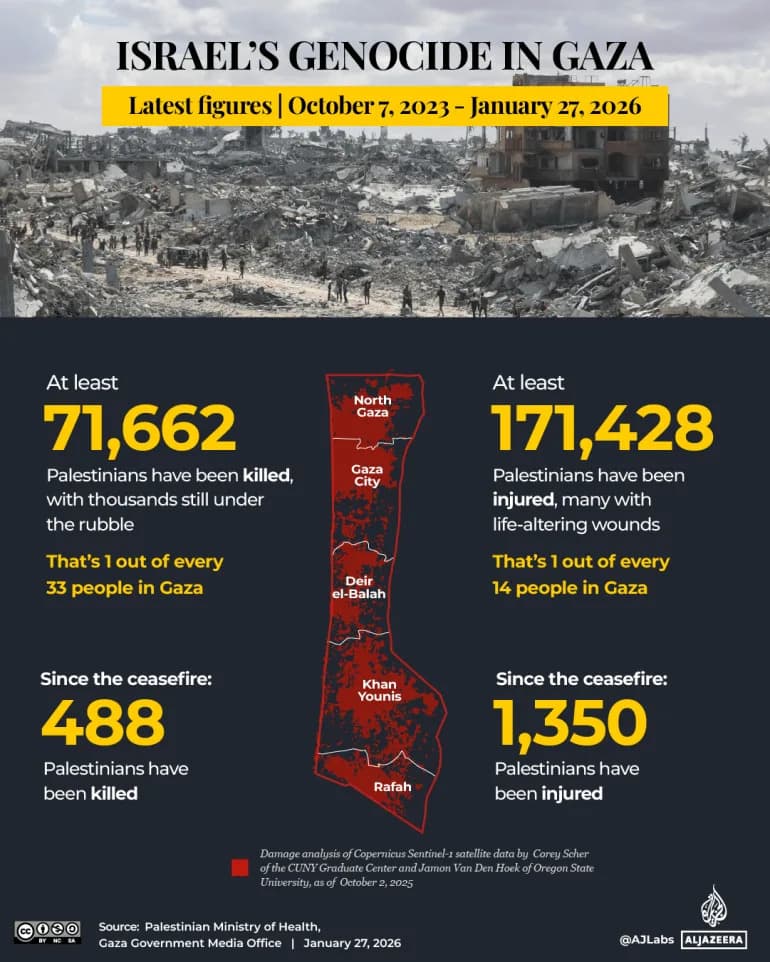
The humanitarian situation in Gaza remains severe. More than two million people live in the territory, many of them displaced and living in tents with limited sanitation and insufficient winter shelter. Aid groups continue to press for greater crossings access and deliveries of essential supplies.
Both Israeli and Palestinian officials continue to accuse the other side of violating elements of the truce; independent verification of some incidents remains limited. The situation on the ground is fluid and developments could affect the ceasefire's durability.
Help us improve.