One year after Bashar al‑Assad's overthrow, President Ahmed al‑Sharaa declared a new era of justice and peaceful coexistence as tens of thousands celebrated in Damascus and other cities. His coalition captured Damascus on December 8 after a swift offensive that ended decades of Assad family rule. Sharaa pledged transitional justice while investigations probe sectarian killings and deadly clashes; Kurdish integration has stalled and regional security issues with Israel persist.
One Year After Assad's Fall, President Ahmed al‑Sharaa Pledges Justice and Coexistence Amid Celebrations and Tensions

Syrian President Ahmed al‑Sharaa vowed to usher in an era of justice and peaceful coexistence as tens of thousands of people took to the streets to mark the first anniversary of Bashar al‑Assad's ouster. His Islamist‑led coalition captured Damascus on December 8 after a rapid offensive launched in late November, ending more than five decades of Assad family rule and drawing to a close a conflict that lasted over a decade.
Anniversary Celebrations
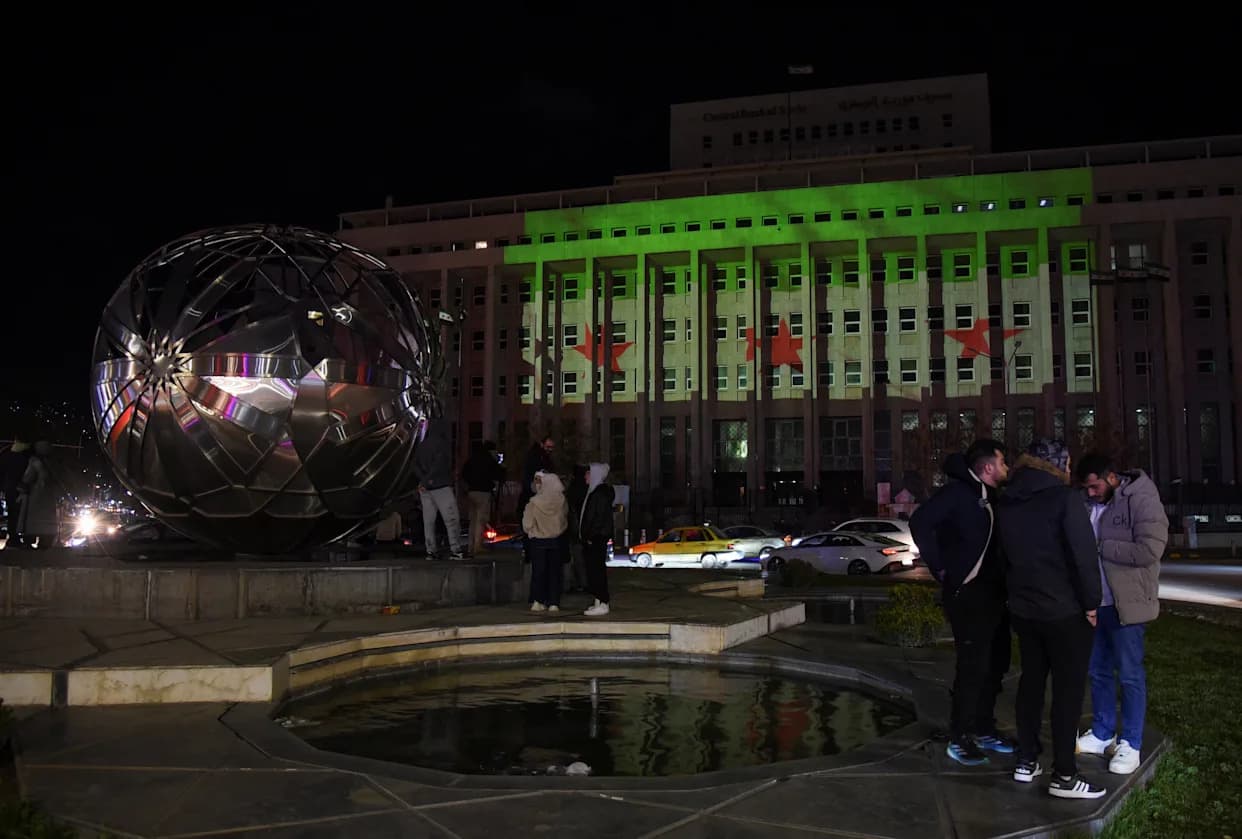
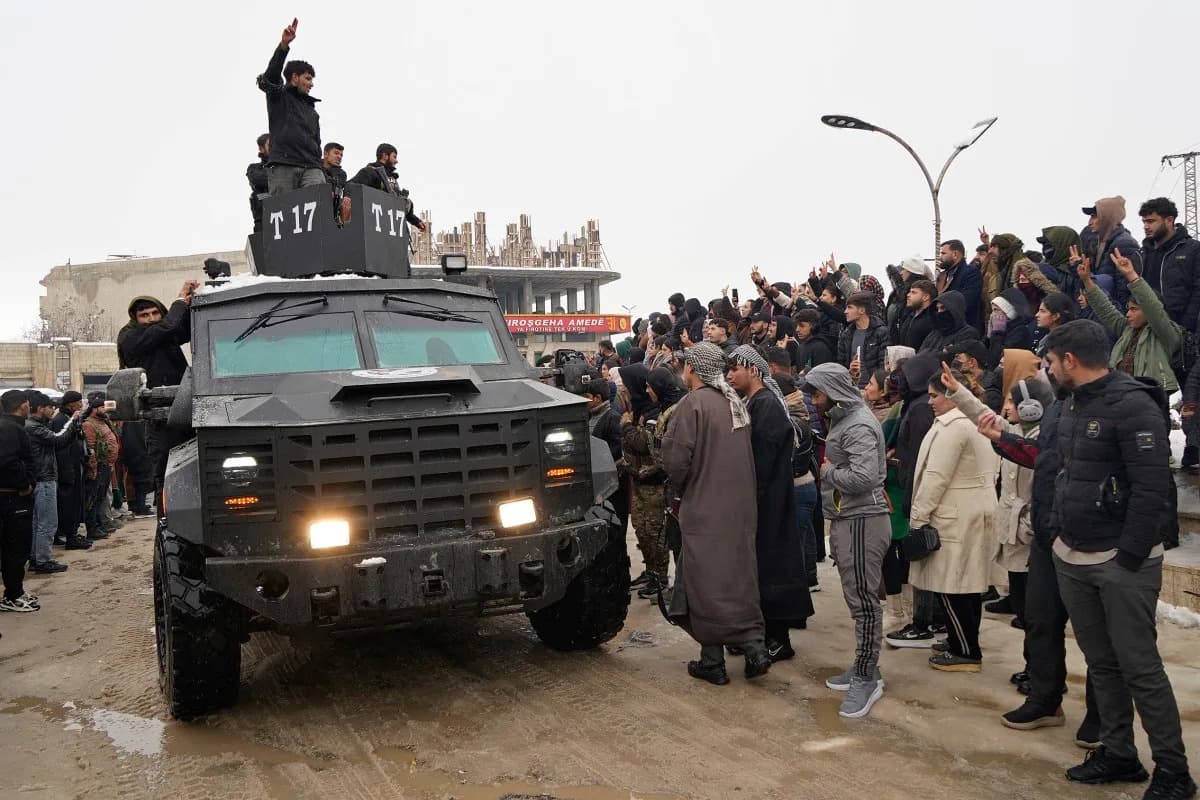
AFP correspondents reported jubilant crowds in Damascus and other major cities, many waving Syrian flags after dawn prayers in the Old City. Fireworks lit the sky as crowds chanted along to revolutionary songs broadcast from loudspeakers.
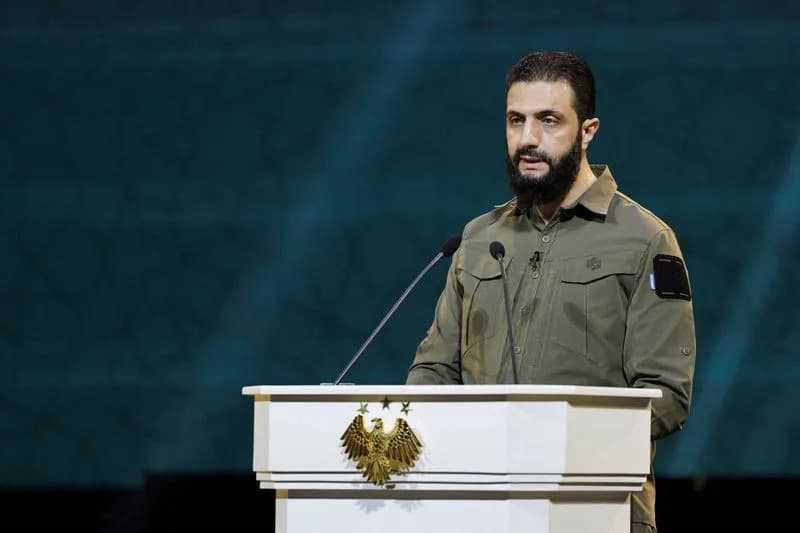
"Today, with the dawn of freedom, we declare a historic break with that legacy, a complete dismantling of the illusion of falsehood, and a permanent departure from the era of despotism and tyranny, ushering in a bright new dawn — a dawn founded on justice, benevolence... and peaceful coexistence," Sharaa said in an anniversary address.
Justice, Accountability And Humanitarian Concerns
Sharaa reaffirmed a commitment to "the principle of transitional justice to ensure accountability for all those who violated the law and committed crimes against the Syrian people." Human rights groups said early moves on transparency and rights are welcome but warned that preventing ongoing abuses and ensuring meaningful accountability remain urgent tests for the new authorities.
Background: The War's Toll
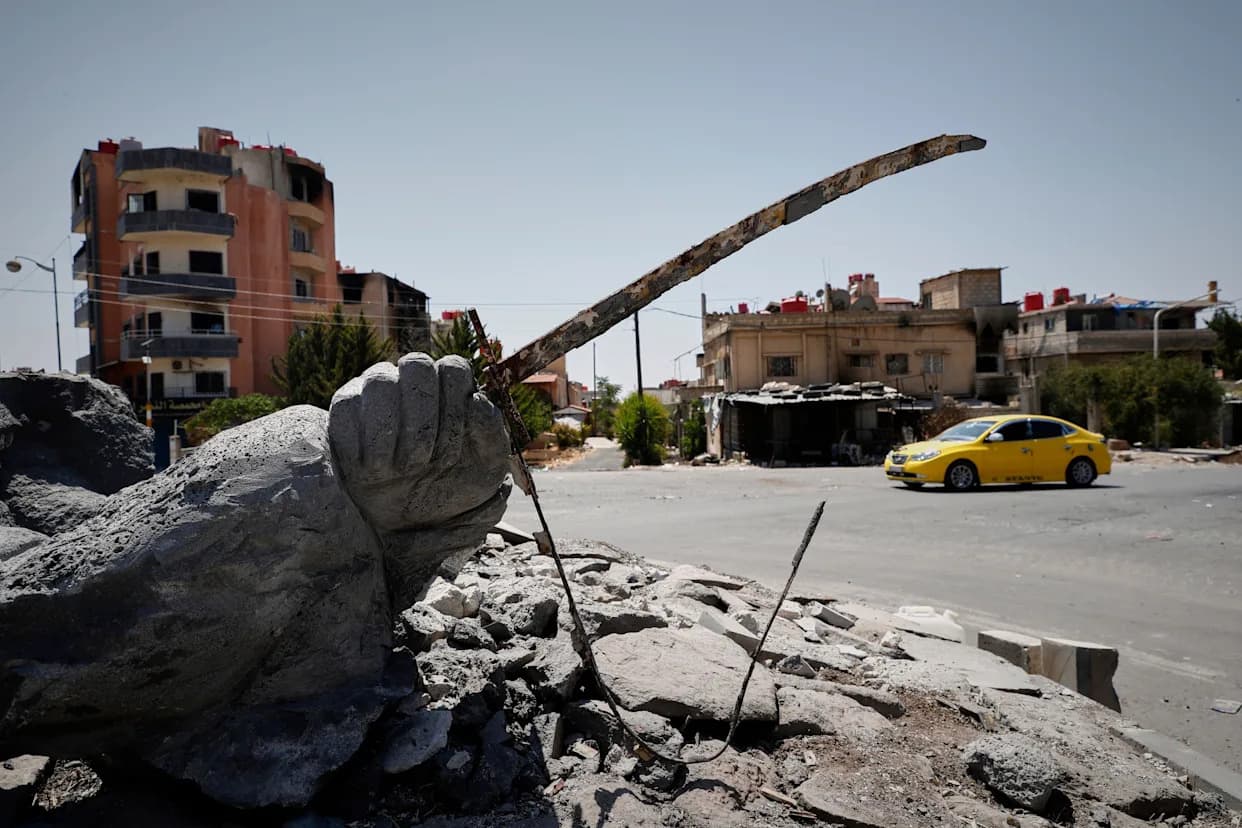
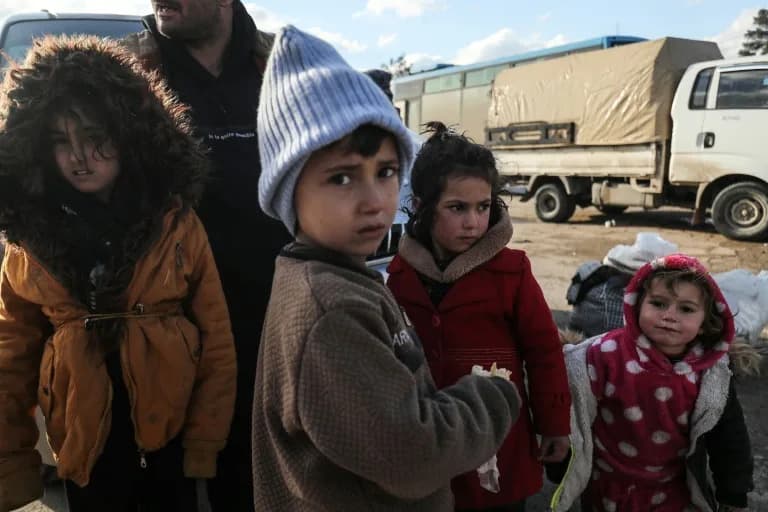
The civil war that erupted in 2011 after a brutal crackdown on pro‑democracy protests killed more than half a million people and displaced millions. Tens of thousands remain missing, many believed to have disappeared in the former regime's prisons; families still seek justice for Assad‑era atrocities.
Challenges Ahead
Despite diplomatic gains abroad — including sanctions relief and renewed international engagement — Sharaa faces steep domestic challenges: restoring public trust, guaranteeing security, rebuilding institutions, and reuniting a fractured country. Many Syrians still lack basic services such as reliable electricity, and broad reconstruction benefits have yet to reach most communities.
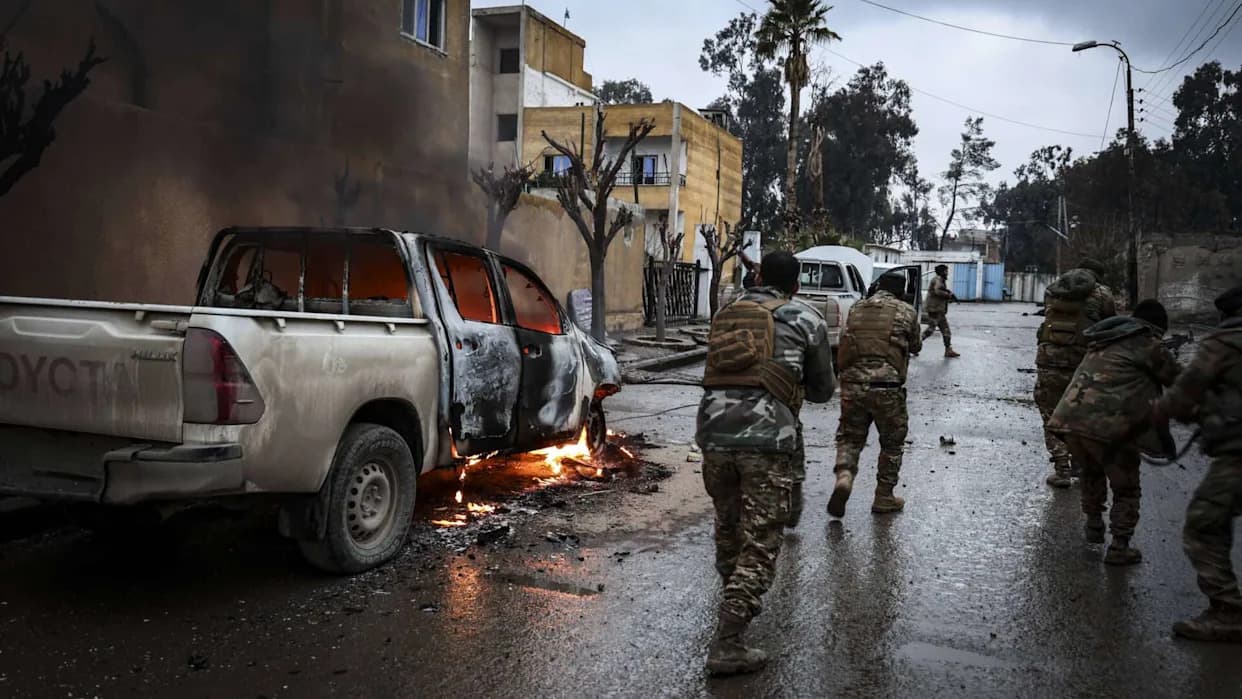
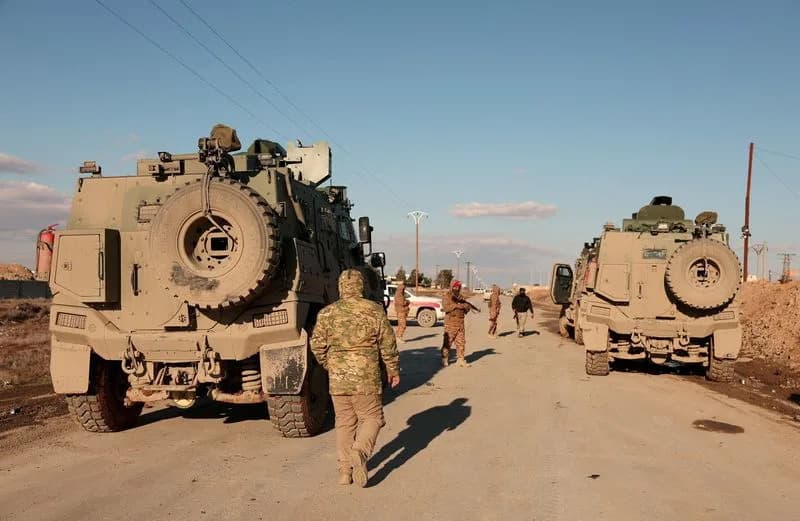
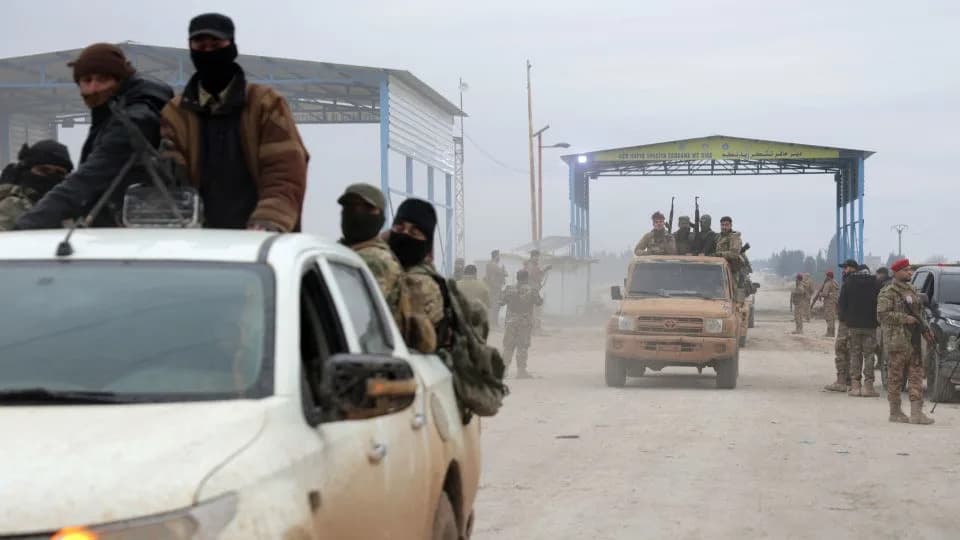
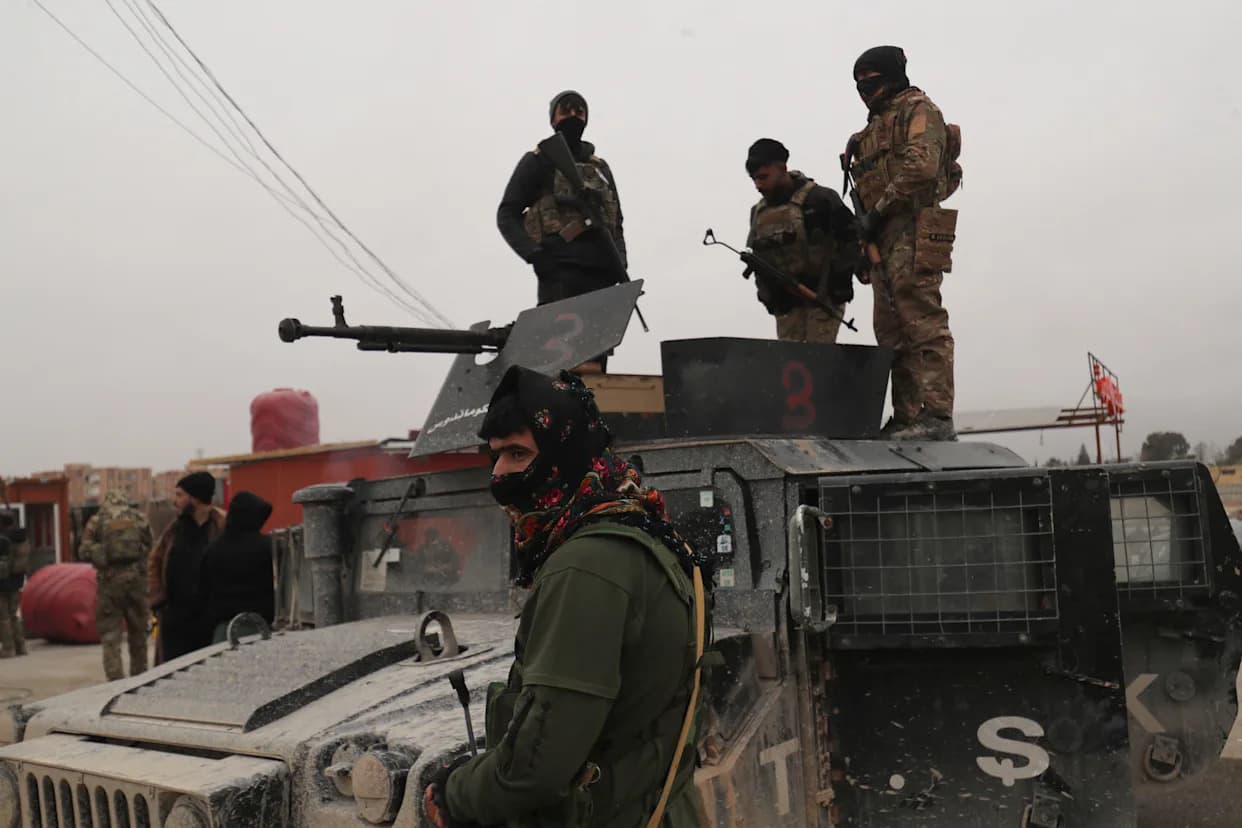
Security remains fragile. Authorities launched investigations after sectarian massacres in parts of the Alawite coastal region and deadly clashes in the Druze‑majority governorate of Sweida, where allegations implicated some government forces or allied groups. Critics accuse the new administration of marginalising minorities and failing to provide adequate protection.
Kurdish Regions And Regional Tensions
In the Kurdish‑held northeast, officials banned public gatherings citing security concerns. A March deal envisaged integrating Kurdish institutions into the central government by year‑end, but implementation has stalled; Kurdish leaders said they generally supported anniversary events while condemning provocative remarks by defence ministry personnel about moving into the northeast.
Regional tensions persist: Israeli military activity and demands for a demilitarised zone in southern Syria complicate security discussions, and talks between Damascus and Jerusalem continue to address mutual concerns.
Voices From The Ground
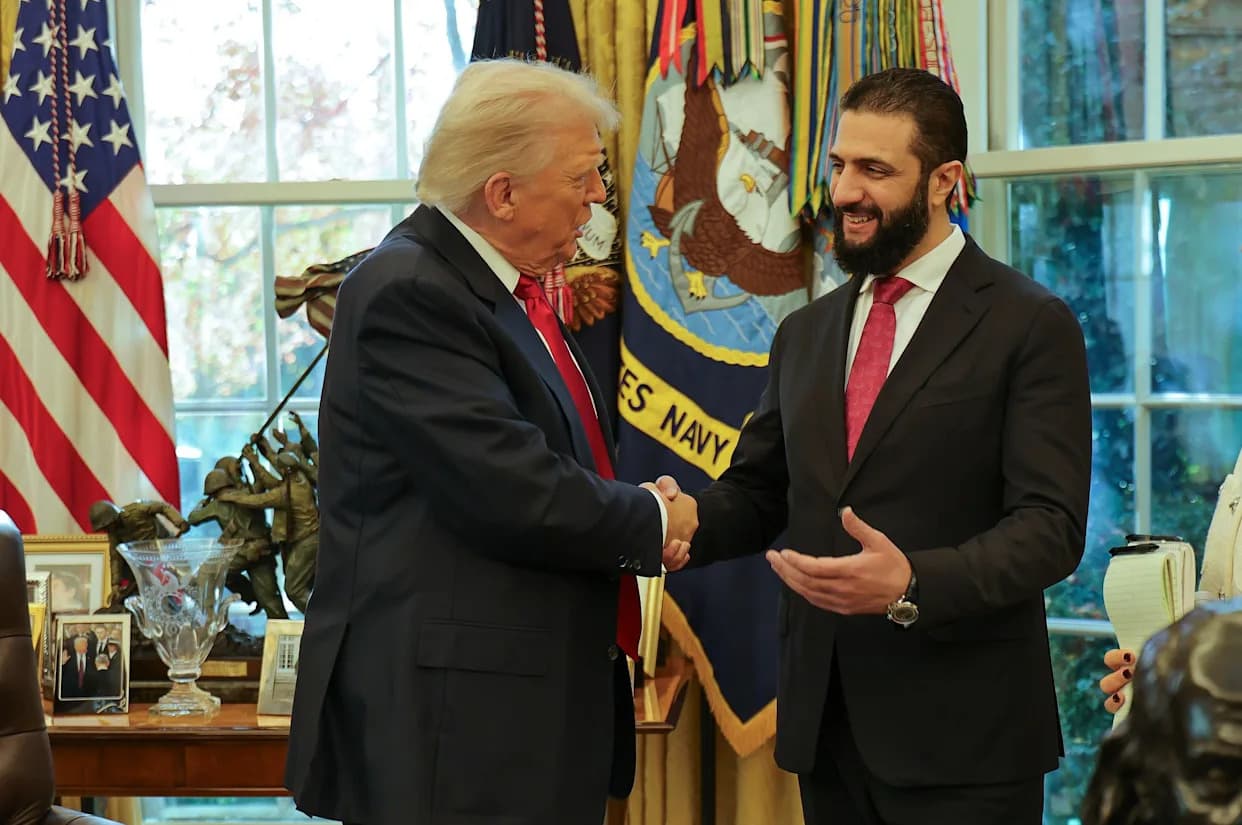
Residents expressed mixed emotions. "What happened over the past year seems like a miracle," said Iyad Burghol, 44, a doctor, who noted international recognition of Sharaa — including a previously reported US rapprochement — but emphasised that "the most important thing to me is civil peace." Humanitarian worker Ghaith Tarbin said he hoped the government would prioritise reconciliation and the rapid delivery of basic services.
Outlook: The anniversary highlights both a turning point and a precarious transition. The coming months will test whether the government can translate diplomatic progress into durable security, inclusive governance, and credible justice for victims of the war.
Help us improve.