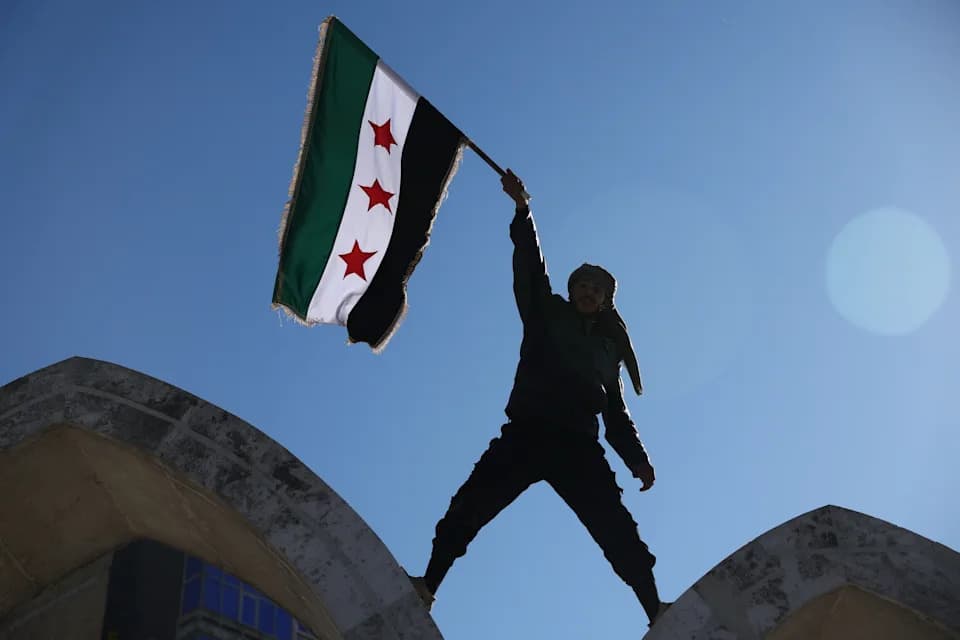
One year after the revolution, Syria is a land of competing currents: economic reopening and restored services sit alongside restricted political space and brutal reprisals against minorities. Ahmad al-Sharaa has reframed himself as a pro-business, pro‑Western leader and negotiated in principle with the U.S.-backed SDF, yet violence by Alawite and Druze insurgents and alarming atrocities have left the country deeply unstable. Regional actors — Turkey, Israel, Russia and Iran — and the outcome of postwar reconciliation will determine whether reconstruction leads to lasting peace or renewed conflict.
One Year After the Syrian Revolution: Reconstruction, Reprisals and Regional Risk

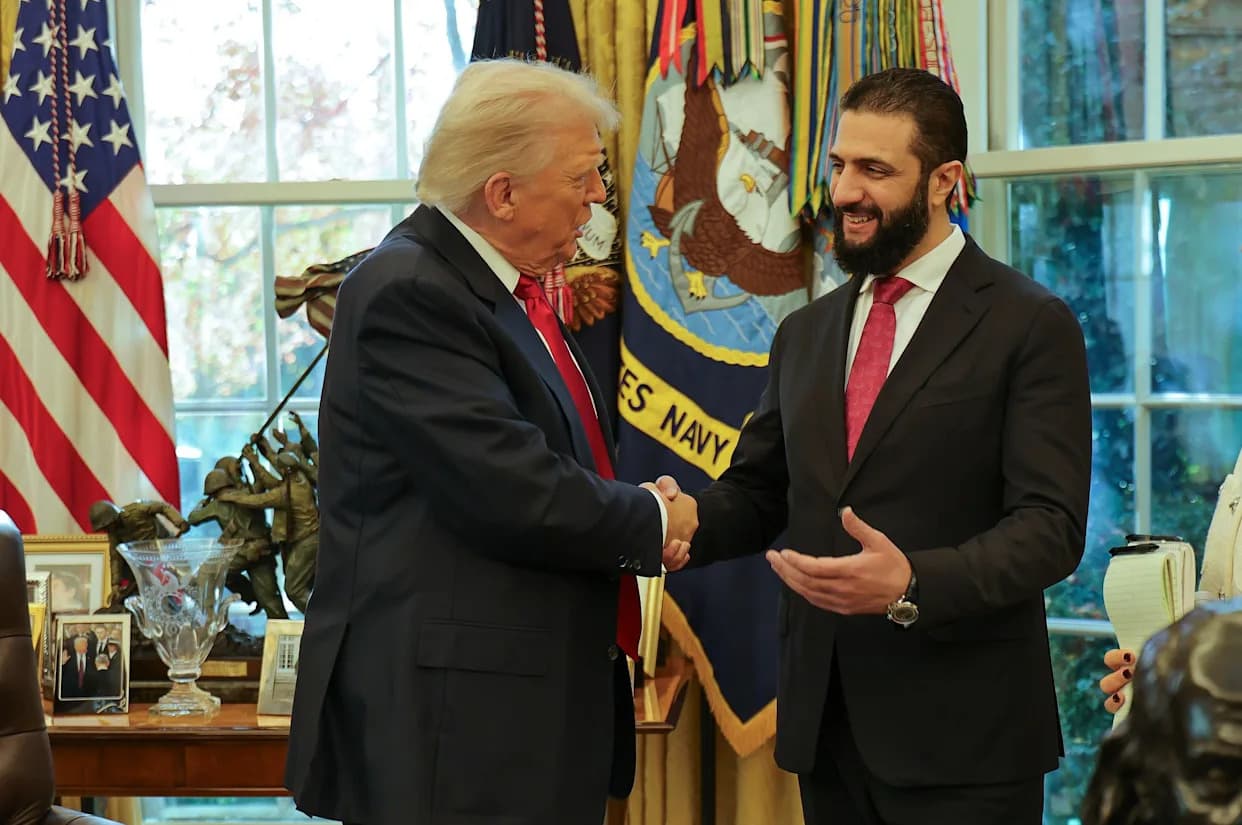
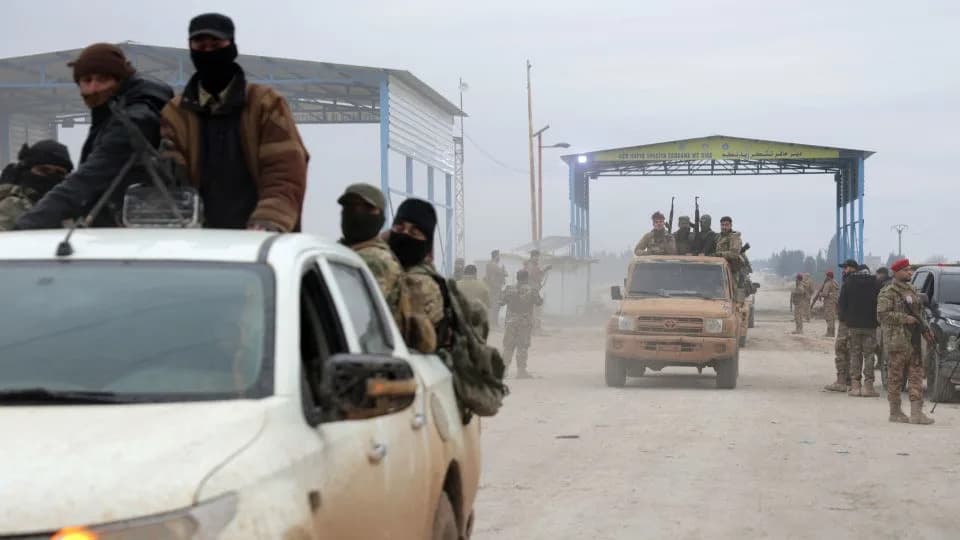
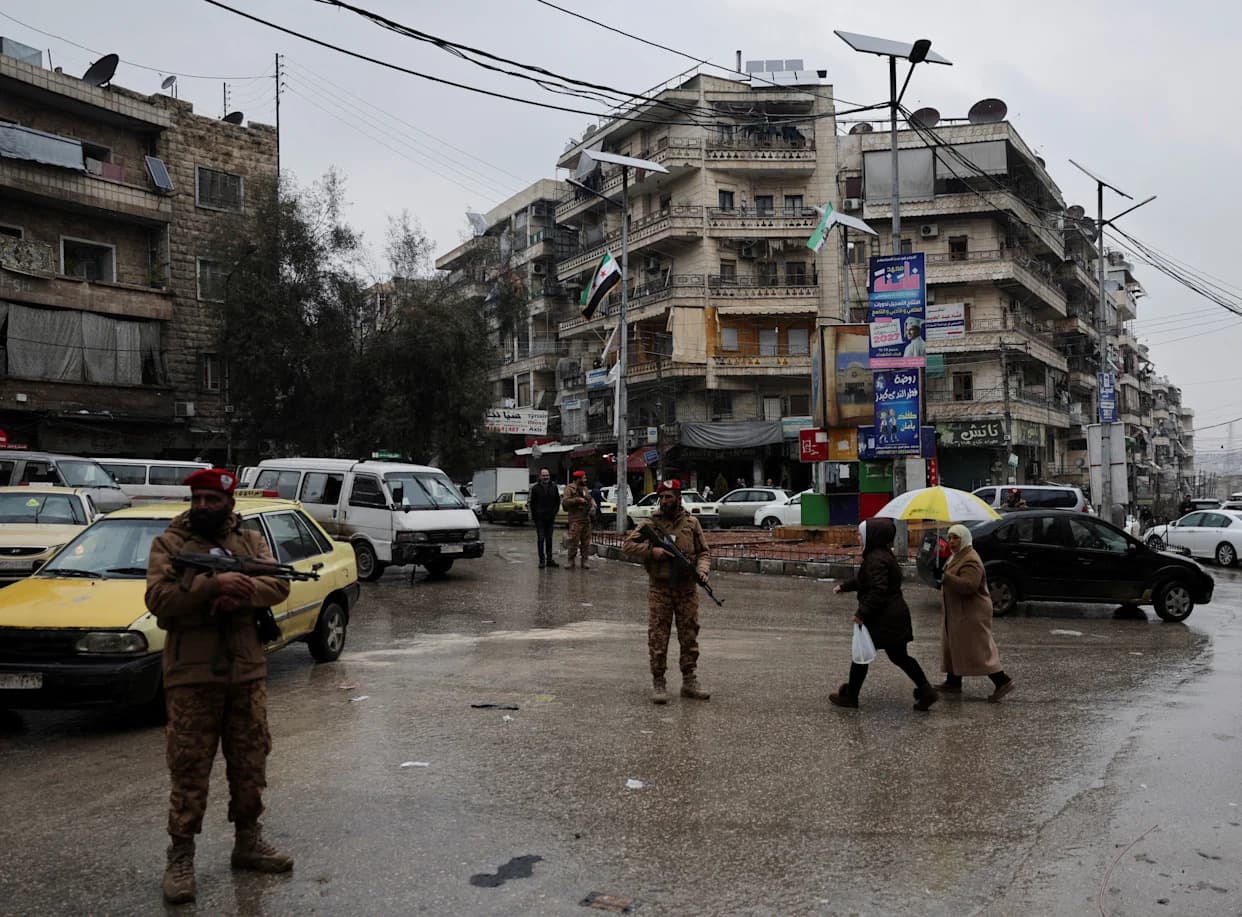
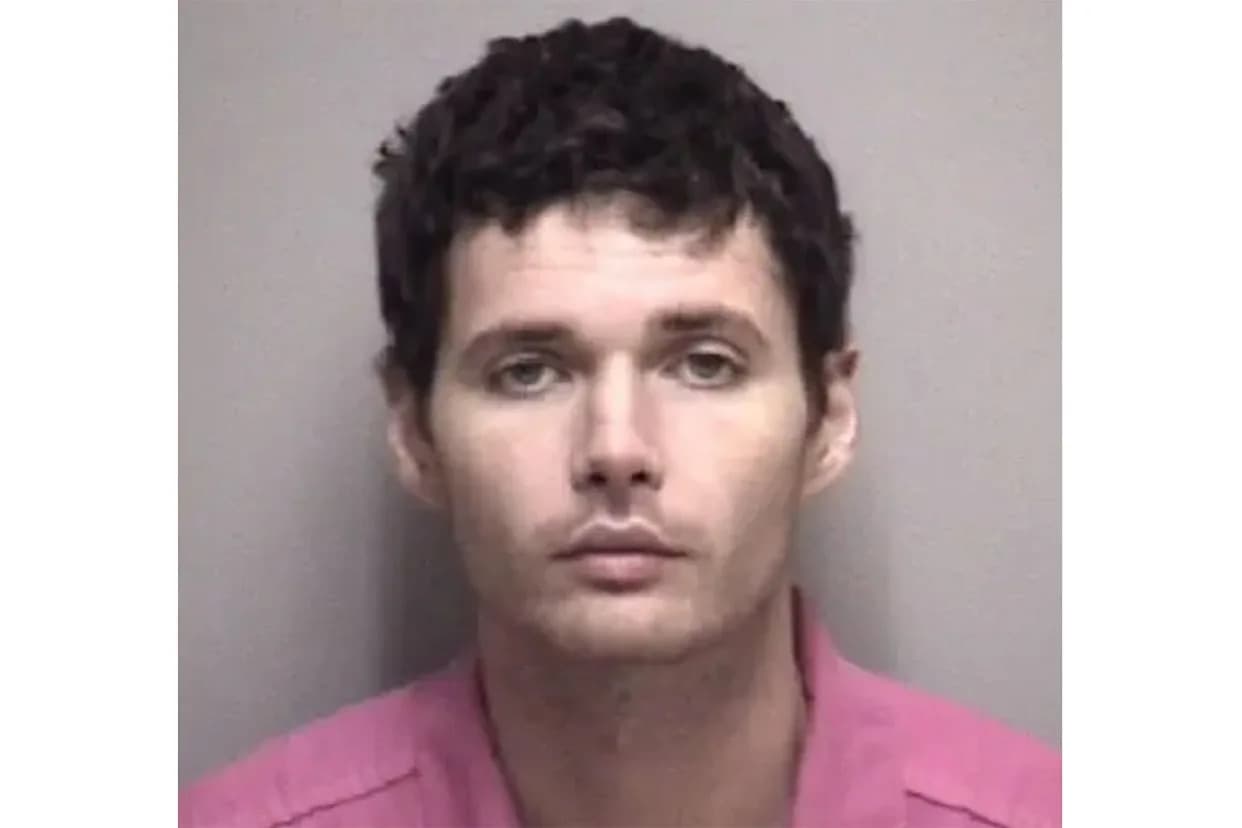
One year after Ahmad al-Sharaa's forces marched into Damascus and toppled the Assad government, Syria looks like a country of stark contradictions: markets and bars reopening alongside limited political freedoms and brutal reprisals. Sharaa — once a militant commander with a $10 million U.S. bounty and ties to Al Qaeda in Syria — has recast himself as a pro-business, pro‑Western reformer, even appearing publicly with U.S. military officials. Yet the new order has also overseen bloody campaigns against minority communities and a tightly managed transition of power.
A Leader Recast
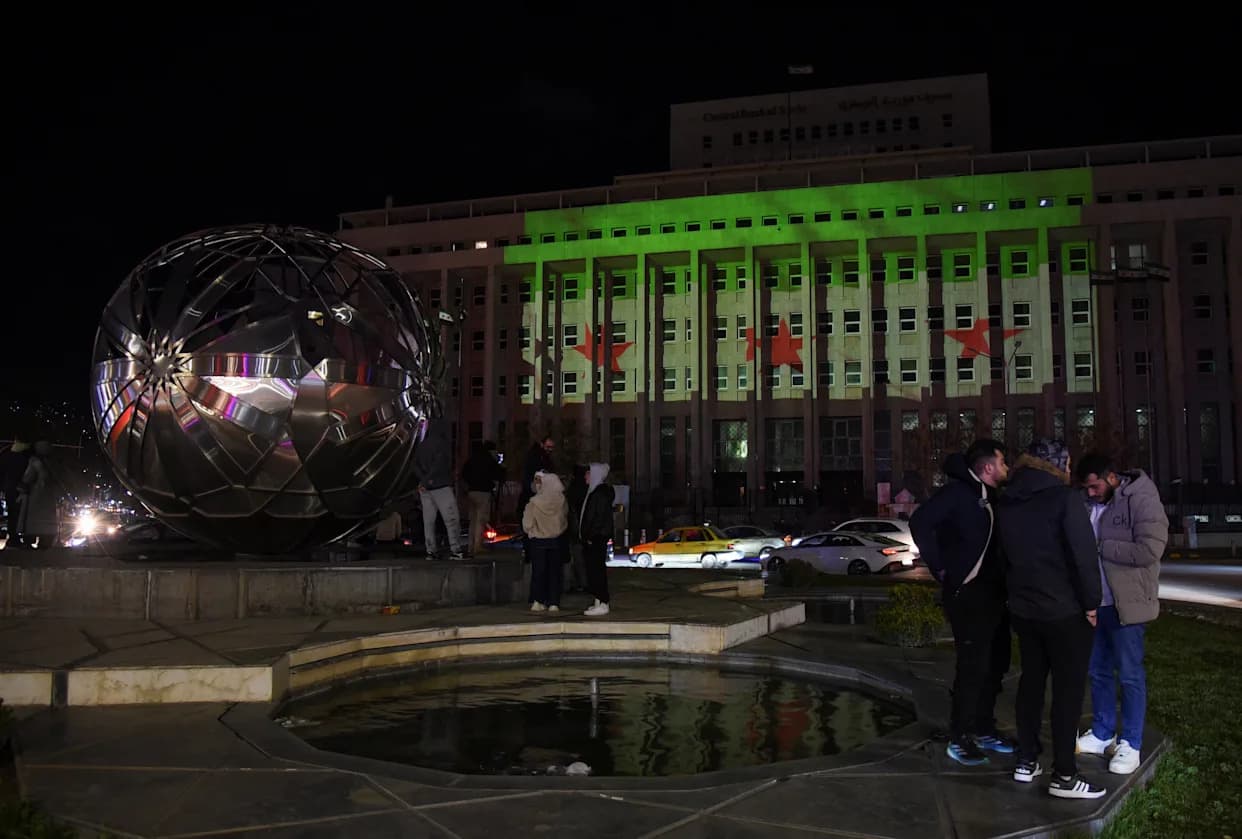
Ahmad al-Sharaa has adopted liberal economic language and courted foreign investment. The new authorities have closed inefficient bureaucracies, reopened previously shuttered businesses, and moved to reassure investors: electricity has returned to 24-hour service in Damascus after an era of severe blackouts, and foreign companies are reportedly lining up for reconstruction deals. The Trump administration has, according to reporting, suspended most economic sanctions and congressional moves are underway to repeal them.
“I have never harmed a civilian. I fought with honor,” Sharaa told CNN’s Christiane Amanpour when questioned about his militant past.
Political Limits and Security Crackdowns
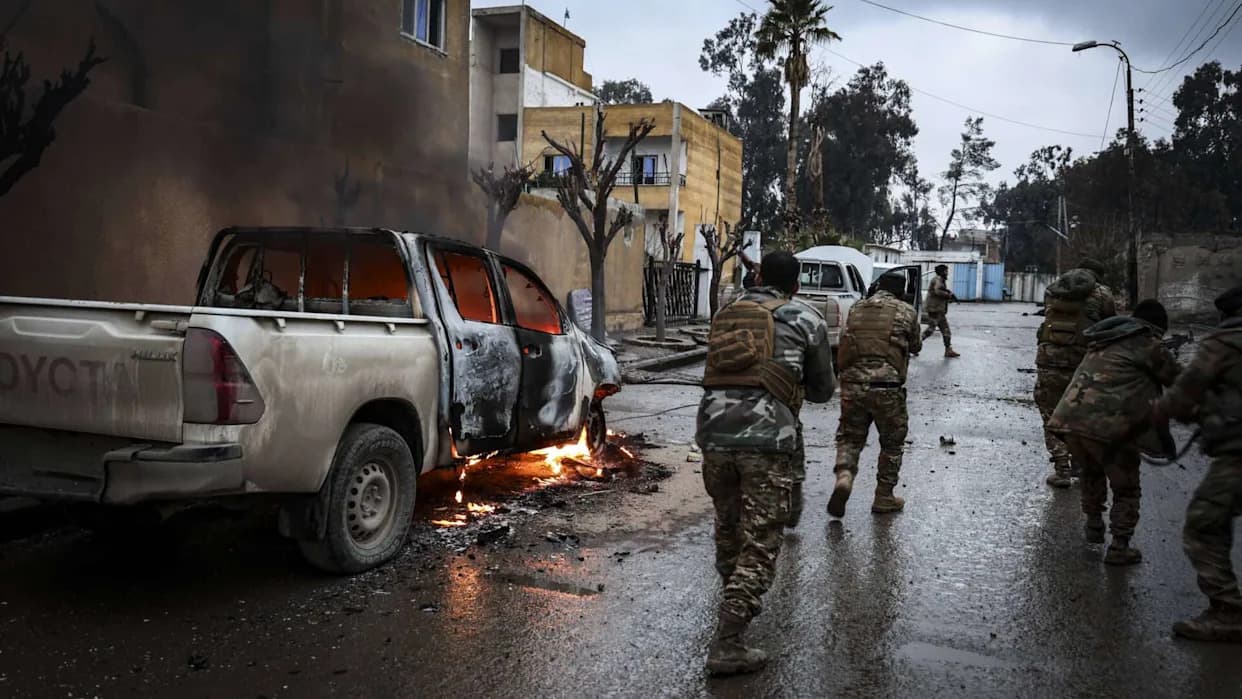
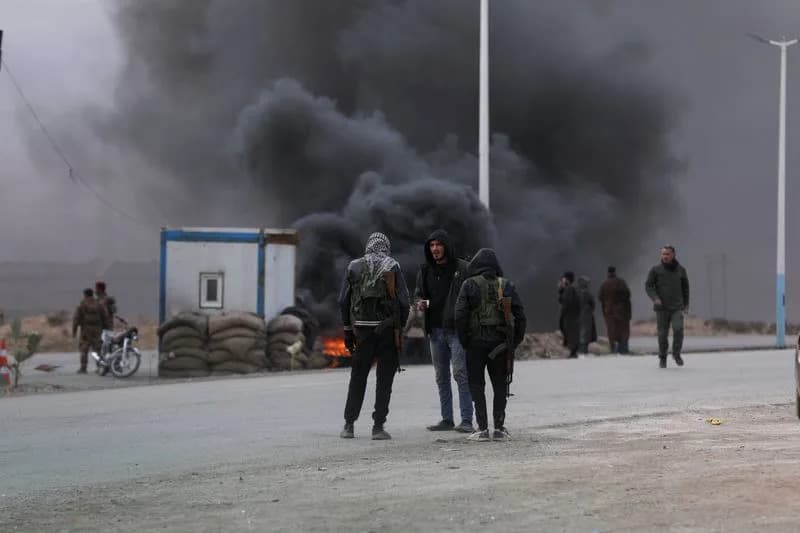
Political freedom remains constrained. About one-third of the transitional parliament was appointed directly by Sharaa, with the remainder chosen by a small pool of delegates. When Alawite and Druze communities rebelled, pro-government forces carried out mass reprisals that, according to multiple reports, left hundreds — and in some accounts between 600 and 1,700 — dead. Damascus denies ordering massacres and has opened closed-door trials for some suspects, while disputing certain reports, such as claims about kidnapped Alawite women.
The Kurdish Northeast And The SDF
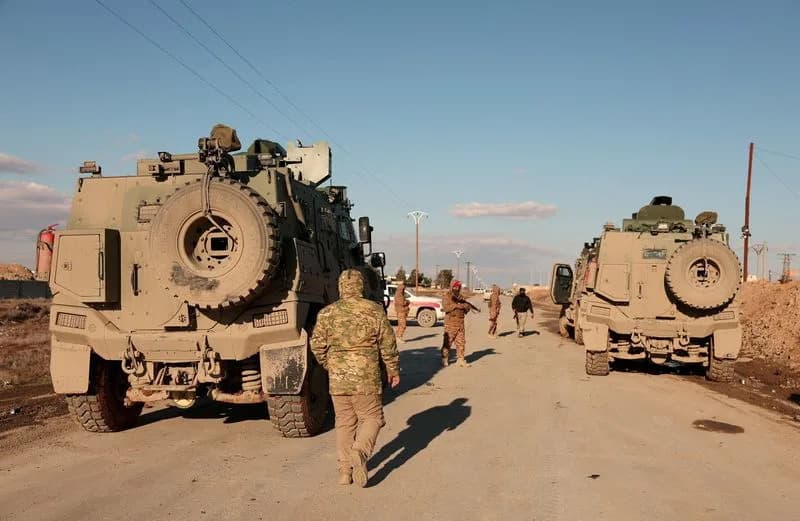
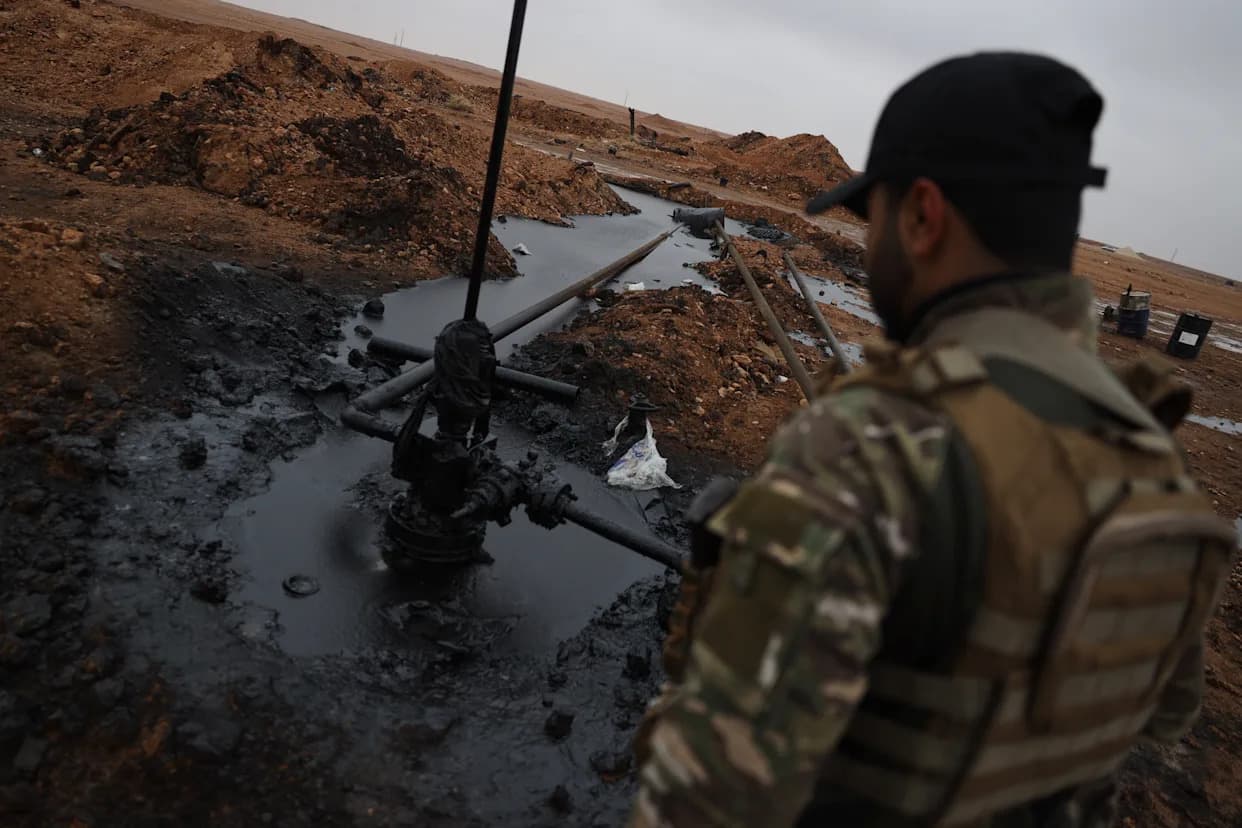
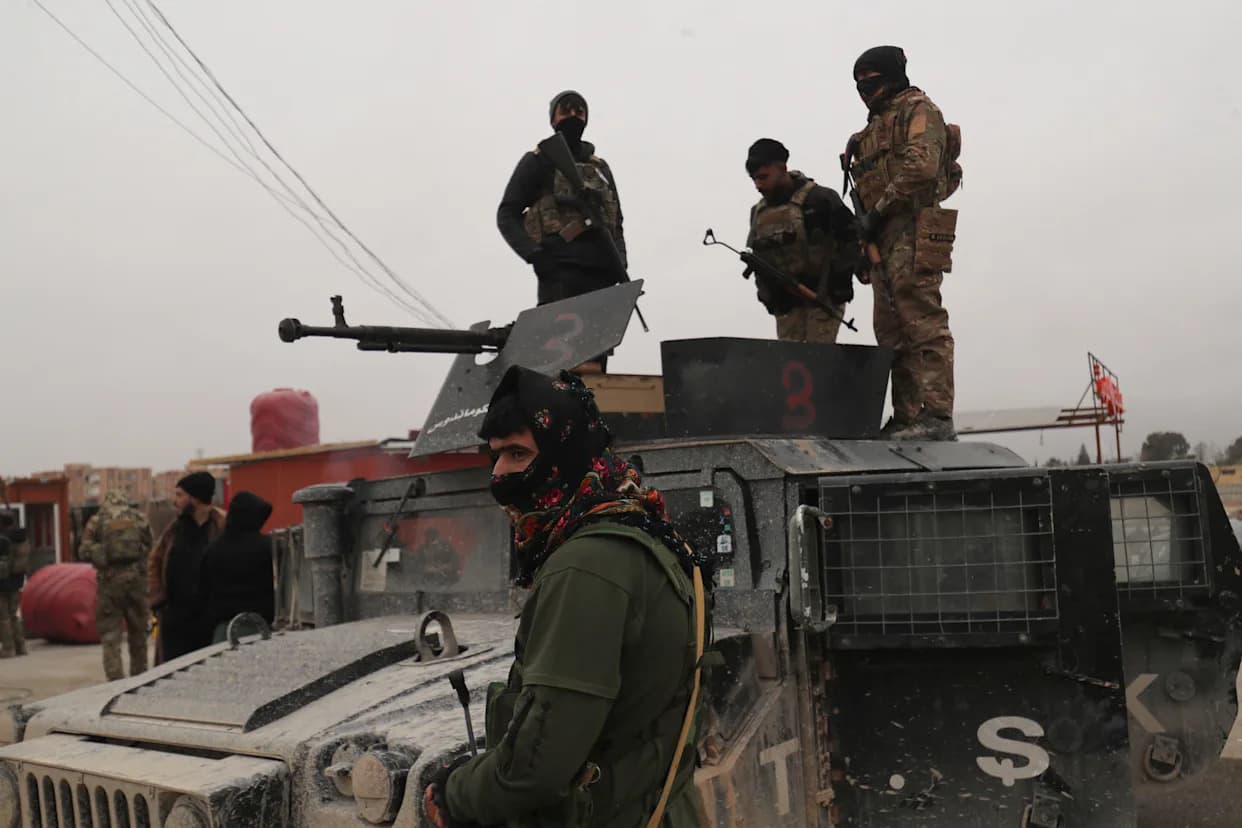
One of the revolution’s most surprising developments is rapprochement with the Syrian Democratic Forces (SDF). The SDF — a Kurdish-led, multiethnic administration that governed the resource-rich northeast and partnered with U.S. forces — implemented mandatory gender quotas and other progressive local policies. In March 2025, with quiet U.S. encouragement, Sharaa and SDF leader Gen. Mazloum Abdi agreed in principle to merge institutions, leaving major details (resource sharing, federal arrangements, and the future of the SDF’s all-female brigade) for negotiation.
Local Insurgencies And Communal Violence
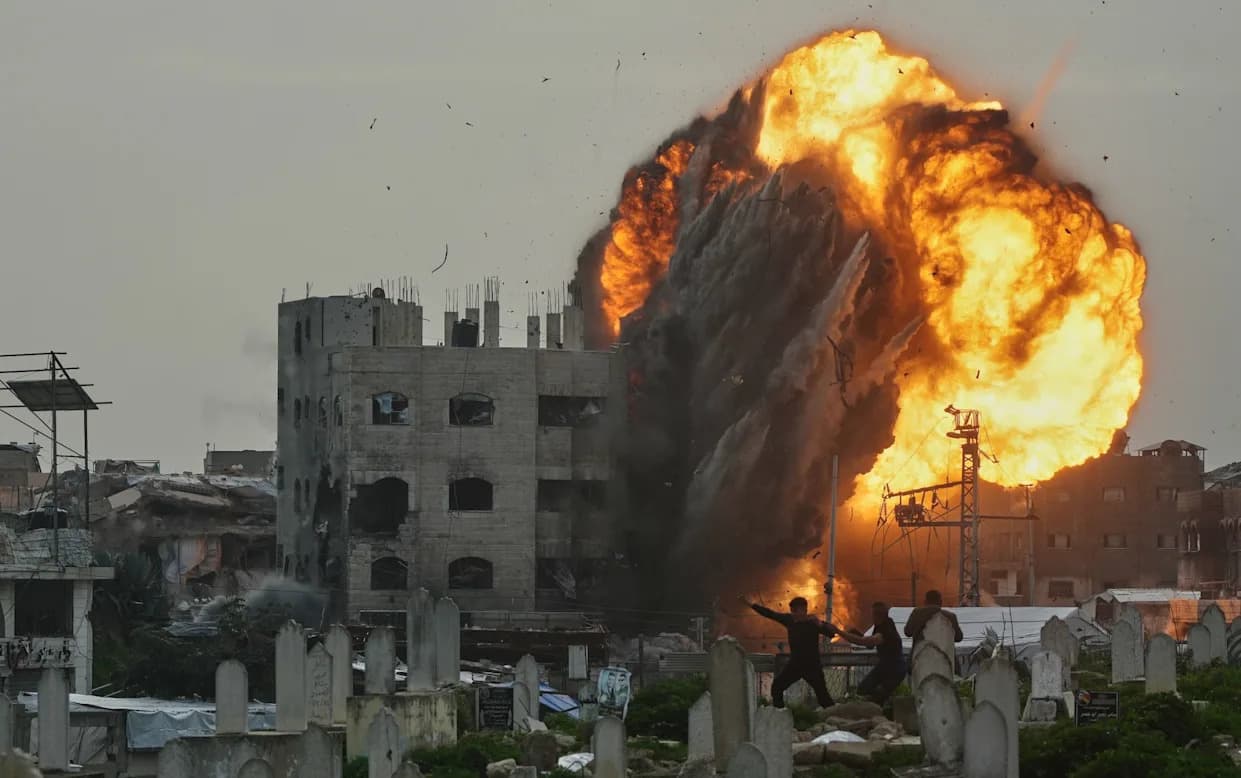
Integration elsewhere has faltered. Alawite insurgents along the coast and Druze fighters in Sweida have clashed repeatedly with government-aligned forces. Fighting in Sweida in July 2025 reportedly killed around 1,000 civilians; human rights groups and reporters documented summary executions, assaults on medical staff, and other atrocities. Israel intervened militarily in parts of Sweida, striking Syrian army positions and supporting Druze fighters in some areas. The Druze community, already fractured politically, has seen internal reprisals and disturbing episodes of intra-community violence.
Regional Stakes: Turkey, Israel, Russia And Iran
The international footprint remains large. Russia maintains military bases; Iran is reported to have clandestine networks; Turkey and Israel still control or influence border areas. Ankara views the SDF as linked to the PKK and has intervened in Syria in the past, though a concurrent Turkish-PKK peace process has eased one front. Israel, wary of instability near the Golan Heights, has demanded a wide demilitarized buffer and has conducted cross-border operations to deter attacks.
Society, Memory And Contradiction
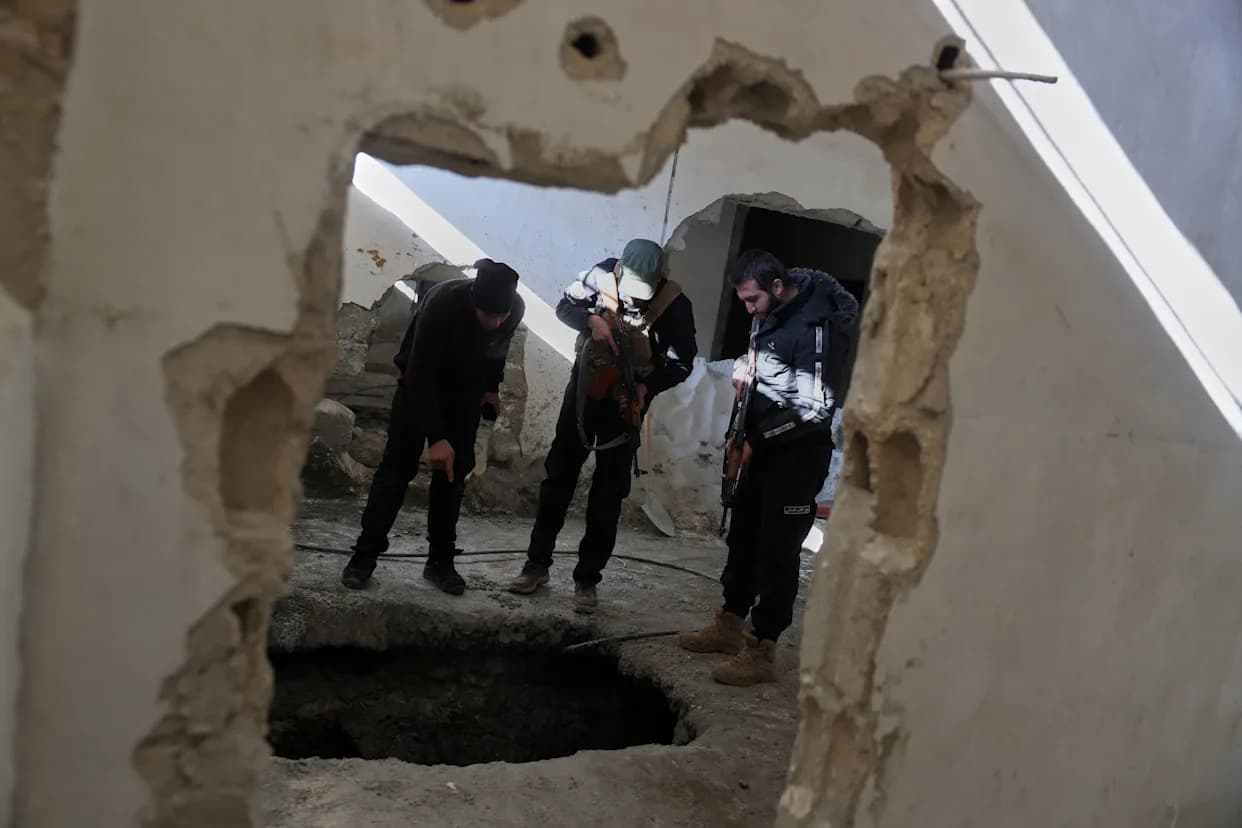
Efforts to reckon with the past have been mixed. The Syrian Prisons Museum opened in Damascus in September 2025 to document atrocities at facilities such as Sednaya; within days its founder was briefly detained in a dispute over documents. That episode encapsulates the new Syria: public gestures toward accountability and openness that coexist with arrests, opaque trials, and continued political controls.
What Comes Next
Syria’s near-term trajectory depends on several interconnected factors: whether the Damascus-SDF agreement can be translated into an inclusive political settlement; whether insurgencies among Alawite and Druze communities can be resolved without large-scale reprisals; how regional powers (Turkey, Israel, Russia, Iran) choose to exert influence; and whether foreign investment and lifted sanctions deliver reconstruction without entrenching cronyism. The country’s recovery — political, economic and social — remains fragile and uncertain.
Sources and attribution: Reporting referenced in this article draws on statements and coverage from major outlets and on public remarks by leaders and officials during the first post-revolution year.
Help us improve.