As AI demand grows, so does electricity dependence: investments in data centers could drive U.S. power demand up ~25% and consumer prices by ~40%. Two low-probability, high-impact threats—Carrington-level solar storms and high-altitude nuclear EMP (HEMP)—could disable unprotected electronics nationwide. A 2008 government commission warned of catastrophic cascading failures from such events. Policymakers should urgently harden critical infrastructure, require EMP protection for new facilities, and coordinate national mitigation strategies.
As AI Drives Power Demand, the U.S. Overlooks an EMP Threat That Could Shut Everything Down

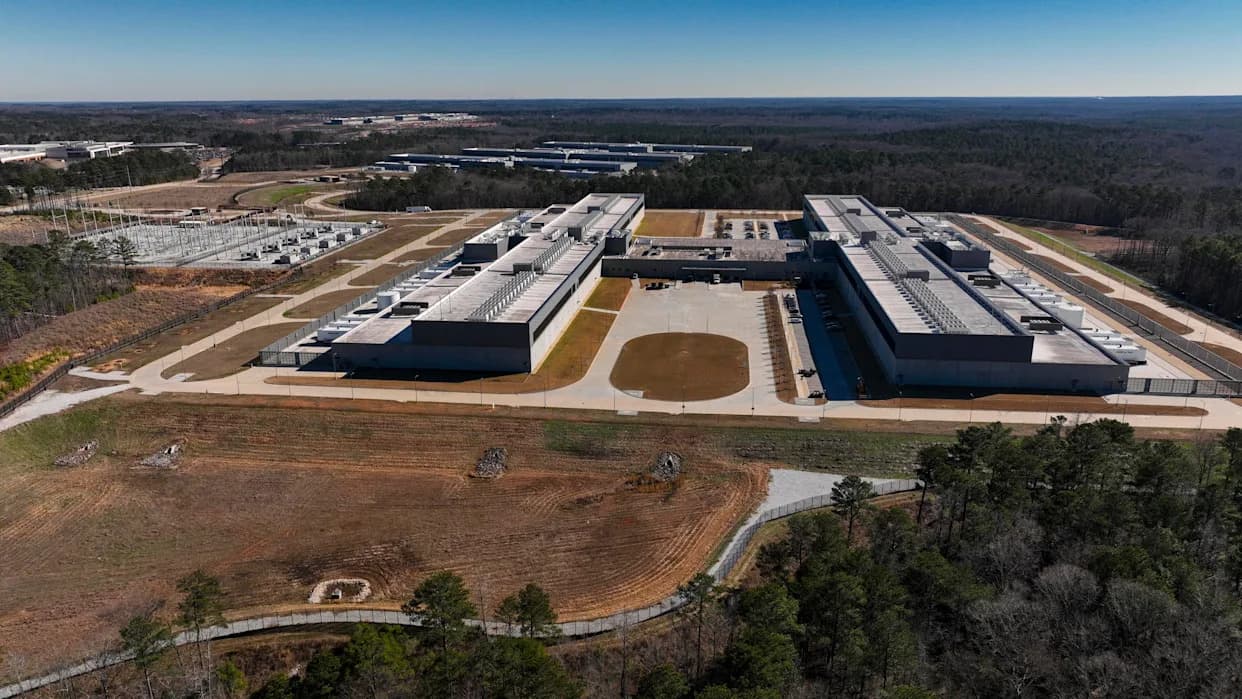
We are deep into the AI era. A recent Pew Research Center survey finds that 62% of people say they interact with AI at least several times a week. Corporations are investing heavily to integrate AI into products and operations, and hundreds of billions of dollars are being poured into new data centers to supply the computing power this requires.
Why Electricity Risk Matters
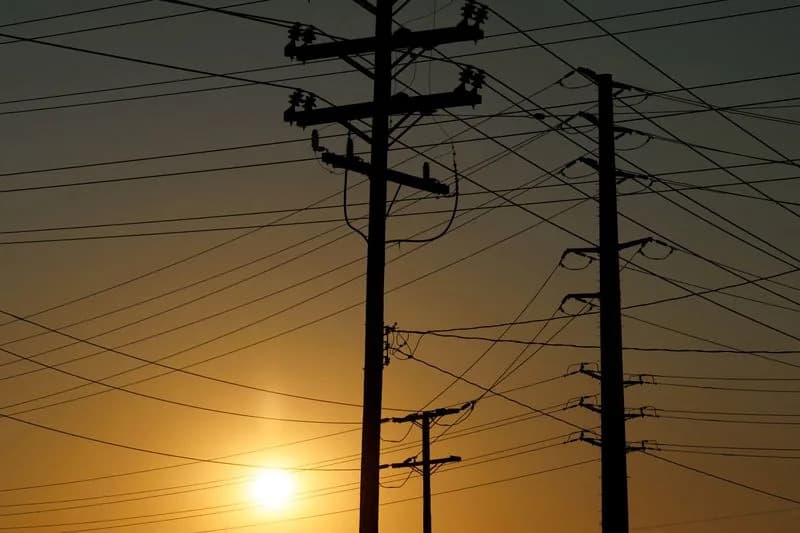
Analysts forecast roughly a 25% rise in U.S. electricity demand over the next five years as large data centers and AI infrastructure come online, and predict consumer electricity bills could climb by at least 40%. Our economy, public services, transportation, healthcare and daily life are increasingly virtual and dependent on a continuous flow of electrons through circuits.
The Overlooked Existential Threat: EMP
While many worry about AI becoming autonomous, another underappreciated risk could instantly disable AI and virtually all electronic systems: an electromagnetic pulse (EMP). Two low-probability but high-impact events can produce EMP-level damage across wide areas:
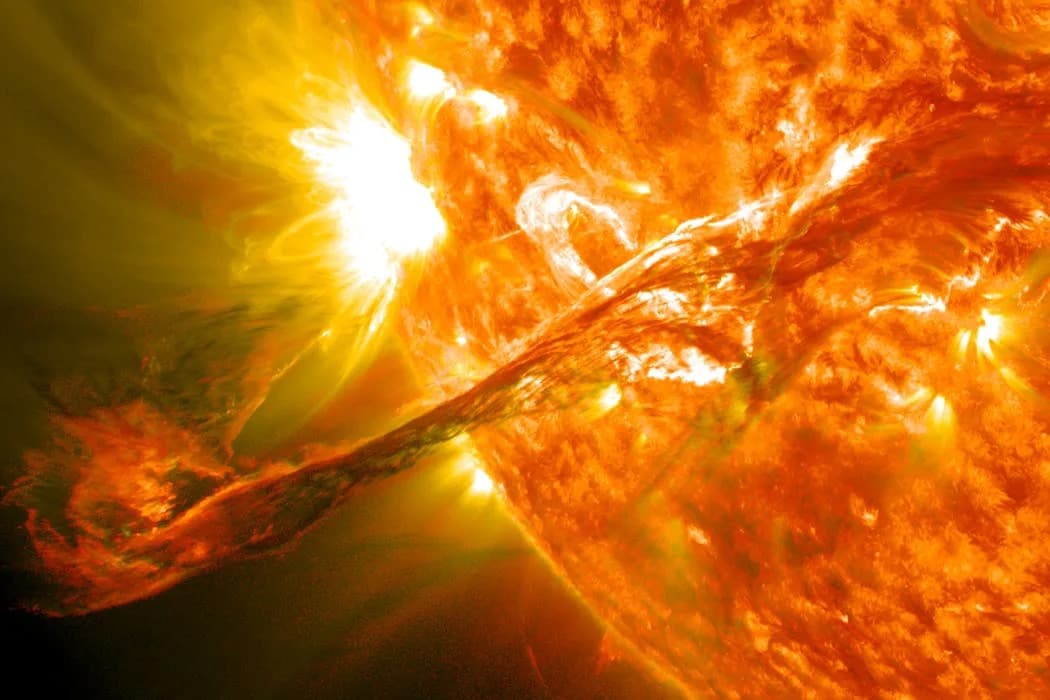
- Massive solar storms (a Carrington-like event), which can induce extreme currents in long conductors and cripple transformers and large-scale infrastructure.
- High-altitude nuclear detonations (HEMP), where a nuclear blast detonated above the atmosphere generates a powerful electromagnetic pulse that can destroy unprotected electronics over large regions.
Odds, Consequences, and Past Warnings
Estimates vary, but some analyses place the odds of either event occurring in the next decade in the range of 10–12%. In 2001 the U.S. government established a commission to study these threats; its 2008 report warned that a severe HEMP could trigger cascading infrastructure failures with catastrophic impacts, and some modeled scenarios suggested very high mortality rates if critical systems failed for months.
Those conclusions are contested in scale and timing, but they underscore a simple truth: the more we electrify the economy and centralize computing, the larger the potential damage from a single, system-wide disruption.
Why This Is Easier Than It Sounds
Detonating a nuclear device at high altitude does not require pinpoint targeting of a city; a missile simply needs to be lofted and detonated above a broad area to create a HEMP effect. Higher-altitude bursts also reduce ground-level fallout, making HEMP an attractive strategic option for some adversaries. Some analysts have argued that HEMP capabilities could be integrated into certain countries' nuclear or cyber strategies.
Are We Prepared?
Key questions remain unanswered: How many new data centers are being built with EMP or geomagnetic disturbance hardening? Are utilities factoring EMP and extreme solar storms into grid modernization plans and new power-plant design? Are transportation systems, water treatment facilities and healthcare networks being evaluated and shielded where appropriate?
Last March, a presidential order called for a National Resilience Strategy and a National Critical Infrastructure Policy to address threats like these, but public follow-through and publication on these specific policies appears limited. Relying solely on states and localities may leave gaps in national-level coordination and funding for expensive mitigation measures, such as transformer hardening, surge protection, Faraday shielding, redundant microgrids and rapid replacement stockpiles.
Practical Steps Policymakers Should Consider
- Require EMP- and geomagnetic-hardened design standards for critical data centers, major substations and strategic infrastructure.
- Fund targeted retrofits for high-value transformers and long-lead equipment and maintain strategic spare inventories.
- Encourage distributed and islandable microgrids to preserve essential services during wide-area failures.
- Accelerate research, simulation exercises and public-private coordination on EMP and extreme space weather scenarios.
As Aesop’s fable suggests, preparing when you can is wise. Ignoring a known, growing risk because it is uncomfortable or low probability is a perilous form of denial—especially when society’s dependence on electricity expands to support AI.
Conclusion: The drive to scale AI and compute capacity creates clear economic benefits, but it also raises the stakes of a system-wide electrical failure. Policymakers, utilities, data-center operators and the private sector should prioritize mitigation steps now to protect national resilience and preserve the gains AI promises.
Richard Porter is a member of the Board of Directors of the Alfa Institute, a platform for ideas, policy proposals and technology integration related to artificial intelligence.
Help us improve.