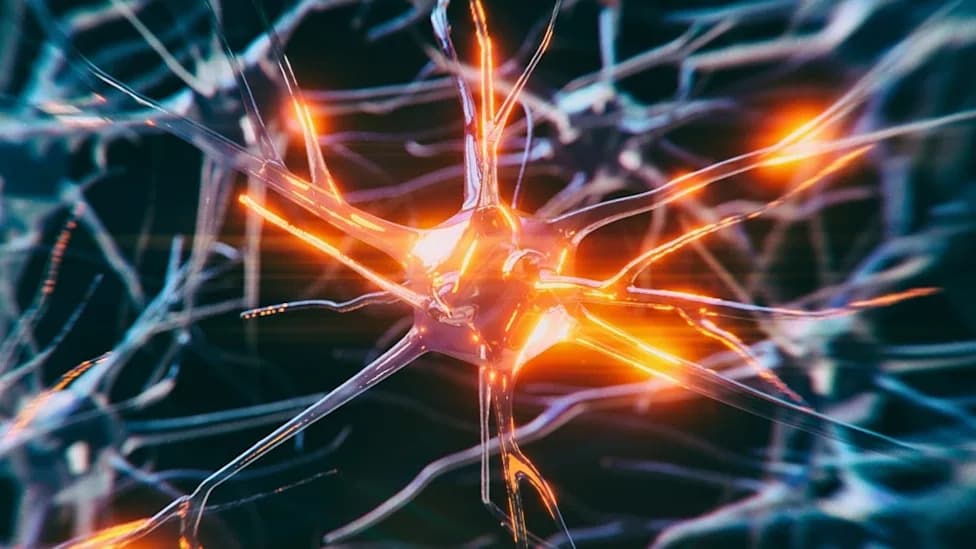
Low, controlled doses of hydrogen sulfide — a gas the body produces naturally — improved memory and motor function by about 50% in an Alzheimer’s mouse model treated with the hydrogen sulfide donor NaGYY for 12 weeks. The researchers link the benefit to restored protein sulfhydration and reduced harmful interactions between GSK3β and Tau, which otherwise form toxic aggregates in neurons. While promising, these results are preclinical and require further study before any human applications.
How Low Doses of Hydrogen Sulfide May Protect the Aging Brain — Promising Mouse Study

Researchers report that low, controlled doses of hydrogen sulfide — the foul‑smelling gas produced in the body and associated with flatulence — may help protect aging brain cells and reverse some Alzheimer’s‑like symptoms in mice. The study, published in the Proceedings of the National Academy of Sciences, links declines in a biochemical modification called sulfhydration with neurodegeneration and shows that restoring hydrogen sulfide levels improved behavior in an Alzheimer’s model.
Study overview
Investigators used mice genetically modified to model human Alzheimer’s disease and treated them with NaGYY, a slow‑releasing hydrogen sulfide donor. Over a 12‑week period, treated animals were tested for memory and motor performance. The research team includes lead scientist Dr. Bindu Paul and co‑authors Dr. Solomon Snyder, Dr. Milos Filipovic and Ph.D. student Daniel Giovinazzo.
Key results
Behavioral testing showed that mice receiving NaGYY improved cognitive and motor performance by roughly 50% compared with untreated Alzheimer’s model mice. Treated animals performed better on maze‑type memory tasks and were more physically active, indicating partial reversal of several Alzheimer’s‑like deficits.
Proposed mechanism
Hydrogen sulfide naturally modifies proteins through a biochemical process called sulfhydration. The researchers found that sulfhydration levels in the brain decline with age and are further reduced in Alzheimer’s disease.
The team identified glycogen synthase kinase‑3β (GSK3β) as a key player. Under healthy sulfhydration, GSK3β acts as a normal signaling molecule. When sulfhydration is low, GSK3β increasingly interacts with the Tau protein, promoting Tau aggregation inside neurons. These Tau aggregates disrupt neural communication and ultimately contribute to neuronal death, memory loss and motor decline.
Implications and caveats
The findings suggest that restoring physiological hydrogen sulfide signaling could be a novel strategy to block harmful GSK3β–Tau interactions and protect neurons. However, the work was performed in a mouse model, and translating these results to humans will require extensive additional research. Hydrogen sulfide is toxic at high concentrations, so any therapeutic application would need careful dosing and safety testing.
“Our data link aging, neurodegeneration and cell signaling using hydrogen sulfide and other gaseous molecules within the cell,” said Dr. Bindu Paul. “By correcting brain levels of hydrogen sulfide, we could successfully reverse some aspects of Alzheimer’s disease in mice,” added collaborator Dr. Matt Whiteman.
Overall, the study highlights a surprising biological role for a small gaseous molecule and opens a potential new avenue for Alzheimer’s research, while underscoring the need for cautious, rigorous follow‑up studies in humans.
Help us improve.