Researchers report a new method to improve human cell integration in animal embryos by disabling a mouse protein called MAVS, which reduces RNA-based innate immunity and allows human cells to compete and survive. The work builds on prior advances that used nanobodies to bypass species-specific cell adhesion barriers. While xenotransplantation has made clinical strides, chimera research raises ethical and safety questions that require strict oversight before clinical application.
Scientists Move Closer to Growing Human Organs in Animals — A New Study Shows How to Improve Human Cell Integration

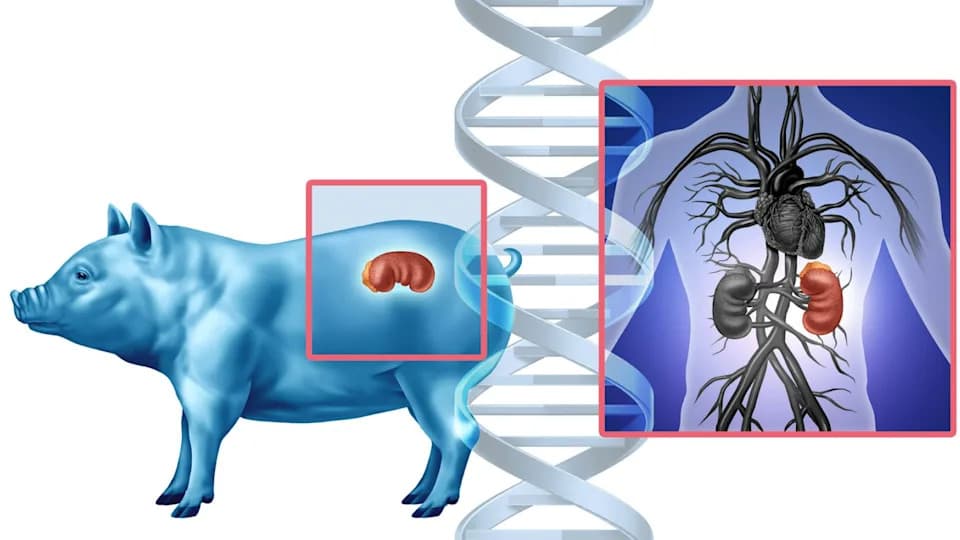
Researchers are refining techniques to grow human-compatible organs inside animals as one strategy to reduce the severe shortage of transplantable organs. More than 100,000 people in the U.S. alone are currently waiting for transplants, and human-animal chimeras—organisms that contain cells from two species—are one promising but technically and ethically complex avenue.
What the new study found
A team led by biologists at UT Southwestern reported in the journal Cell that disabling a mouse protein called MAVS dampens a host embryo's RNA-based innate immune response. When MAVS is disabled, that cellular "alarm" is reduced, allowing human cells to survive, compete and integrate more effectively into early chimeric embryos. The change improves human cell persistence without altering donor human cells themselves.
Jun Wu, senior author and biologist at UT Southwestern, said: "The findings provide insights for enhancing human-animal chimerism without altering donor human cells. This advances the possibility of growing human organs in animal hosts and potentially easing the global shortage of transplantable organs."
How this builds on earlier work
The new study builds on previous research from the same group that addressed a different barrier: species-specific cell adhesion molecules (CAMs). CAMs tend to favor bonds between cells of the same species, making it difficult for human stem cells to integrate into animal tissues. The researchers previously coated human stem cells with nanobodies that bind to host-cell antigens, effectively bypassing CAM-related rejection and improving engraftment.
Clinical progress and ethical questions
Parallel advances in xenotransplantation—the surgical transfer of animal-derived organs into humans—underscore the medical interest in alternative organ sources. In 2024, teams reported xenotransplants of genetically edited pig kidneys into human recipients and the start of clinical trials exploring animal-derived organs for patients with end-stage renal disease. These milestones demonstrate progress but do not eliminate the scientific gaps or risks involved with translating chimera-grown organs to the clinic.
Human cells typically make up a small fraction (often less than 10%) of experimental chimeric animals so far, but ethical concerns persist. Critics raise questions about animal welfare, the moral status of chimeric animals, the potential for unintended human-like traits in hosts, and long-term safety risks including infection or immune complications. Because of those concerns, researchers and regulators emphasize strict oversight, transparent public engagement and stepwise, well-monitored research before clinical use.
Outlook
The MAVS finding represents a concrete technical advance: it highlights a host-side immune mechanism that can be modulated to favor human cell integration. But significant hurdles remain—biological, practical and ethical—before chimera-derived organs become a clinical reality. Continued research, rigorous safety testing and broad public and regulatory dialogue will determine whether and how these methods move from laboratory studies to therapies that help patients on transplant waiting lists.
Help us improve.