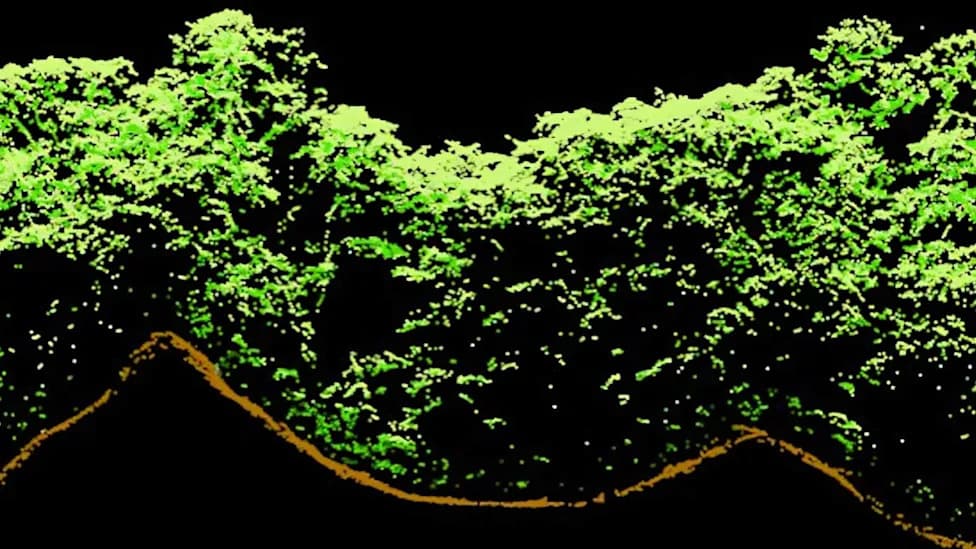
The World Monuments Fund mapped more than 100 previously unknown structures at Gran Pajatén in Peru’s Rio Abiseo National Park, revealing a far larger Chachapoya presence than previously documented. Between 2022 and 2024 researchers used aerial and ground LiDAR, photogrammetry and technomorphological analysis to penetrate the cloud-forest canopy and record ceremonial buildings, stone mosaics and a network of pre-Hispanic roads. Fieldwork dates occupation to at least the 14th century; conservation teams stabilized fragile features and a Lima museum is exhibiting the findings digitally to protect the site while sharing its story.
LiDAR Reveals 100+ Lost Chachapoya Structures at Gran Pajatén — A Hidden City in Peru’s Cloud Forest

Archaeologists, working with the World Monuments Fund (WMF), have mapped more than 100 previously undocumented structures at Gran Pajatén in Peru’s Rio Abiseo National Park, dramatically expanding what we know about the Chachapoya civilization often called the “people of the cloud forest.” Using noninvasive imaging technologies, the team penetrated dense canopy and produced a detailed map of a complex cultural landscape that was largely invisible from the ground.
Where and when
Gran Pajatén sits within Rio Abiseo, a UNESCO Mixed World Heritage site in Peru’s San Martín region of the Andes. The park rises to elevations above 10,000 feet (3,000 m), while Chachapoya occupation is typically associated with highland zones above roughly 6,500 feet (2,000 m). Field investigations confirm occupation at Gran Pajatén dating to at least the 14th century, and soil stratigraphy suggests earlier episodic use.
How the discovery was made
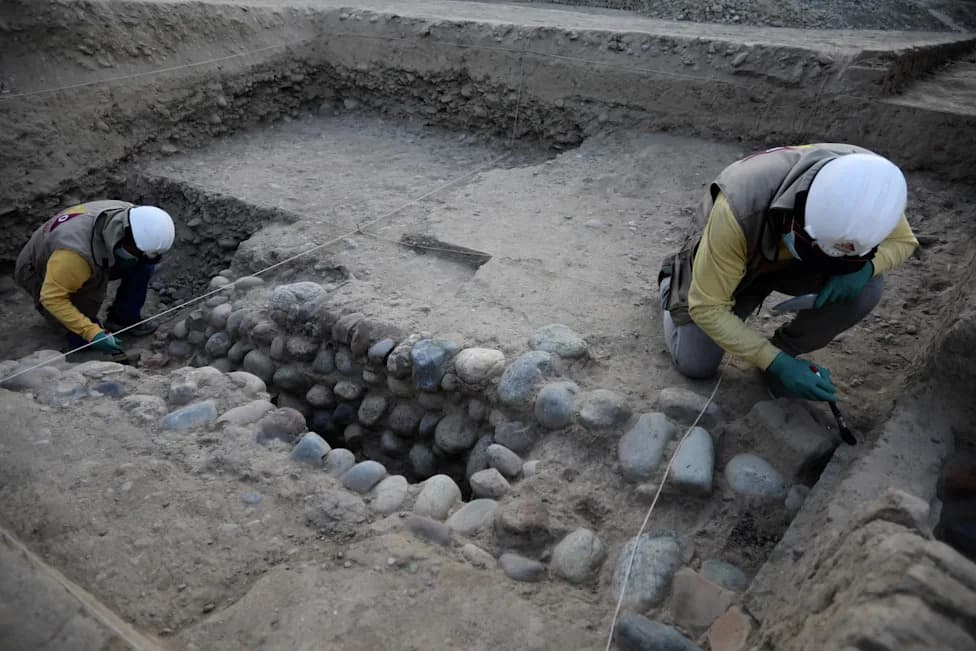
Between 2022 and 2024 researchers combined aerial and ground-based LiDAR scanning with photogrammetry, topographic registration and technomorphological analysis. These methods allowed teams to see through the cloud-forest canopy, register subtle variations in topography and document construction techniques, layouts and decorative features without large-scale excavation.
What they found
The survey revealed more than 100 additional constructions connected to the Chachapoya cultural landscape, including ceremonial buildings decorated with high-relief friezes, stone mosaics representing human figures, terraced agriculture, cliffside burial structures, and a network of pre-Hispanic roads that link Gran Pajatén to other regional sites. The pattern of roads and settlements supports the interpretation of an interconnected polity with hierarchical organization rather than an isolated ceremonial center.
“What makes this moment so meaningful is not only the scale of what’s been uncovered, but how we were able to do it,” said Benedicte de Montlaur, president and CEO of WMF. “By using advanced technology, our team gathered extraordinary visual and scientific documentation while preserving the fragile environment.”
Conservation and access
Because Rio Abiseo is remote, many archaeological features remain relatively undisturbed but also fragile and overgrown. During fieldwork, conservation teams stabilized stairways and stone reliefs and partially reassembled a perimeter wall as a model for future interventions. Ricardo Morales Gamarra, head of conservation for the project, emphasized that these careful actions aim to preserve authenticity while enabling study.
To broaden public access without endangering the site, the Museo de Arte de Lima is presenting a free exhibition about the Chachapoya and the recent discoveries. Digital documentation and immersive storytelling will allow wider engagement with Gran Pajatén’s history while keeping the physical site protected.
“This discovery radically expands our understanding of Gran Pajatén and raises new questions about the site’s role in the Chachapoya world,” said Juan Pablo de la Puente Brunke, WMF’s executive director in Peru. “Evidence now confirms it is part of an articulated network of pre-Hispanic settlements from different periods.”
Help us improve.