Researchers found that infected pupae of the garden ant Lasius neglectus emit a specific scent that deliberately attracts worker ants. Workers remove the cocoon, bite the pupa and insert a poison that disinfects and kills both pathogen and host. Experiments showed the scent alone is sufficient to trigger destruction and is produced only when workers are nearby, indicating a deliberate suicidal signal. Queen pupae do not emit the signal, likely because they have stronger immune defenses and face different reproductive trade-offs.
“Come and Kill Me”: Sick Ant Pupae Emit Scent That Triggers Workers to Destroy Them

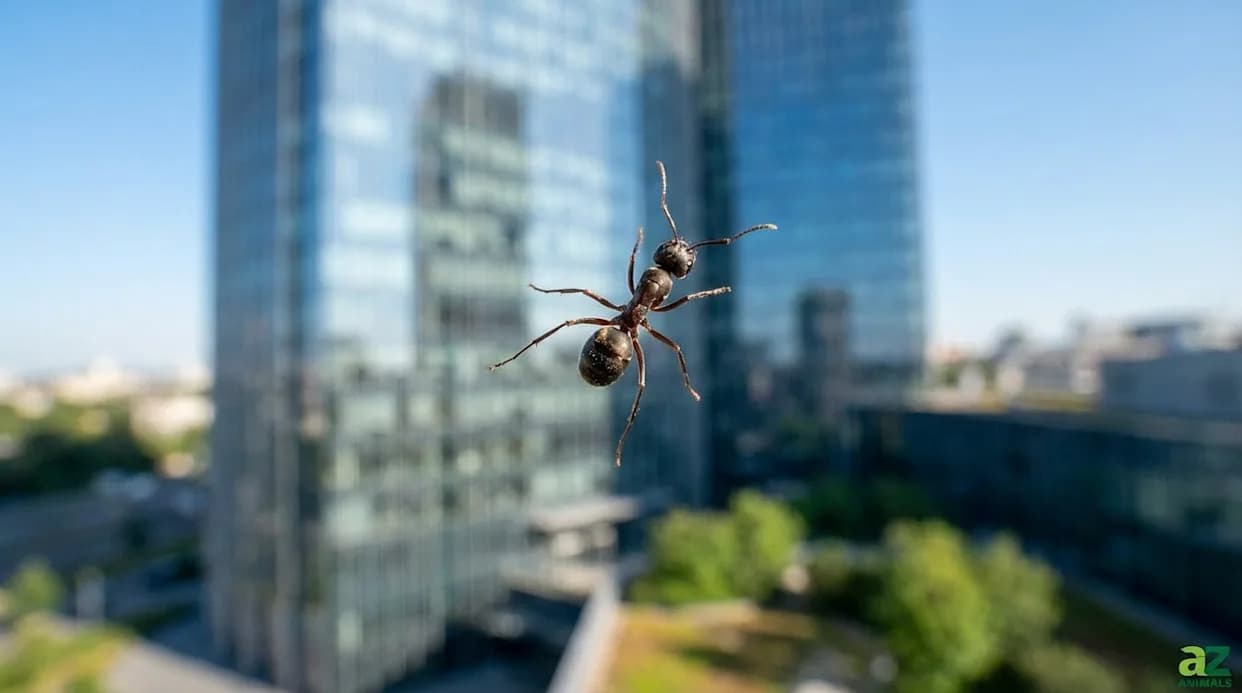
Young, infected ant pupae of the garden ant Lasius neglectus deliberately emit a chemical signal that attracts worker ants and prompts their own destruction, a new study finds. Researchers led by behavioural ecologist Erika Dawson at the Institute of Science and Technology Austria showed that the signal functions as a self-sacrificial disease-control mechanism that protects the colony from contagious pathogens.
Ant nests are densely populated and therefore especially vulnerable to disease transmission. Adult worker ants that contract a contagious infection typically leave the nest to die alone. Pupae, however, are confined inside their cocoons and cannot physically isolate themselves, so the colony relies on other defenses.
Experimental evidence
The team extracted the distinctive smell produced by terminally ill pupae and applied it to healthy brood in laboratory colonies. Workers responded to the artificially scented brood in the same way they treat genuinely infected pupae: they removed the cocoon, bit holes in the pupa and applied a poison that acts as a disinfectant, killing both the pathogen and the individual.
In a follow-up experiment the researchers discovered that pupae emit this scent only when worker ants are nearby, indicating the signal is produced deliberately to draw workers to perform the destructive, colony-protecting task.
"While it is a sacrifice — an altruistic act — it's also in their own interest, because it means that their genes are going to survive and be passed on to the next generation," said Erika Dawson.
Queen pupae behave differently
One important exception was queen-destined pupae: when infected inside their cocoons, queen pupae did not produce the suicidal scent. The researchers found that queen pupae generally have stronger immune responses and can often fight off infections, which likely explains their silence. The authors note a difficult trade-off for queens: signaling for destruction risks losing future reproductive opportunities if they could recover, while remaining silent could spread infection and harm the colony's fitness.
The study, published in Nature Communications, builds on previous work into ant communication and social disease defenses. Similar self-isolation or exclusion behaviours have been documented in other species, and other ant studies have shown complex information transfer about resources and threats.
These findings reveal a striking example of altruistic disease signaling in social insects and highlight how colonies balance individual sacrifice against group survival. The researchers suggest future work should test whether queen pupae signal for destruction in cases where recovery is unlikely.
Help us improve.