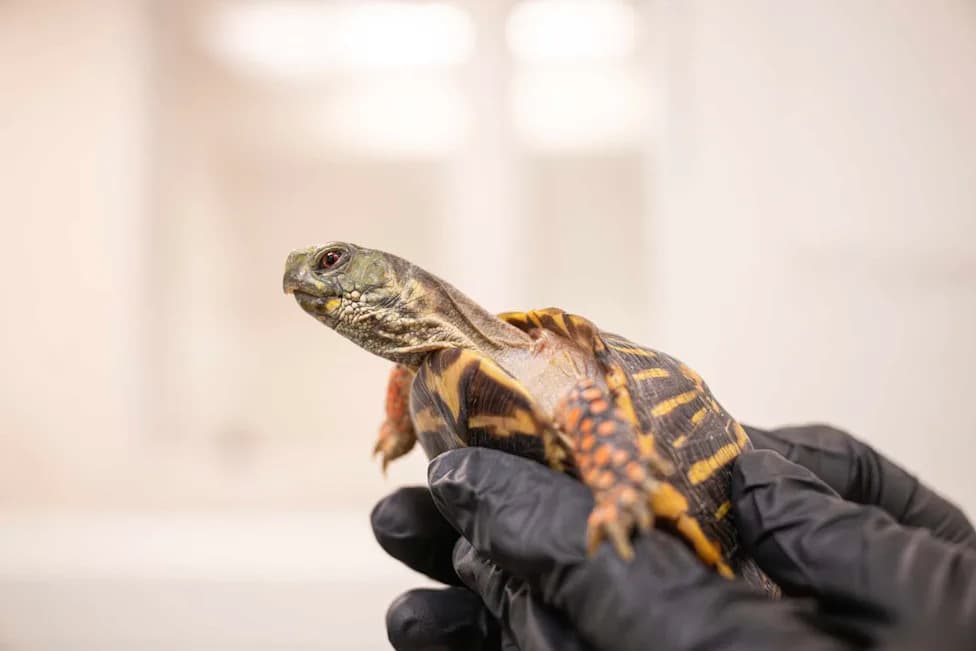
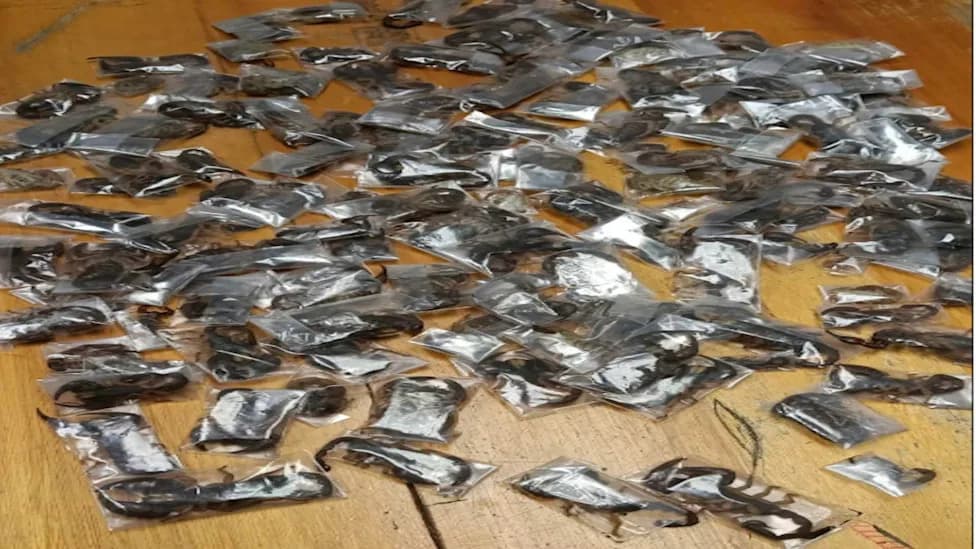
Delegates at the CITES meeting in Samarkand are debating proposals to curb an expanding illegal trade in exotic pets driven by online marketplaces and influencer culture. Recent reviews show rising seizures — over 100,000 animals were seized or poached across 18 Latin American countries from 2017–2022 — with reptiles making up the majority. Specific measures include a commercial ban on Home's Hinged-back Tortoise and proposed restrictions on Galápagos iguanas, vipers, geckos and sloths. Experts warn that permit abuses and captive-breeding loopholes are enabling traffickers to launder wild-caught animals, and conservation groups call for urgent international action.
Online Marketplaces and Influencers Fuel Illegal Exotic-Pet Trade as CITES Weighs Tighter Rules

Conservationists are urging stronger international controls as online marketplaces and social media influencers help drive a booming, often illegal trade in exotic pets. Delegates at the two-week Convention on International Trade in Endangered Species of Wild Fauna and Flora (CITES) meeting in Samarkand, Uzbekistan, are debating proposals to restrict or ban trade in several reptiles, birds and other species increasingly sold on the internet.
Internet marketplaces and social media accelerate demand
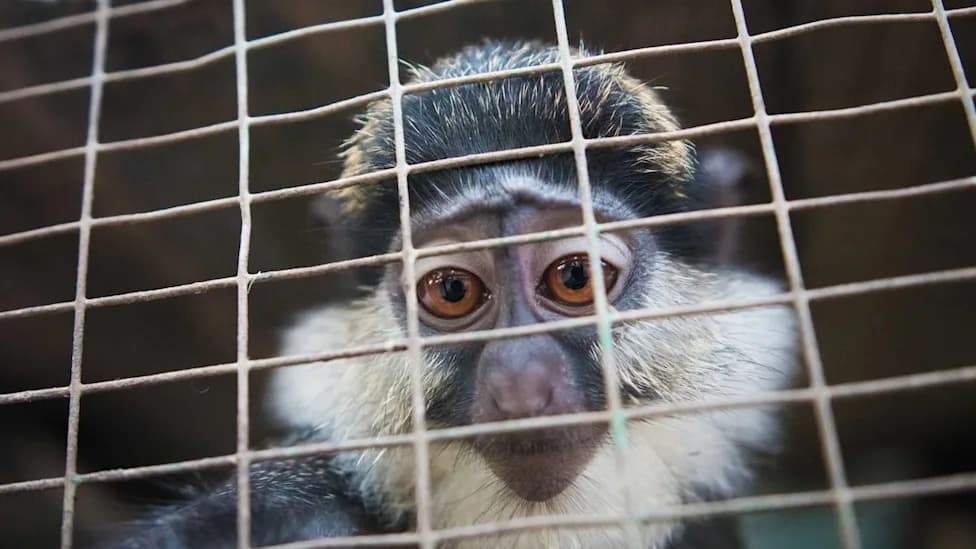
Speakers at the conference say the pet trade has shifted strongly toward live reptiles and amphibians, and that buyers no longer need to visit a specialist shop to obtain rare animals. "They go online and there are thousands of animals, including endangered species, illegally obtained species, all available on the internet," said Susan Lieberman, vice president for international policy at the Wildlife Conservation Society.
"The dramatic growth in online marketplaces has put consumers directly in touch with wildlife traders and criminals around the world," added Matt Collis, senior director of international policy at the International Fund for Animal Welfare. He warned that social media influencers who showcase exotic pets have normalized ownership and helped fuel demand.
Rising seizures and the Latin America connection
A recent review covering 18 Spanish-speaking countries in Latin America found more than 100,000 animals seized or poached between 2017 and 2022, with seizures increasing each year. The review found the live pet trade accounted for a growing share of the traffic: roughly 60% of seized animals were reptiles, nearly 30% were birds, and more than 10% were amphibians. While much of the trade is local or regional, there is evidence of shipments to collectors in Europe, Asia and North America; over 90% of wildlife seized en route to Europe were alive, underscoring demand for live pets.
Species under debate at CITES
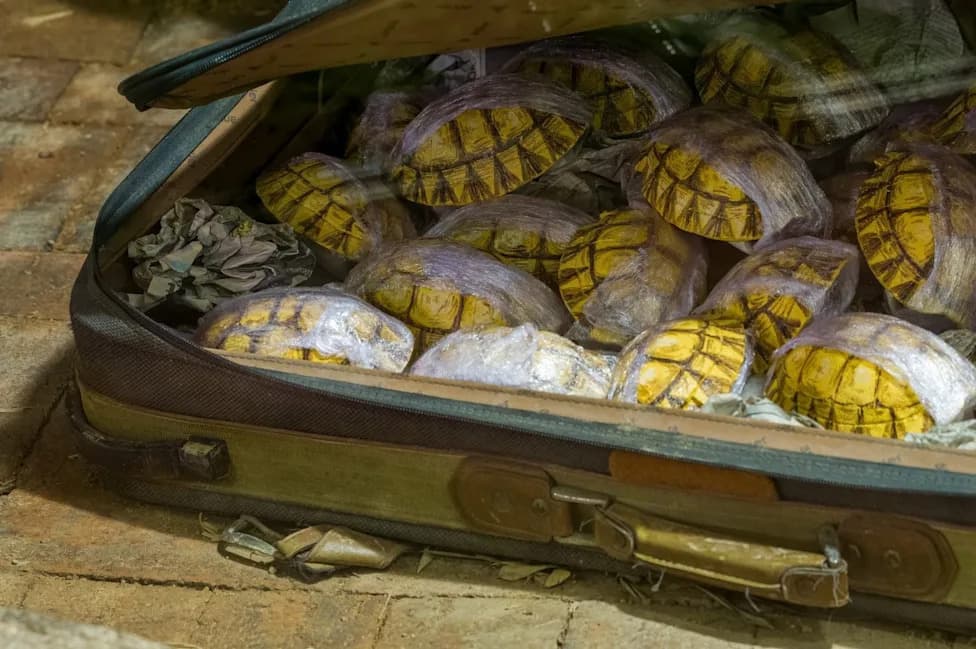
Delegates have already approved a commercial ban on Home's Hinged-back Tortoise, a critically endangered West African species notable for a hinged shell that protects its legs and tail. Other proposals under consideration include trade restrictions or bans for:
- Marine and land iguanas from the Galápagos Islands, where populations face threats from invasive species, tourism pressure and climate variability;
- Two viper species endemic to Ethiopia (a commercial ban was approved);
- Two rattlesnake species largely found in Mexico (a proposal to list them was rejected);
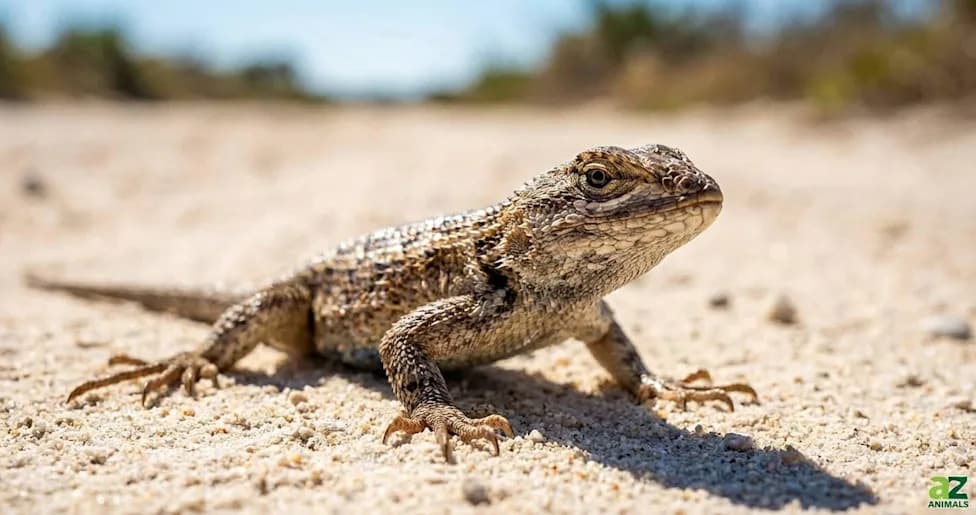
- Australia's leaf-tailed gecko;
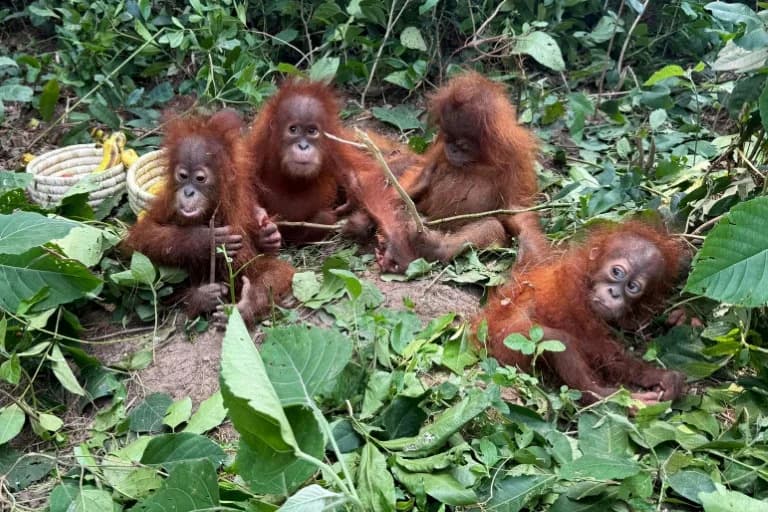
- Two South American sloth species, which have appeared in sloth-themed cafes in parts of Asia.
Ecuador told delegates it does not permit commercial exports of Galápagos iguanas and has long prohibited collecting from the islands. Yet officials say traffickers are moving young iguanas by boat or overland to ports and sometimes mislabeling them as captive-bred. Many are reportedly destined for markets in Japan and other Asian countries, where some individuals can fetch as much as $25,000 on the black market.
Permits, captive-breeding and laundering risks
Delegates warned that weaknesses in the CITES permitting system and in captive-breeding rules are being exploited to launder wild-caught animals. In theory, countries issuing export permits must verify that animals and their ancestry (back to founding stock) were legally acquired, but enforcement is uneven. "Countries issue permits without verifying animal origins, which helps traffickers launder animals from illegal sources, undermining the very framework meant to protect these species," Collis said.
Lieberman noted that captive breeding, once seen as a conservation solution, can create market demand and be used as a cover to launder wild animals: "Breeding in captivity also creates a market, but they're cheaper from the wild. And also it's a great way to launder."
Pushback from pet-trade groups
Not all proposals have wide support. A measure to regulate more than a dozen tarantula species was rejected after critics argued it grouped many distinct species in a single listing. The United States Association of Reptile Keepers said existing protections and responsible captive-breeding practices are adequate and cautioned that overly broad restrictions could be counterproductive.
Calls for urgent action
Conservation organizations say stronger action is needed to curb demand and close loopholes that enable illegal trade. A report from a conservation nonprofit found the United States is among the largest markets for exotic pets, importing an estimated 90 million live amphibians, arachnids, birds, aquarium fish, mammals and reptiles annually. Advocates warn wildlife exploitation for the pet trade is a major driver of biodiversity loss and urge that addressing demand — especially in major consumer markets — be a priority to protect species from extinction.
Key takeaway: Rapid growth of online sales and influencer-driven demand is shifting the exotic pet trade toward live wild animals, straining enforcement systems and prompting calls for tighter international rules to prevent laundering and protect vulnerable species.
Help us improve.