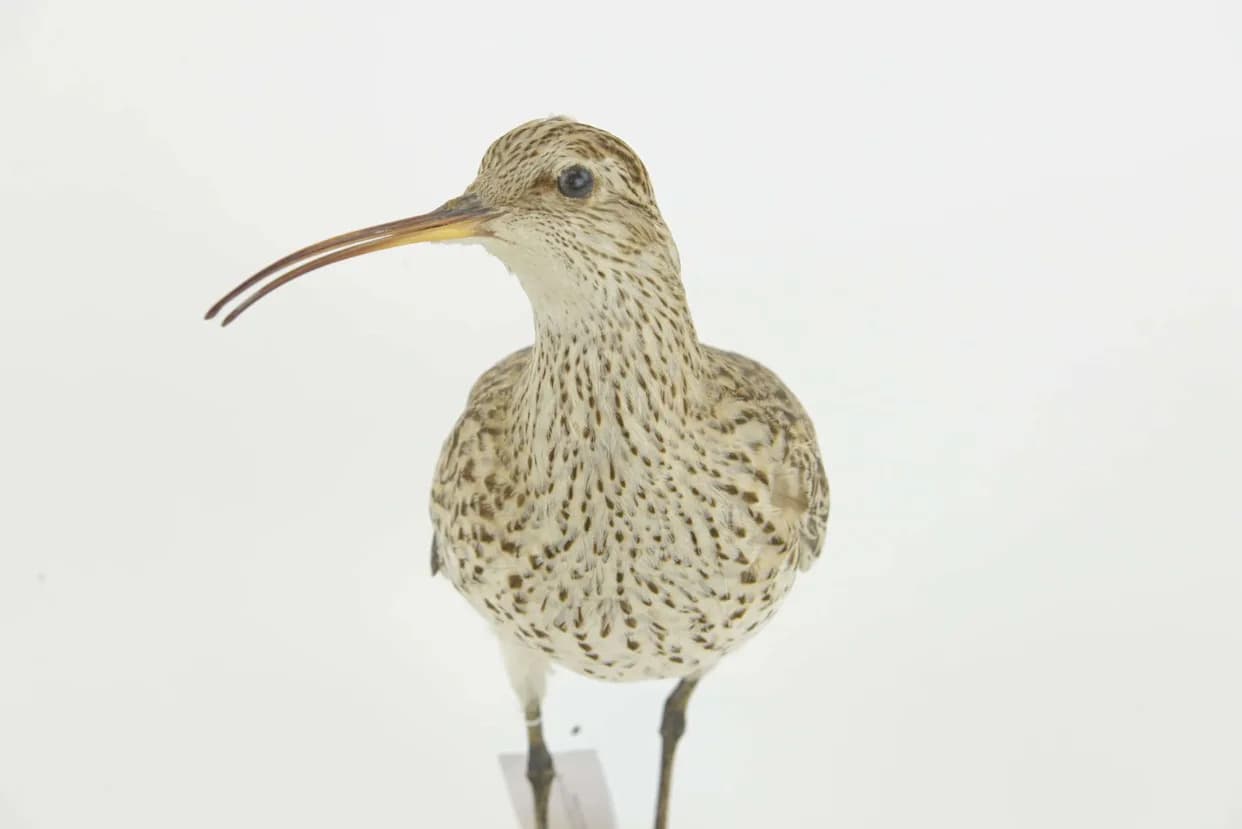
The IUCN Red List moved at least six species to its Extinct category in 2025, including the Christmas Island Shrew, a cone snail (Conus lugubris), the Slender‑Billed Curlew and three Australian mammals. Many had not been seen for decades—the shrew and cone snail were last recorded in the 1980s, and the curlew’s last confirmed sighting was in 1995. Conservationists called the curlew’s loss "tragic and sobering" and urged stronger, effective conservation measures. Two plant species were also declared extinct in 2025.
Six Species Officially Declared Extinct in 2025, Including Christmas Island Shrew and Slender‑Billed Curlew
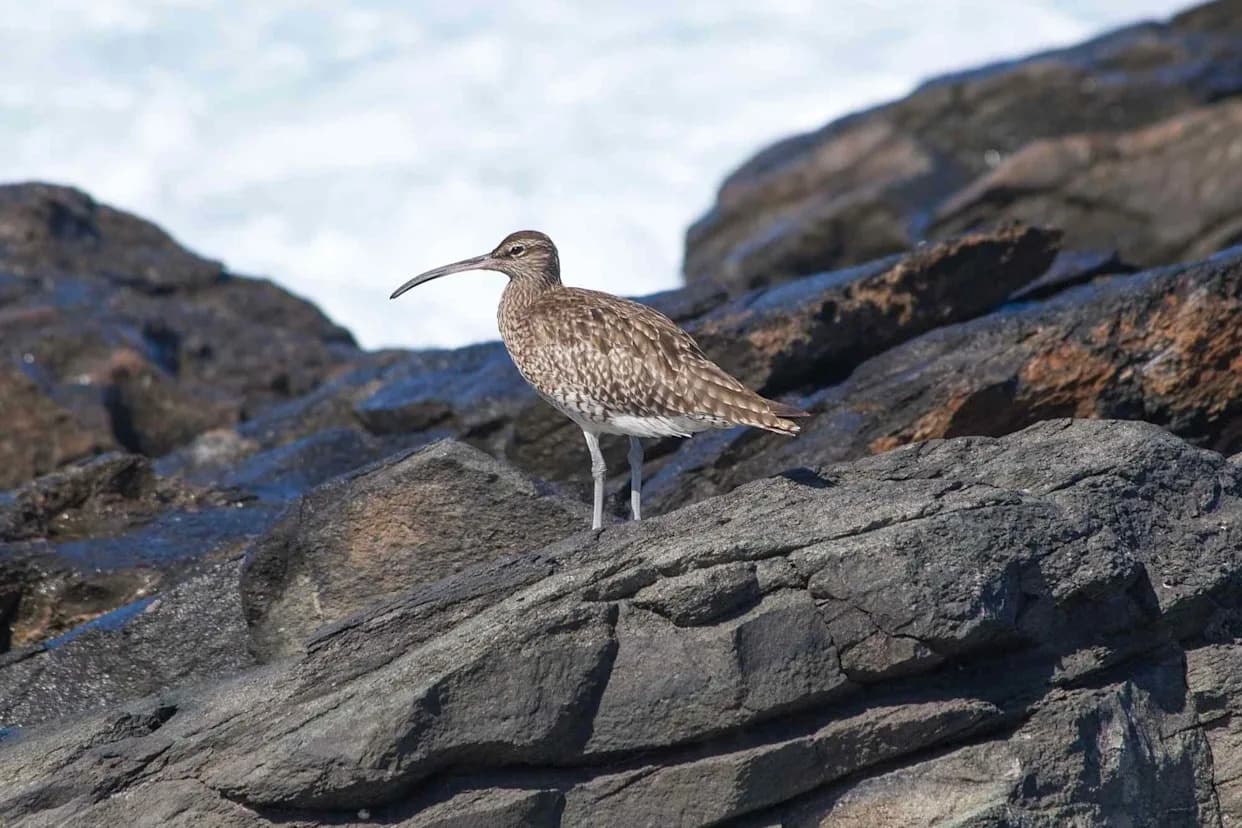
Tamara Kulikova/ShutterstockSlender-billed curlew
The International Union for Conservation of Nature (IUCN) moved at least six species to its Extinct category in 2025, formally recognizing that these animals no longer exist in the wild. The change reflects decades without confirmed sightings despite extensive surveys and underscores the finality of long‑running declines.
Which Species Were Declared Extinct
The species newly listed as Extinct in 2025 include:
- Christmas Island Shrew (Crocidura trichura)
- Cone Snail (Conus lugubris)
- Slender‑Billed Curlew (last photographed in Morocco in 1995)
- Three Australian mammals: the Marl (Perameles myosuros), the South‑Eastern Striped Bandicoot (Perameles notina), and the Nullarbor Barred Bandicoot (Perameles papillon)
Although the formal IUCN listings occurred in 2025, several of these species have been missing from the wild for decades. The Christmas Island Shrew and Conus lugubris were last recorded in the 1980s, and the last widely accepted sighting of the Slender‑Billed Curlew dates to a 1995 photograph taken in Morocco.
“The extinction of the Slender‑Billed Curlew is a tragic and sobering moment for migratory bird conservation,” said Amy Fraenkel, Executive Secretary of the Convention on the Conservation of Migratory Species of Wild Animals, speaking to USA Today.
Fraenkel and other conservationists hope these formal confirmations will galvanize stronger and more effective conservation measures. The IUCN designation is the culmination of exhaustive surveys and expert review; it is not used lightly and signals a permanent loss for global biodiversity.
Plants Also Lost
Conservation outlets including Mongabay noted that two plant species were also moved to the IUCN Extinct list in 2025: Diospyros angulata, a tree native to Mauritius, and Delissea sinuata, once found only in the Waianae Mountains of Oʻahu, Hawaiʻi.
The new listings are a stark reminder that the disappearance of species is often long and gradual. Scientists and conservation groups say these confirmations should spur renewed efforts—stronger protections, habitat restoration and targeted recovery actions—to prevent further extinctions.
Help us improve.