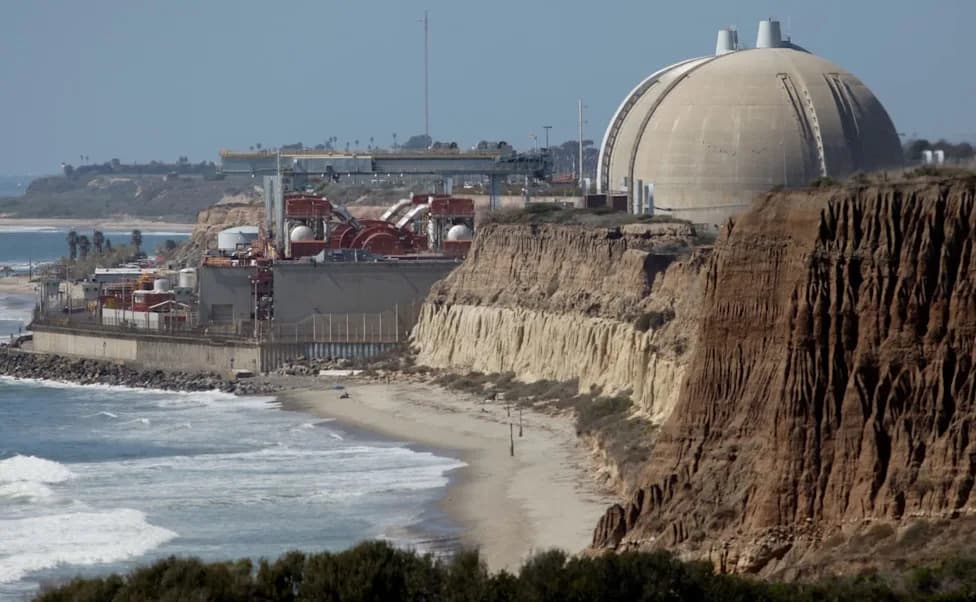
The UCLA and UC Berkeley study finds about 5,500 hazardous-waste and industrial sites along nearly 100,000 miles of U.S. coastline could be inundated by 2100, with many becoming vulnerable by 2050. Seven states account for roughly 80% of the at-risk locations. Even under a low-emission pathway, more than 5,000 sites remain threatened, reflecting legacy emissions and subsidence. Authors call for coordinated federal, state, and local action to identify risks and protect frontline communities.
Toxic Tide Threatens U.S. Coasts: 5,500 Hazardous Sites at Risk by 2100

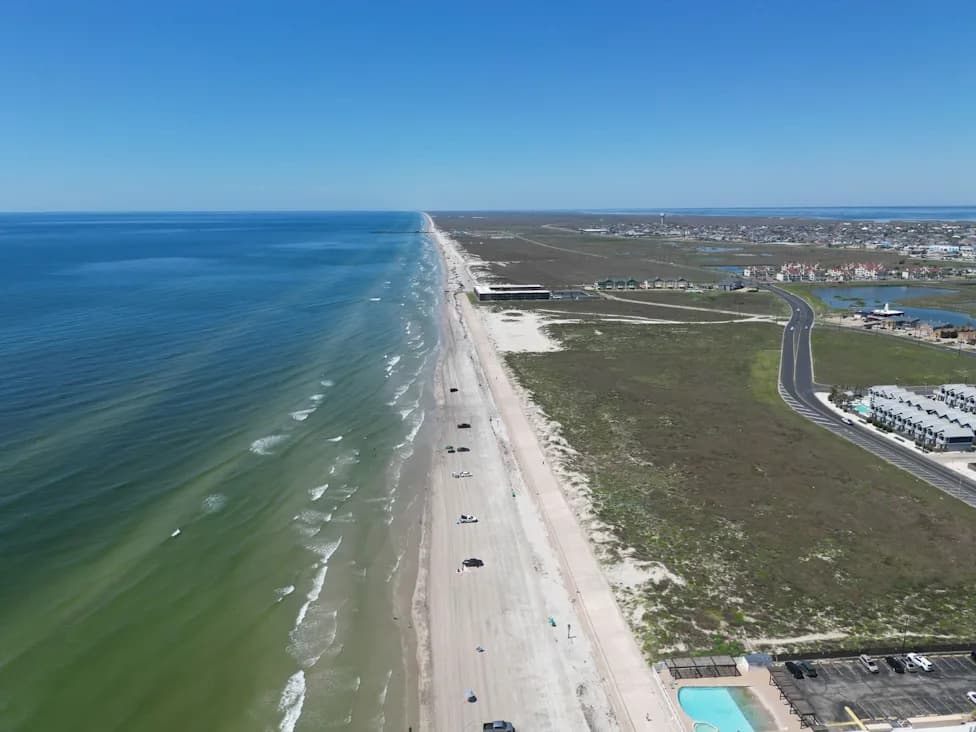
A new analysis by researchers at the University of California, Los Angeles and UC Berkeley finds that roughly 5,500 hazardous-waste and industrial sites along nearly 100,000 miles of U.S. coastline could be exposed to flooding by 2100. Even under a low-emissions scenario, the number of threatened sites stays above 5,000, underscoring how past emissions, rising seas, and local subsidence combine to create a growing public-health risk.
Key findings
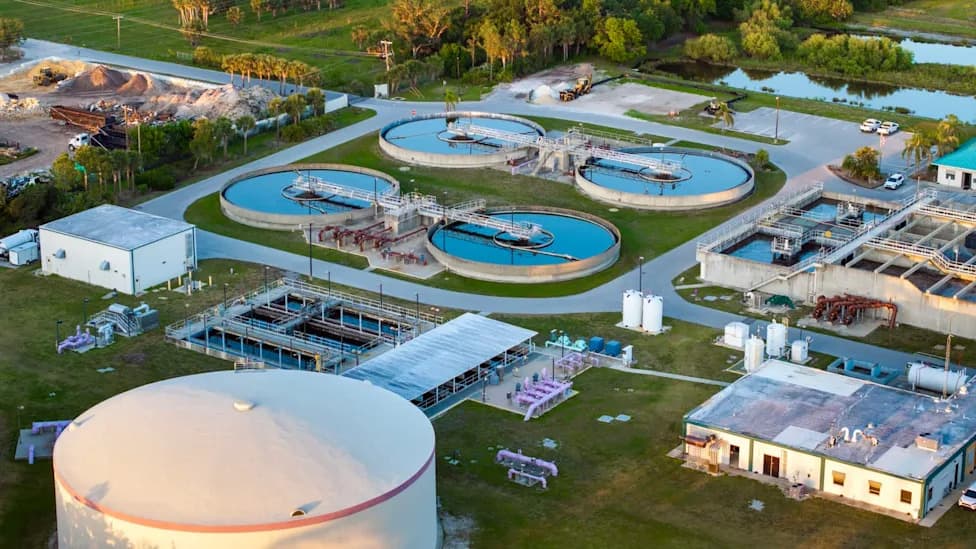
The study modeled a 100-year flood event across 23 coastal states plus Puerto Rico using both low- and high-emission scenarios. Seven states—Louisiana, Florida, New Jersey, Texas, California, New York, and Massachusetts—contain roughly 80% of the sites at risk. Many of these facilities become vulnerable well before 2100, with a majority expected to be at flood risk by 2050.
Why the danger is growing
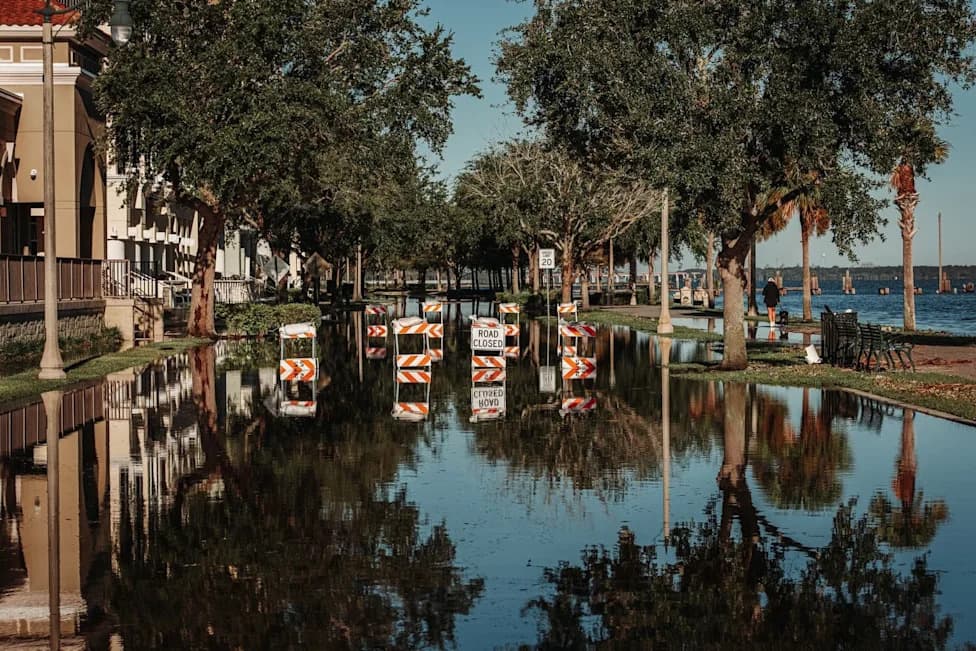
Sea-level rise drives higher baseline water levels, and local land subsidence can dramatically amplify flood risk. Recent research has found portions of Oʻahu sinking as fast as 25 millimeters per year, and another study of 32 U.S. coastal cities reported 24 were subsiding at rates of at least 2 millimeters per year. Where hazardous materials are stored near waterfronts, floodwaters can transport contaminants into neighborhoods, waterways, and groundwater.
"Flooding from sea level rise is dangerous on its own, but when facilities with hazardous materials are in the path of those floodwaters, the danger multiplies," said Lara Cushing, lead author from UCLA. "Dangers are falling disproportionately on poorer communities and communities that have faced discrimination and therefore often lack the resources to prepare for, retreat, or recover from exposure to toxic floodwaters."
Real-world examples and consequences
Extreme events already illustrate the stakes. After Hurricane Harvey in 2017, roughly 200 contaminant releases were recorded along the Texas Gulf Coast, and an explosion at an industrial facility near Crosby, Texas forced tens of thousands to evacuate. As sea levels rise and storms intensify, similar incidents could occur more frequently if high-risk sites are not identified and mitigated.
What can be done
The authors call for coordinated federal, state, and local action to map vulnerable facilities, prioritize mitigations, and provide funding and planning support to frontline communities. Steps include hardened storage, improved site remediation, strategic relocation when necessary, better emergency planning, and targeted investment in disadvantaged communities that are most likely to be affected.
While some sea-level rise is already committed, timely policy decisions and investments can substantially reduce the likelihood of catastrophic contamination events and protect public health, especially in communities that currently lack the resources to respond.
Help us improve.