Portland cafés and roasters remain affected by a recently lifted 10% tariff because coffee already landed in the U.S. continues to be taxed. Retail coffee prices have climbed sharply—averaging $9.14 per pound in September, up from about $4 in late 2019—driven by supply shortages and climate damage. Small roasters report layoffs and say meaningful relief may not arrive until tariff-free shipments reach U.S. warehouses in the coming months.
Tariff Lift Won't Bring Immediate Relief for Portland Cafés as Coffee Prices Soar
Portland, long celebrated as a U.S. coffee hub, is still feeling the sting of rapidly rising bean costs even after a recent tariff exemption. Local roasters and cafés say the exemption won’t provide immediate relief because large quantities of green coffee already in U.S. ports remain subject to the duty.
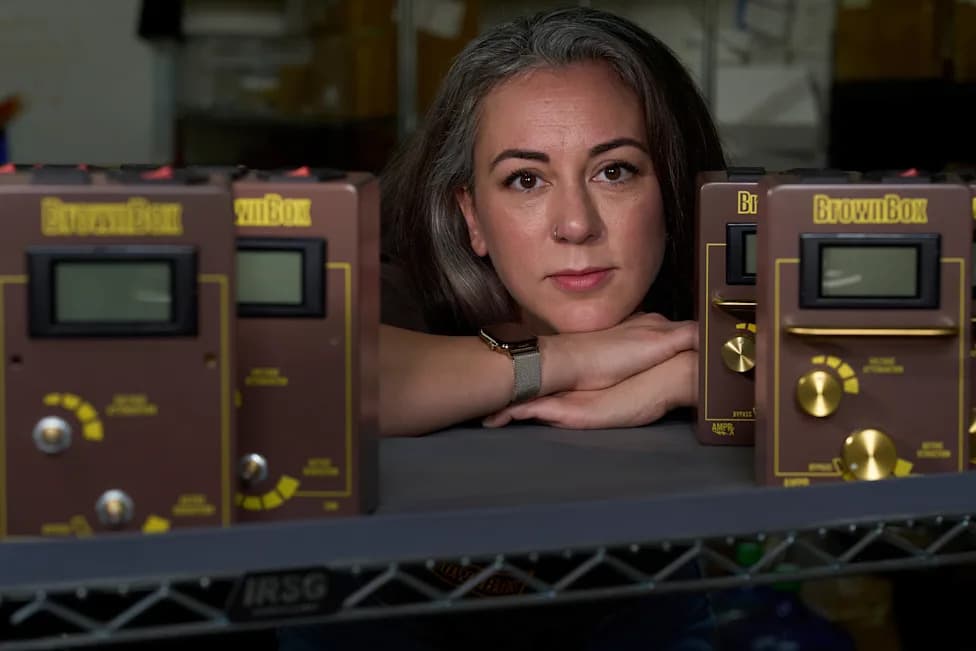
"We have bags of coffee on our menu that are $28.50. That's a lot of money for a bag of coffee," said Laila Ghambari, owner of Guilder Coffee Company, which specializes in small-batch, specialty beans. Ghambari, who grew up in her family's coffee shop and won the U.S. barista championship in 2014, said the added costs have hit small operators hard.
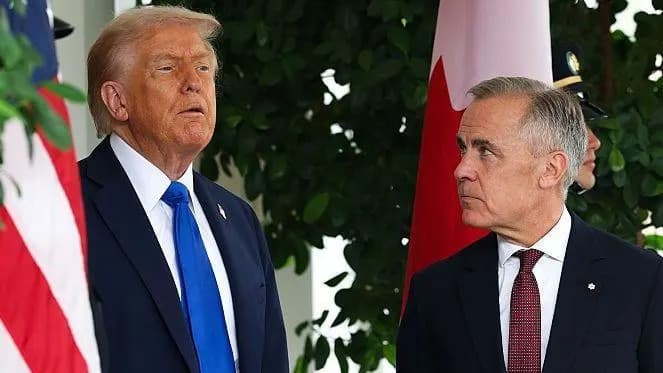
The U.S. imposed a 10% reciprocal tariff on many coffee-producing countries in April. Although the duty was exempted last month, Ghambari noted that shipments that "have already landed in the United States" remain liable for the tariff, delaying any price relief.
Prices were rising before the tariff. Supply-and-demand imbalances for specialty beans and climate impacts such as crop-damaging frost pushed the average retail price for 100% ground roast coffee to a record $9.14 per pound in September, according to the Federal Reserve Bank of St. Louis. By comparison, one pound of ground coffee cost a little over $4 in December 2019. The Bureau of Labor Statistics reported U.S. retail coffee prices rose 20.9% year over year in August — the steepest annual jump in nearly 30 years.
“[The consumer is] probably not feeling it,” said Christopher Hendon, a chemistry professor at the University of Oregon who studies the coffee industry. “You might not care today, because the price didn't change all that much, but you might care if your local café disappears.”
Independent roasters report real consequences. Charlie Wicker, owner of Trail Head Coffee, said tariffs forced him to lay off two full-time employees; the business now operates with just himself and one part-time worker. Wicker credited modest savings with keeping the business afloat.
Because roasters and cafés typically buy green coffee months in advance, shipments purchased before the exemption will continue to carry the added cost until they are used. Ghambari expects her first tariff-free import to arrive in February, and other small suppliers say meaningful easing of prices will depend on when new stock clears ports and works through inventories.
For many Portland businesses, the tariff lift is welcome but gradual relief — rather than an immediate fix — as the city navigates a period of elevated, historically high coffee prices.
Help us improve.