A Starbucks barista explains how $15.50-an-hour pay and unpredictable schedules leave workers financially unstable, prompting a nationwide Workers United ULP strike called the "Red Cup Rebellion." The strike — the longest ULP action in Starbucks history — involved up to 4,500 baristas and still has 1,000+ on strike in 10 cities. CEO Brian Niccol earned at least $96 million in his first four months while Starbucks spent millions on conferences and anti-union efforts; judges and the NLRB have ruled against the company in hundreds of cases.
Why the Starbucks Strike Matters: A Barista’s Fight for Pay, Hours and Fair Bargaining
The Starbucks strike is an important fight for baristas like me
Starbucks markets my $15.50-an-hour job as a barista as "the best job in retail," but with no guaranteed hours and schedules that change constantly, I’m fortunate to hit 30 hours some weeks. I cannot sustainably support myself or build savings this way, and coworkers who need benefits are often short of the 20-hour threshold required to qualify. Our finances are precarious, yet Starbucks asks us to be grateful.
A Day In The Life
My mornings start before dawn. The commute is quiet, but the calm ends the minute I step into the store. At 5 a.m. the location must be set up and opened, and the morning rush brings a steady stream of customers eager for coffee and breakfast. The pace itself isn’t the issue — chronic understaffing is. Mornings realistically require four people to keep orders moving on time, but most shifts have only two of us, and some days it’s just one. Lines snake through the building and people wait — often angrily.
Why We Struck
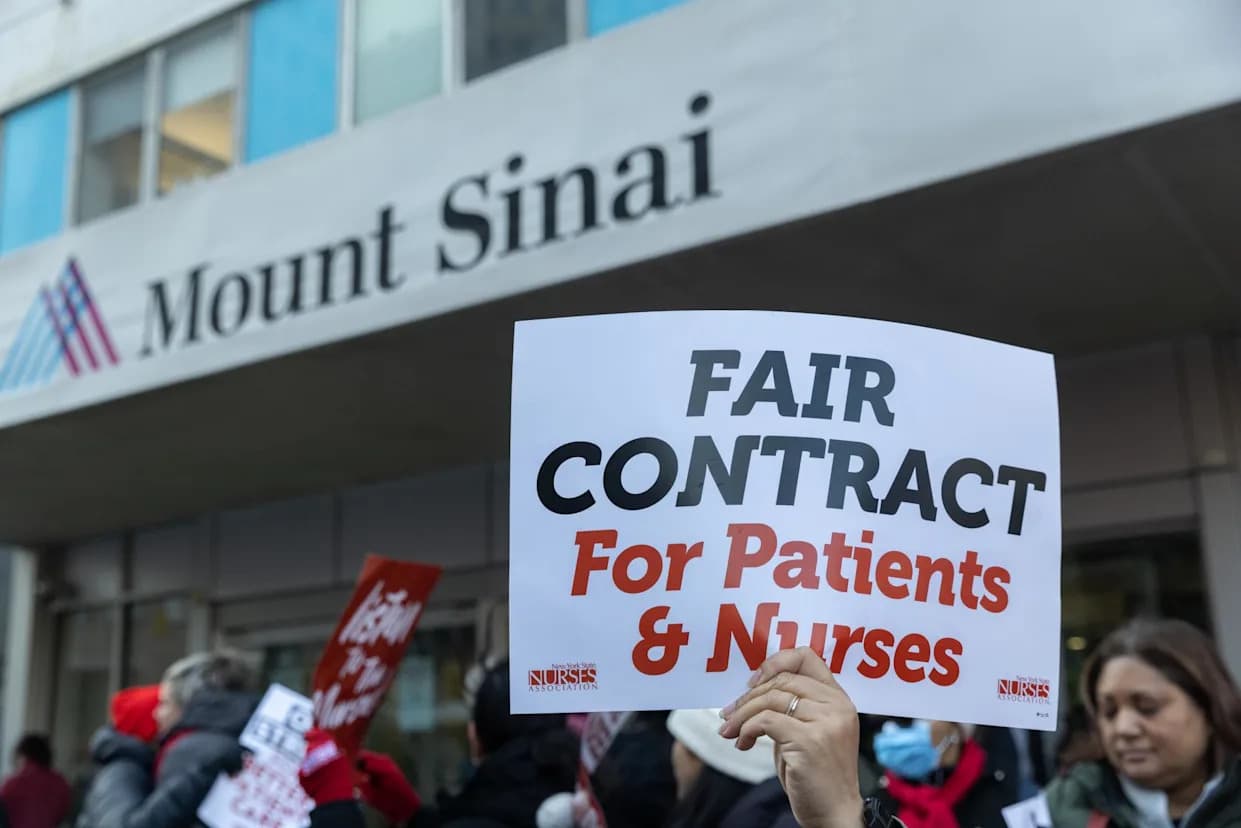
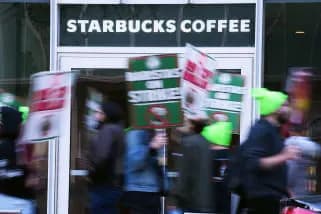
This fall I joined up to 4,500 unionized baristas in a nationwide unfair labor practice (ULP) strike organized with Workers United, demanding that Starbucks stop union-busting and finalize a contract addressing pay, scheduling stability and workplace protections. Our "Red Cup Rebellion" has become the longest ULP strike in Starbucks history. While some employees have returned, more than 1,000 baristas in 10 cities remain on strike and hundreds more may join.
Scale Of Organizing And Employer Response
Since the strike began in November, more than 250 baristas have joined our union and roughly 300 recently petitioned for union elections. Our union has filed over 1,000 ULPs — more than 125 were filed in 2025 alone. In more than 400 cases, administrative law judges or the National Labor Relations Board have found against Starbucks. One judge issued a stinging rebuke, saying the company has "engaged in a scorched earth campaign and pattern of misconduct in response to union organizing at its stores across the United States."
Corporate Pay And Spending
Meanwhile, CEO Brian Niccol, who started at Starbucks in September 2024, earned at least $96 million in his first four months on the job, including a $5 million bonus and roughly $90 million in stock awards. The AFL-CIO’s Executive Paywatch reported he made about 6,666 times what the average Starbucks employee earned that year and claimed a median barista would have had to work from 4643 BCE to the present to match his 2024 pay.
Starbucks' expenditures in 2025 included an estimated $81 million for a managers-only conference, $6 million in executive bonuses and even a $360,000 job listing for a pilot role. Since organizing began in 2021, the company has reportedly spent approximately $240 million on anti-union efforts—money many of us believe should be invested in worker wages, stable schedules and a fair contract.
What We Want: A binding contract that guarantees fair pay, predictable hours, reliable access to benefits and respectful bargaining that recognizes the contributions of the people who run Starbucks stores.
Why This Matters
This dispute is about more than wages. It’s about workplace dignity, predictable schedules that allow workers to plan their lives, and the right to organize without intimidation. We want Starbucks to thrive — our livelihoods depend on it — but true success requires the company to stop union-busting and negotiate in good faith to deliver the contract the workforce deserves.
Help us improve.