Key points: Jafar Panahi has been sentenced in absentia to one year in prison and given a two-year travel ban for alleged "propaganda activities," his lawyer says. Panahi, who won this year’s Palme d'Or for It Was Just an Accident, is currently outside Iran and will appeal. The ruling adds to a long history of official restrictions and legal pressure on the internationally acclaimed director.
Cannes Winner Jafar Panahi Sentenced in Absentia to One Year; Two-Year Travel Ban Imposed

Iranian filmmaker Jafar Panahi has been sentenced in absentia to one year in prison and given a two-year travel ban, his lawyer Mostafa Nili said. The court also barred Panahi from membership in any political or social organisations. Nili said the charges relate to alleged "propaganda activities" against the state and that the defence will file an appeal. He confirmed that Panahi is currently outside Iran.
Festival success and international attention
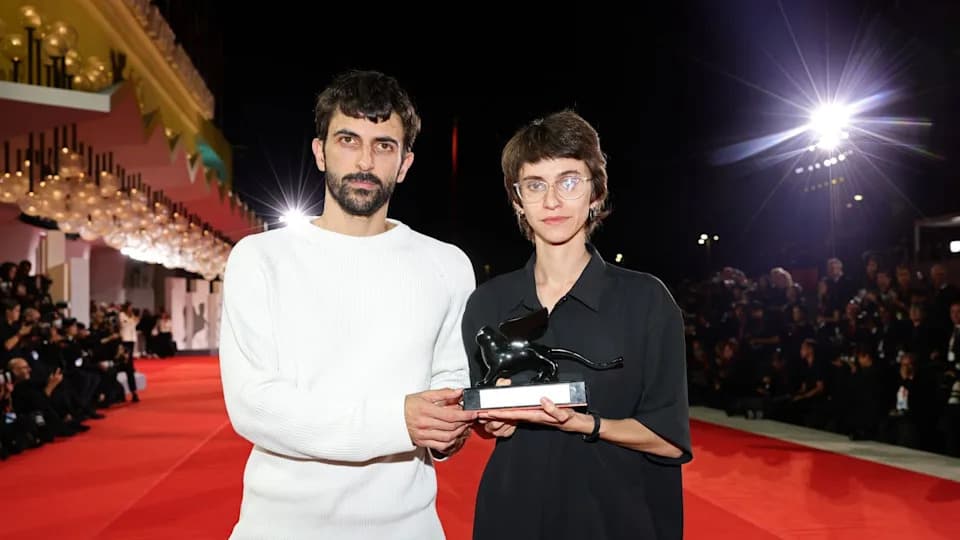
Panahi, 65, this year won the Palme d'Or at the Cannes Film Festival for It Was Just an Accident, a drama about five former inmates who debate taking revenge on a man they believe once imprisoned them. France has selected the film as its official submission for the Academy Awards, and it is widely expected to be a contender for Best International Feature.
History of clashes with authorities
Panahi has a long history of conflict with Iranian authorities over his work. In 2010 he was convicted of "propaganda against the system" and handed a six-year prison sentence, although he served only about two months before being released on bail. He has been repeatedly restricted from making films and leaving the country; authorities later imposed a long-term ban on his filmmaking activities.
Despite those restrictions, Panahi has continued to find creative ways to present his work internationally. In 2011 he smuggled his documentary This Is Not a Film to Cannes on a flash drive hidden in a cake. His 2015 film Taxi — shot entirely from inside a car with Panahi playing the driver — won further acclaim. In 2022 he was detained in connection with protests involving filmmakers and spent several months in custody before his release.
Broader context
Filmmakers, journalists and other cultural figures in Iran are often monitored and their work reviewed for material deemed critical of the Islamic Republic. In recent years other prominent directors, including Mohammad Rasoulof, have faced legal action or fled the country to avoid imprisonment.
Panahi’s legal team has announced plans to appeal the sentence. With the filmmaker currently abroad and his new film gaining international recognition, the case is likely to draw continued global attention to the tensions between Iranian artists and state authorities.
Help us improve.