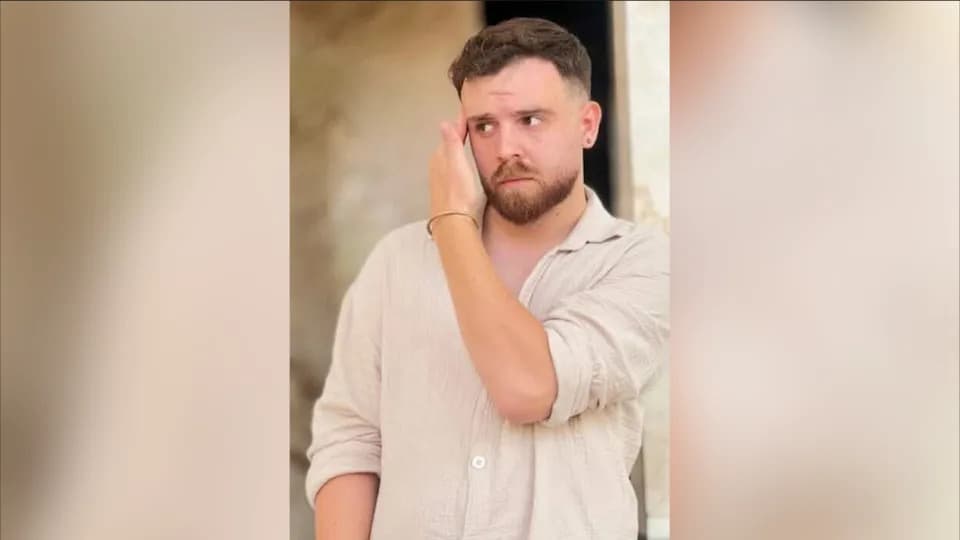
Abdolreza "Reza" Valizadeh, a 49-year-old dual U.S.-Iranian journalist, was arrested by the IRGC on Sept. 22, 2024 and later sentenced to 10 years following a brief December 2024 hearing. The U.S. State Department designated him "wrongfully detained" in May 2025, and his attorney has petitioned the U.N. Working Group on Arbitrary Detention. Family and advocates report his asthma and overall health have deteriorated amid overcrowded cells, lack of medicine and damaged prison infrastructure. His case has drawn renewed attention amid a sweeping government crackdown and rising U.S.-Iran tensions.
Iranian‑American Journalist Reza Valizadeh Held at Evin Prison — U.S. Labels Detention 'Wrongful' Amid Nationwide Crackdown
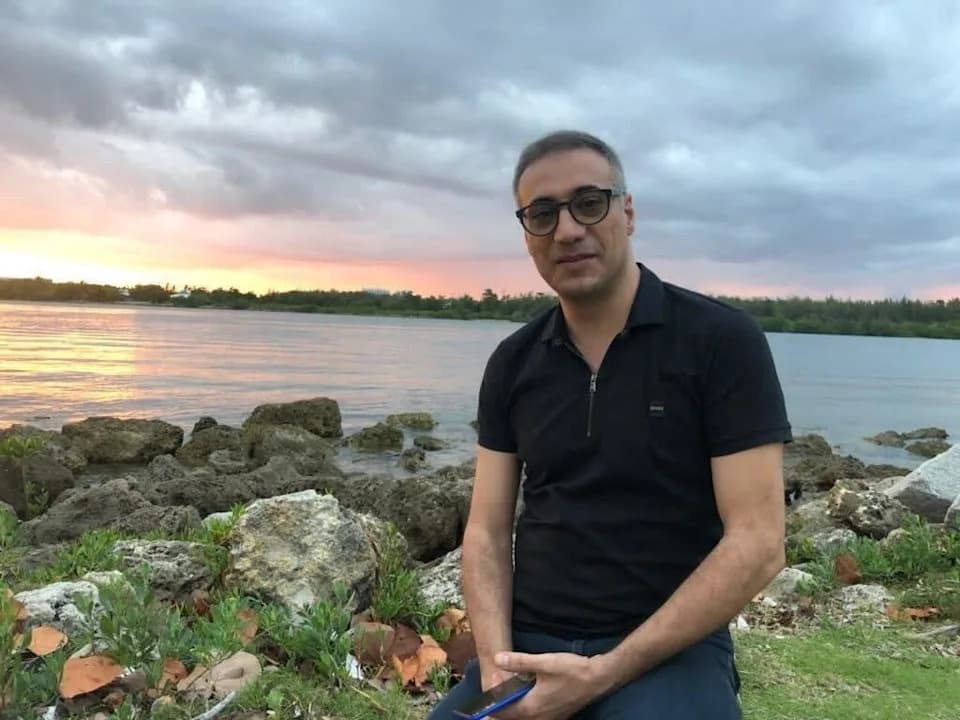
Reza Valizadeh / Credit: Courtesy of Valizadeh Family(Scott Olson / Getty Images)
When Abdolreza “Reza” Valizadeh returned to Iran in the spring of 2024 to visit and care for his elderly parents, it was his first trip home in 15 years. Six months later the 49-year-old dual U.S.-Iranian journalist — a longtime critic of Iran’s security apparatus — was being held in solitary confinement at Tehran’s Evin Prison.
Valizadeh was arrested on Sept. 22, 2024 by agents of the Islamic Revolutionary Guard Corps (IRGC). He was charged with "collaborating with a hostile government," convicted after a brief hearing in December 2024 and sentenced to 10 years in prison; his appeal was rejected in January 2025, according to a petition filed by his attorney with the United Nations Working Group on Arbitrary Detention.
U.S. Response and International Appeal
In May 2025 the U.S. State Department formally designated Valizadeh "wrongfully detained" and transferred his case to the U.S. government's hostage affairs office. His lawyer has submitted a petition to the U.N. Working Group seeking review and international pressure for his release.
Health, Conditions, And Allegations
Valizadeh suffers from asthma. His family and the U.N. filing say his condition has worsened amid overcrowded cells, poor air quality and shortages of medication and basic medical care — problems that reportedly intensified after Israeli airstrikes struck parts of Evin Prison in June 2025. Advocates say he has been denied routine medication, dental care and treatment for gastrointestinal issues.
Relatives say Valizadeh believed he had been given assurances it was safe to return to Tehran and now suspect those guarantees were a ruse that helped facilitate his arrest. Persian-language reporting indicates Iranian intelligence tried to pressure him to cooperate against his former employer, Radio Farda, where he reported on corruption, protests and the IRGC’s influence; Valizadeh refused, according to those reports.
Ryan Fayhee, counsel to Valizadeh: "In lodging this petition to the UN — alongside pulling every lever of power available to us in D.C. — we are committed to bringing attention to Reza's case, not only to secure his release, but to send an unequivocal message that the targeting of U.S. citizens abroad will not be tolerated."
Broader Context
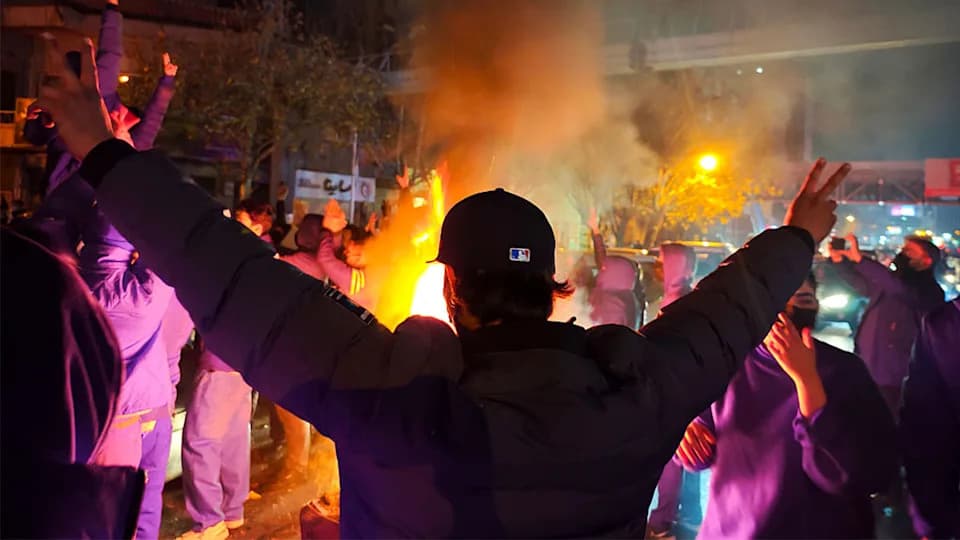
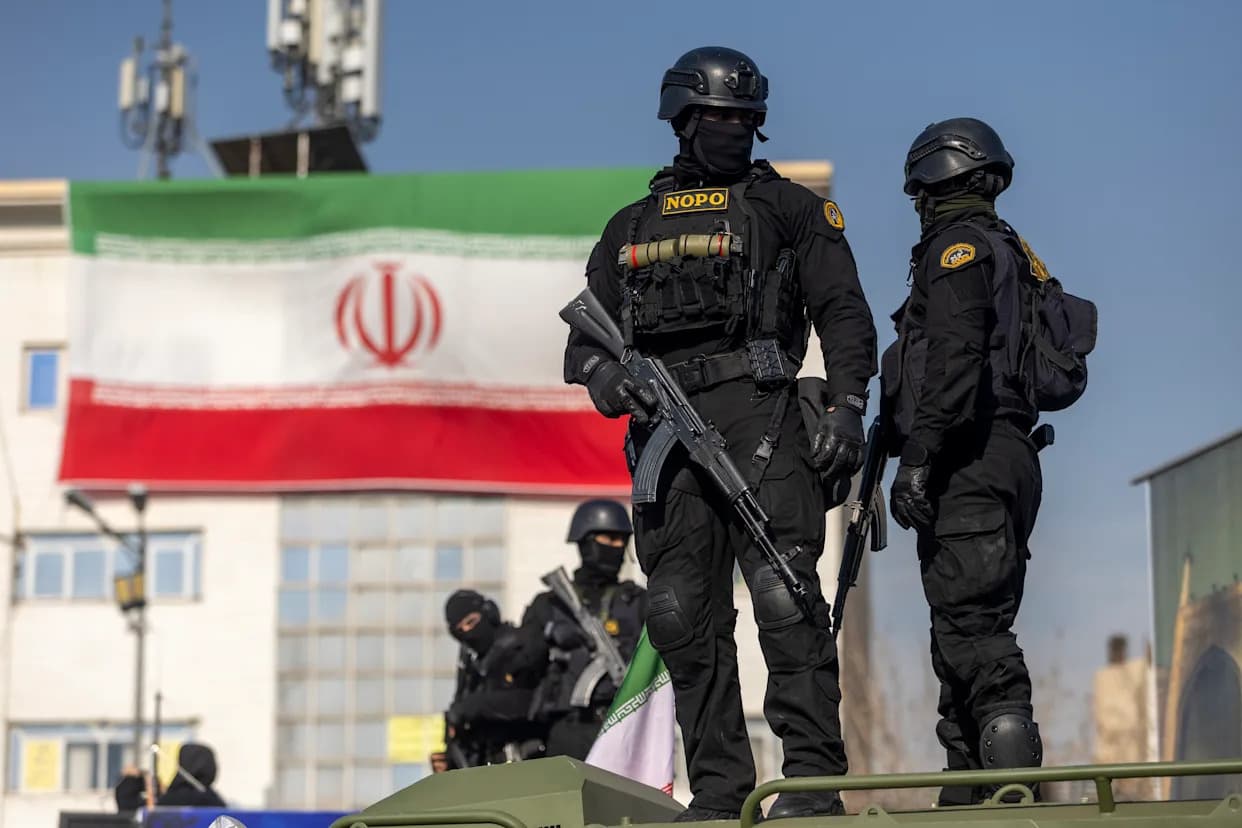
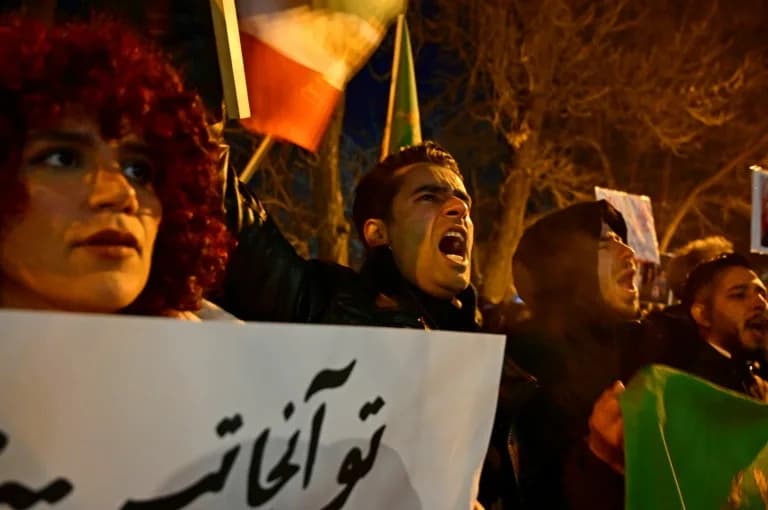
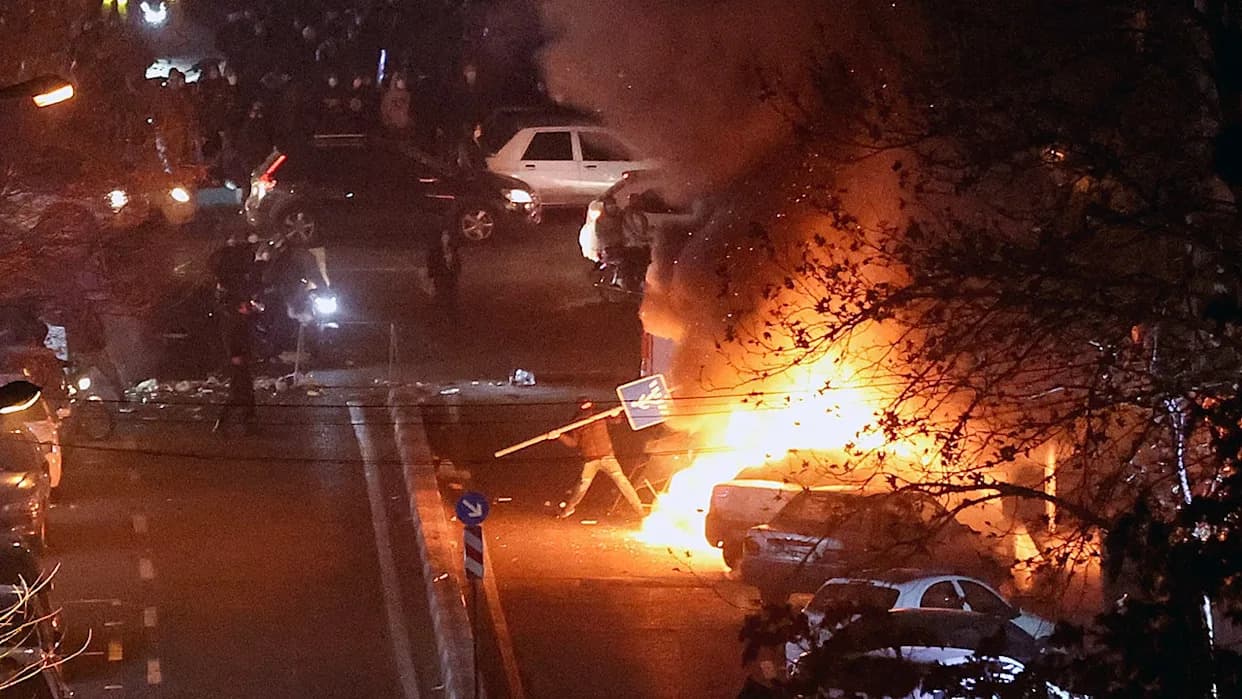
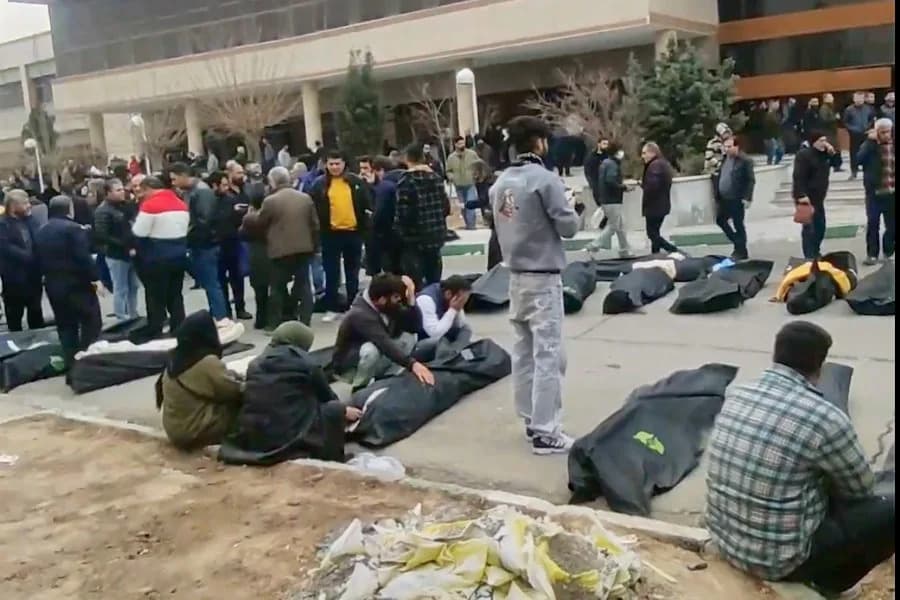
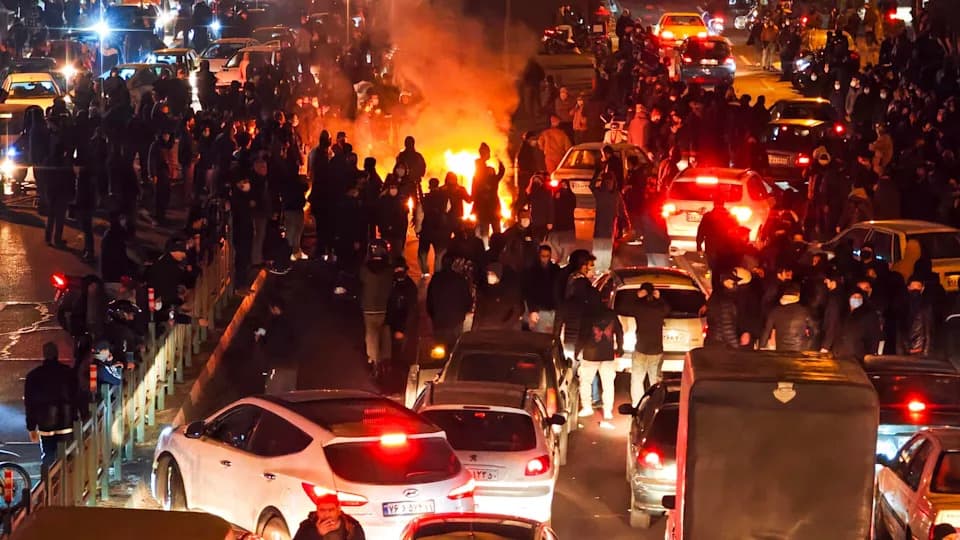
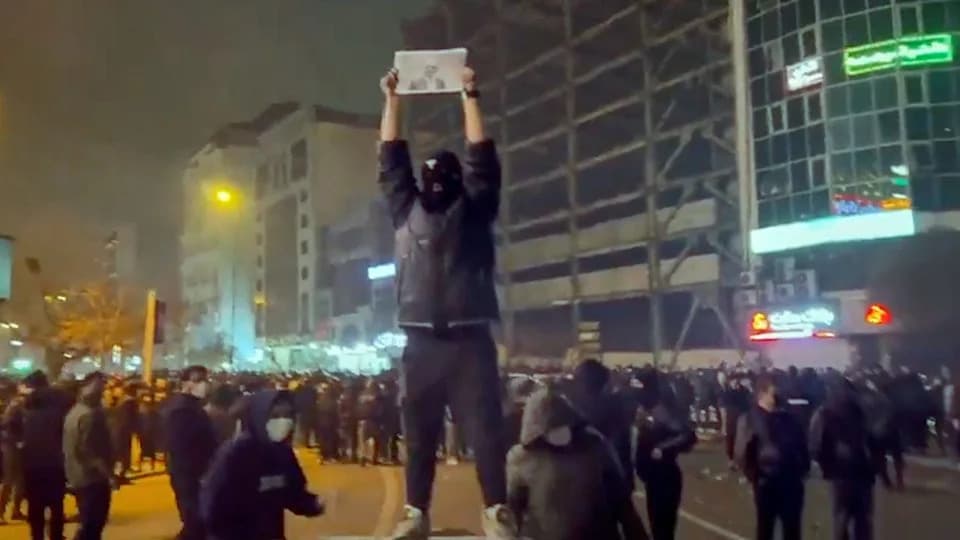
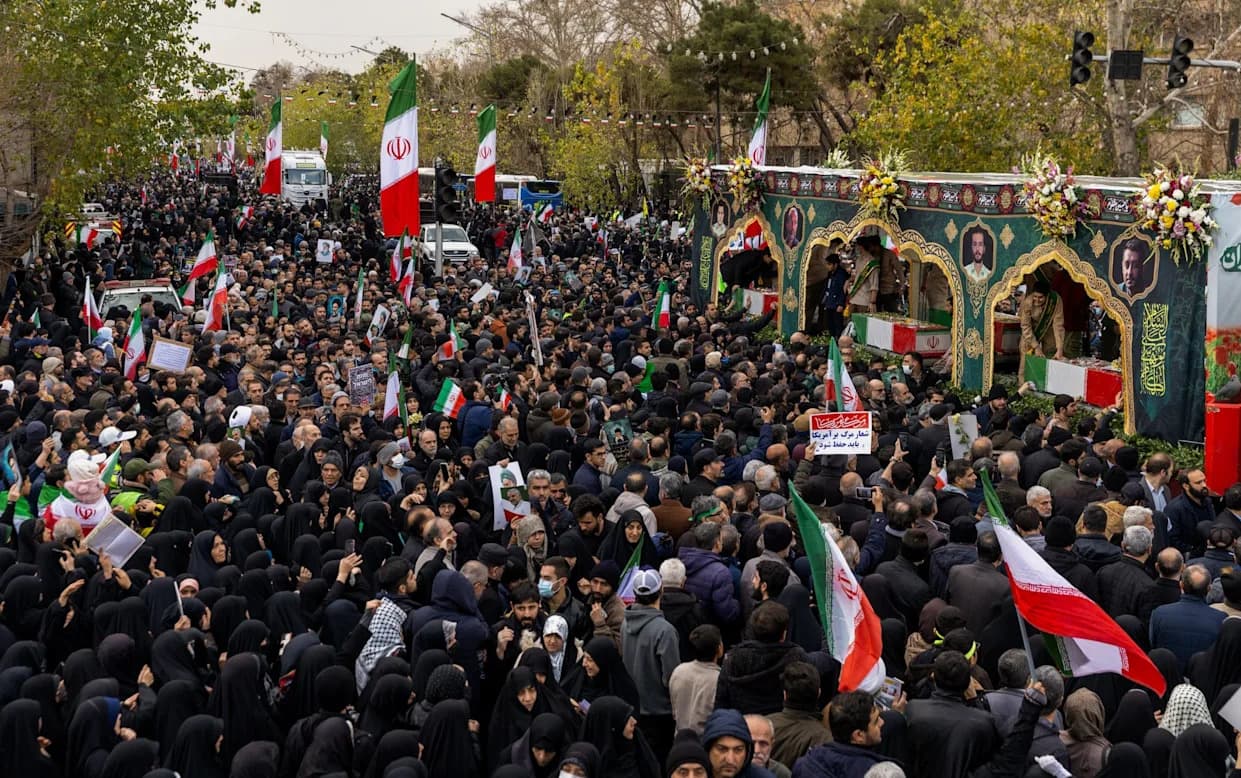
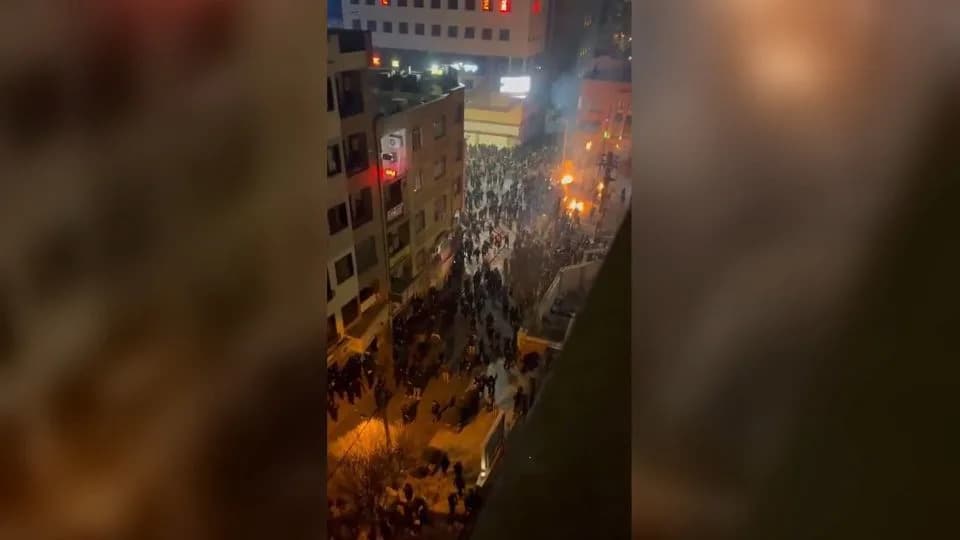
Valizadeh’s case has drawn attention amid a sweeping domestic crackdown in Iran, where rights groups say thousands of protesters have been killed and many thousands more detained. A near-total internet and communications blackout has isolated critics and families, and rising tensions with the United States have heightened concerns that detained dual nationals could be used as leverage.
Family and counsel report that since his September 2024 arrest they received three pre-recorded voice messages from Valizadeh, the last dated Dec. 20, 2024. Neither he nor his family have been reachable since the nationwide internet blackout began. The State Department and Iran’s Permanent Mission to the United Nations did not immediately respond to requests for comment.
Valizadeh is one of at least four Iranian-Americans currently believed to be held in Iran, including 70-year-old Kamran Hekmati and at least one other American in her seventies, sources told CBS News. Rights advocates and families continue to press for international attention and diplomatic action to secure releases and ensure detainees receive medical care.
Help us improve.