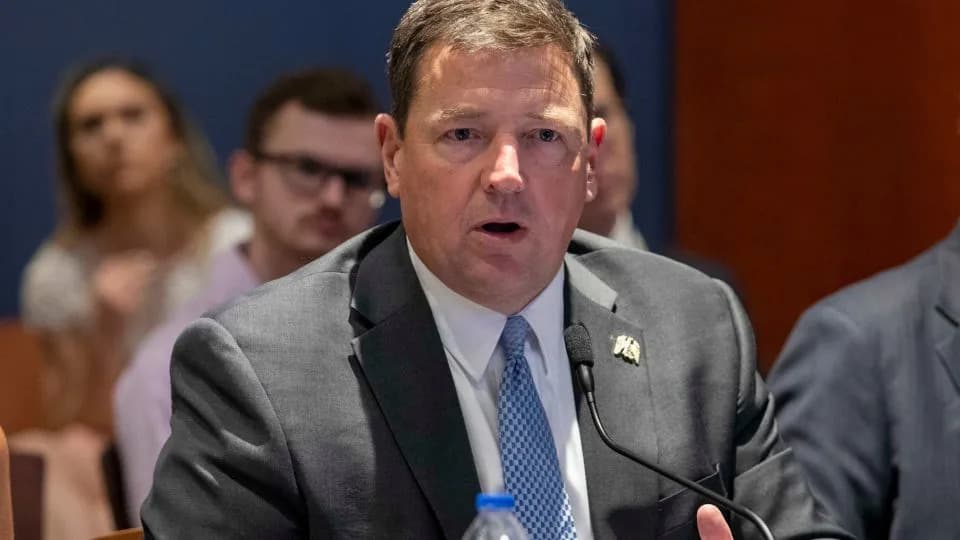
The Iran Human Rights Society reports that Javid Khales, a young soldier, was sentenced to death after allegedly refusing orders to shoot protesters during the 1404 nationwide demonstrations (late 2025–early 2026). Witnesses say he was detained for declining to fire and is being held in Isfahan prison. Rights groups warn the sentence signals a pattern of rushed trials, summary executions and repression amid internet blackouts; independent verification of some claims remains limited.
Iranian Soldier Sentenced To Death After Refusing Orders To Fire On Protesters, Rights Group Says
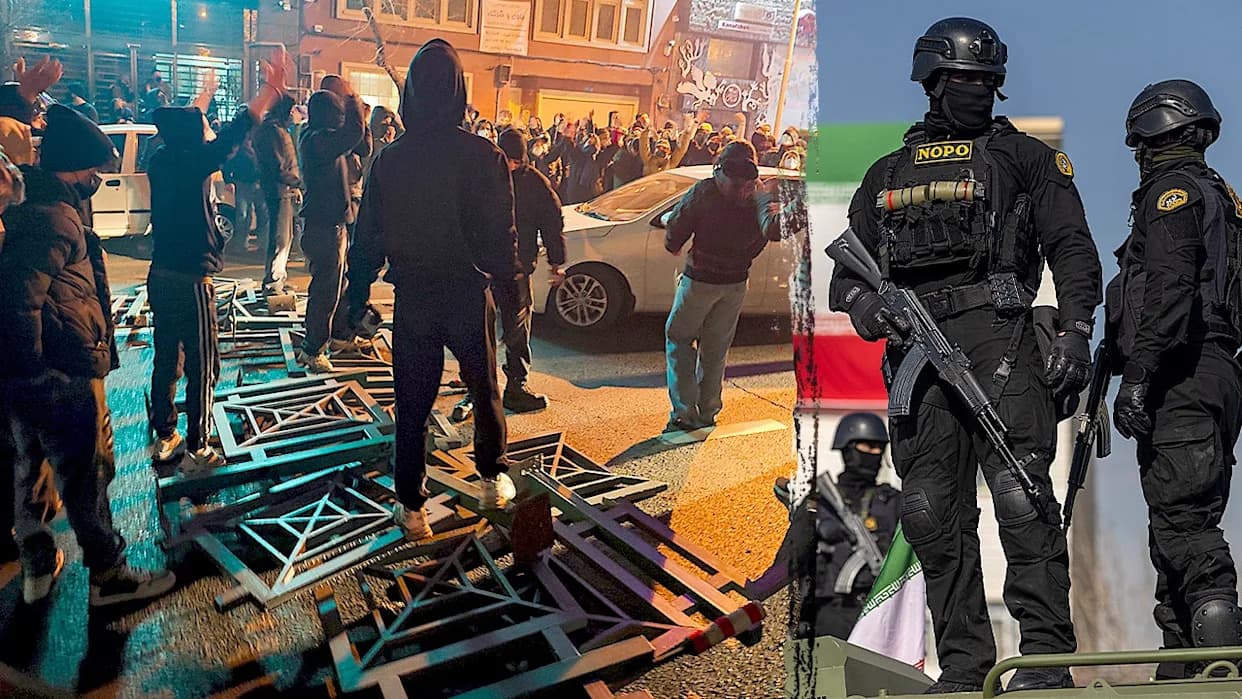
Iranian soldier sentenced to death for refusing to fire on protesters during nationwide unrest
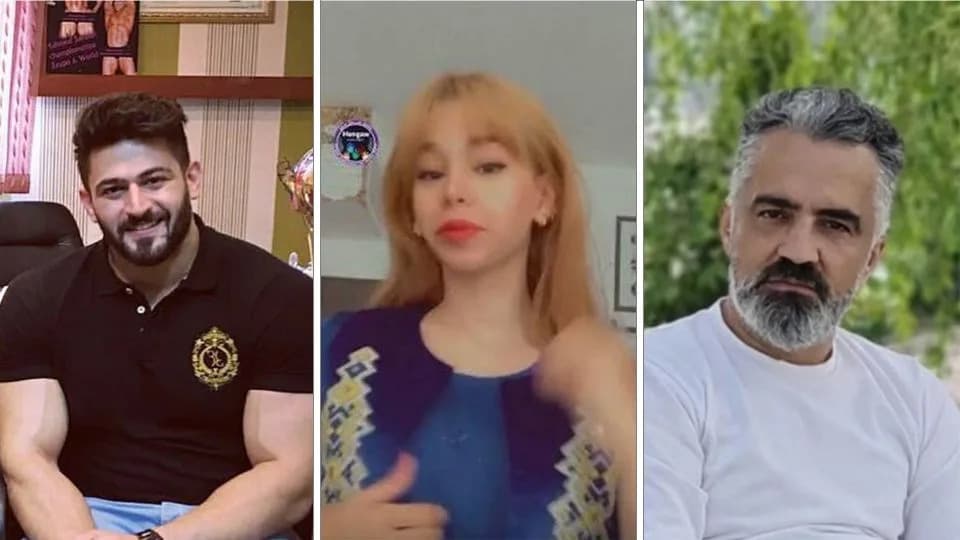
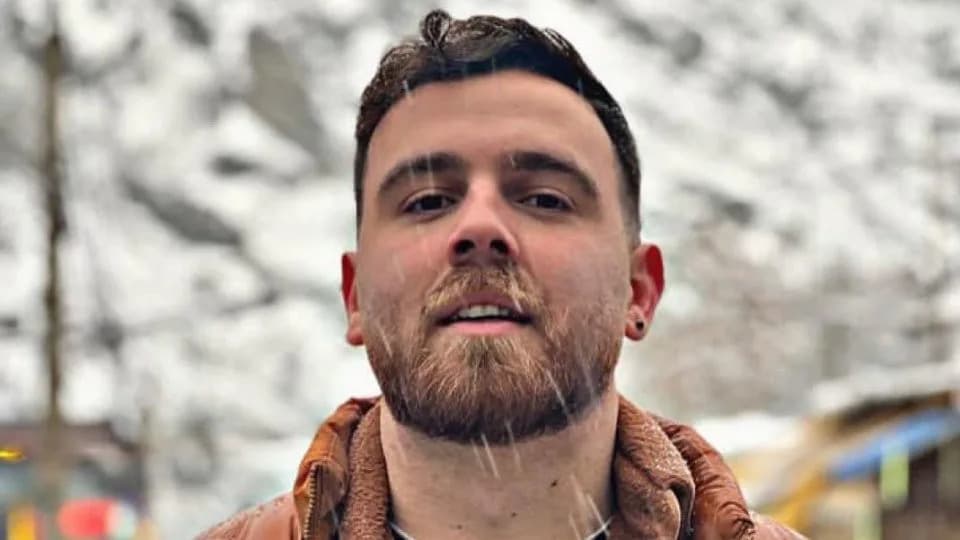
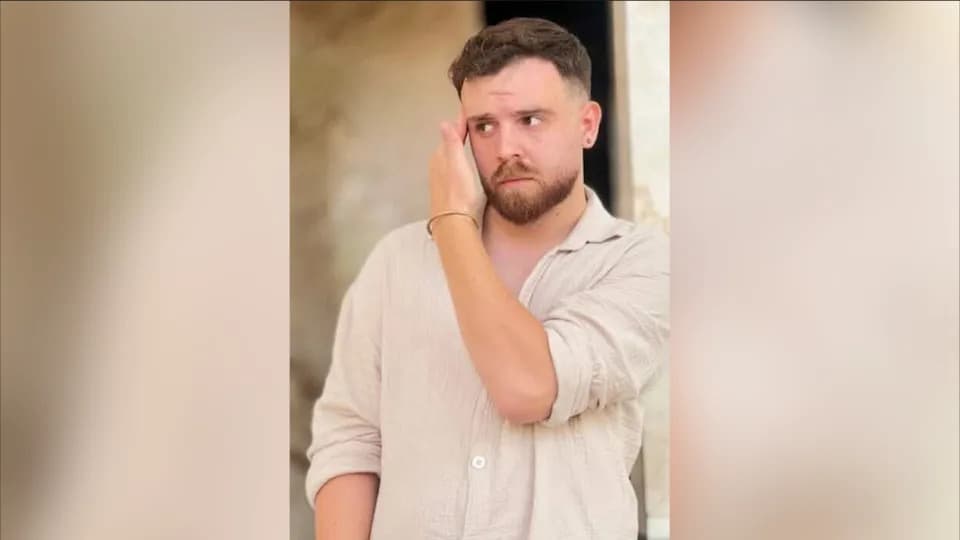
A young Iranian soldier identified by the Iran Human Rights Society (IHRS) as Javid Khales has been sentenced to death after allegedly refusing orders to open fire on demonstrators during one of the country's most intense waves of unrest, the rights group reported.
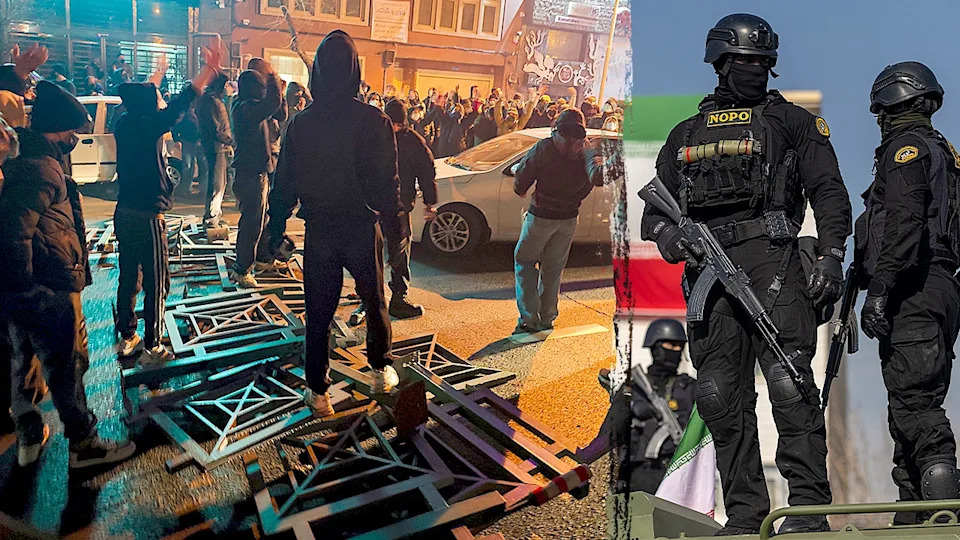
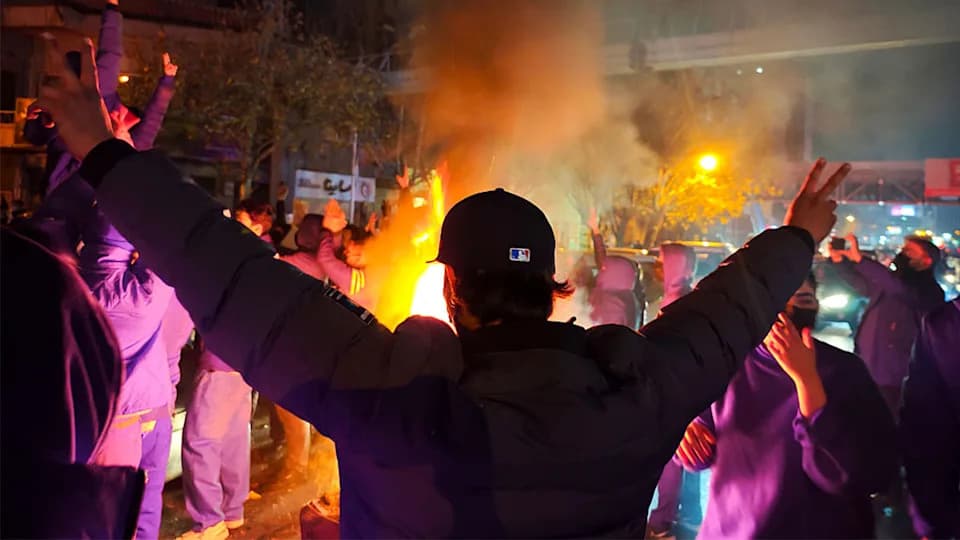
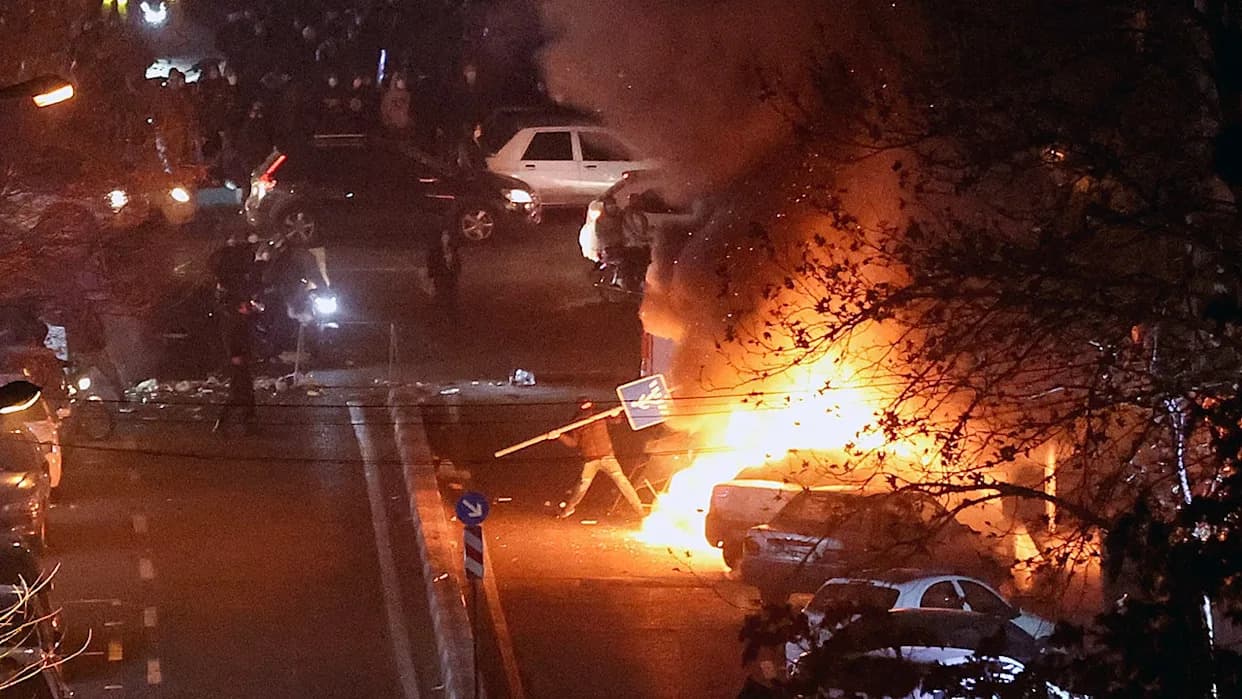
Iranian security forces escalated from pellet guns to live ammunition during protests.(Getty Images)
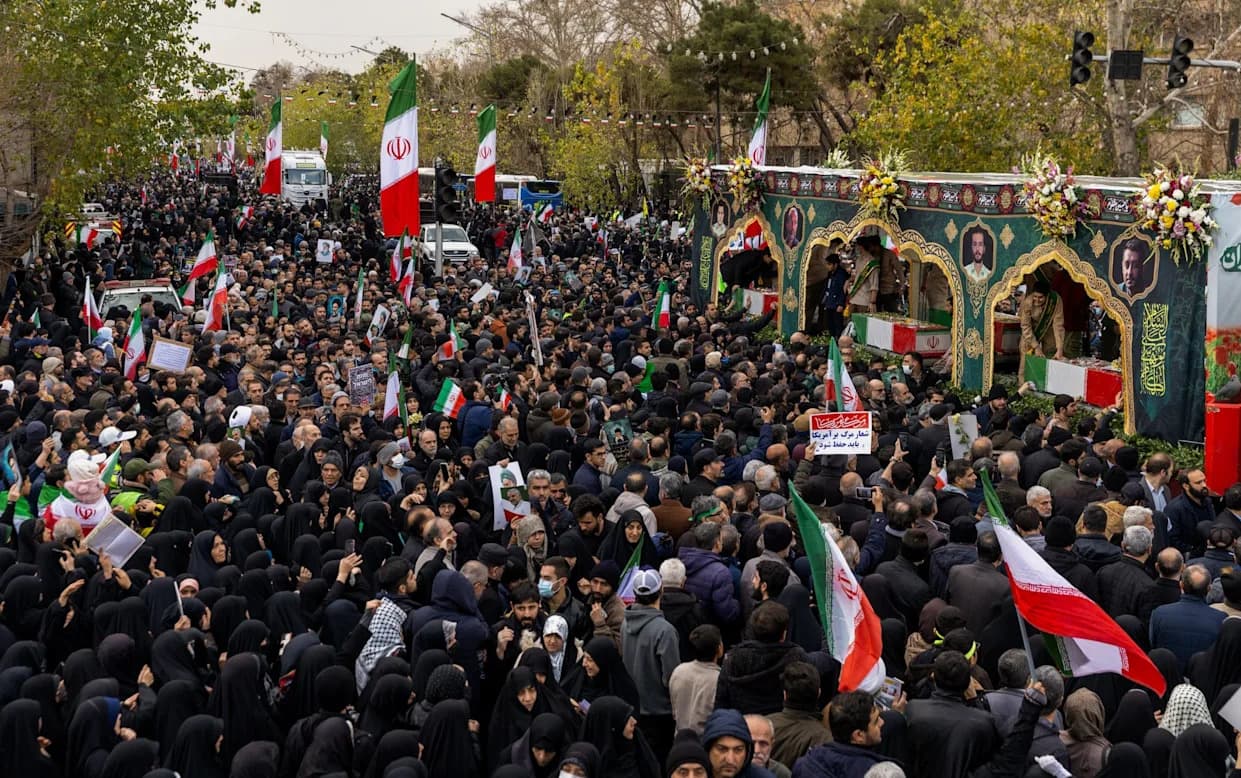
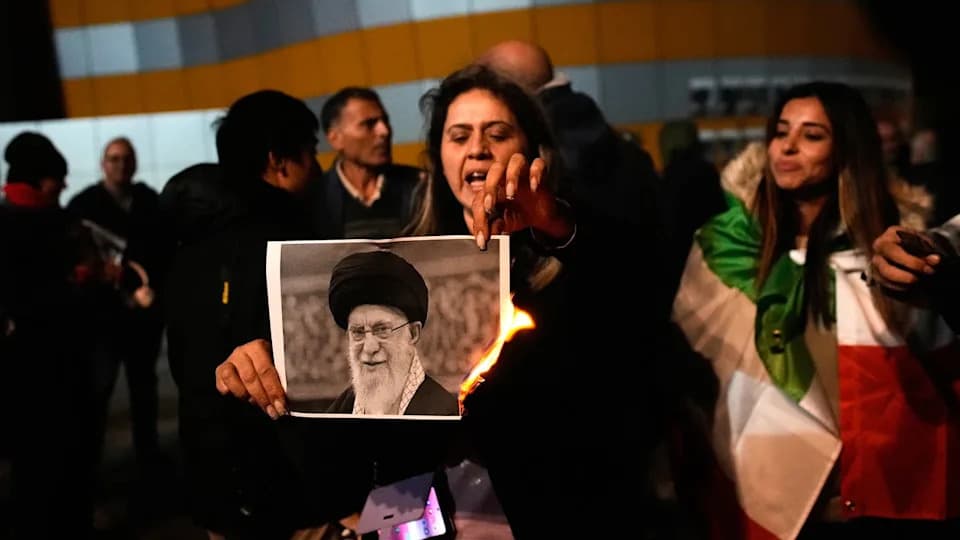
IHRS says Khales was detained during the nationwide protests of 1404 (late 2025–early 2026), a major anti-regime movement that demanded political change. According to witnesses cited by the organization, Khales declined a direct command to shoot at protesting civilians, was arrested immediately and subsequently brought before the judiciary.
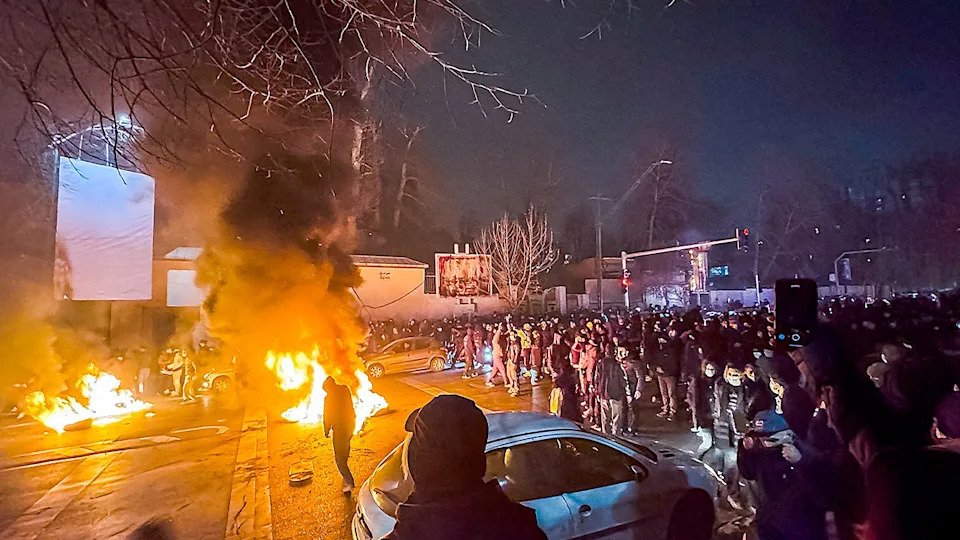
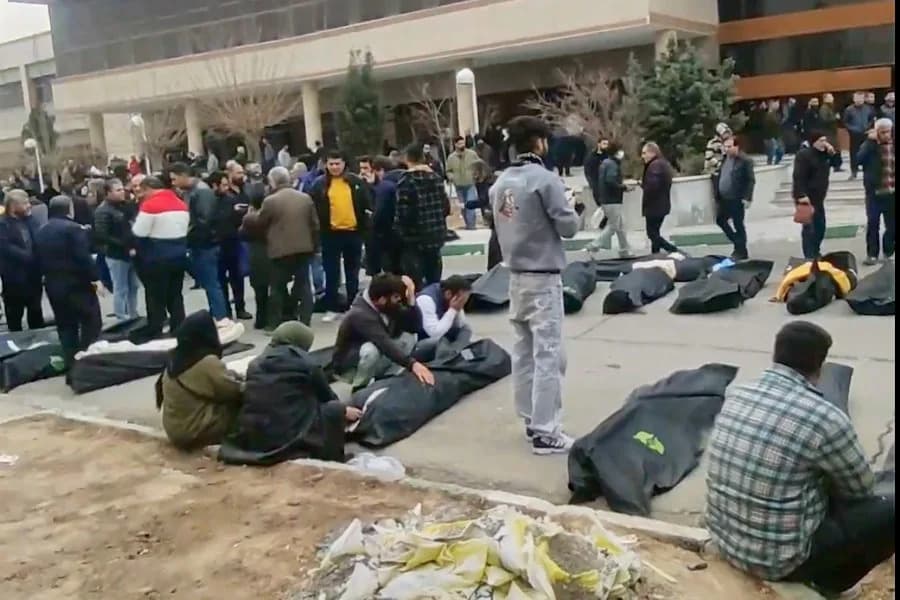
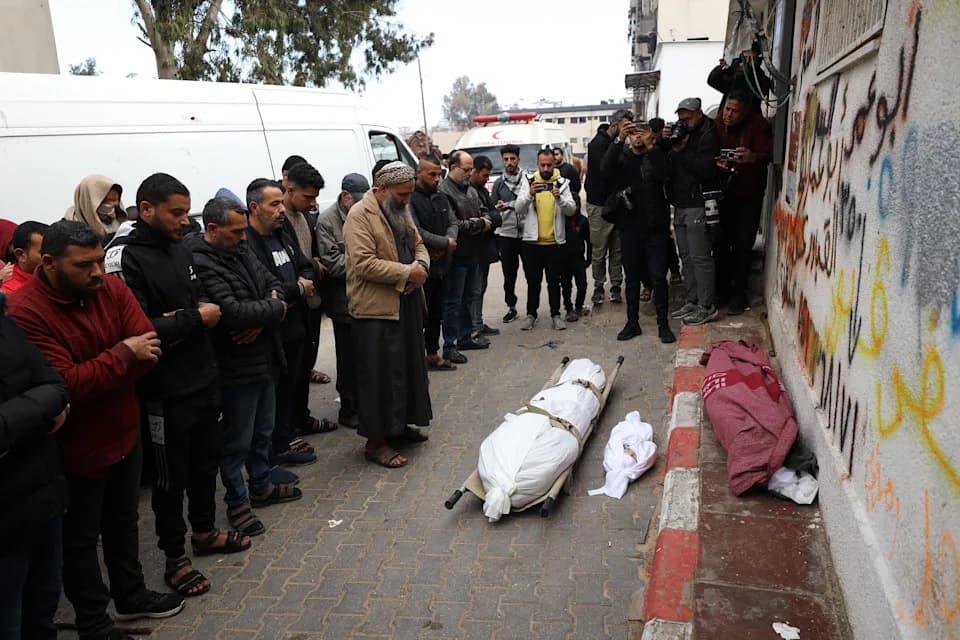
The death toll from Iranian protests rises as hundreds are allegedly killed by government forces.
Those who have seen Khales since his detention say he committed no violent act and refused to fire as an act of conscience. IHRS reports he is being held in Isfahan prison, though independent confirmation of his current status and court records is limited.
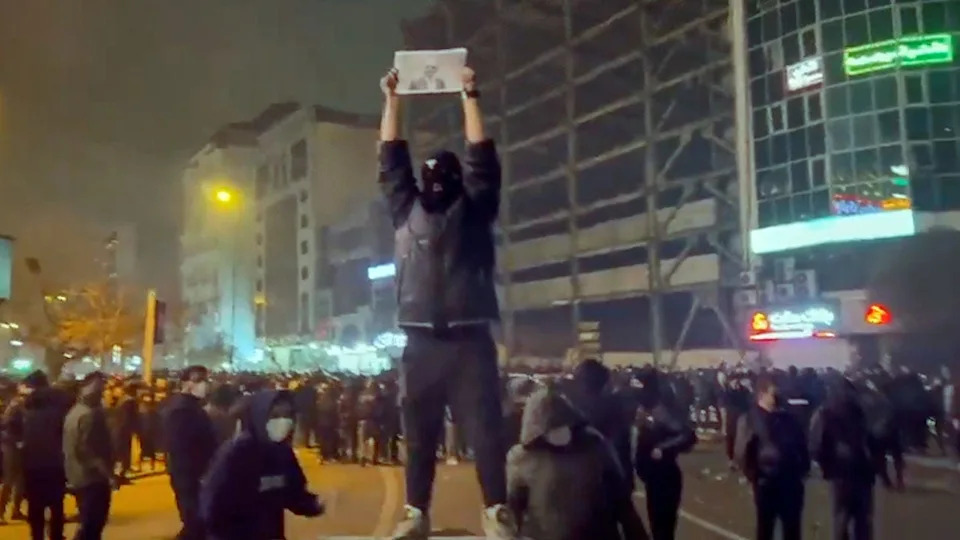
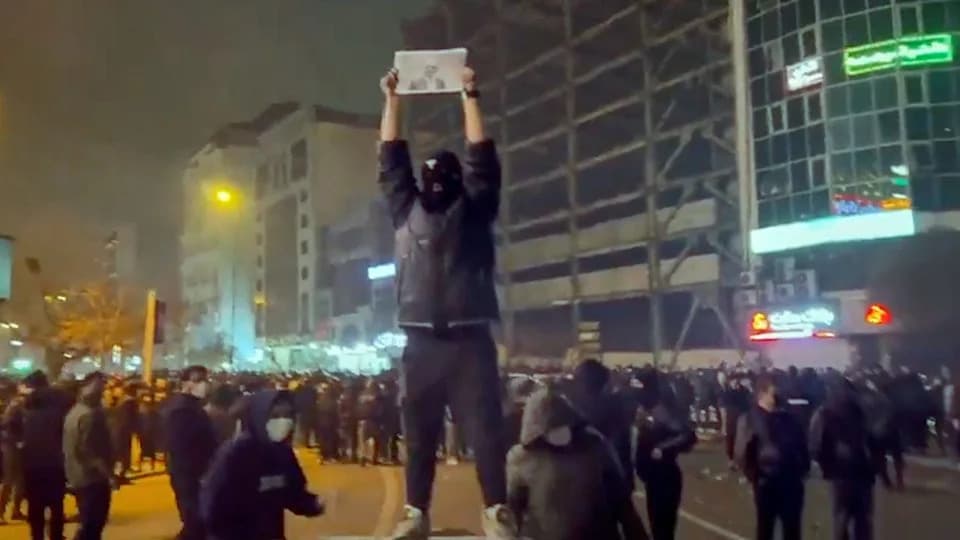
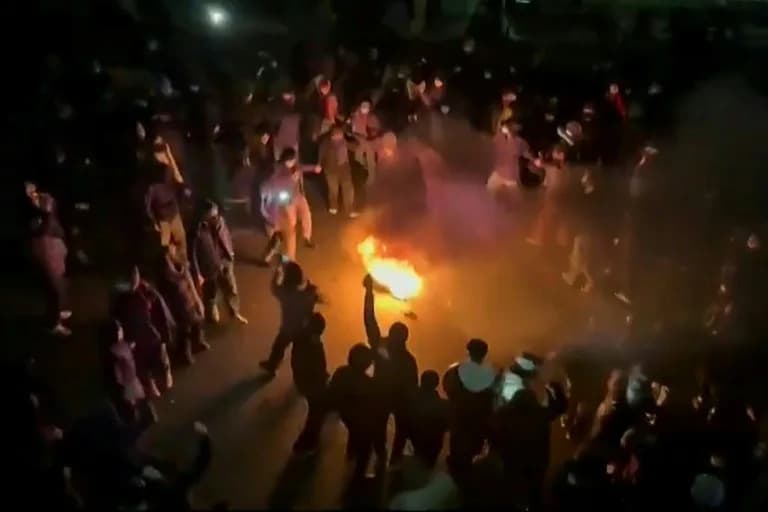
In this frame grab from video obtained by the AP outside Iran, a masked demonstrator holds a picture of Iran's Crown Prince Reza Pahlavi during a protest in Tehran, Iran, Jan. 9, 2026.
Human Rights Concerns
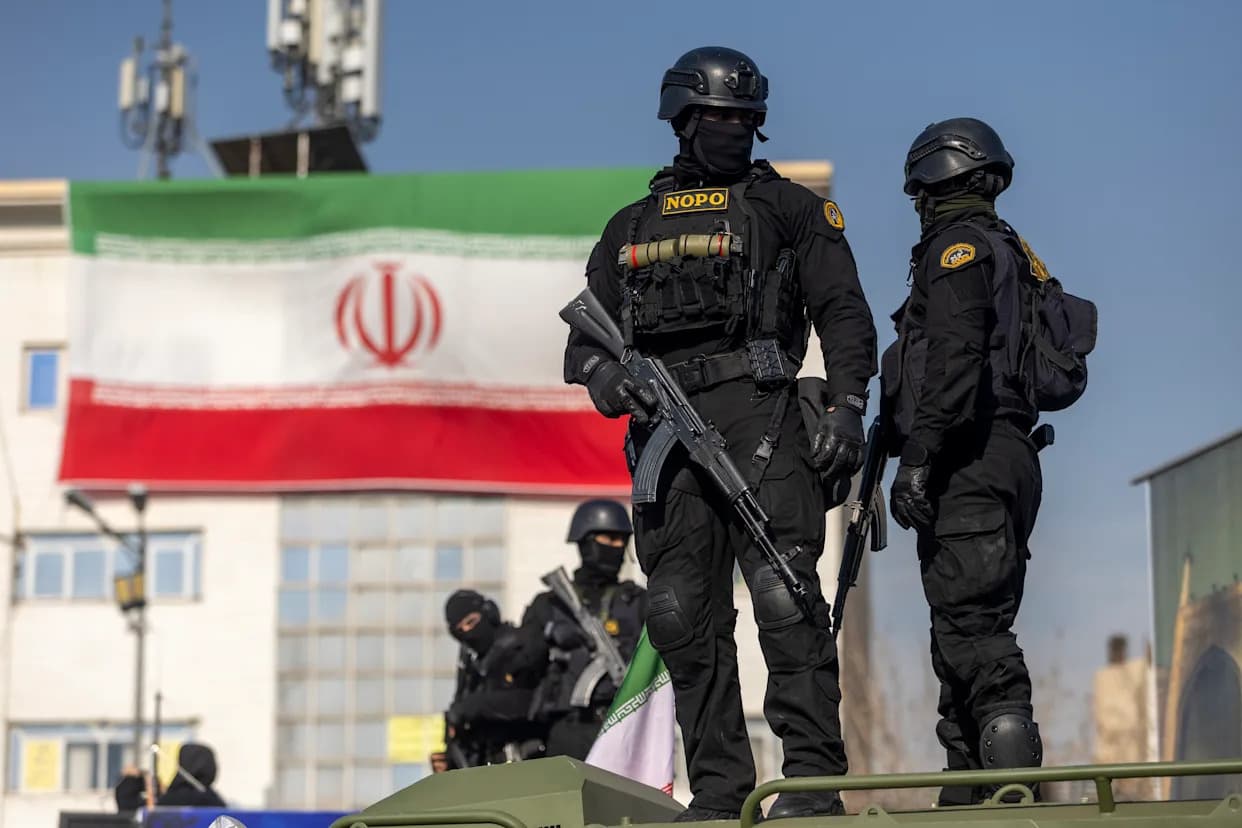
Human rights groups warn the death sentence reflects broader patterns of harsh reprisals, rushed prosecutions and limited legal protections for detainees. IHRS described the verdict as part of an effort to "instill fear, enforce absolute obedience and intensify protest repression." The organization also cited statements by some judiciary officials calling for swift trials and rapid executions for those detained during the unrest.
"Amid the continuation of protests and the intensification of deadly repression against the people, the news of Javid Khales — a young soldier who refused to shoot at protesters — being sentenced to death has heightened concerns about a new wave of judicial massacre," IHRS said.
Rights monitors report many detainees have faced restricted access to lawyers and limited opportunity for fair hearings. Independent sources have accused security forces of a wide-ranging crackdown; some reports cited in coverage put the number of deaths in the thousands, with figures as high as 16,500 reported by certain groups — a figure that remains contested and unverified by independent investigators.
Communications Blackout And International Reaction
In recent days the government reportedly restricted or shut down internet access nationwide, which activists say was intended both to hinder protest organization and to limit independent documentation of events on the ground. The case has drawn international attention: prominent figures, including U.S. Senator Lindsey Graham, publicly condemned the executions and called for accountability.
Precise details about Khales' trial, his current condition and the full judicial record were not available at the time of the IHRS report. Human rights groups are calling for independent, transparent investigations and for detained individuals to be granted full legal protections.
Help us improve.