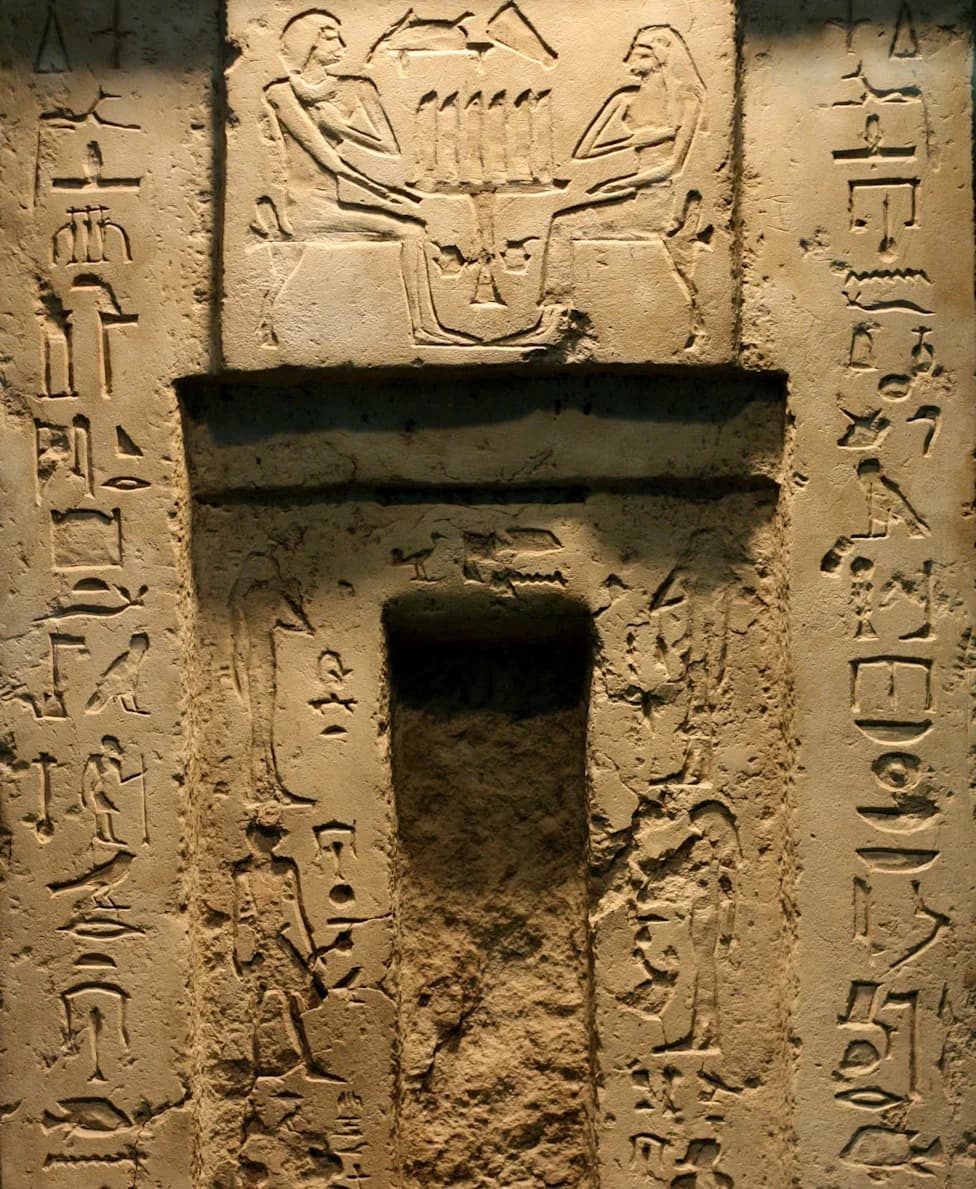
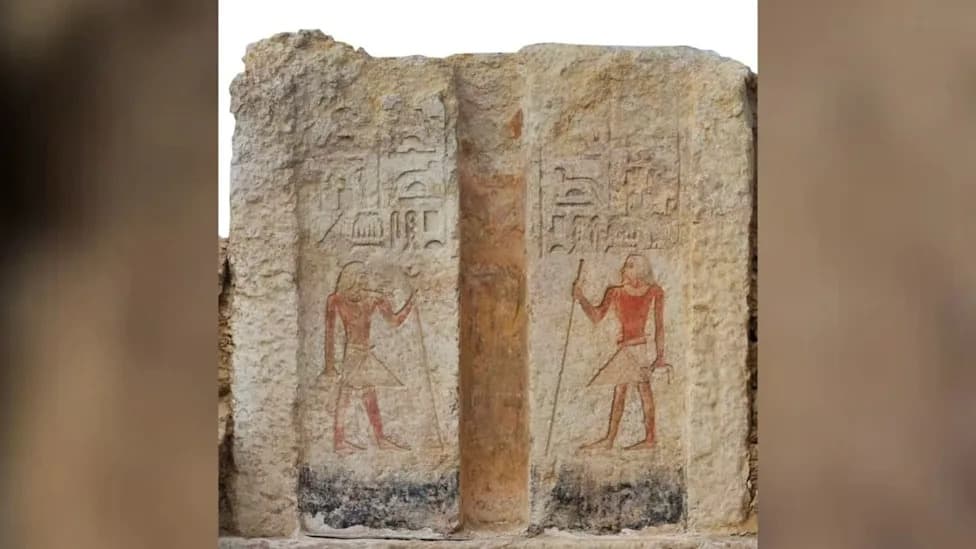
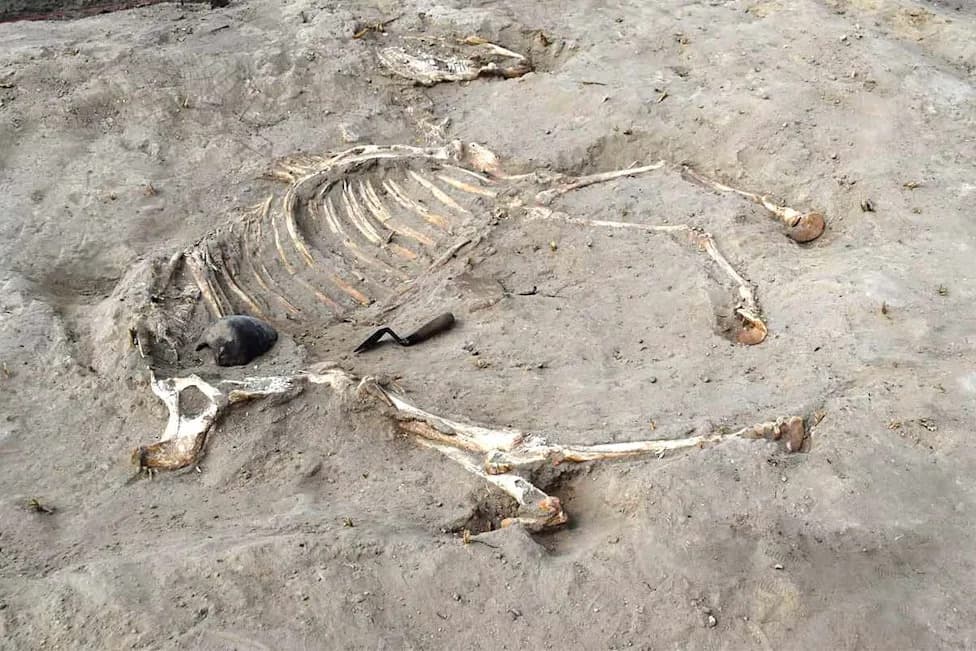
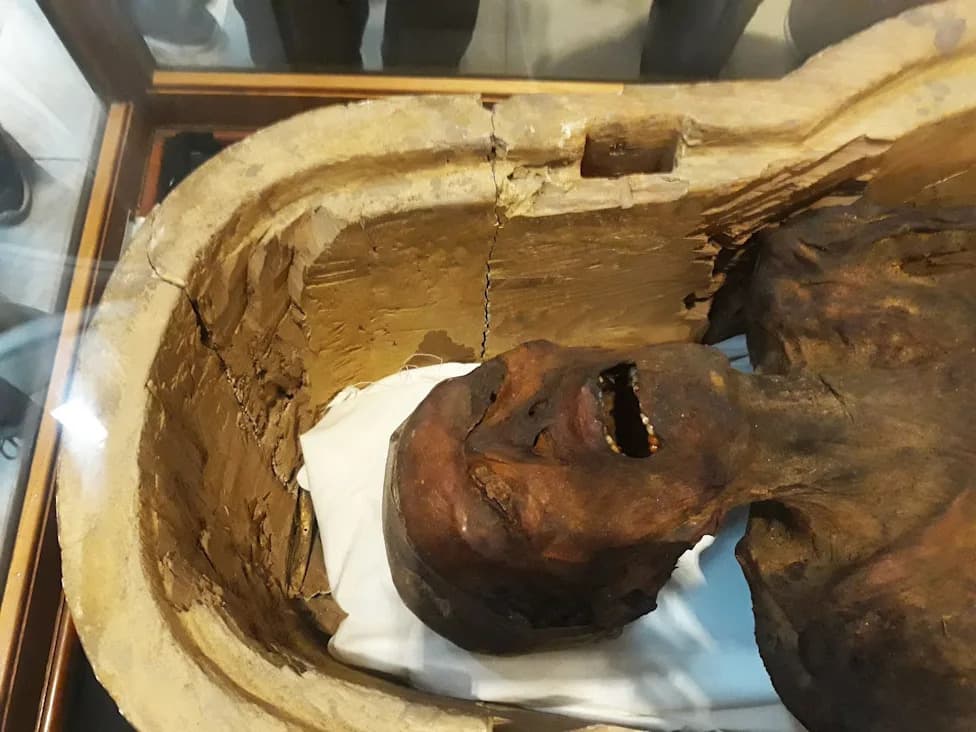
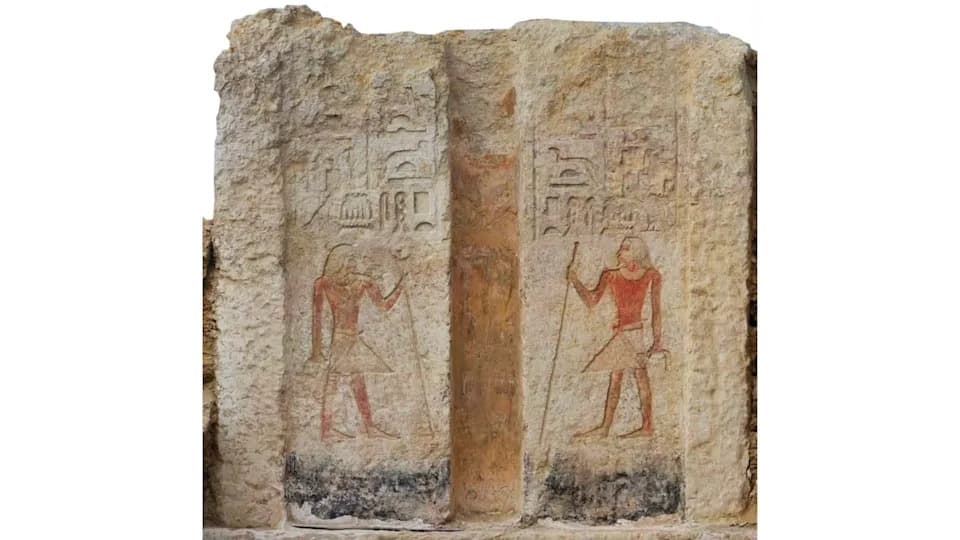
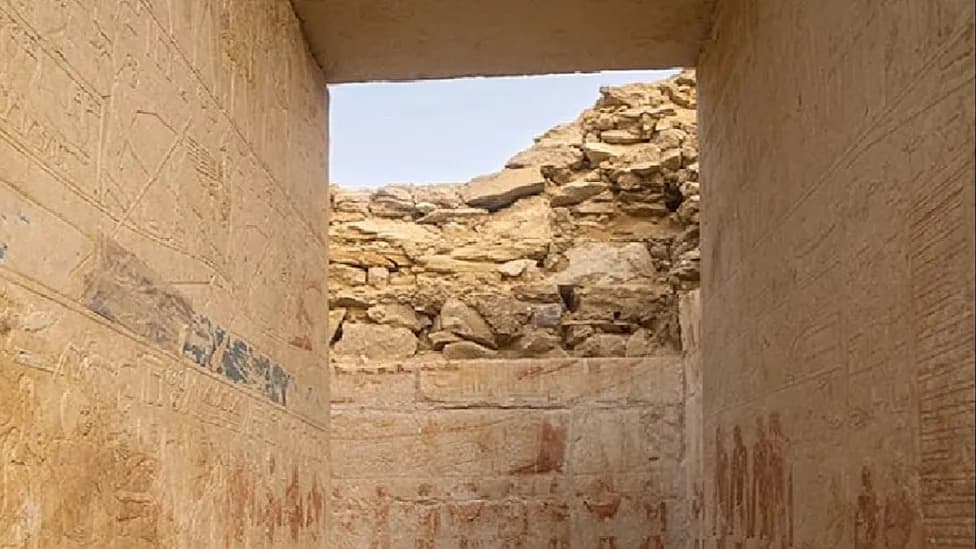
Archaeologists in Al-Ghuraifa, central Egypt, have uncovered a New Kingdom cemetery (c. 1550–1070 BC) containing mummies, carved tombs, canopic jars and more than 25,000 ushabti figurines. The team also recovered an unusually long papyrus—reported at 43–49 feet—identified as part of the "Book of the Dead," described as being in good condition. Specialists welcome the find but caution that independent verification awaits conservation, photographs and formal publication. The scroll is expected to be conserved and displayed at the Grand Egyptian Museum.
3,500‑Year‑Old Egyptian Cemetery Yields 43–49‑Foot 'Book of the Dead' Scroll and 25,000+ Ushabti

Archaeologists working in Al-Ghuraifa, central Egypt, have uncovered a substantial New Kingdom burial complex (circa 1550–1070 BC) containing mummies, carved rock tombs, hundreds of grave goods and an exceptionally long papyrus scroll identified as part of the ancient "Book of the Dead." Officials report the scroll measures between 43 and 49 feet and is "in good condition," though the excavation team has released few detailed images or a full transcription of the text.
The papyrus scroll
The newly found scroll appears to be the first complete papyrus of its type discovered in Al-Ghuraifa. Preliminary statements from the Ministry of Tourism and Antiquities describe it as unusually long and well preserved for material of this age. Specialists say intact, in-situ examples of Book of the Dead manuscripts from the early New Kingdom are rare, making this an especially important find—provided researchers can confirm its contents once the papyrus is studied and published.
"If it’s that long and well-preserved, it’s certainly a great and interesting find," said Lara Weiss, CEO of the Roemer and Pelizaeus Museum in Germany. Foy Scalf, an Egyptologist at the University of Chicago, noted that discovery of a Book of the Dead within its original burial context is uncommon but added that independent verification requires photographs and formal publication.
Other remarkable discoveries
Excavators documented a large number of funerary objects accompanying burials: wooden and stone coffins containing mummies, canopic jars (used to hold internal organs), thousands of amulets, and more than 25,000 ushabti figurines intended to serve the deceased in the afterlife. Among the highlights were richly decorated wooden coffins, including that of Ta-de-Isa, daughter of Eret Haru, a high priest of the god Djehuti. Her burial assemblage reportedly included canopic vessels, a full set of ushabti and a statuette of Ptah-Sokar.
What the Book of the Dead tells us
More properly known as the "Chapters" or the "Book of Going Forth by Day," the Book of the Dead is a compilation of funerary spells and vignettes intended to guide the deceased through the afterlife. Variations exist between copies—scribes selected and arranged spells differently—so each newly found version can shed light on religious practice, regional traditions and individual choices made for a burial.
Next steps and significance
The Ministry says researchers expect the scroll to be conserved and eventually displayed at the Grand Egyptian Museum. For scholars, the most valuable outcomes will come from careful conservation, high-resolution photography, translation and peer-reviewed publication so the text can be examined and compared to other Book of the Dead manuscripts. Until that work is complete, experts urge cautious excitement: the length and preservation are promising, but independent study is needed to confirm the scroll’s contents, date and place within the tradition.
Why it matters: An extensive, well-preserved Book of the Dead from the early New Kingdom—found in its original burial context alongside a wealth of grave goods—offers a rare opportunity to deepen our understanding of ancient Egyptian funerary beliefs and mortuary practice.
Help us improve.