UCLA researchers engineered off‑the‑shelf CAR‑modified invariant NKT cells from donated stem cells that penetrated solid pancreatic tumors in mice, slowed tumor growth and extended survival. The cells identify cancer cells by multiple cues, resist exhaustion, and may be mass‑produced—one donor could supply thousands of doses at an estimated cost of about $5,000 per dose. While promising, these results are preclinical; human safety, long‑term effects and manufacturing hurdles must be resolved before clinical use.
UCLA Engineers Off‑the‑Shelf CAR‑NKT Cells That Hunt and Destroy Pancreatic Tumors in Mice

Researchers at UCLA have developed an "off‑the‑shelf" cell immunotherapy that located and eliminated pancreatic cancer cells in mouse models, including tumors that had metastasized to other organs.
The team converted donated human stem cells into invariant natural killer T (NKT) cells and then engineered those cells with a chimeric antigen receptor (CAR). The CAR gives the NKT cells the ability to recognize pancreatic cancer cells and launch multiple killing mechanisms.
"Even when the cancer tries to evade one attack pathway by changing its molecular signature, our therapy is hitting it from multiple other angles at the same time. The tumor simply can’t adapt fast enough," said Yanruide Li, a postdoctoral scholar and lead author on the study.
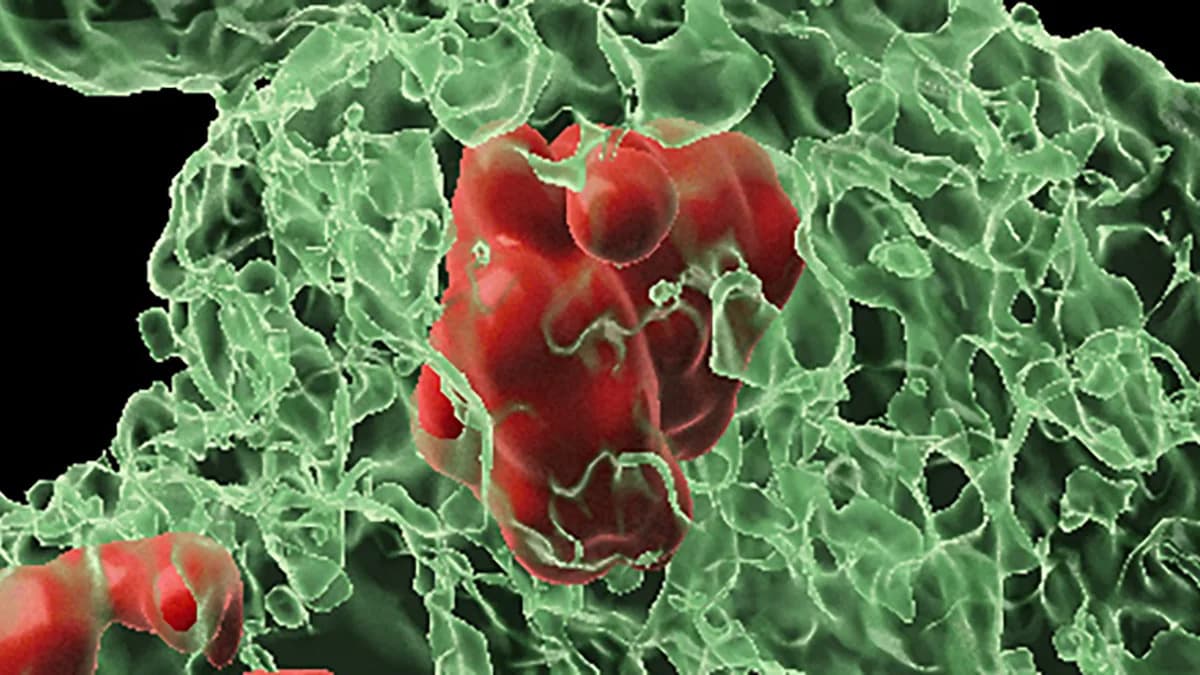
In several laboratory mouse models—including tumors implanted directly in the pancreas and models that mimic spread to the liver and lungs—the CAR‑NKT cells penetrated into tumor cores rather than remaining trapped at the tumor surface. Once inside, they identified cancer cells through multiple cues, employed several built‑in killing strategies, and resisted the rapid dysfunction (or "exhaustion") that often limits immune cells in solid tumors.
The engineered cells slowed tumor growth and extended survival in treated mice. The study appears in Proceedings of the National Academy of Sciences (PNAS).
Because invariant NKT cells are broadly compatible with different immune systems, the researchers say these engineered cells could be administered without provoking the dangerous immune reactions associated with some cell therapies. The cells can be generated in large batches from donated blood stem cells; the team estimates that one donor could provide material for thousands of doses and that a single dose could cost roughly $5,000—much lower than many personalized CAR‑T products.
The CAR‑NKT product targets a protein found not only in pancreatic cancer but also in some breast, ovarian and lung cancers. Separate preclinical work by the team has shown activity against triple‑negative breast cancer and ovarian cancer, suggesting potential applicability across multiple tumor types.
Senior author Lili Yang, professor of microbiology, immunology and molecular genetics at UCLA, said the approach could represent an important shift if the preclinical results translate to people, but she and colleagues emphasized caution: all experiments so far were in mice, and human solid tumors are more complex. Tumors can evolve and lose the molecular targets that therapies rely on, which raises the risk of treatment escape.
Long‑term safety, side effects and efficacy in humans remain unknown until clinical trials are completed. The researchers are preparing submissions to the U.S. Food and Drug Administration to begin human testing, but they also noted logistical and regulatory challenges in manufacturing large, consistent batches of safe, identical cells for widespread clinical use.
Help us improve.