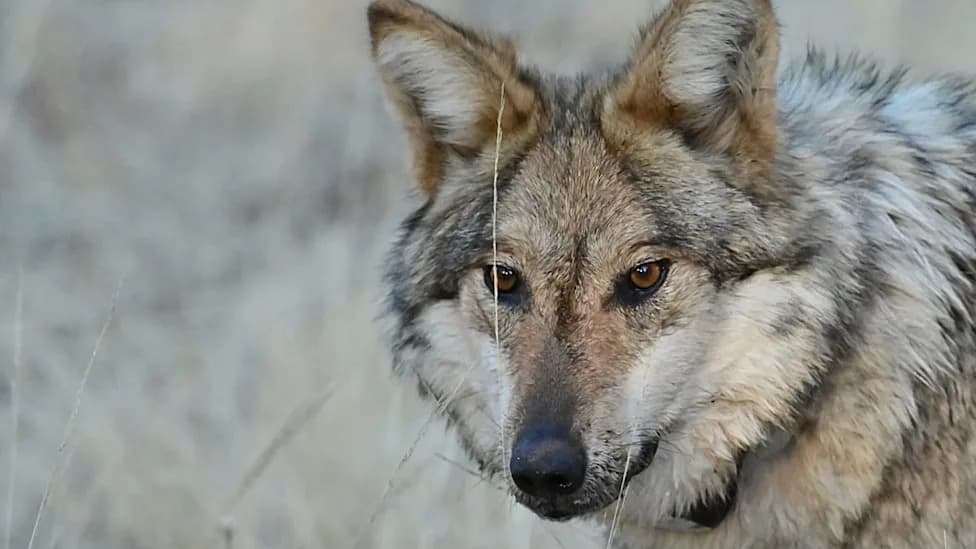
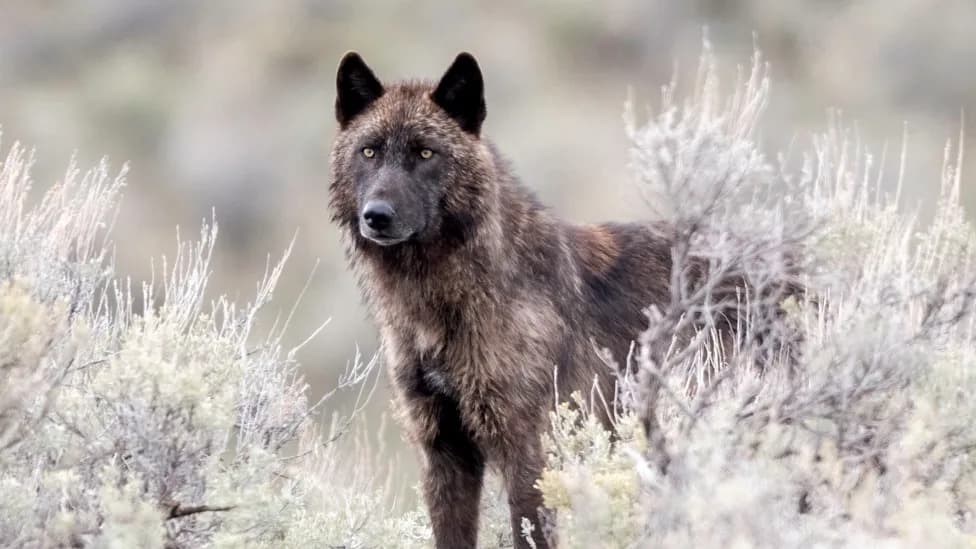
Forest teams in Bahraich district, Uttar Pradesh, have deployed drones, camera traps and armed patrols after a series of suspected wolf attacks in recent weeks left nine people dead, most of them children. The latest victims include a 10-month-old girl and a five-year-old boy taken close to their homes. Officials say the wolves have been unusually bold and active during daytime; experts point to habitat loss and expanding settlements as drivers of increased human-wildlife encounters.
Wolves Kill Nine in Uttar Pradesh’s Bahraich District — Children Among Victims; Rangers Deploy Drones

Forest rangers in Bahraich district, Uttar Pradesh, have begun using drones, camera traps and armed patrols after a series of suspected wolf attacks in recent weeks left nine people dead, most of them children.
What happened
The most recent victim was a 10-month-old girl who was taken while sleeping beside her mother. Her body was later found in a nearby field. A day earlier, a five-year-old boy was seized from outside his home in full view of his mother; he was found mauled in a sugarcane field and died en route to hospital. Officials say the pattern of these incidents matches similar attacks reported across a cluster of villages since September.
Police and forest officials say the victims also include an elderly couple, bringing the toll from suspected wolf attacks in the district to at least nine over roughly three months.
Authorities' response
Forest Officer Ram Singh Yadav said teams have deployed drones, camera traps and shooters to try to protect residents and track the animals. "The behavior of wolves seems to have changed. Of late, they are seen active in daytime, which is strange," he said. Other officials described the animals as unusually bold.
Local conditions and context
Bahraich lies on grassland plains roughly 30 miles south of the Nepal border, where dense forests begin at the Himalayan foothills. Many experts say wolves generally attack humans or livestock only as a last resort, when natural prey is scarce. The region’s expanding villages and towns, loss of habitat and shrinking hunting grounds are widely cited as factors that increase encounters between people and wildlife.
Most of India’s estimated 3,000 wolves live outside protected areas and frequently live in close proximity to people. These animals, often called plains wolves and listed as vulnerable, are smaller than Himalayan wolves and can sometimes be confused with other canids such as jackals.
Impact on the community
"Our children are not safe even inside the house," one resident said. "We just want the attacks to stop."
Authorities warned residents during a similar wave of attacks last year to avoid sleeping outdoors or moving alone at night. However, many homes in the affected area lack doors or indoor toilets, forcing people to go outdoors at night and increasing their vulnerability.
Broader perspective
While attacks by big cats and elephants are more commonly reported in India, wolf attacks remain relatively rare. Experts emphasize that addressing habitat loss and improving local safety measures are key to reducing human-wildlife conflict.
Help us improve.