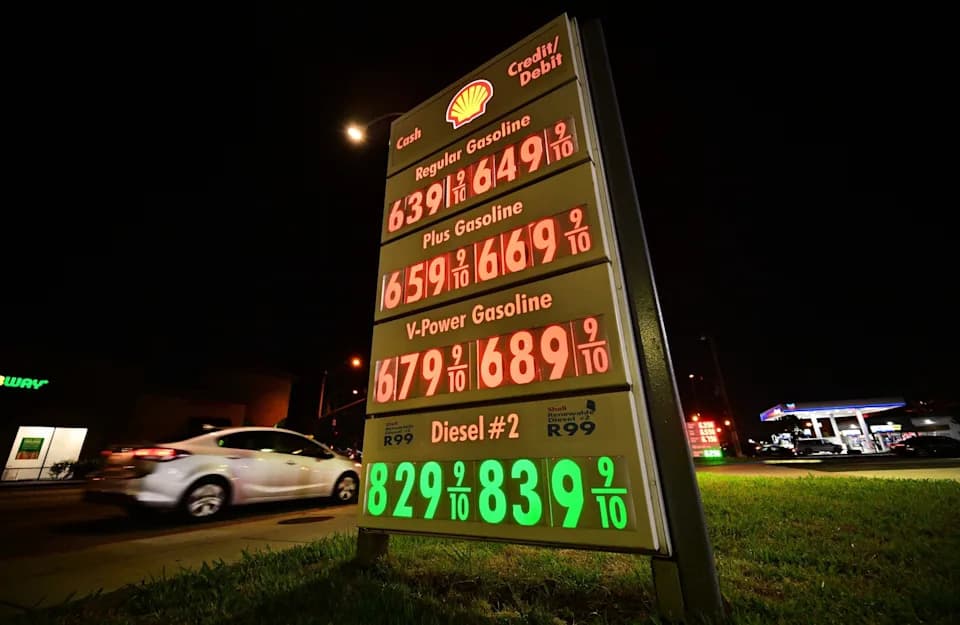
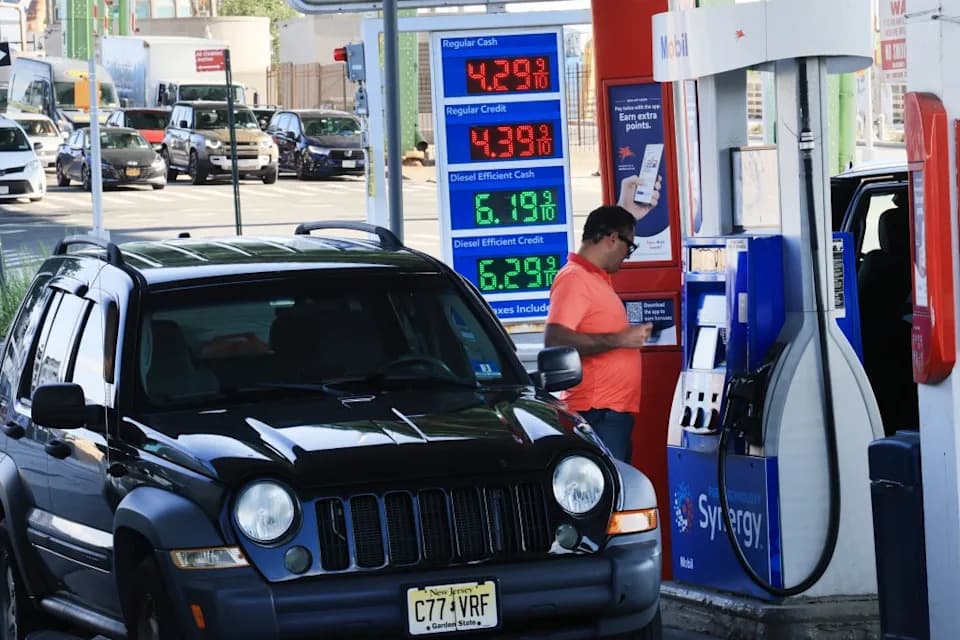
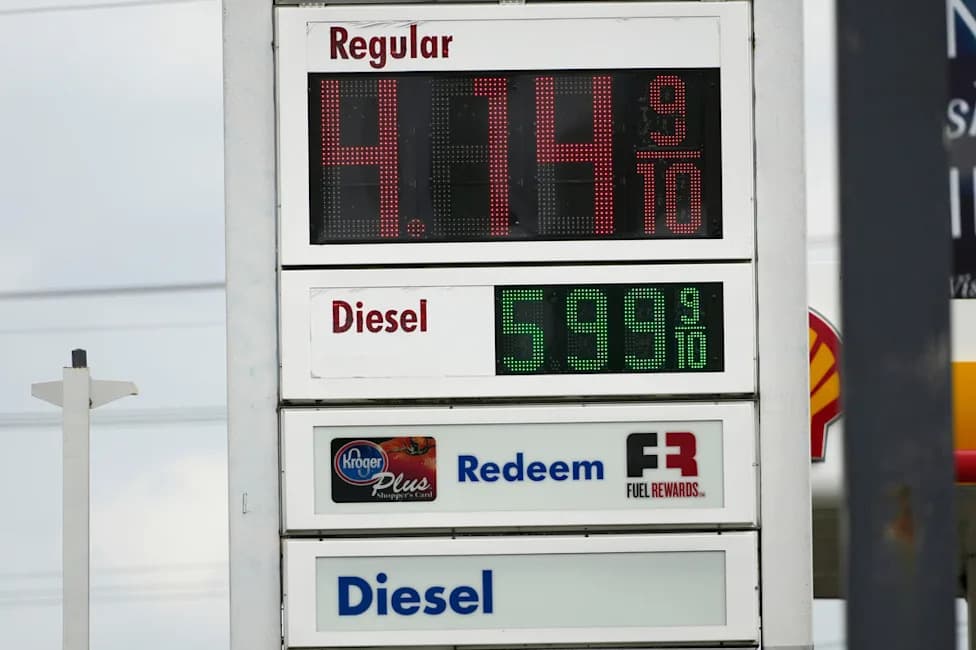
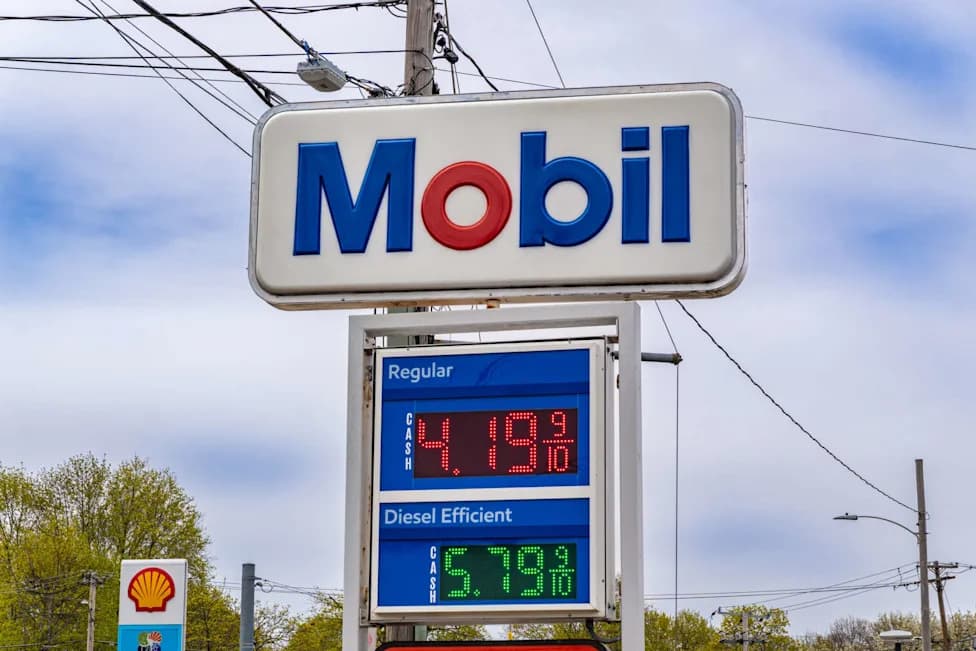
Household gas bills are likely to remain elevated into 2026. The EIA forecasts U.S. households will pay about 4% more for gas-powered services this year, while pipeline gas deliveries to homes rose 11.7% year-on-year in September. Expanding LNG exports — roughly 15 billion cubic feet per day, a 25% rise — and flat production are expected to push wholesale prices up about 16% next year. Analysts warn lower-income families will face the heaviest burden, while climate-driven costs such as higher insurance and flood damages add to financial strain.
Gas Bills Expected to Stay Higher into 2026 as LNG Exports and Other Factors Push Prices Up

Americans who cook with gas or rely on natural gas for heating should expect persistently higher bills through 2026, analysts and federal forecasters warn. The U.S. Energy Information Administration (EIA) projects household gas costs will be up this year and that wholesale prices are likely to climb further next year as exports rise and domestic production remains flat.
Key data and short-term outlook
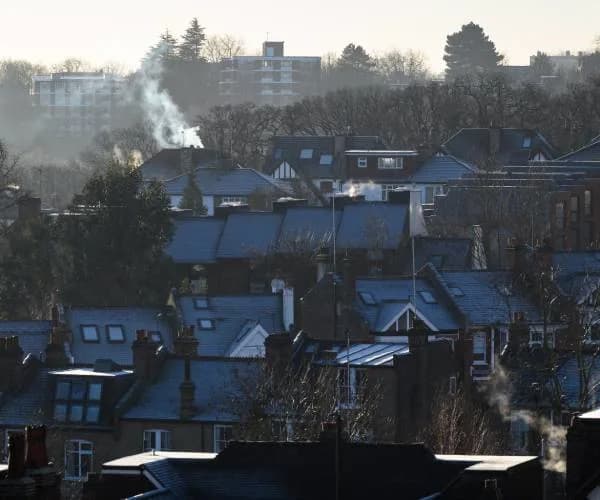
The EIA estimates that U.S. households will pay about 4% more for gas-powered services this year compared with 2024. Retail deliveries of pipeline gas to homes were 11.7% higher in September year-on-year — a faster rate of inflation than for other major consumer categories tracked by the federal government, such as food, medical care and clothing.
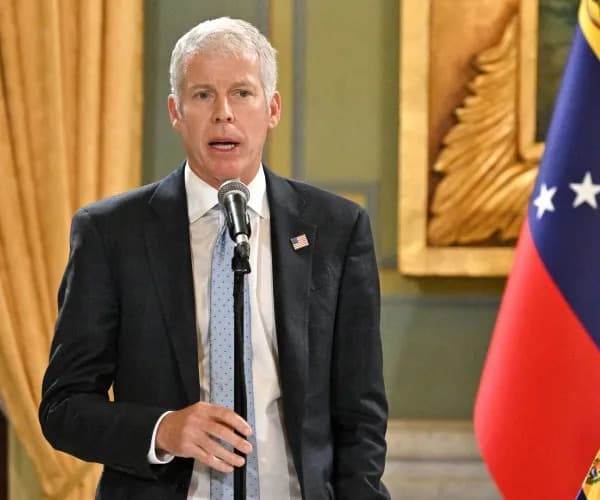
'I think we will soon see a stop in the rise of electricity prices...hopefully in the first half of 2026,' Energy Secretary Chris Wright said in a recent interview, signaling a more gradual timeline than some campaign promises suggested.
What's driving prices up?
Analysts point to a mix of factors: extreme weather events that strain supply and infrastructure; global ripple effects stemming from Russia's invasion of Ukraine; and higher operating and input costs for suppliers. Together these pressures have tightened supplies and lifted prices for consumers.
LNG exports and longer-term pressure
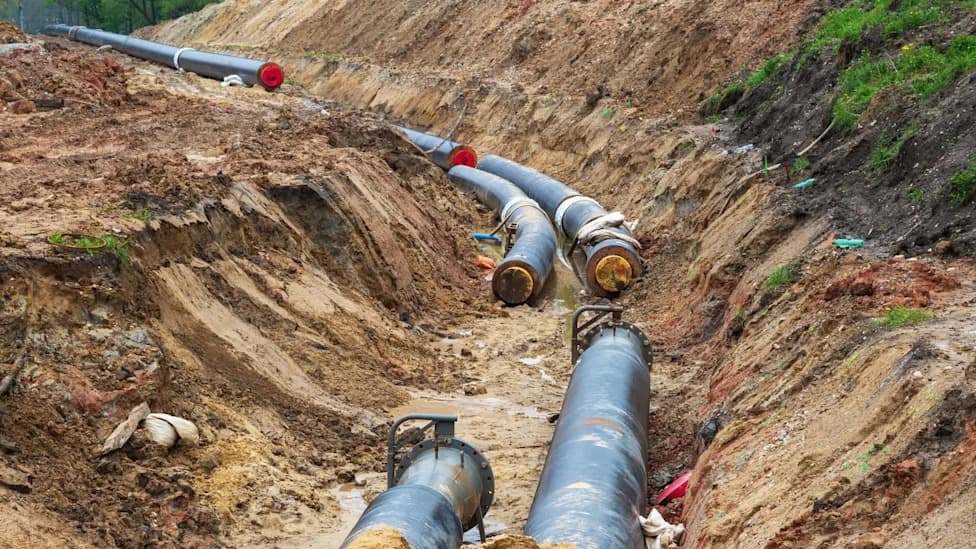
A major long-term upward pressure on domestic prices is the expanding export of U.S. natural gas as liquefied natural gas (LNG). After a prior administration limited approvals for new export projects over domestic cost concerns, export permitting has accelerated. The United States now ships roughly 15 billion cubic feet of LNG per day — about 25% more than a year earlier — and new export terminals have been approved.
The EIA projects that increased LNG exports, combined with flat domestic production, will push wholesale gas prices roughly 16% higher next year. Observers also note environmental and regulatory strains: data show all fully operational U.S. LNG terminals exceeded federal pollution limits in recent years, and lifecycle emissions from production, shipping and leaks mean gas can have a substantial climate impact.
Household impact and vulnerability
'Residential prices are rising, they are really high right now,' said Clark Williams-Derry, an energy analyst at the Institute for Energy Economics and Financial Analysis. He warned that households relying on gas for heating could face higher bills beyond a single winter, and that lower-income families will be hit hardest by both sustained price increases and episodic spikes.
Related climate-driven costs
Higher gas and electricity costs arrive alongside other climate-related financial pressures. Home insurance premiums are rising in many regions as severe weather becomes more frequent; one analysis estimates average premiums could climb another 16% by 2027. Flooding has already imposed heavy costs: over the past decade U.S. communities endured more than $45 billion per year in flood damages on average, and the Congressional Budget Office estimates that flood-related costs could increase by as much as one-third over the next 30 years.
The Department of Energy was contacted for comment about rising gas costs but did not respond.
What to watch
Consumers should watch wholesale price trends, seasonal weather forecasts, and policy developments around LNG exports and energy regulation. Policymakers and utilities may pursue measures to ease volatility, but analysts expect higher and more volatile gas prices to be a feature of the U.S. energy landscape into 2026.
Help us improve.