James Ryan, the ousted president of the University of Virginia, sent a 12-page letter on Nov. 14 describing coordinated pressure from the Trump administration, Virginia’s governor, and aligned trustees. His account details a governor-drafted DEI resolution, DOJ requests for admissions data, private meetings excluding Ryan, and demands that he resign to avoid federal retaliation. Ryan alleges the campaign sought to reduce racial diversity while imposing ideological conformity on faculty — a development he says threatens institutional autonomy and academic freedom.
‘Bleed UVA White’: James Ryan’s Letter Reveals an Effort to Remake American Higher Education
By Austin Sarat, William Nelson Cromwell Professor of Jurisprudence and Political Science, Amherst College
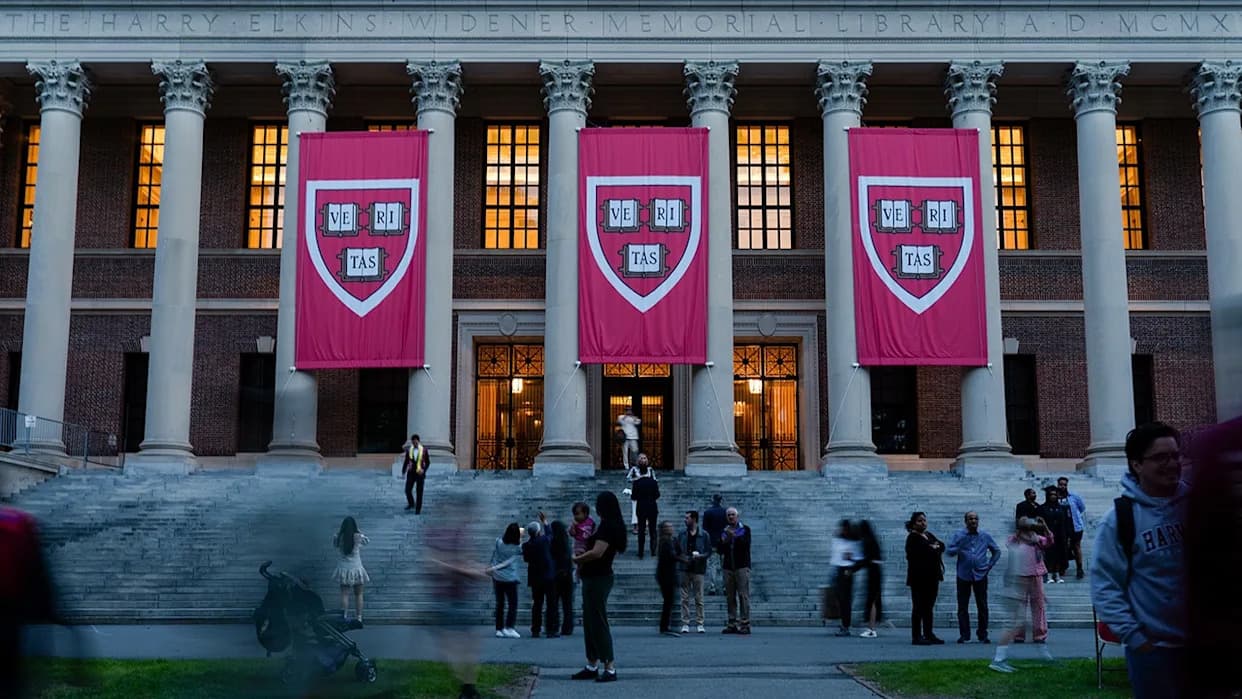
On Nov. 14, James Ryan, the recently forced-out president of the University of Virginia, circulated a detailed 12-page letter to the faculty senate describing sustained political pressure from the federal government, state officials, and aligned trustees. His account provides a clear, on-the-ground view of how officials pressed the university to change priorities and personnel in ways that, Ryan argues, threaten institutional autonomy and academic freedom.
What Ryan reports
Ryan’s letter documents a sequence of interventions he describes as unprecedented. In March, the governor’s office drafted a resolution addressing the university’s diversity, equity and inclusion (DEI) work and sent it to the board — which Ryan says was the first time in his seven years that the governor’s office had prepared a resolution on behalf of the board. Shortly thereafter, UVA dissolved its DEI office.
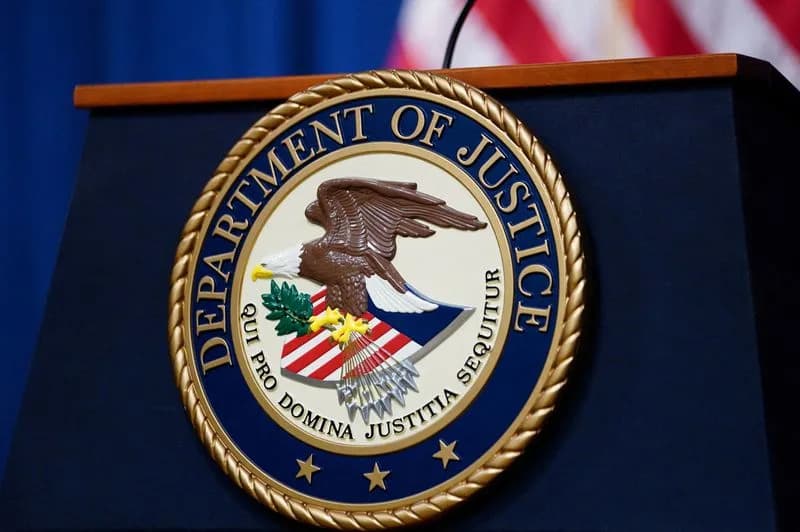
Federal pressure followed. The Justice Department repeatedly requested admissions data from units across the university. In June, trustees met privately with DOJ lawyers without inviting Ryan. He was later told that administration attorneys had indicated he would need to resign to resolve the inquiries and to prevent the federal government from inflicting significant harm on the university. According to Ryan, those remarks implied the federal government would henceforth have decisive influence over who could lead UVA.
'bleed UVA white.'
Ryan reports that DOJ representatives explicitly pursued two goals: reducing the racial diversity of the student body while increasing ideological diversity among faculty. The letter frames these demands as a trade-off that would substitute racial inclusion for ideological conformity — a cost to academic freedom and equality that Ryan and many observers find chilling.
Historical context
The episode at UVA is situated within a longer debate about the mission of American higher education. Many early U.S. colleges were founded by religious groups and focused on training clergy; Amherst’s 1817 mission, for example, emphasized education for the Christian ministry. In the early 20th century, leaders such as Woodrow Wilson and Alexander Meiklejohn helped articulate a different purpose: intellectual freedom and the pursuit of truth rather than instruction framed primarily by piety. Meiklejohn described a college as a place where the mind seeks "deliverance from the bonds of partial knowledge and self-interest." It is precisely that commitment to independent inquiry that the critics and some political actors now seek to reshape.
Why this matters
Ryan’s letter is a warning about the broader consequences when political actors use legal, administrative, and financial levers to influence university governance. If federal and state officials can press universities to prioritize ideological balance over racial diversity or academic self-governance, the result may be a narrowing of intellectual life on campus and a weakening of institutional autonomy across the sector.
University leaders, faculty, and citizens who care about higher education should read Ryan’s letter closely. It documents tactics that include direct intervention by governors' offices, targeted federal inquiries, private meetings that exclude campus leadership, and thinly veiled threats that link compliance to institutional survival.
Whatever one’s politics, the stakes are clear: the balance between institutional independence, academic freedom, and public accountability is fragile. How universities respond to these pressures will shape the character of American higher education for years to come.
By Austin Sarat, William Nelson Cromwell Professor of Jurisprudence and Political Science, Amherst College.
Help us improve.