The U.S. Department of Justice sued Virginia on Dec. 30, challenging a state law that allows undocumented residents to receive in-state tuition and certain state financial aid. The DOJ says the law conflicts with the federal Illegal Immigration Reform and Immigrant Responsibility Act (1996) and therefore violates federal law. Supporters argue the policy removes financial barriers for students who graduated from Virginia high schools. The case was filed in U.S. District Court in Richmond and follows similar DOJ challenges in multiple states.
U.S. Justice Department Sues Virginia Over In-State Tuition For Undocumented Immigrants
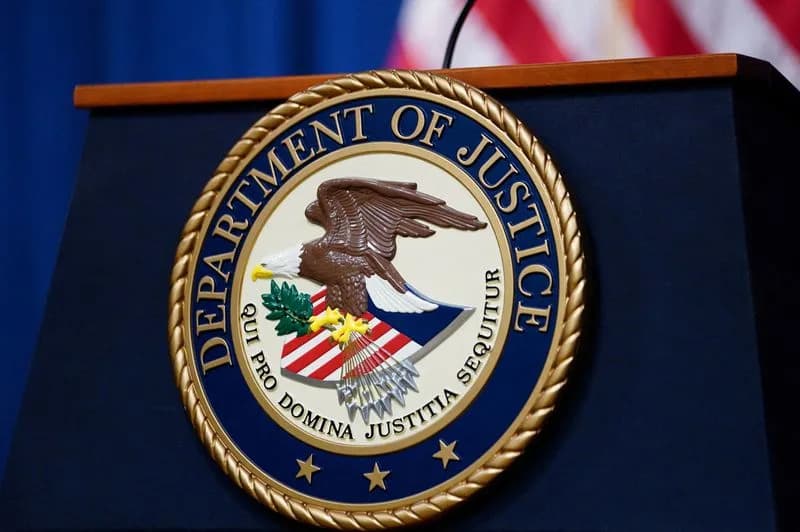
FILE PHOTO: The seal of the U.S. Justice Department is seen on the podium in the Department's headquarters briefing room before a news conference with the Attorney General in Washington, January 24, 2023. REUTERS/Kevin Lamarque/File Photo
The U.S. Department of Justice filed a federal lawsuit on Dec. 30 challenging a Virginia law that allows immigrants who are in the country unlawfully to qualify for reduced in-state tuition and certain state financial aid at Virginia's public colleges and universities.
What the Lawsuit Says
The DOJ says the Virginia law, enacted in 2021 and implemented beginning in 2022, conflicts with federal immigration statutes and therefore violates the Supremacy Clause of the U.S. Constitution. The complaint cites the Illegal Immigration Reform and Immigrant Responsibility Act (IIRIRA) of 1996, which restricts states from providing certain postsecondary education benefits to undocumented immigrants when those benefits are not available to U.S. citizens from other states.
Supporters' View
Supporters of the state law — which was signed by then-Governor Ralph Northam — say it removes financial barriers for immigrant students who grew up and attended high school in Virginia, enabling them to pursue higher education on the same terms as other in-state residents.
DOJ Response And Legal Context
The Justice Department filed the lawsuit in U.S. District Court in Richmond. In a department statement accompanying the filing, officials said schools cannot provide benefits to undocumented immigrants that are not provided to U.S. citizens nationwide. The DOJ frames the case as part of a broader effort to enforce federal immigration law against state policies that it says exceed states' authority.
"This is a matter of federal law: schools cannot provide benefits to illegal aliens that they do not provide to U.S. citizens," the department said.
Wider Implications
At least 21 states and the District of Columbia have "tuition equity" laws or policies that allow certain students who graduated from in-state high schools to pay in-state tuition regardless of immigration status, according to the National Immigration Law Center. The group also reports that 14 states — including Virginia — provide state financial aid to eligible students regardless of immigration status.
The DOJ has pursued similar legal challenges under the Trump administration against state policies in Texas, Kentucky, Illinois, Oklahoma, Minnesota and California. Texas and Oklahoma quickly agreed to consent decrees that blocked enforcement of their respective state laws.
The outcome of the Virginia lawsuit could shape how other states craft and defend tuition and aid policies for undocumented students, and it may lead to further litigation over the balance between state education policy and federal immigration law.
Help us improve.