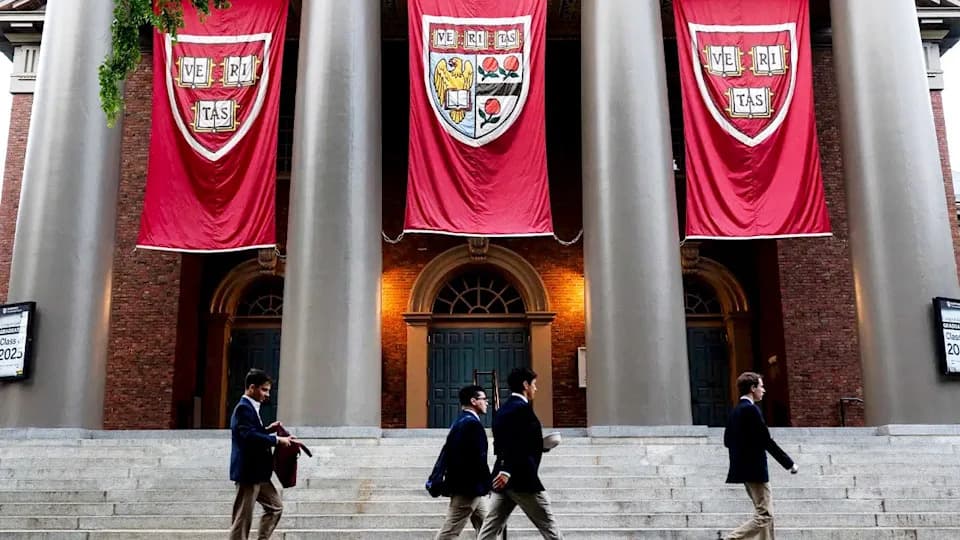
James Hankins, a historian who spent 40 years at Harvard, published a farewell essay saying he left amid strict COVID rules and what he calls growing "wokeness." He alleges informal exclusions of white male applicants from graduate admissions in 2021 and describes a long-term shift away from Western-focused curricula and traditional hiring standards. Hankins now holds a visiting position at the University of Florida and urges building new institutions rather than relying on reform of elite universities.
40-Year Harvard Historian James Hankins Issues Stark Critique of Admissions, Curriculum and COVID Rules in Farewell Essay
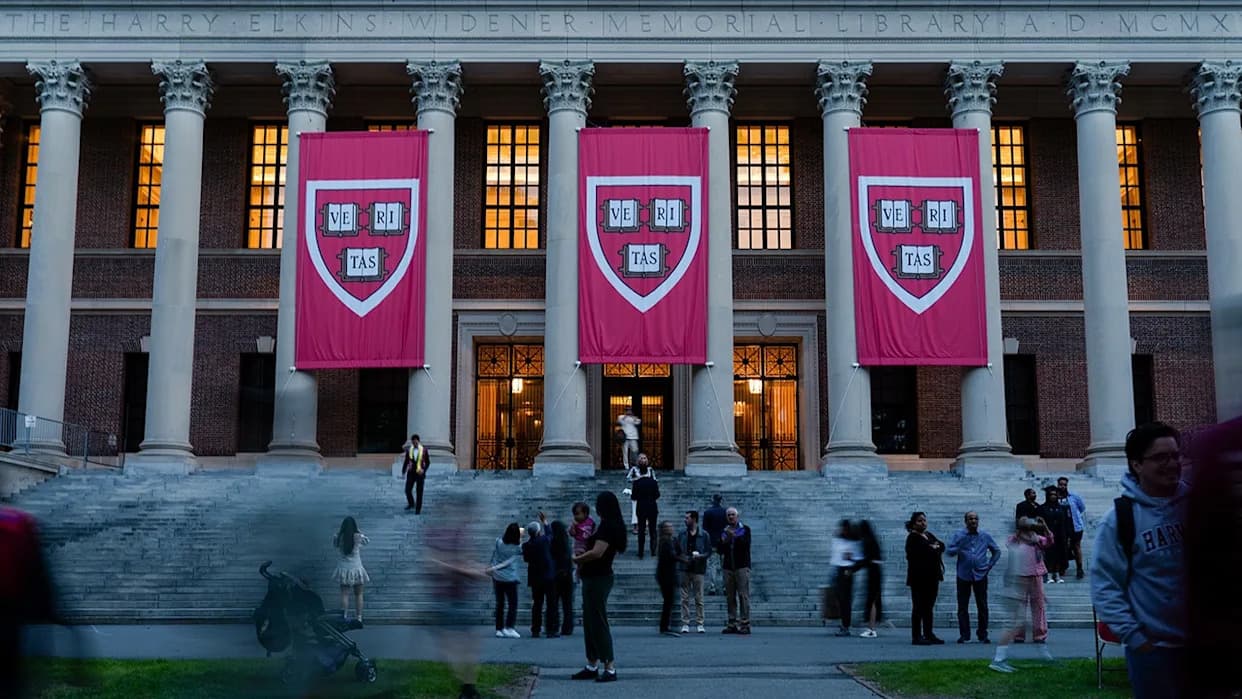
40-year Harvard professor pens scathing piece on school's 'exclusion of white males,' anti-Western trends
James Hankins, a historian who taught at Harvard University for four decades, has published a pointed farewell essay criticizing the university's pandemic policies, graduate admissions practices and curricular shifts away from traditional Western history. The piece, titled "Why I'm Leaving Harvard," appeared in Compact Magazine and coincides with his recent move to a visiting professorship at the University of Florida.
Pandemic Governance and Teaching
Hankins says he decided to leave Harvard in 2021 amid what he describes as a wave of "wokeness" and strict COVID-19 restrictions, though he remained under a four-year retirement contract until it expired. He characterized the university’s pandemic response as "a form of emergency governance" that reflected an uncritical public deference to "The Science," and said measures such as mandatory masking in lectures and remote seminars conflicted with his educational approach.
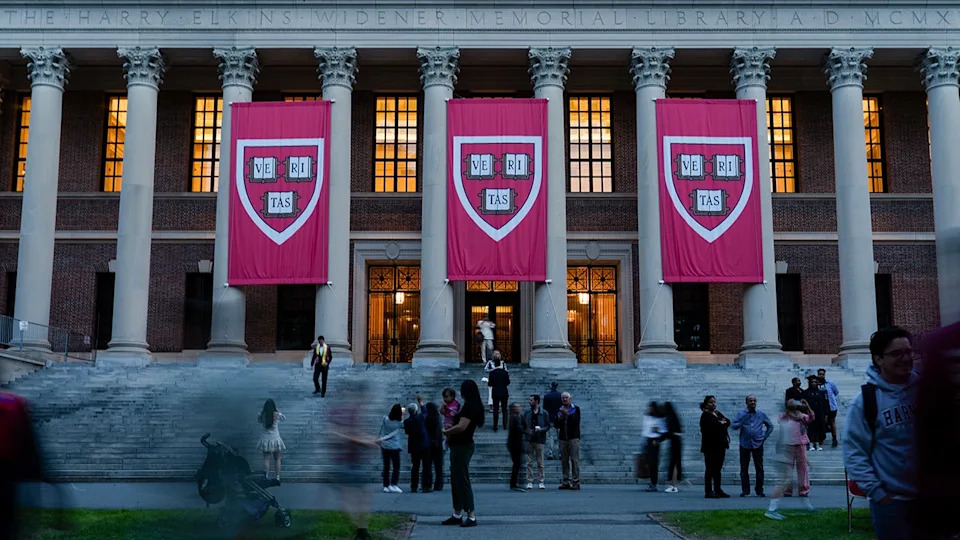
History professor James Hankins taught at Harvard for 40 years.
Allegations About Graduate Admissions
In his essay Hankins recounts two admissions cases from 2020–21 that he says suggest an informal exclusion of white male applicants. He writes that an excellent applicant who would previously have ranked at the top was informally described to him as someone "we are not admitting this year" because the candidate was a white male. He also describes a "certifiably brilliant" former Harvard undergraduate who, he says, was rejected by multiple Harvard graduate programs.
"In reviewing graduate student applicants in the fall of 2020 I came across an outstanding prospect who was a perfect fit for our program. In past years this candidate would have risen immediately to the top of the applicant pool. In 2021, however, I was told informally by a member of the admissions committee that 'that' (meaning admitting a white male) was 'not happening this year.'"
Hankins says he contacted colleagues at other universities and heard similar accounts, and that one exception was an applicant who had "begun life as a female." A Harvard spokesperson, as Hankins notes, has said graduate admissions are faculty-led and handled at the department level.

The Trump administration announced it was freezing over $2 billion in grants and contracts after Harvard University said it would not comply with federal demands regarding antisemitism.
Curricular Change and Standards
Hankins traces what he sees as a long decline in the department’s focus on Western civilization and in hiring standards. He recalls a pre-1990s "two-book standard" for senior hires—a republished dissertation and a second monograph—which he says was relaxed in the late 1990s amid pressure to hire more women faculty.
According to Hankins, demands for gender parity led to allegations that standards were lowered because women comprised a small share of PhDs in history at that time. He says those who resisted the changes were sometimes labeled "sexists."
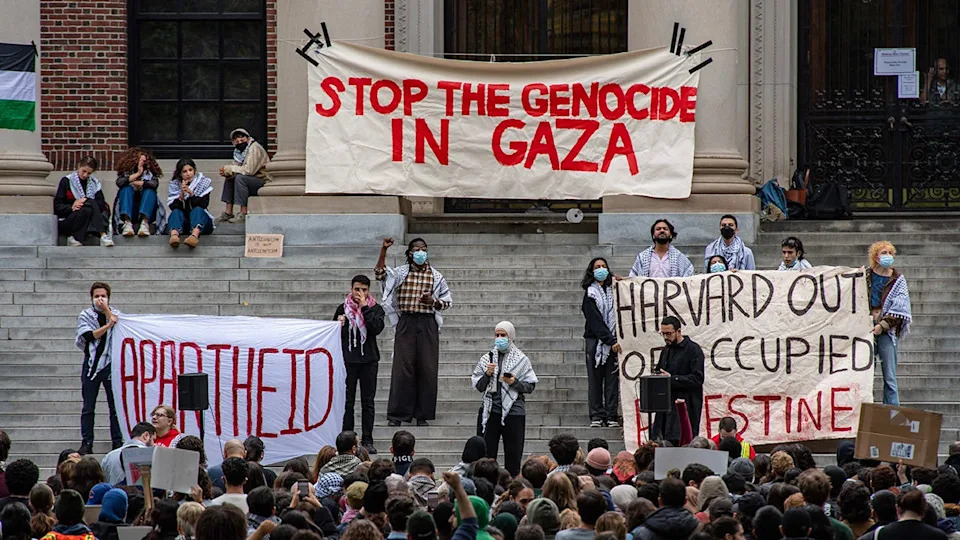
Anti-Israel activists gather at Harvard University to show their support for Palestinians in Gaza at a rally in Cambridge, Massachusetts, on Oct. 14, 2023.
Hankins also criticizes a shift toward "global civilizations" and "transnational history," arguing that this approach often displaced courses on national European histories (for example, the German Reformation, Elizabethan England or the French Revolution) in favor of studies of interaction between Europe and non-European regions. He contends that in some hands “Western global history” has become actively critical of Western traditions while other area studies present national pride more positively.
Promotion Practices and Institutional Culture
He argues that promotion patterns changed, with a higher proportion of junior faculty being promoted over time and a looser expectation about publication before tenure. Hankins characterizes many of the newer faculty as left-leaning and describes broader institutional trends toward globalization and fewer courses devoted to traditional Western history.
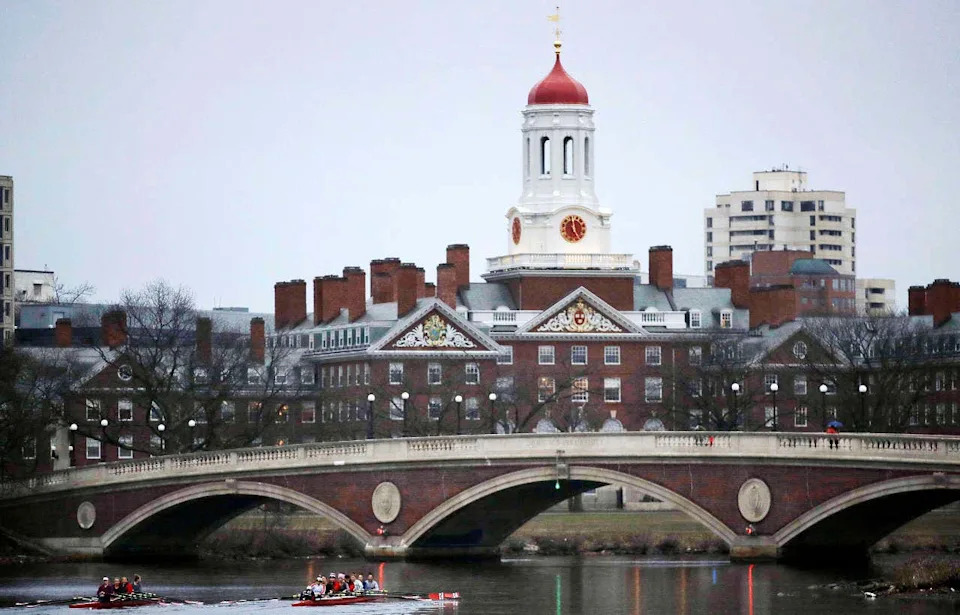
James Hankins said Harvard has lowered its academic standards.
Conclusion and Outlook
Hankins concludes that reform at "Ivy-Plus" schools is unlikely and suggests that efforts would be better spent building new institutions free from what he calls the corruption and self-hatred of older elite universities. The essay reflects his perspective and experience; many of his claims are based on personal observation and anecdote rather than formal studies. Harvard's official position is that admissions decisions are made at the department level by faculty.
Note: This article summarizes and clarifies Hankins’ published arguments and Harvard’s stated administrative structure. It preserves Hankins’ claims while identifying them as his personal assessments rather than independently verified facts.
Help us improve.