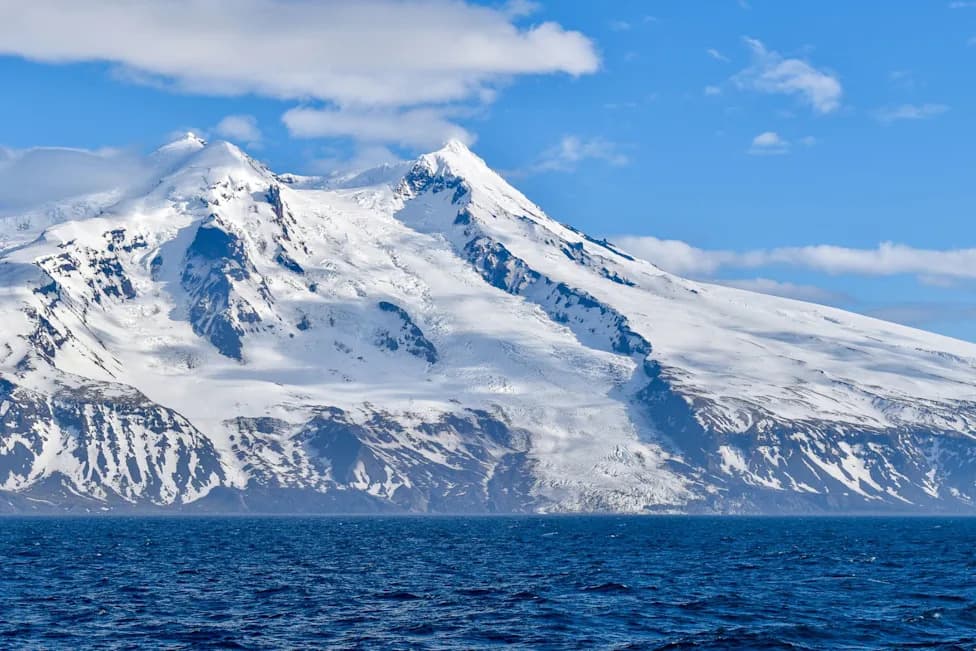
The thawing of high-altitude ice in Norway's Aurlandsfjellet has exposed rare archaeological items, including a 1,500-year-old reindeer trap, a pine oar and an antler clothing pin shaped like a miniature axe. Excavations that began in August uncovered objects unlikely to survive ordinary digs, providing fresh insight into past mountain life. Yet the finds also highlight a grim reality: warming temperatures and melting permafrost are destroying long-preserved sites and contributing to wider climate impacts. Some ancient preservation methods — such as wood sealed in clay that retains carbon — may offer ideas for modern carbon-sequestration strategies.
Melting Norwegian Ice Reveals 1,500‑Year‑Old Reindeer Trap and Other Rare Artifacts — Archaeology and a Climate Warning
High on Norway's Aurlandsfjellet plateau, thawing mountain ice has exposed a remarkable collection of archaeological material — and a stark reminder of rapid environmental change.
Rare finds from an unlikely archive
Excavations that began in August have uncovered objects that rarely survive standard digs: a 1,500-year-old reindeer trap, a pine oar, and small personal items such as an antler clothing pin shaped like a miniature axe. Archaeologist Leif Inge Åstveit said these pieces "are items we would never find in ordinary excavations," underscoring how ice and permafrost can preserve delicate organic materials for centuries.
"These are items we would never find in ordinary excavations, including a pine oar and a clothing pin made of antler," — Leif Inge Åstveit
Why the discoveries are both exciting and alarming
While the finds shed new light on past human activity in high-mountain environments, their sudden exposure is caused by warming temperatures. Melting permafrost and retreating ice not only reveal archaeological treasures but also accelerate decay and loss of context for fragile artifacts once they are uncovered.
Beyond the local archaeological impact, melting mountain and polar ice have wider consequences: increased meltwater can raise storm tides and flood risk for coasts, and the loss of reflective ice surfaces reduces the planet's ability to regulate temperature, amplifying global warming in a reinforcing feedback loop.
Ancient preservation suggesting modern solutions
Not all lessons from the past are warnings. Recent research has found ancient materials — for example, a 3,775-year-old piece of wood preserved almost intact in clay — that retained nearly all of their carbon. Scientists are exploring whether such preservation processes can inspire carbon sequestration techniques today.
Public reaction
Responses on social media mixed awe at the discoveries with concern about their cause. One commenter summed up the dilemma: "Am I delighted by these amazing discoveries? Absolutely. Am I horrified that so much is melting to cause exposure? Even more so."
As excavations continue, archaeologists are racing to document and conserve newly exposed material while climate scientists and communities contend with the broader consequences of thawing ice.
Help us improve.