Venezuelan President Nicolás Maduro has asked OPEC and OPEC+ to oppose what he calls escalating and unlawful U.S. threats to Venezuela's oil reserves. Maduro's appeal came after a provocative social-media post about Venezuelan airspace and amid an increased U.S. military presence in the Caribbean. Venezuela holds an estimated 303 billion barrels of proven oil but exported only about $4.05 billion in crude in 2023, a shortfall tied partly to U.S. sanctions. Human-rights groups have raised concerns about lethal strikes on vessels and the broader regional security impact.
Maduro Appeals to OPEC to Counter What He Calls US Threats to Venezuela's Oil

Venezuelan President Nicolás Maduro has urged the Organization of the Petroleum Exporting Countries (OPEC) to intervene against what he describes as mounting and unlawful threats from the United States aimed at Venezuela's oil resources.
Maduro's letter and accusations
In a letter circulated on Sunday, Maduro accused the United States of attempting to "seize" Venezuela's oil reserves and asked OPEC and the broader OPEC+ grouping to act to protect the stability of global energy markets. Maduro said he had formally complained about the potential "use of lethal military force against the country's territory, people and institutions" and sought colleagues' support to halt what he called an escalating aggression.
Context: reserves, exports and sanctions
Venezuela holds the world's largest proven oil reserves — estimated at about 303 billion barrels in 2023 — yet its oil exports remain a fraction of other major producers. The country exported roughly $4.05 billion worth of crude in 2023, a level analysts attribute in part to long-standing U.S. sanctions imposed during the previous U.S. administration.
Tensions escalate after social-media post
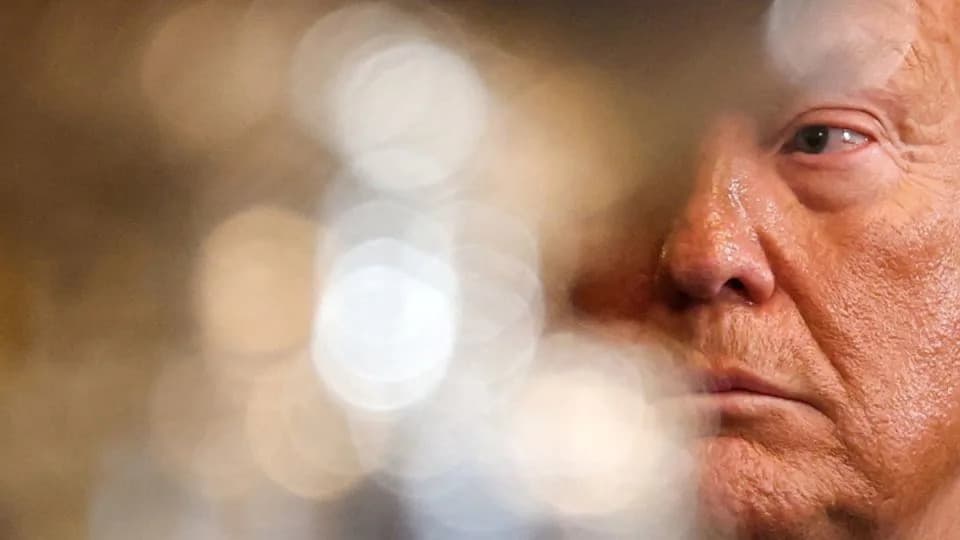
The appeal followed a social-media message from Donald Trump in which he said Venezuela's airspace was "closed" without offering details. Caracas condemned the post as a colonial-style threat. Trump has promoted expanded U.S. oil production as a policy priority and his administration recently announced plans to allow drilling off the California and Florida coasts.
"To all Airlines, Pilots, Drug Dealers, and Human Traffickers, please consider THE AIRSPACE ABOVE AND SURROUNDING VENEZUELA TO BE CLOSED IN ITS ENTIRETY."
Security claims and human-rights concerns
Maduro's government says a growing U.S. military presence in the Caribbean is aimed at accessing Venezuela's energy resources. Washington maintains its deployments are focused on countering drug trafficking. Critics point to official U.S. data indicating Venezuela is not a primary source of drugs entering the United States.
Human-rights groups say at least 83 people have been killed in U.S. strikes on vessels described by the U.S. as carrying drugs, and they have called the attacks extrajudicial and in violation of international law. The U.S. has deployed significant forces to the region, including an aircraft carrier, additional warships, thousands of troops and F-35 fighter jets.
Regional implications
Venezuela — a founding OPEC member alongside Iran, Iraq, Kuwait and Saudi Arabia in 1960 — is asking fellow producers to protect market stability. Meanwhile, Caribbean island states vulnerable to more frequent and severe storms linked to climate change are urging major fossil-fuel producers to accelerate the transition to renewable energy to reduce long-term risk.
Help us improve.