Key points: The Lebanese Armed Forces are unlikely to meet a U.S.-backed Dec. 31 deadline to locate and destroy Hezbollah’s weapons, say Israeli officials and analysts. Officials argue the LAF’s 80% claim reflects its internal plan, not the removal of weapons hidden in private homes and civilian infrastructure. Washington has authorised $230 million to support the effort, but political will in Beirut appears to have weakened while Iran continues to fund Hezbollah. Failure to disarm the group could spark a major escalation between Israel and Hezbollah.
Lebanon Likely to Miss Dec. 31 Deadline to Disarm Hezbollah, Raising Risk of Renewed Israel–Hezbollah Conflict

Lebanon is widely expected to miss a U.S.-backed Dec. 31 deadline to seize and destroy weapons held by Hezbollah, a failure that Israeli current and former military officials warn could trigger a major escalation in the region.
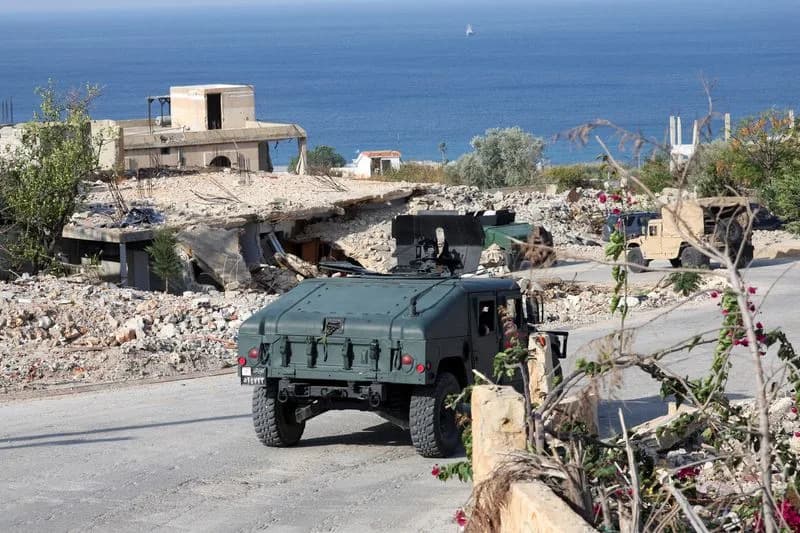
The Lebanese Armed Forces (LAF) were tasked with locating and destroying all of the Iran-backed group's weapons stockpiles. In May, Prime Minister Nawaf Salam said the LAF had achieved roughly 80% of its objective in demilitarising southern Lebanon, but Israeli authorities say the theatre remains far from clear.
Why Israel and analysts remain sceptical
Speaking on condition of anonymity, an Israeli military official acknowledged that the LAF has been "acting in ways it hasn’t in decades," but argued the force has not done enough to fully dismantle Hezbollah’s arsenal or networks. The official said the LAF’s metric of “80%” likely refers to the portion of its own clearance plan, not the share of territory or civilian infrastructure actually free of weapons.
“The LAF doesn’t enter private homes, and in many places they hesitate to confront local Shia residents, and Hezbollah exploits this,” the official said. “If the IDF were clearing an area, we would sweep everything until we knew it was clean. LAF measures success according to its own limited plan.”
Israeli concern has political and strategic dimensions. Washington reportedly authorised a $230 million package to support the LAF’s demilitarisation work, and failure to deliver risks diplomatic fallout. Israeli leaders have also warned they could increase military pressure if Hezbollah is allowed to regain capabilities.
Tactics, smuggling and mounting strikes
Officials say Hezbollah has deeply embedded itself in civilian life — renting homes, farms and private land, and storing weapons in populated areas. Observers report that the LAF has relied heavily on demolitions and explosives to destroy discovered caches and has generally avoided house-to-house searches in private areas.
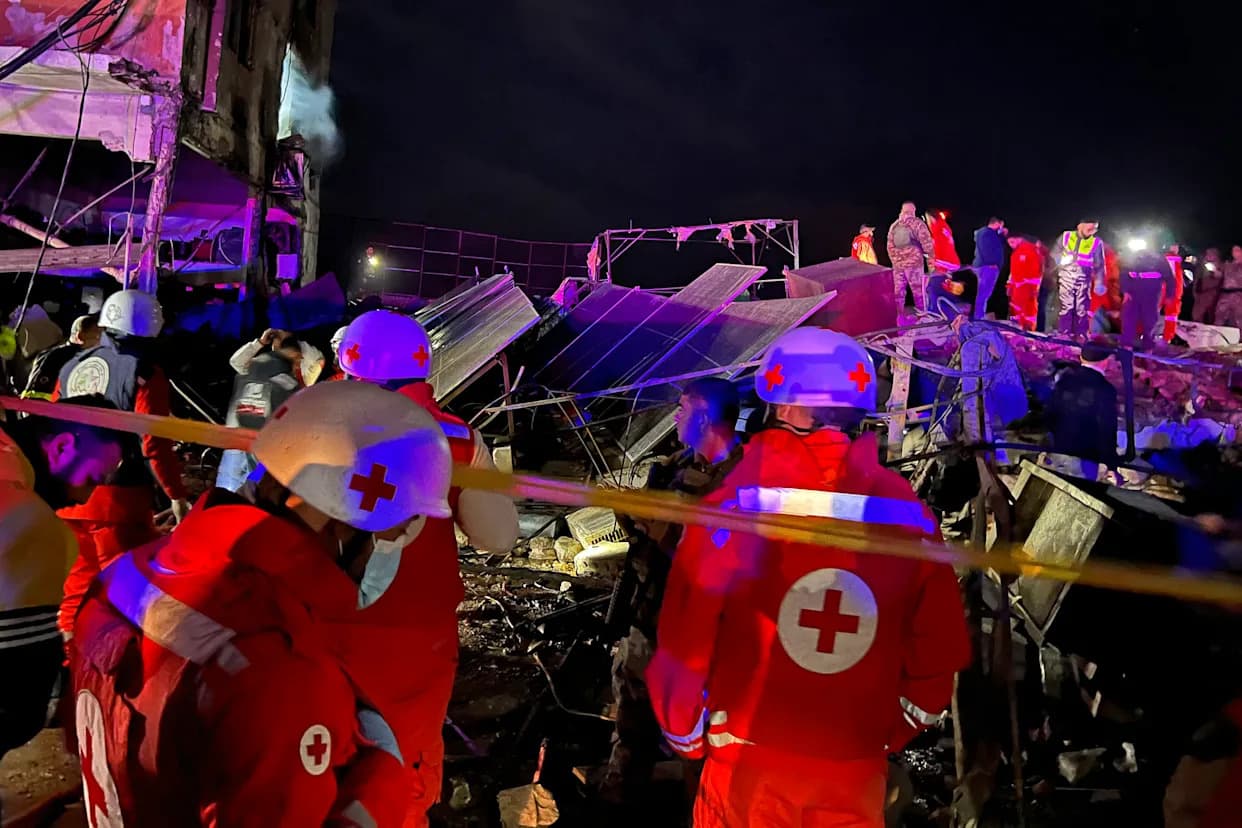
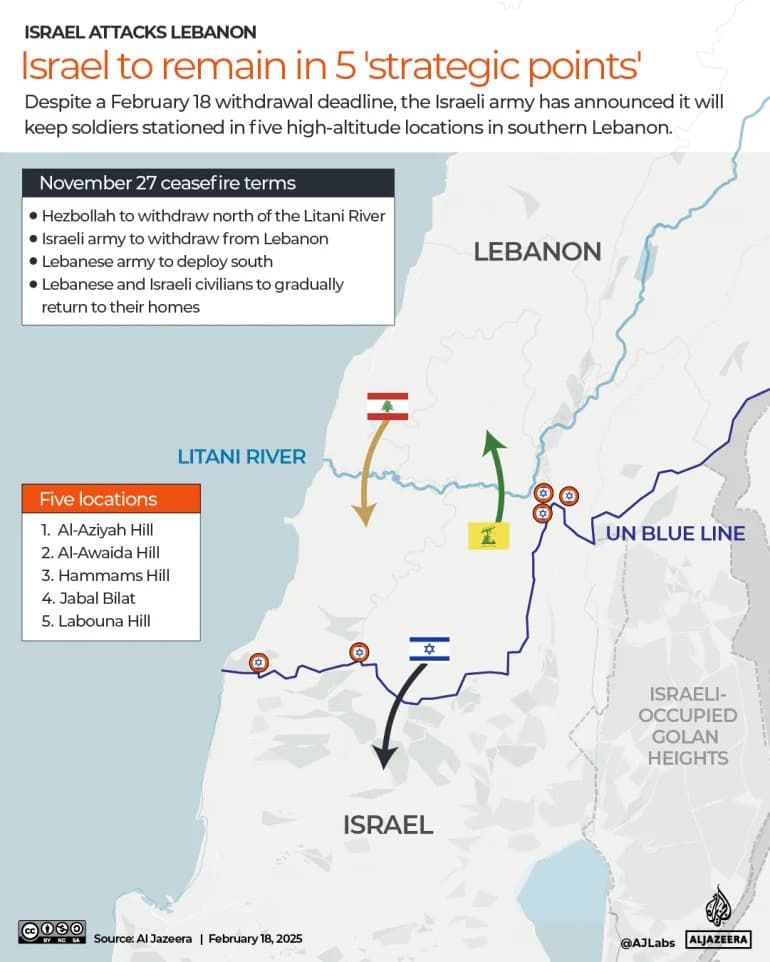
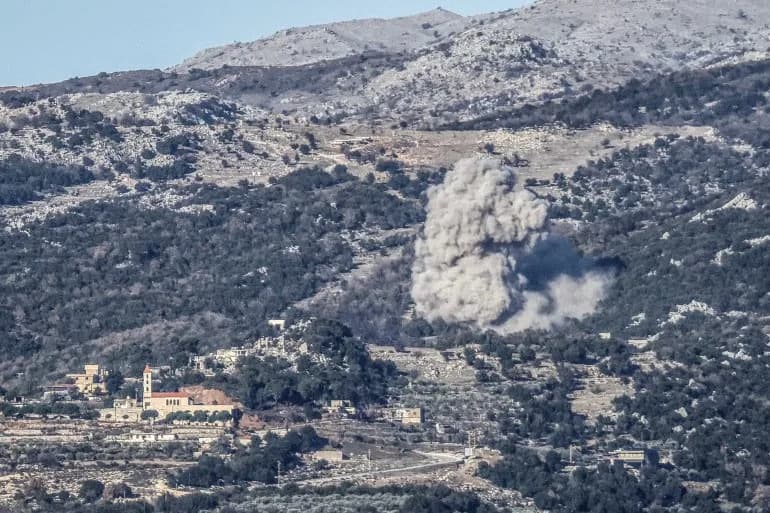
Israel has stepped up strikes across Lebanon and says it has detected renewed efforts by Hezbollah to smuggle weapons from Syria, particularly north of the Litani River. Israeli military estimates put Hezbollah fatalities during the year-long ceasefire at roughly 370 fighters. In a high-profile strike last week, an Israeli air attack killed Haytham Ali Tabatabai, described by some sources as a senior Hezbollah military figure operating in Beirut—a move interpreted by some as a signal of increasing Israeli impatience.
Views from former officials and analysts
Former Israeli military intelligence chief Tamir Hayman described the effort as an “impossible mission” from the outset and said the Lebanese government’s political will to press the campaign waned around August. He warned of growing covert cooperation between state actors and Hezbollah and said Iran continues to channel funds and advisers to the group.
Sarit Zehavi, founder and president of the Alma research centre focused on northern Israel’s security, echoed the scepticism. She pointed to the comparatively limited photographic and video evidence published by the LAF versus the extensive documentation released by the Israeli Defence Forces during the war, and said the LAF’s avoidance of private-property searches explains why it finds fewer weapons.
“We want to see proof in order to rebuild trust that the LAF is doing something right,” Zehavi said. “The Lebanese government is still waiting for others to act — for the U.S. to provide funds and for Israel to strike Hezbollah. They are not prepared to clash violently with the group.”
What’s at stake
Analysts warn that failing to address weapons hidden in private and civilian infrastructure could leave Lebanon vulnerable to renewed, wider conflict. While intensified aerial pressure may create political incentives in Beirut, critics question whether any escalation will ultimately change the balance on the ground.
With the Dec. 31 deadline approaching, the LAF faces a difficult choice: undertake more intrusive searches of private property and risk domestic backlash, or declare progress that may not satisfy neighbouring states and risks further military responses. Either outcome carries a significant risk of renewed violence between Israel and Hezbollah.
Help us improve.