Nicolás Maduro has adopted English slogans and gestures while facing intensified U.S. pressure, including a $50 million arrest reward and a terrorism designation for the alleged Cartel de los Soles. Experts say Maduro survives because a deliberate system of rewards for loyalists and harsh punishments for defectors — especially within the military — preserves cohesion. Public ceremonies, elite enrichment networks and mistrust of foreign guarantees have so far prevented major defections, even as Venezuela endures severe economic and humanitarian collapse.
Maduro's Survival Strategy: Rewards, Repression and the Loyalty That Keeps Him in Power

Venezuelan President Nicolás Maduro has moved from publicly bemoaning English words to embracing them — singing John Lennon’s "Imagine," promoting a remix of the slogan "No War, Yes Peace," and even speaking in English as Washington weighs options, including possible military action, against his government.
Opposition leaders and critics view this rhetorical pivot as a sign of weakness. But analysts and local accounts point to a much more durable explanation for Maduro’s resilience: a deliberate system of rewards and punishments that binds ministers, justices and military officers to the regime.
How the system works
At the center of that system are informal networks — tolerated and cultivated under Hugo Chávez and continued under Maduro — that allow loyalists to enrich themselves while isolating and punishing those who dissent. Loyal officials are often permitted to profit from activities ranging from oil deals to black-market trafficking; alleged disloyalty can bring arrest, imprisonment and, by some accounts, torture.
"The Bolivarian Revolution possesses a remarkable ability: the capacity for cohesion in the face of external pressure," said Ronal Rodríguez of the Venezuela Observatory at Universidad del Rosario, describing how external threats tend to consolidate the movement.
Observers say punishments are typically harsher for accused wrongdoers with military ties. That dynamic helps explain why Venezuela’s armed forces have repeatedly remained aligned with the presidency even when faced with international pressure and domestic unrest.
International pressure and domestic response
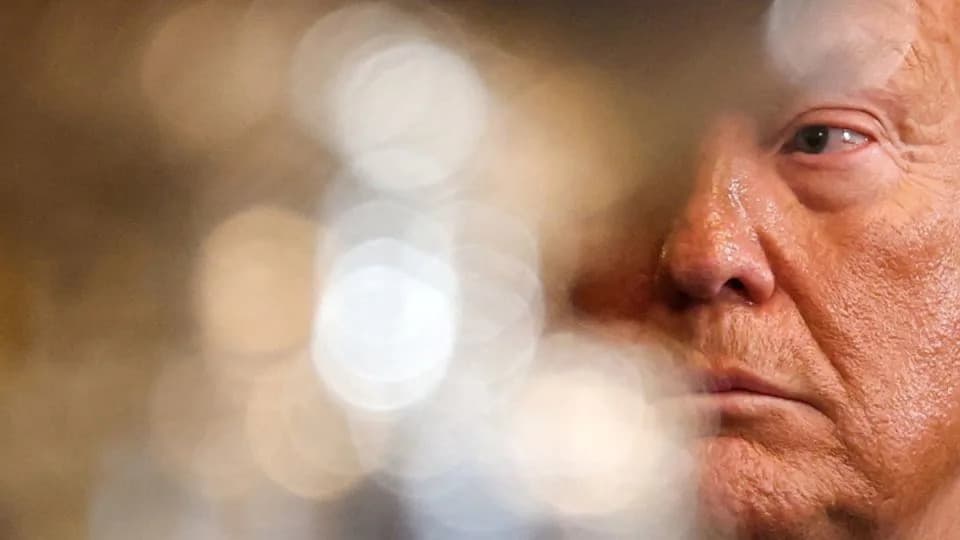
Since returning to office, U.S. President Donald Trump has sharply increased pressure on Maduro and his inner circle — doubling a reward for information leading to Maduro’s arrest to $50 million and designating the alleged Cartel de los Soles as a foreign terrorist organization. The U.S. has also destroyed vessels it says were transporting drugs, operations the administration says killed more than 80 people; Venezuelan officials and supporters call those strikes a direct attack on Chavismo.
Despite these measures, key military figures, including Defense Minister Vladimir Padrino López, have stayed loyal. Attempts to recruit elements of the presidential guard or other officers have reportedly failed, with some recruits explicitly rejecting the idea of betraying the country or their commander.
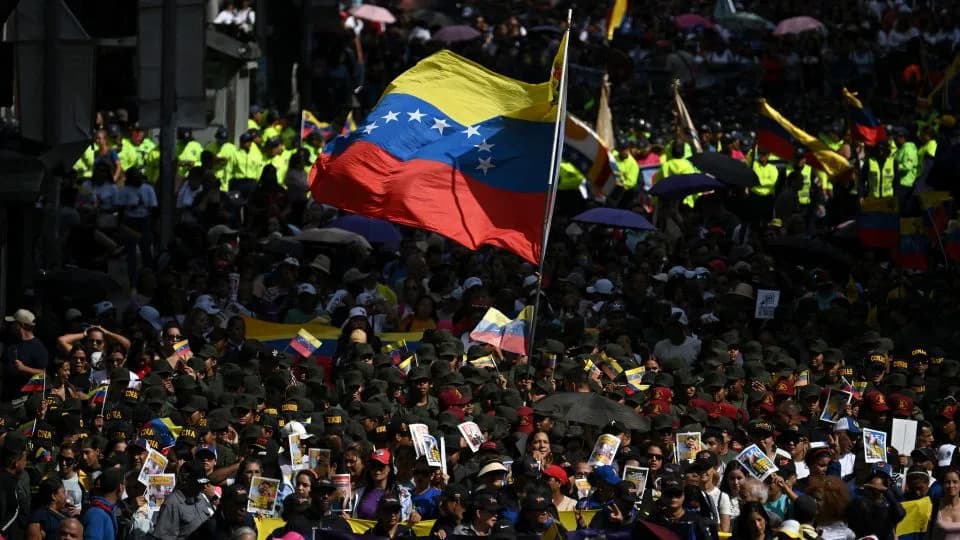
Public ceremonies and mobilizations further reinforce a sense of unity. Recent marches in Caracas culminated in symbolic pledges and rituals — including Maduro raising a jeweled sword once owned by independence hero Simón Bolívar — that signal cohesion and nationalistic resolve to supporters.
Why force may backfire
Scholars warn that shows of external force can have the opposite effect of what planners intend. "This is exactly the type of thing that unifies them," said David Smilde of Tulane University, referring to U.S. deployments and incentives to induce desertion. Military officers, he added, face strong incentives to distrust foreign offers and protect their economic and institutional privileges.
At the same time, Venezuela continues to suffer a profound humanitarian and economic collapse: decades-long mismanagement, hyperinflation and shortages have contributed to the migration of more than 7.7 million people and a sharp drop in living standards across the country.
Still, for many Venezuelans the memory of Hugo Chávez and his political legacy remains a potent source of loyalty. Zenaida Quintero, a 60-year-old school porter who endured severe food shortages, said she continues to trust Maduro because Chávez chose him as successor. "We have to remain united. We have to defend ourselves," she said.
The interplay of enrichment for allies, harsh reprisals for dissenters, public rituals and the military’s institutional self-interest has proven resilient against international pressure. For now, analysts say, that mix remains the clearest explanation for why Maduro’s inner circle has not fractured despite intensified external efforts to force change.
Help us improve.